9 Overlooked Menopause Symptoms That Can Catch Women by Surprise
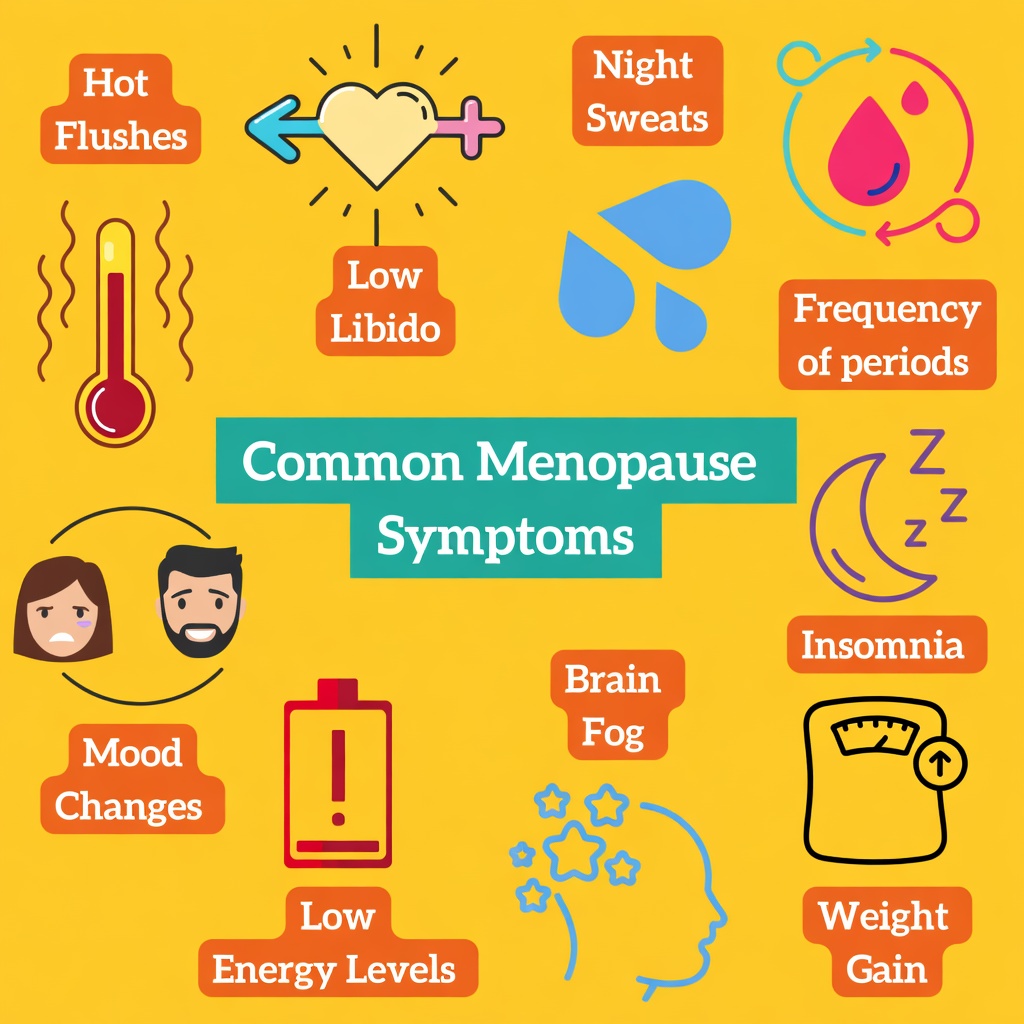
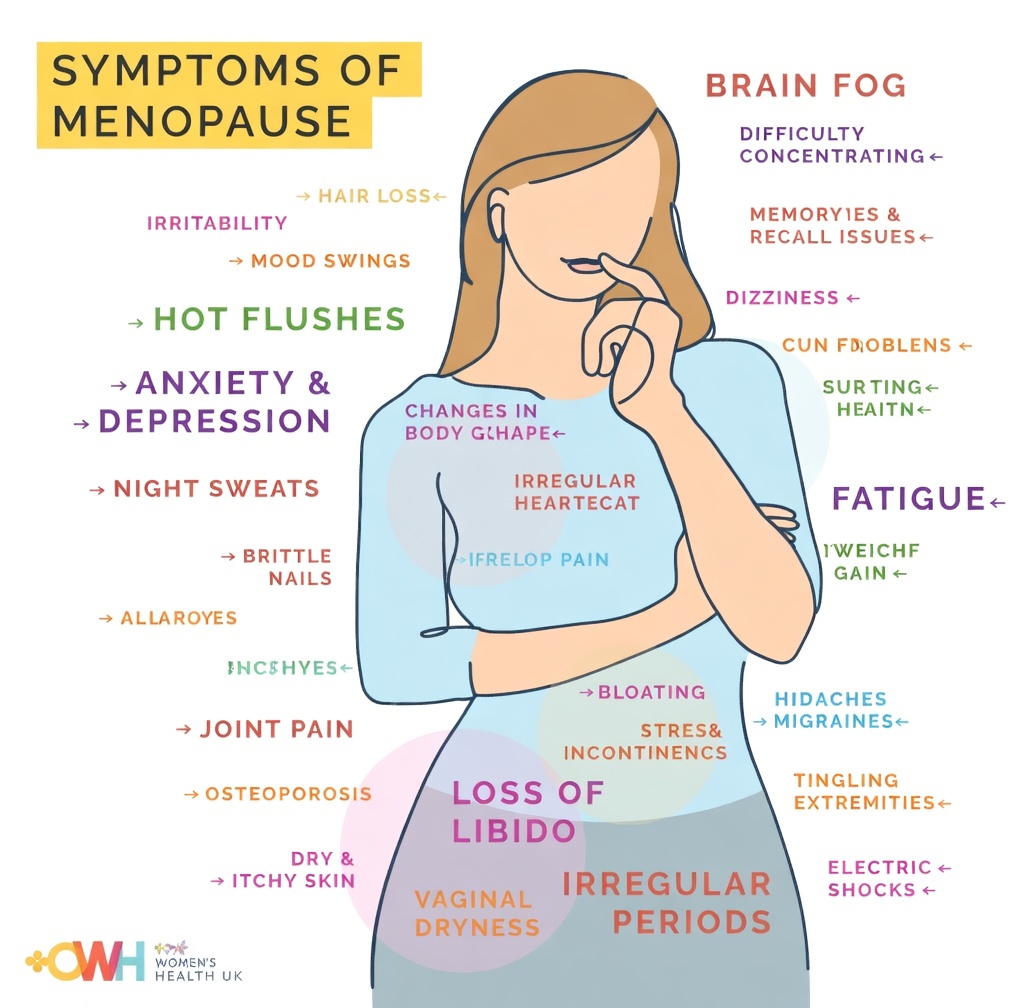
Many women approach their 40s and 50s prepared for common menopause signs like hot flashes, mood changes, and irregular periods. What often surprises them, however, are the quieter symptoms that can interfere with everyday comfort in unexpected ways. Because these changes are rarely discussed, they may feel puzzling, frustrating, or even lonely.
The encouraging part is that once you understand why these symptoms happen, simple daily habits can often help you manage them more effectively and feel more in control.
In this guide, we’ll look at nine lesser-known menopause symptoms that many women experience, along with practical tips inspired by expert health guidance. Be sure to read to the end—there is an important link between these changes and everyday routines that may help you cope better.
Why Are These Menopause Symptoms Often Missed?
Most conversations about menopause focus on hot flashes, night sweats, and period changes. But shifting hormone levels—especially falling estrogen—can influence nearly every part of the body. According to medical sources such as the Mayo Clinic and Cleveland Clinic, these hormonal changes may affect the skin, joints, digestion, mouth, senses, and more.
Not every woman will deal with every symptom, but noticing these patterns can reduce stress and make the experience feel less alarming.
Research suggests that as many as 80% of women in perimenopause or menopause experience well-known symptoms. Still, the less visible ones are often mistaken for normal aging, stress, or unrelated health issues.

1. Itchy, Crawling, or Tingling Skin
One unexpected symptom of menopause is skin that suddenly feels itchy, prickly, or as if something is crawling on it. This sensation is sometimes called formication. Since estrogen helps keep the skin hydrated and supple, lower levels can leave it dry, delicate, and more reactive.
What may help:
- Drink enough water throughout the day
- Apply a gentle, fragrance-free moisturizer after bathing
- Wear soft, breathable layers to reduce fabric irritation
2. Burning Mouth or Changes in Taste
Some women notice a burning, tingling, or metallic sensation in the mouth during menopause. This is often referred to as burning mouth syndrome. Hormonal fluctuations can affect the nerves and tissues in the mouth, creating discomfort even when there is no obvious cause.
Helpful daily habits:
- Sip cool water regularly
- Cut back on spicy or acidic foods for a while
- Chew sugar-free gum to encourage saliva production
- Maintain consistent oral hygiene
3. Heart Palpitations or a Racing Pulse
If your heart suddenly feels like it is pounding, fluttering, or skipping, menopause may be a factor. Hormonal shifts can trigger palpitations, and these episodes may happen alongside anxiety or hot flashes.
Ways to respond:
- Try slow breathing: inhale for four counts, hold briefly, then exhale for four
- Reduce caffeine intake if it seems to trigger symptoms
- Stay physically active with light movement such as walking
4. Tinnitus or Ringing in the Ears
A new ringing, buzzing, or whooshing sound in the ears can also appear during menopause. Estrogen plays a role in circulation and nerve function, including within the auditory system, so hormonal changes may affect hearing sensations.
Practical steps to try:
- Avoid loud environments when possible
- Use relaxation techniques to lower stress
- Follow good ear care habits
- Be patient, as symptoms may improve with time
5. Joint Pain and Muscle Stiffness
Sore joints and stiff muscles are often blamed entirely on aging, but menopause can contribute as well. Lower estrogen levels may reduce the body’s natural anti-inflammatory support, making joints feel achy or tight, especially in the morning.
Supportive strategies:
- Choose low-impact activities such as yoga, walking, or swimming
- Stretch gently each day
- Use a warm bath or heat for quick relief
6. Changes in Body Odor
Hormonal fluctuations can change the way the body sweats, which may lead to a stronger or unfamiliar body odor even if your hygiene habits have not changed.
Simple fixes:
- Wear breathable clothing
- Shower after exercise or heavy sweating
- Try a mild deodorant, including aluminum-free options if preferred
- Add more plant-based foods to your meals for overall balance
7. Brittle Nails and Thinning Hair
If your nails begin splitting more easily or your hair seems thinner and more fragile, menopause may be part of the reason. Estrogen supports keratin production, so a drop in hormone levels can show up in hair and nails fairly quickly.
Habits that may help:
- Eat foods rich in protein, biotin, and omega-3 fats
- Include options like eggs, fish, nuts, and seeds
- Be gentle with brushing, styling, and nail care
- Avoid harsh chemical treatments when possible
8. Digestive Changes Such as Bloating or Indigestion
Menopause can affect digestion too. Some women notice more bloating, slower digestion, indigestion, or new sensitivities to foods they used to tolerate well. Hormonal changes may alter gut movement and inflammation levels.
What can improve comfort:
- Eat smaller meals more often instead of heavy portions
- Increase fiber gradually rather than all at once
- Stay well hydrated
- Consider probiotic-rich foods like yogurt if they suit you
9. Electric Shock Feelings or Tingling in the Hands and Feet
Brief zap-like sensations or pins-and-needles feelings in the limbs can be another lesser-known menopause symptom. These may happen during hormonal dips or just before a hot flash.
Ways to ease the sensation:
- Move regularly to support circulation
- Use grounding habits, such as walking barefoot indoors
- Take short mindfulness breaks to reduce stress
Many of these symptoms do not appear in isolation. In fact, they often overlap, which means a few healthy routine changes may improve several of them at the same time.
Lifestyle Habits That Can Help During Menopause
Medical organizations such as the Mayo Clinic and NIH often recommend lifestyle measures that support the body through menopause. While they are not instant cures, they can make symptoms easier to handle over time.
1. Keep Moving Regularly
Aim for about 30 minutes of activity on most days. Walking, strength training, yoga, and stretching can support:
- Better mood
- Improved sleep
- Stronger joints and muscles
- Overall energy levels
2. Improve Sleep Hygiene
Quality sleep can influence nearly every menopause symptom.
Try to:
- Keep the bedroom cool
- Limit screen time before bed
- Follow a calming nighttime routine
- Go to sleep and wake up at consistent times
3. Eat With Balance in Mind
A nutrient-rich diet can support hormone changes more effectively.
Focus on:
- Whole foods
- Calcium-rich choices
- Vitamin D sources
- Phytoestrogen-containing foods such as soy and flaxseeds
4. Reduce Daily Stress
Stress can intensify many menopause symptoms, including palpitations, skin discomfort, and digestive upset.
Useful tools include:
- Deep breathing
- Journaling
- Meditation
- Short relaxation breaks during the day
5. Stay Socially Connected
Talking with friends, family, or support groups can make menopause feel less isolating. Shared experiences often bring reassurance and practical advice.
Final Thoughts: Menopause Is Different for Every Woman
Menopause can bring a wide range of physical and emotional changes, including symptoms that are rarely discussed. Recognizing these lesser-known signs can help you respond with confidence rather than confusion.
For many women, small adjustments—like drinking more water, moving regularly, sleeping better, and managing stress—can lead to meaningful improvements in day-to-day well-being.
Frequently Asked Questions
At what age do lesser-known menopause symptoms usually begin?
These symptoms often start during perimenopause, commonly in the mid-40s, though some women notice changes earlier. They may continue into postmenopause as well. The timing varies from person to person.
Can lifestyle changes really improve menopause symptoms?
Yes. Research shows that exercise, stress management, better sleep habits, and balanced nutrition can reduce many mild menopause symptoms and improve quality of life.
When should I speak with a doctor?
You should talk to a healthcare provider if symptoms:
- Interfere with daily life
- Suddenly become worse
- Feel unusual or concerning
- Appear alongside other health issues
Important Note
This article is intended for informational purposes only and should not replace professional medical advice. Always speak with a qualified healthcare provider about symptoms or concerns related to your health.