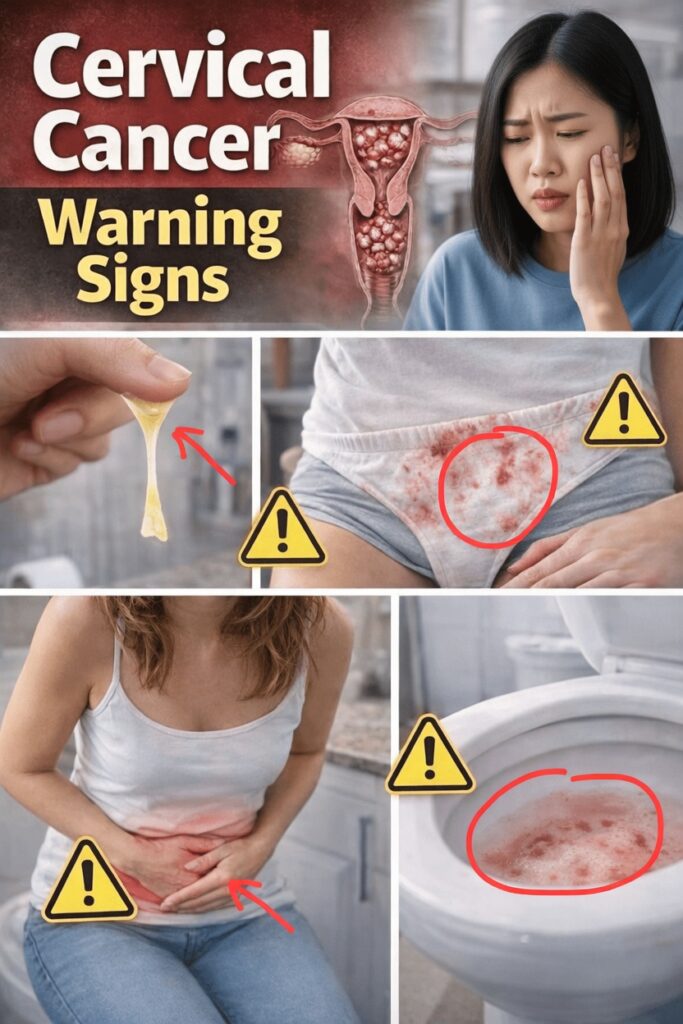
9 Subtle Cervical Cancer Warning Signs Many Women Miss
Many women move through their routines without realizing that small, easily overlooked body changes can point to something serious—like cervical cancer. In its earliest stages, cervical cancer often develops silently, with few or no obvious symptoms. That’s why so many cases are detected later than ideal.
Abnormal vaginal bleeding, unusual discharge, or ongoing discomfort can feel embarrassing to talk about or easy to blame on hormones, stress, or a minor infection. But ignoring these signals can give potential problems time to progress. The encouraging news: awareness and regular cervical screening can dramatically improve outcomes. Recognizing changes early puts you in a stronger position to act.
In this article, we’ll walk through nine commonly missed early signs of cervical cancer, based on trusted health organizations, along with practical steps to protect your health. Stay with it to the end for a key tip that could change how you approach routine screenings.
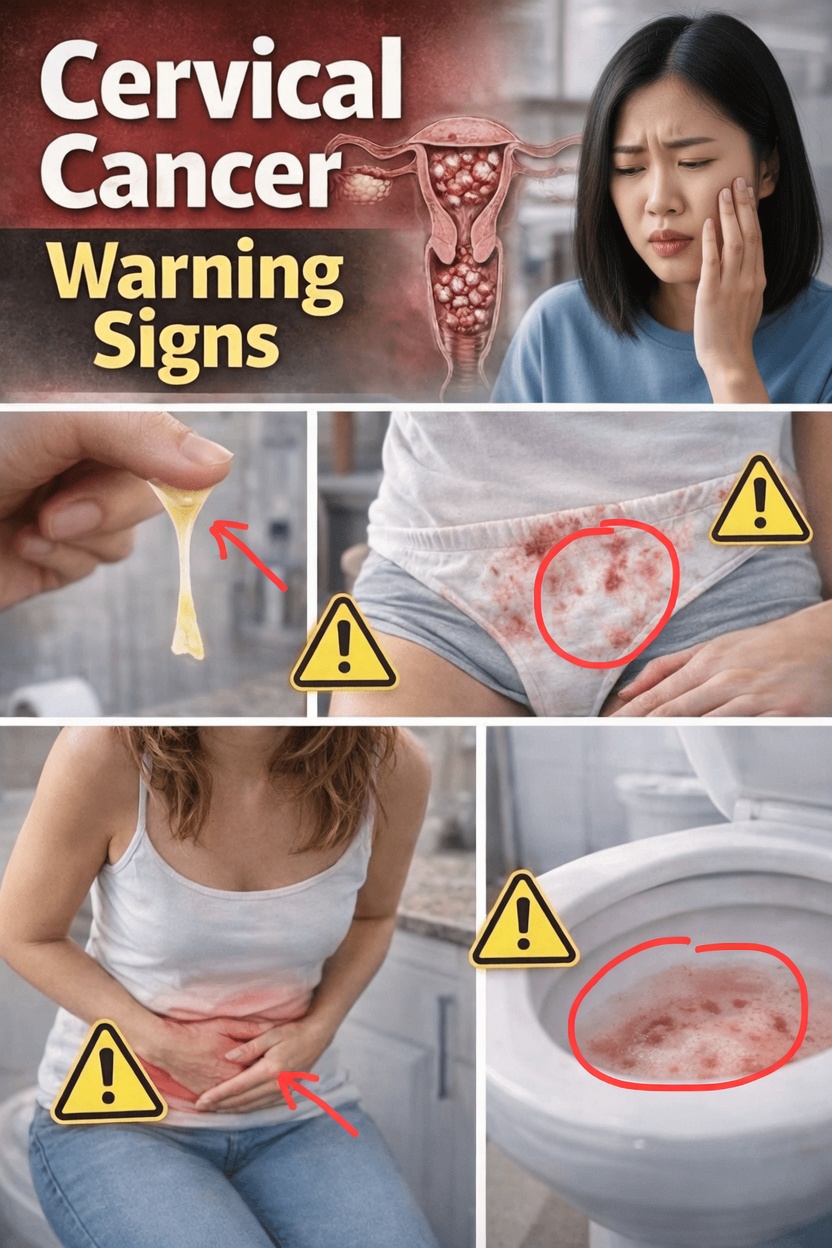
Why Early Awareness of Cervical Cancer Matters
Cervical cancer is strongly associated with long-term infection by certain high-risk types of human papillomavirus (HPV), a very common sexually transmitted virus. Data from the World Health Organization and other leading bodies show:
- Most HPV infections clear on their own.
- A smaller number persist, causing abnormal cell changes that can eventually develop into cervical cancer.
The challenge is that early-stage cervical cancer usually causes no noticeable symptoms. That’s why regular Pap tests and HPV tests are emphasized so strongly—they can detect abnormal cells before cancer develops or spreads.
When symptoms do appear, they’re more likely to show up as the disease advances. Knowing what to look for can help you start a conversation with your healthcare provider sooner rather than later.
Research consistently shows that routine cervical screening significantly lowers the risk of advanced cervical cancer by catching precancerous changes early. Yet many women overlook subtle signs because it’s hard to know what’s “normal” and what deserves a check-up.
9 Early Cervical Cancer Symptoms You Shouldn’t Ignore
Below are nine warning signs frequently mentioned by reputable sources such as Mayo Clinic, the American Cancer Society, and Cleveland Clinic. On their own, these symptoms do not prove you have cervical cancer—many are caused by infections, hormonal shifts, or other benign conditions. However, if they persist, get worse, or feel unusual for you, it’s important to get evaluated.
-
Abnormal Vaginal Bleeding
This is one of the most common early warning signs of cervical cancer. You may notice:- Spotting or bleeding between periods
- Menstrual periods that are heavier or last longer than usual
- Bleeding after sexual intercourse
- Any vaginal bleeding after menopause
Even very light, occasional spotting can be a red flag if it’s new or recurring.
-
Unusual Vaginal Discharge
Changes in discharge are common but often brushed off. Concerning patterns can include:- Watery or blood-tinged discharge
- Pink, brown, or rust-colored discharge between periods
- A sudden increase in the amount of discharge
- A strong or foul odor
Any new discharge that stands out from your usual pattern—especially after menopause—should be discussed with a clinician.
-
Pain During or After Sex (Dyspareunia)
New or worsening pain with intercourse can be distressing and is easy to ignore out of embarrassment. Discomfort may be related to changes in the cervix or surrounding tissues and warrants a medical check, particularly if it’s persistent. -
Pelvic Pain or Pressure
A constant ache, heaviness, or sharp pain in the lower abdomen or pelvic area can initially feel like regular menstrual cramps. If the discomfort:- Persists outside your normal cycle
- Has no clear explanation
- Gradually worsens
it should be evaluated rather than dismissed.
-
Lower Back or Leg Pain
As cervical cancer advances, it can sometimes put pressure on nerves or surrounding structures. This may lead to:- Unexplained lower back pain
- Pain that radiates into the hips or down one or both legs
Many people blame this on posture, exercise, or work strain, but ongoing pain without a clear cause should be checked.
-
Frequent or Painful Urination
Cervical changes can sometimes affect nearby urinary structures, leading to:- Needing to urinate more often
- A strong sense of urgency
- Burning or discomfort during urination
- Blood in the urine
While urinary infections are common, recurrent or persistent urinary symptoms deserve a full assessment.
-
Unexplained Fatigue
Feeling unusually tired all the time, even when you’re sleeping well, can signal many health issues, including cancers. When fatigue is:- Out of proportion to your activity
- Ongoing for weeks
- Accompanied by other symptoms like abnormal bleeding or pain
it’s important to bring it up with your healthcare provider.
-
Abdominal Bloating or Swelling
Regular bloating around your period or after certain foods is common. But:- Persistent bloating
- A sense of fullness or swelling in the abdomen
- Clothes fitting tighter around the waist without weight gain
can occasionally point to pelvic or gynecologic concerns, including cervical or other reproductive cancers.
-
Changes in Bowel Habits
In more advanced cases, cervical cancer can affect the bowel. Warning signs may include:- New constipation or difficulty passing stool
- Rectal bleeding
- A feeling of incomplete bowel movements
- Unexplained changes in stool frequency or consistency
While digestive issues have many causes, sudden or ongoing changes should be evaluated.
Many of these symptoms overlap with less serious problems such as infections, fibroids, endometriosis, or hormonal shifts. That overlap is exactly why professional evaluation—not self-diagnosis—is so important.

Normal vs. Concerning: A Quick Mental Checklist
Use this simple comparison to help you decide when something might be worth checking:
-
Vaginal discharge
- Typically normal: Clear or white, mild odor, changes slightly throughout your cycle.
- Possibly concerning: Watery like fluid, bloody or brown, significantly heavier, or noticeably foul-smelling.
-
Vaginal bleeding
- Typically normal: Periods that are regular for you in timing and flow.
- Possibly concerning: Bleeding between periods, after sex, after menopause, or periods that are much heavier or longer than usual.
-
Pelvic sensations
- Typically normal: Mild cramps or discomfort only around your period.
- Possibly concerning: Persistent or recurrent pelvic pain or pressure that doesn’t seem tied to your cycle.
Keep these comparisons in mind during your monthly self-check or whenever you notice changes.
Practical Steps to Protect Your Cervical Health
You can take simple, effective actions right now to reduce your risk and catch issues early.
-
Stay Up to Date on Cervical Screening
- Many guidelines recommend starting Pap tests at age 21.
- From age 21–29: Pap test every 3 years (if results are normal).
- From age 30 and above: Pap test combined with HPV testing every 5 years, or Pap alone every 3 years, depending on local guidelines and your medical history.
Always confirm the best schedule for you with your healthcare provider.
-
Track Your Symptoms
Use a notes app, calendar, or journal to record:- Changes in bleeding or spotting
- Discharge characteristics
- Pain (location, timing, severity)
- Fatigue and energy levels
Patterns over time can give your doctor crucial clues.
-
Consider the HPV Vaccine if Eligible
HPV vaccination is most effective when given before sexual activity begins, but many adults can still benefit. Ask your provider whether the HPV vaccine is recommended for your age and situation. -
Practice Safer Sex
While condoms don’t completely eliminate HPV risk, consistent use can lower the chances of transmission. Limiting the number of sexual partners can also reduce exposure to high-risk HPV types. -
Listen to Your Body and Advocate for Yourself
If something feels “off” for more than a couple of weeks, schedule an appointment—even if the symptom seems minor or embarrassing. Trust your instincts and speak up if you feel your concerns are being minimized.
Small, consistent steps—screening, vaccination, and self-awareness—add up to substantial protection over time.
What Experts Emphasize About Prevention
Leading organizations such as the Centers for Disease Control and Prevention (CDC) and the World Health Organization (WHO) consistently highlight that cervical cancer is one of the most preventable cancers. The main reasons:
- Screening works: Routine Pap and HPV tests can detect abnormal cervical cells long before they become cancerous.
- Vaccination helps: HPV vaccines protect against the most common high-risk HPV types responsible for cervical cancer.
- Early detection changes outcomes: When cervical cancer is found at an early stage, treatment is often simpler and success rates are high.
Staying informed, staying screened, and staying vaccinated where possible are three of the most powerful tools you have.

Conclusion: Pay Attention, Not Panic
Being aware of these nine early symptoms of cervical cancer is not about assuming the worst—it’s about respecting your body and responding to changes. Cervical cancer usually develops slowly over years, which means there is often a wide window for prevention and early treatment if issues are found in time.
Prioritize your routine cervical screenings, keep track of what’s normal for you, and seek medical advice when something doesn’t feel right. Taking these steps is an investment in your long-term health—and you are absolutely worth that effort.
Frequently Asked Questions
1. What is the most common early symptom of cervical cancer?
Abnormal vaginal bleeding is the symptom most often reported in early cervical cancer. This can include bleeding between periods, after sex, or any vaginal bleeding after menopause.
2. Can cervical cancer be detected before symptoms appear?
Yes. Routine Pap tests and HPV tests can identify precancerous changes and early cervical cancer before noticeable symptoms develop. That’s why staying current with screening is so important.
3. How often should I get screened for cervical cancer?
Recommendations can vary by country and your personal medical history, but many guidelines suggest:
- Start Pap tests at age 21.
- Ages 21–29: Pap test every 3 years (if results are normal).
- Ages 30 and older: Pap plus HPV test every 5 years, or Pap alone every 3 years.
Always talk with your healthcare provider about the schedule that best fits your age, risk factors, and past test results.