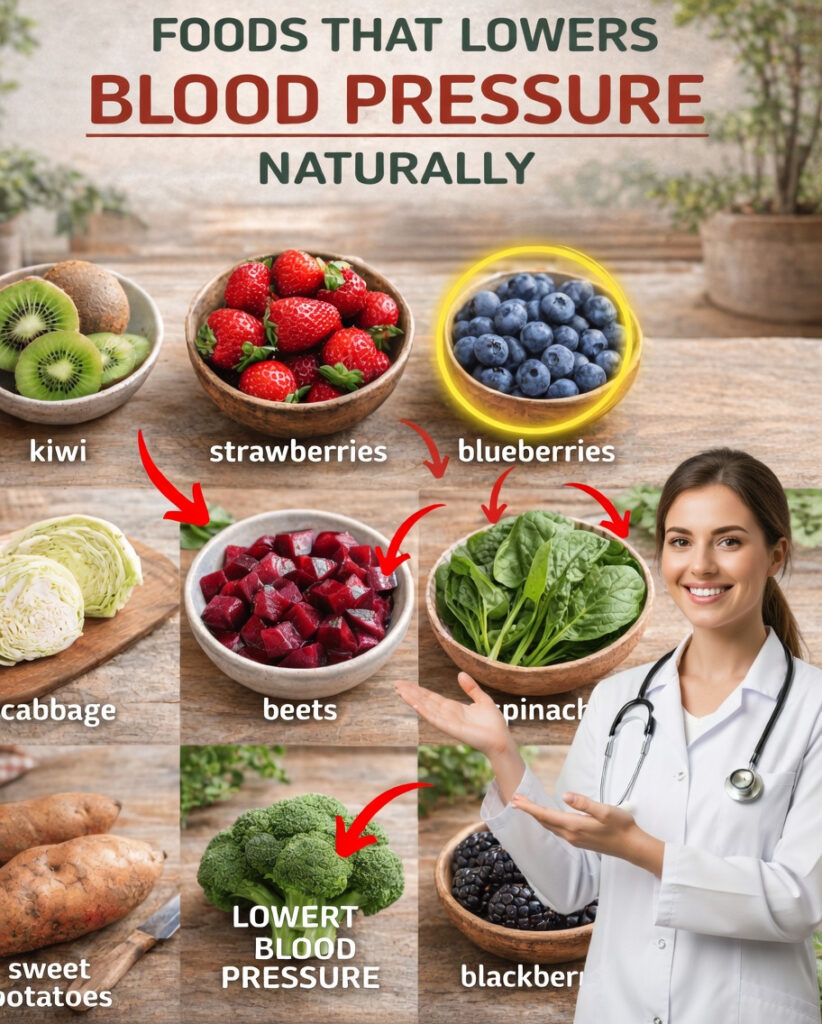
9 Everyday Foods That May Help Support Healthy Blood Pressure
Many people feel a quiet sense of stress each time they see their blood pressure reading at a clinic or on a home monitor. Concerns about heart health, low energy, and the possibility of numbers continuing to rise can become emotionally exhausting. The good news is that simple, daily food choices may help support healthier blood pressure when paired with other healthy habits.
This guide highlights nine flavorful, affordable, and easy-to-find foods that research has connected with blood pressure support. At the end, you’ll also learn one often-overlooked preparation tip that can make a real difference.
Why Diet Plays an Important Role in Blood Pressure
Blood pressure does not depend on just one thing. It is shaped by several lifestyle factors, including:
- Sodium intake
- Stress levels
- Physical activity
- Sleep quality
- Overall nutrient intake
Certain nutrients are especially important in blood pressure research, including:
- Potassium
- Magnesium
- Nitrates
- Antioxidants
- Fiber
These compounds are often linked to healthier blood vessel function, better fluid balance, and improved cardiovascular support. Best of all, many of them are found in common fruits and vegetables that are already available in most grocery stores.
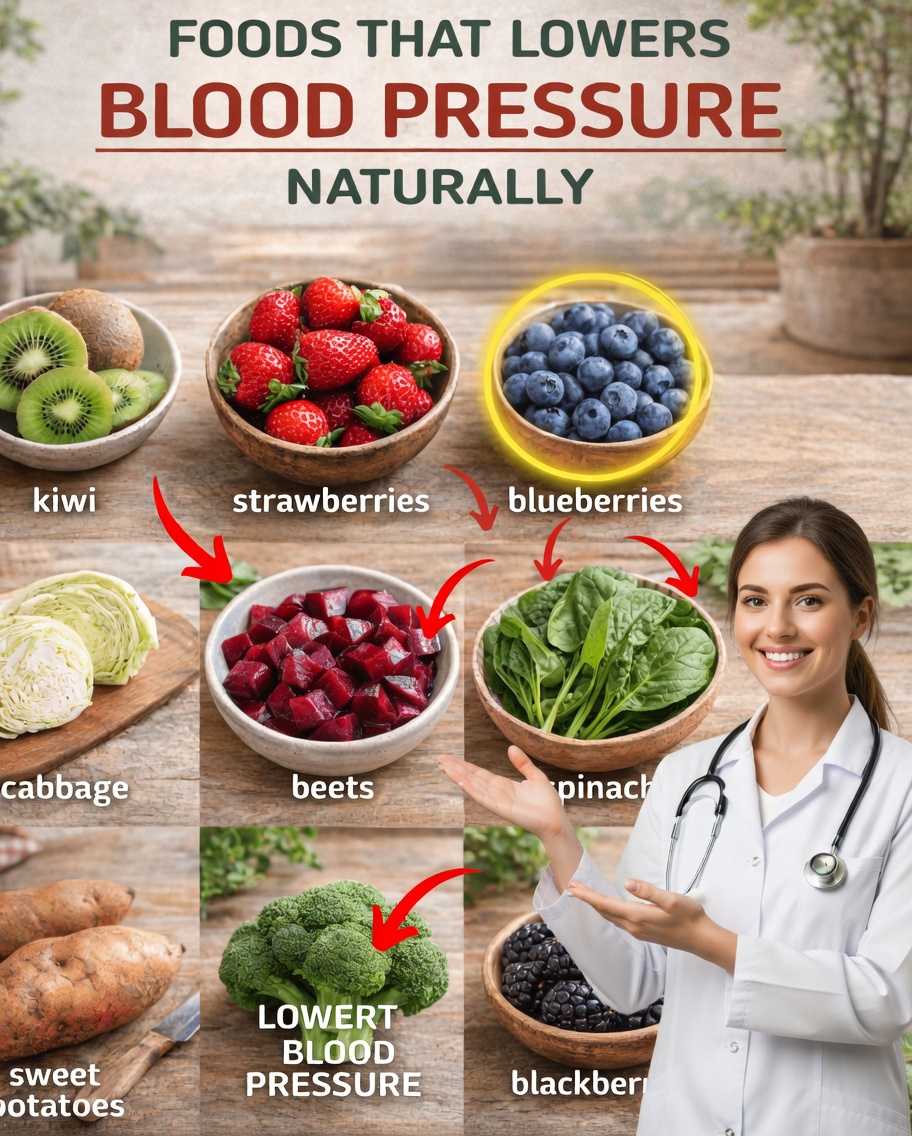
1. Beets – A Natural Source of Nitrates
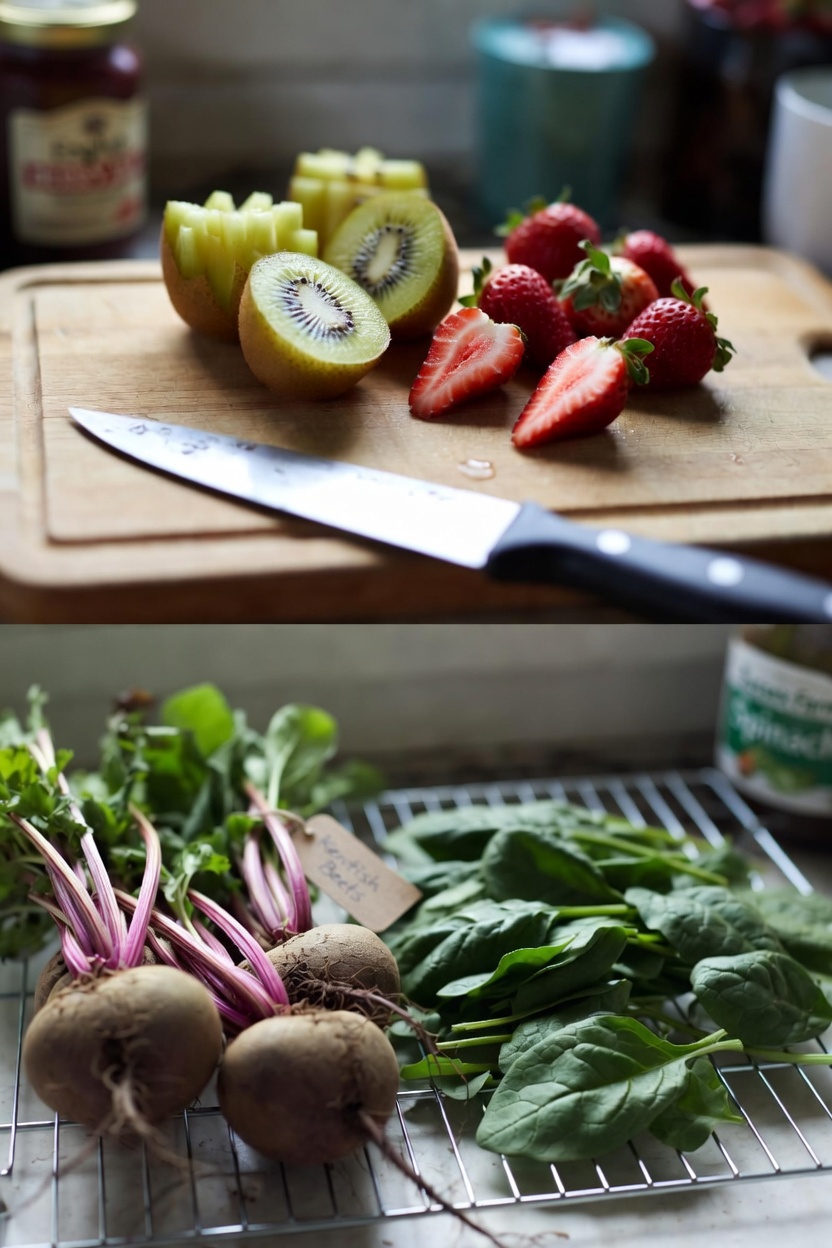
Beets are among the most studied foods for supporting healthy blood pressure. Their naturally occurring nitrates are converted in the body into nitric oxide, a compound that helps blood vessels relax and widen. This may contribute to healthier blood pressure readings.
Some studies on beet juice and cooked beets have shown measurable effects in just a few hours for certain participants.
Easy serving idea:
- Roast beets with a little olive oil
- Add them to salads
- Blend them into smoothies with berries for a surprisingly pleasant flavor combination
2. Spinach – Rich in Magnesium and Potassium
Spinach and other dark leafy greens offer an excellent mix of magnesium and potassium, two minerals that help support normal blood vessel function and reduce the impact of excess sodium.
A generous handful of fresh spinach can provide around 15–20% of daily magnesium needs, which matters because many adults do not get enough of this mineral.
Simple ways to eat more spinach:
- Add it to omelets
- Layer it into sandwiches or wraps
- Blend it into fruit smoothies for a nearly undetectable nutrition boost
3. Blueberries – Small but Packed with Flavonoids
Blueberries are loaded with anthocyanins, the natural plant compounds responsible for their deep blue color. Research has linked regular intake of blueberries and similar dark berries with improved blood vessel flexibility and more favorable blood pressure patterns over time.
They also offer other advantages:
- Naturally low in sodium
- Good source of fiber
- Easy to use in meals and snacks
Practical tip: Keep frozen blueberries in your freezer. They are just as nutritious and work well in yogurt bowls, oatmeal, and smoothies.
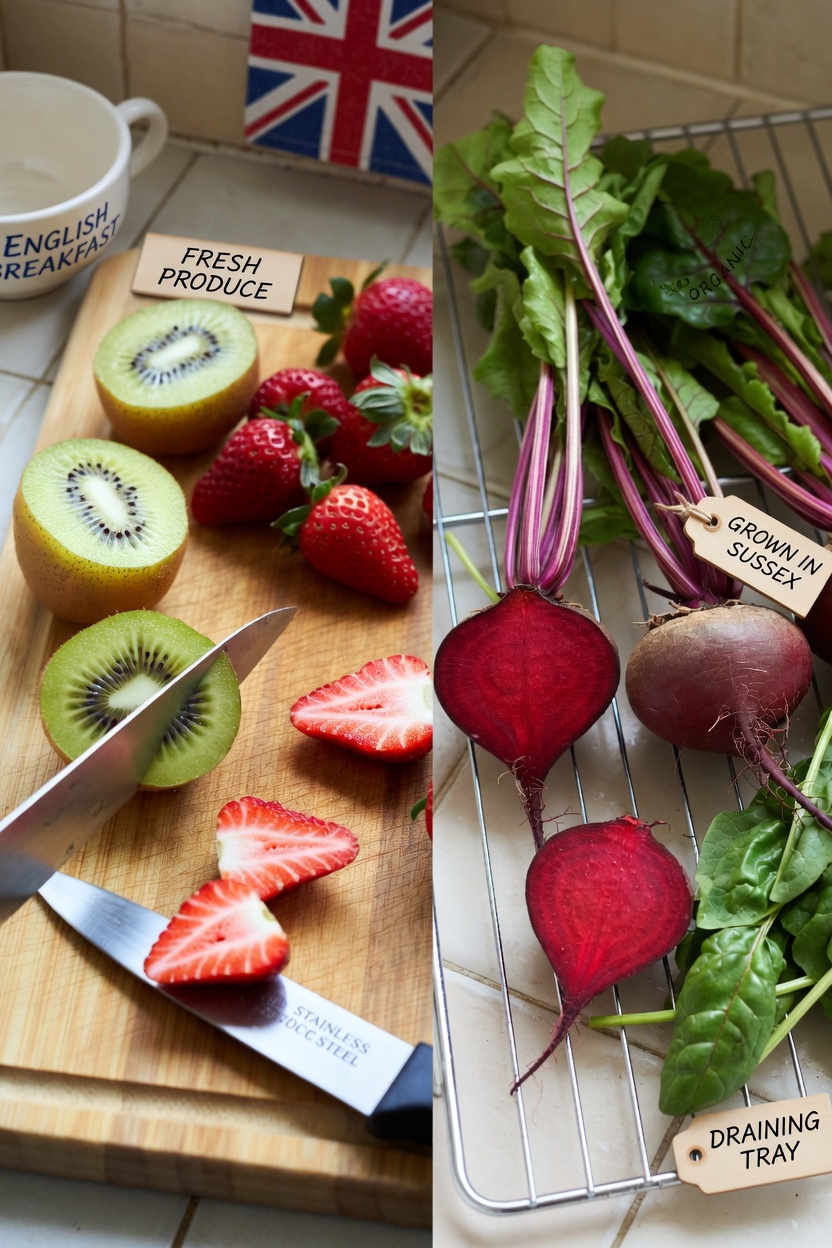
4. Kiwifruit – A Strong Vitamin C and Potassium Pair
Kiwifruit has been studied specifically for blood pressure support. In several small studies, people who ate two kiwis per day experienced meaningful reductions in both systolic and diastolic blood pressure after about 7 to 8 weeks.
Kiwis also provide:
- High amounts of vitamin C
- A useful amount of potassium
- A refreshing, easy-to-eat snack option
Storage tip: Buy kiwis while they are still firm and let them ripen at room temperature. They taste best when they give slightly when pressed.
5. Broccoli – Helpful for Blood Vessel Health
Broccoli is known for its fiber, but it also contains beneficial sulfur compounds such as sulforaphane. These substances are associated with healthy inflammation balance and better vascular function.
The way broccoli is cooked matters. Steaming or light sautéing helps preserve more of its beneficial compounds than boiling for long periods.
Fast meal idea:
- Chop broccoli into small florets
- Toss with garlic and a splash of low-sodium soy sauce
- Roast or air-fry at 400°F for about 15 minutes
6. Sweet Potatoes – High Potassium, Very Low Sodium
A medium sweet potato with the skin on can contain more potassium than a banana, while staying naturally low in sodium. Potassium helps the body manage and remove excess sodium, which is one of the key ways it supports healthy blood pressure.
Sweet potatoes also provide:
- Fiber
- Beta-carotene
- Long-lasting satisfaction
Tasty preparation idea: Bake whole sweet potatoes and top them with cinnamon, crushed walnuts, and a small drizzle of almond butter.
7. Strawberries – Budget-Friendly and Heart-Friendly
Strawberries are another berry rich in anthocyanins, making them a smart option for supporting blood vessel health. They are often more affordable than many other berries and freeze well for year-round use.
One cup of strawberries delivers more than 100% of daily vitamin C needs, which is another nutrient linked to cardiovascular support.
Quick serving suggestion: Spoon sliced strawberries over plain Greek yogurt and finish with chia seeds.
8. Blackberries – Fiber and Anthocyanins in One Fruit
Blackberries may not get as much attention as blueberries, but they are also rich in anthocyanins and fiber. In some cases, they can contain even more of these colorful compounds than other berries.
Their sweet-tart taste makes them versatile in both sweet and savory dishes.
Creative breakfast idea: Mix blackberries into chia pudding prepared the night before for an easy ready-to-eat morning meal.
9. Cabbage – An Affordable Potassium Source
Cabbage is often overlooked, yet it is inexpensive, stores well for a long time, and provides a useful amount of potassium with very little sodium. Fermented cabbage, such as sauerkraut, may also offer probiotic benefits for gut health, though low-sodium options are the better choice.
Simple recipe idea: Make a quick slaw with:
- Shredded cabbage
- Grated carrot
- Apple cider vinegar
- A little honey
- Black pepper
5 Easy Ways to Start Today
If you want to begin supporting healthier blood pressure through food, start with small realistic changes like these:
- Replace one salty side dish each day with a fruit or vegetable high in potassium.
- Try to include 2–3 servings of berries or kiwi throughout the week.
- Keep frozen spinach or mixed berries in your freezer for quick smoothies.
- Prep beets and sweet potatoes in advance so they are ready to grab and serve.
- Use herbs, lemon, garlic, and spices instead of adding extra salt.
The Preparation Tip Many People Overlook
There is one detail many people miss: how you cook these foods can affect how beneficial they are.
Gentle methods such as:
- Light steaming
- Moderate roasting
- Eating foods raw when appropriate
can help preserve important nutrients better than prolonged boiling or high-heat frying.
This matters because key compounds can be lost during cooking. For example, one study found that boiling beets may cause up to 25% of their nitrates to leach into the cooking water. Since nitrates are one of the main reasons beets are associated with blood pressure support, that is a significant loss.
The same idea applies to nutrients like:
- Vitamin C in kiwi and berries
- Magnesium in spinach
- Beneficial plant compounds in broccoli
Better approach: Steam greens or beets for about 8–12 minutes, or roast them at a moderate temperature. This helps keep more of the useful nutrients in the food instead of losing them in the cooking process.
Frequently Asked Questions
How fast can these foods affect blood pressure?
Some foods, especially nitrate-rich beets, may show effects within hours in certain people. Others, such as berries and leafy greens, usually appear to offer benefits after several weeks of regular intake.
Do I need to eat all nine foods every single day?
No. You do not need to include all of them daily. Rotating just three or four of these foods through your weekly meals can still provide a broad range of helpful nutrients.
Can these foods replace blood pressure medication?
No. These foods can support an overall heart-healthy lifestyle, but they are not a substitute for prescribed medication. Never stop or change your treatment without first talking to your doctor.
Final Thoughts
Making small, enjoyable improvements to your meals can be one of the most practical and empowering ways to support long-term heart health. You do not need to change everything at once. Start with one or two foods from this list that you already enjoy, and build from there.
Your heart will appreciate every step.