Don’t Ignore These 8 Silent Warning Signs: Your Body May Be Signaling a Stroke Before It Happens
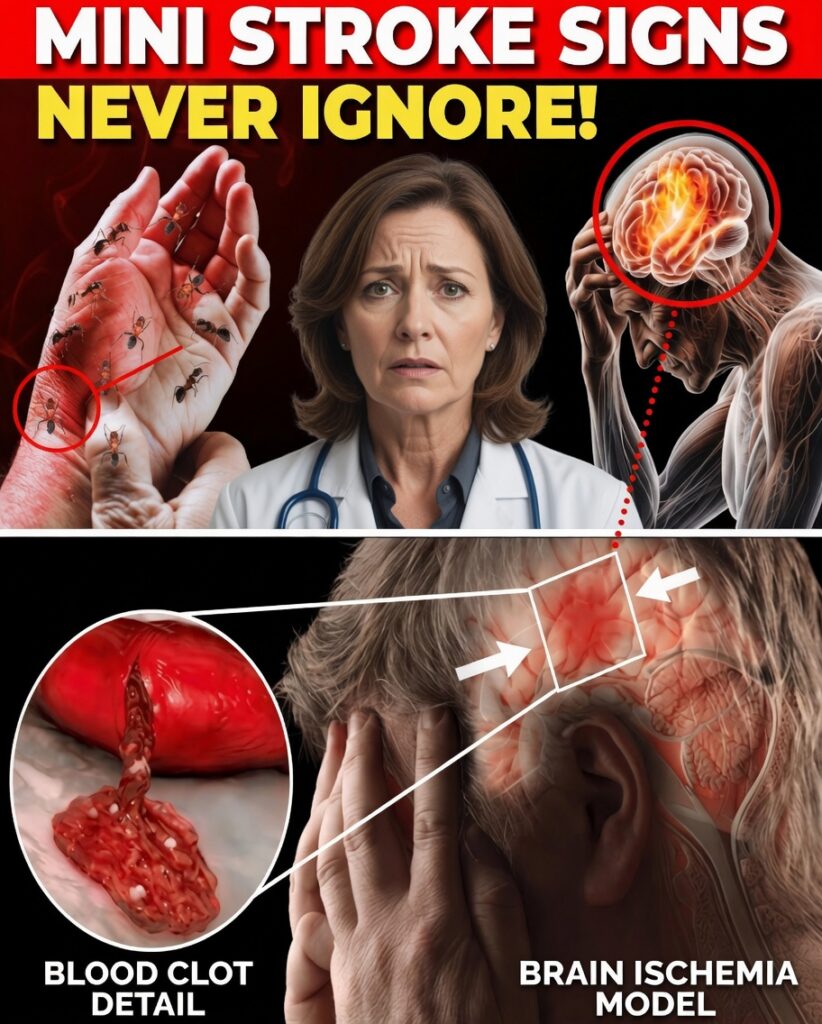
Small, fleeting changes can be easy to dismiss—especially in older adults. Maybe a loved one pauses mid-sentence, looks briefly confused, then seems perfectly fine seconds later. It’s tempting to blame stress, fatigue, or “just aging.” But in some cases, these subtle episodes can be early warnings of a future stroke.
A short-lived neurological event may be a transient ischemic attack (TIA)—often called a “mini-stroke.” Symptoms can disappear quickly, but the message is serious: blood flow to the brain may have been temporarily reduced, and a major stroke could follow.
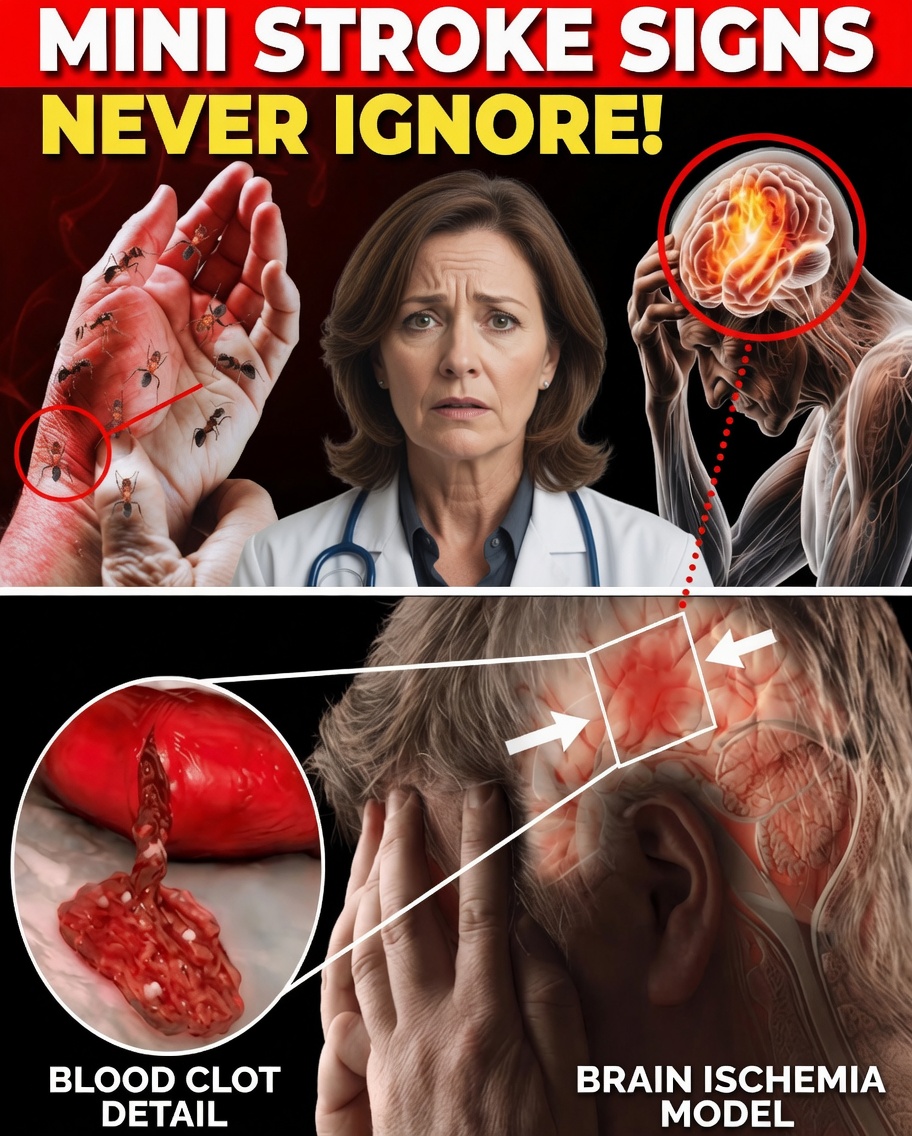
8 Stroke Warning Signs You Should Never Overlook
1) Sudden Weakness in One Arm or Leg
If someone suddenly can’t grip properly, drops an item, or struggles to lift a limb—even briefly—it may indicate a disruption in brain circulation.
2) Slurred Speech or Trouble Speaking
Words may sound unclear, sentences may not make sense, or the person may suddenly have difficulty finding the right words. This is a major red flag.
3) Sudden Vision Changes
Blurred vision, double vision, or temporary loss of sight in one or both eyes should always be treated as urgent.
4) Brief Confusion or Memory Gaps
A moment of disorientation, trouble following a conversation, or forgetting familiar information can be a sign of a TIA.
5) Dizziness or Loss of Balance
Sudden unsteadiness, difficulty walking, or a spinning sensation can be linked to impaired blood supply in parts of the brain that control balance.
6) Facial Drooping on One Side
An uneven smile or noticeable droop on one side of the face is one of the classic stroke indicators.
7) A Sudden, Severe Headache
A powerful headache that appears abruptly—especially without an obvious cause—can point to a vascular problem and should not be ignored.
8) Numbness or Tingling on One Side
A “pins and needles” feeling, especially when it affects one side of the body, can be another important warning sign.
What to Do Immediately: Act FAST
Even if symptoms last only a minute, treat them as an emergency. Use the FAST method:
- Face: Is one side drooping?
- Arm: Is one arm weak or drifting downward?
- Speech: Is speech slurred or strange?
- Time: Call emergency services right away
Getting help quickly—especially within the first hour—can significantly reduce the chances of severe damage from a full stroke.
Natural Prevention Tips to Support Brain and Blood Vessel Health
Medical evaluation is essential, but daily habits can support overall cardiovascular and brain health:
- Choose heart-healthy foods: leafy greens, berries, garlic, turmeric, and omega-3-rich fish
- Move every day: aim for about 30 minutes of gentle activity (walking, cycling, swimming)
- Cut back on salt to support healthy blood pressure
- Stay hydrated and avoid heavy alcohol intake
- Consider herbal support carefully: ginkgo biloba (circulation support) or green tea (antioxidants)
Important: Always consult a healthcare professional before using herbs or supplements—especially if you take medications (such as blood thinners) or manage chronic conditions.
Key Takeaway
A mini-stroke is not “nothing.” It can be a critical warning that a major stroke may be on the horizon. By recognizing early symptoms, responding immediately, and supporting long-term vascular health, many strokes can be prevented.
Pay attention today—protect tomorrow.