Extreme Fatigue, Blurred Vision, or Dizziness? These Signs Can Appear Before a Stroke — Learn How to Protect Your Brain Naturally
What if your body were trying to warn you about a stroke weeks before it happens? A small change—like a sudden headache or a brief moment of confusion—may seem harmless, but it can be a meaningful signal that your brain needs attention.
Stroke is a serious medical condition. The encouraging part is that, in some cases, early warning signs show up in advance. Knowing how to recognize them can help you act sooner. Read to the end to learn 8 warning signs you shouldn’t ignore and 9 practical habits that can lower stroke risk.
What Is a Stroke (and Why Early Clues Matter)?
A stroke occurs when blood flow to part of the brain is blocked (ischemic stroke) or when a blood vessel bursts (hemorrhagic stroke). Without oxygen, brain cells can be damaged or die within minutes. Globally, stroke is a leading cause of disability and death—especially among adults over 65, although it can occur at any age.
Several factors significantly raise risk, including:
- High blood pressure
- Diabetes
- Smoking
- Family history of stroke
- Other cardiovascular risk factors (such as high cholesterol)
The challenge is that many people dismiss early symptoms as “just stress,” “fatigue,” or “something temporary.” That delay can mean missing an important opportunity to seek medical care and prevent a more severe event.
8 Early Warning Signs That Can Appear Up to a Month Before a Stroke
8. Unusual, Persistent Fatigue
Feeling exhausted without a clear reason, even after resting, can be a subtle sign. Some research suggests that intense fatigue—particularly in women—may be linked to changes in cerebral blood flow.
7. Sudden Changes in Vision
Episodes of blurry vision, double vision, or sudden difficulty seeing in one or both eyes may come and go. These can be related to a transient ischemic attack (TIA)—often called a “mini-stroke”—which sometimes precedes a larger stroke.
6. Dizziness or Loss of Balance
Frequent dizziness, feeling unsteady, or trouble maintaining balance can signal circulation issues affecting the brain.
5. A Sudden, Unexplained Headache
An intense headache that feels different from your usual pattern, especially if it appears suddenly, can be a warning sign. In some cases, it may be associated with changes in blood vessels within the brain.
4. Trouble Speaking or Understanding Speech
Slurred speech, difficulty finding words, or not understanding what others are saying may be a serious signal—even if it resolves quickly.
3. Weakness or Numbness (Often on One Side)
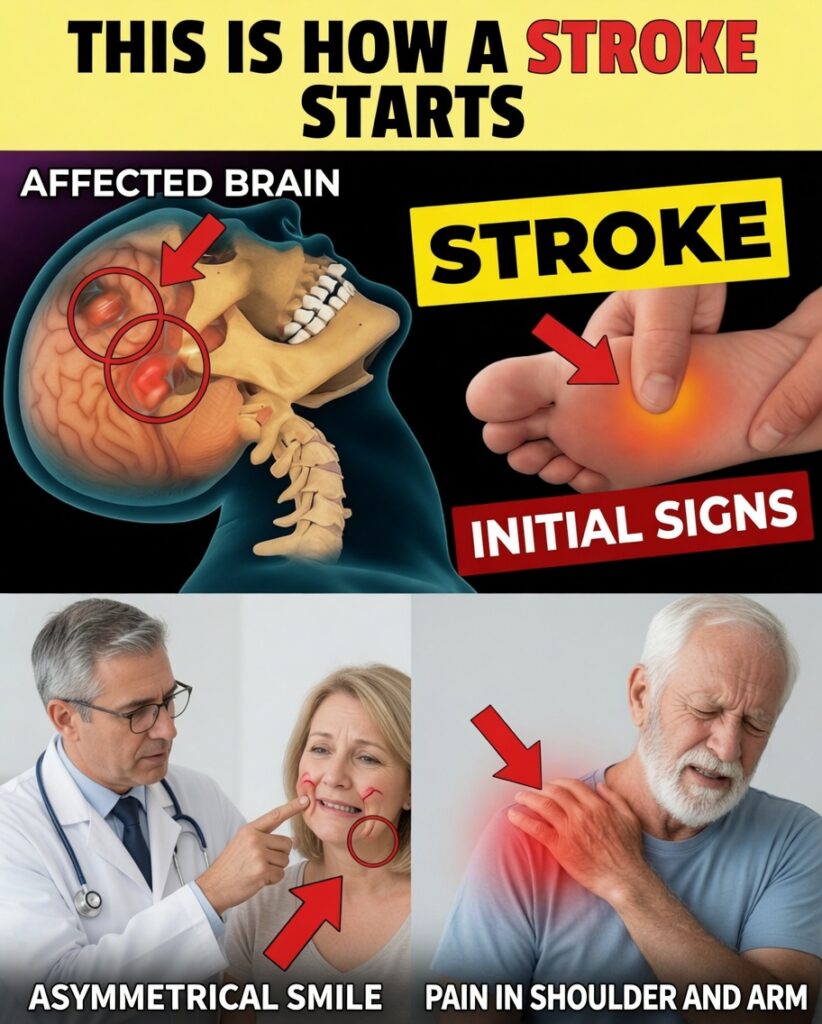
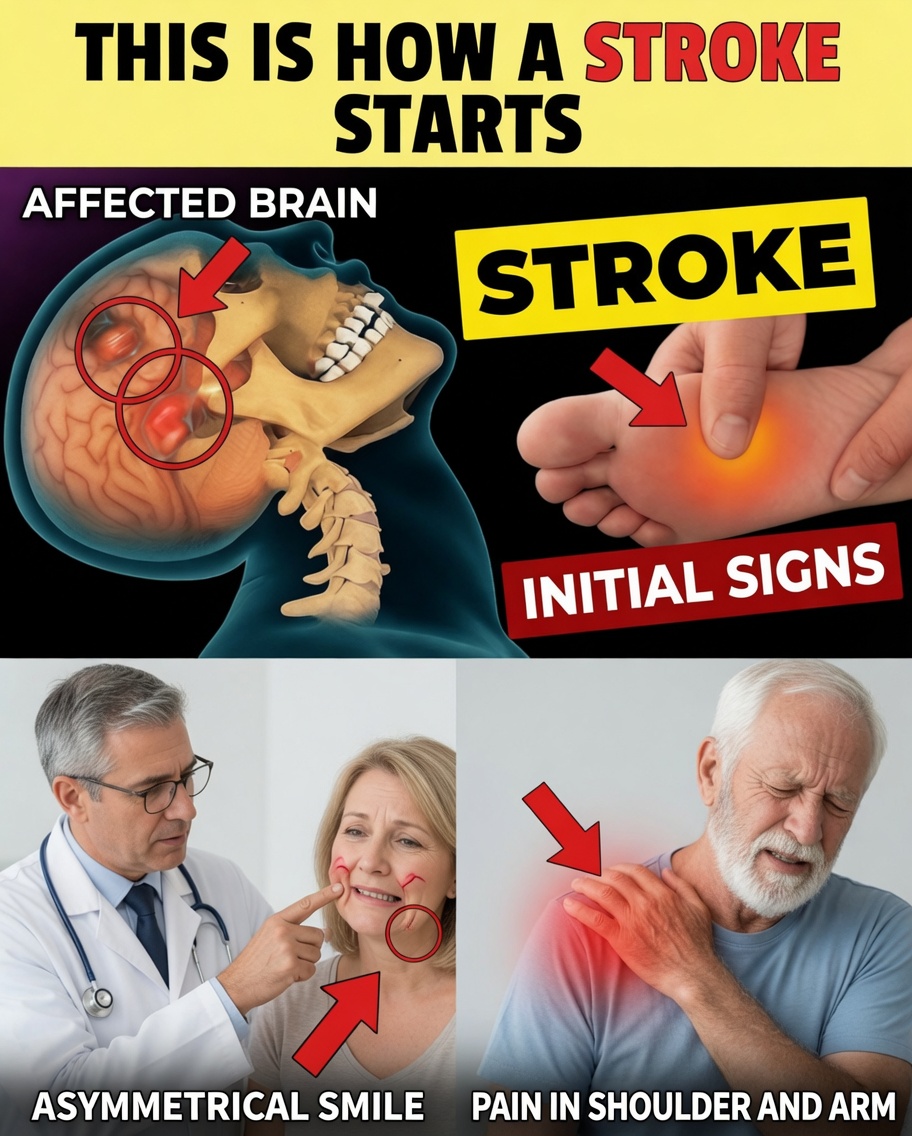
A sudden feeling of weakness or numbness in the face, arm, or leg—especially on one side of the body—can indicate that a region of the brain isn’t getting enough blood.
2. Confusion or Memory Problems
Brief confusion, trouble concentrating, or forgetting simple things may reflect temporary changes in brain blood flow.
1. Sudden Coordination Problems
Difficulty walking, dropping objects more often, or feeling like your body “isn’t responding correctly” can be an urgent red flag.
When to Seek Help
If you notice any of these symptoms—even if they fade within minutes—seek medical guidance as soon as possible. Early evaluation can be critical for prevention and treatment.
9 Practical Ways to Lower Your Stroke Risk
- Keep blood pressure under control. High blood pressure is one of the biggest stroke risk factors.
- Eat a balanced, heart-healthy diet. Emphasize fruits, vegetables, whole grains, fish, and olive oil.
- Move your body regularly. Even daily walks can make a meaningful difference.
- Avoid smoking. Tobacco damages blood vessels and increases clot risk.
- Manage stress consistently. Breathing exercises and meditation can help reduce strain on the cardiovascular system.
- Drink alcohol in moderation. Excess alcohol can raise blood pressure.
- Stabilize blood sugar levels. This is especially important for people with diabetes.
- Prioritize quality sleep. Sleeping fewer than 7 hours per night may increase cardiovascular risk.
- Know your health numbers. Track blood pressure, cholesterol, and glucose regularly to identify risk early.
Small Daily Changes Can Protect Your Future
Simple steps add up: swap a sugary snack for fruit, take a short walk after dinner, or add extra vegetables to your meals. Choose one habit to start this week and build from there—protecting your health now can safeguard your future.
Important Note
This article is for informational purposes only and does not replace professional medical advice. If you have symptoms or concerns, consult a qualified healthcare professional.