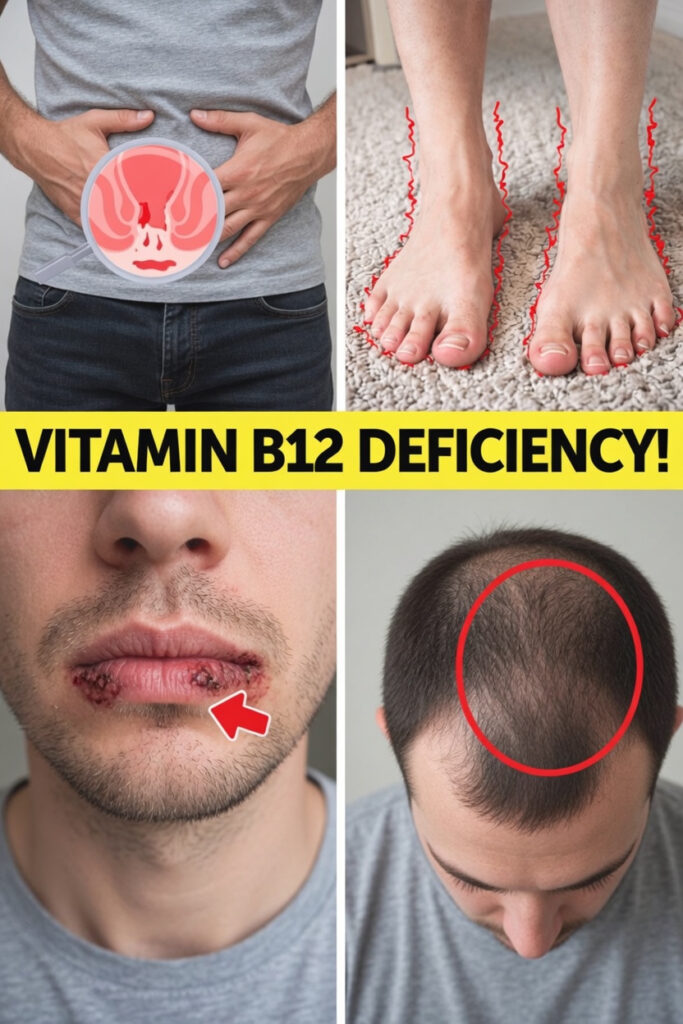
Always Tired Even After Sleeping Well? It Could Be a Vitamin B12 Warning Sign
Do you feel exhausted all the time, even when you seem to get enough rest? It is easy to blame low energy, skin changes, or nerve-related discomfort on stress, a packed schedule, or getting older. However, these small but persistent symptoms may sometimes signal an underlying issue, such as a vitamin B12 deficiency.
Vitamin B12 is essential for making red blood cells, supporting nerve health, and helping the body produce energy efficiently. Medical organizations such as the Cleveland Clinic and Mayo Clinic note that a deficiency often develops slowly, which makes the symptoms easy to miss at first. The encouraging part is that early awareness and a conversation with your healthcare provider can help prevent more serious problems. At the end of this article, you will also find simple ways to support healthy B12 levels naturally.
Why Vitamin B12 Is So Important
Also called cobalamin, vitamin B12 is involved in several vital body functions. It helps create healthy red blood cells, supports DNA synthesis, and protects the nervous system by maintaining the coating around nerves. When B12 levels fall, the body may struggle to perform these tasks properly.
Low B12 can happen for different reasons, including limited dietary intake, poor absorption, and the use of certain medications. Research shows the risk is higher in older adults, vegetarians, vegans, and people with digestive disorders.
What makes B12 deficiency difficult to spot is that the symptoms often resemble common issues like stress, overwork, or general fatigue. Because of that, many people delay getting checked. Below are some less obvious signs that studies have connected to low vitamin B12.
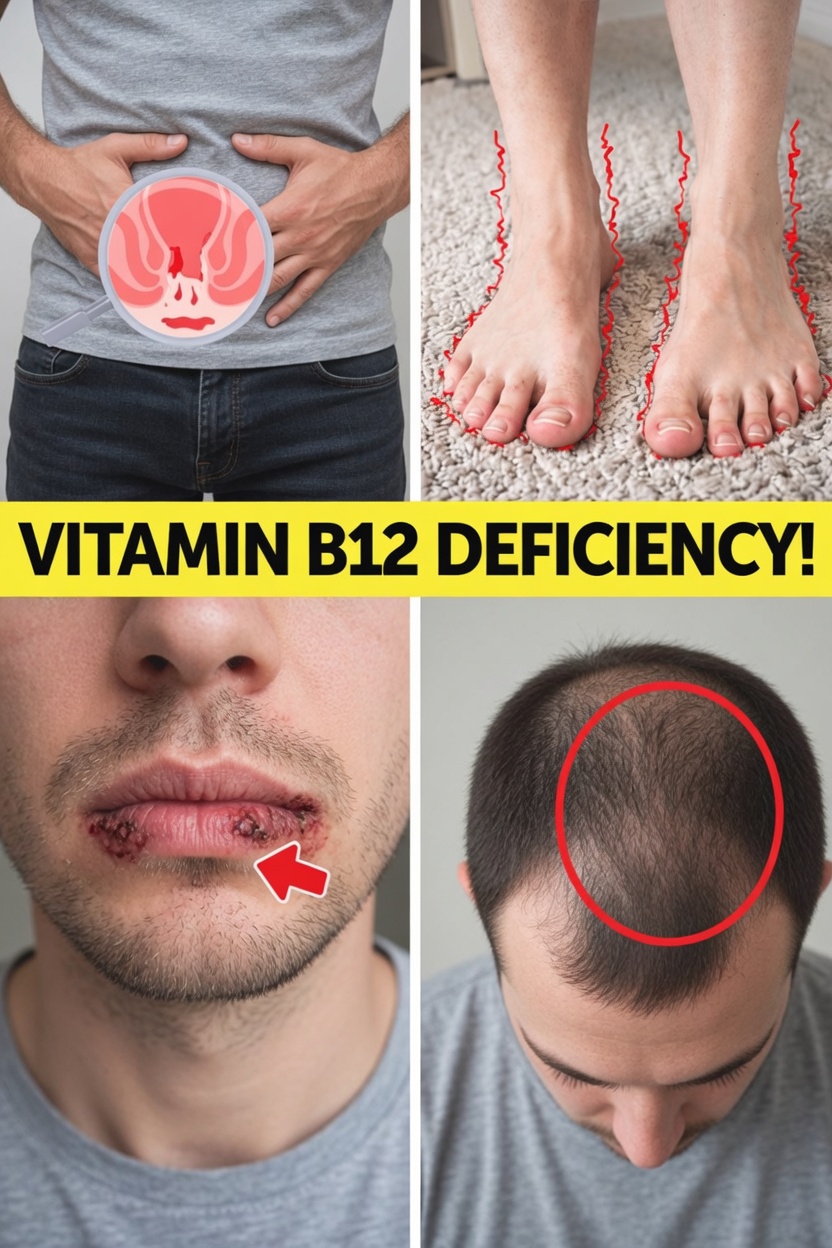
1. Ongoing Tingling or Numbness in the Hands and Feet
A frequent but often dismissed symptom is a pins-and-needles feeling in the hands, feet, or legs. You may notice it after sitting in one position for too long or when you wake up in the morning. This happens because vitamin B12 is needed to maintain the myelin sheath, the protective layer that surrounds nerves. When this layer is affected, nerve communication may become impaired.
Some people also report burning sensations or the odd feeling of walking on an uneven surface. If these symptoms continue, they should not be ignored, since nerve-related changes can worsen over time without attention.
2. Fatigue That Does Not Improve
If you sleep early but still wake up feeling worn out, vitamin B12 deficiency may be a factor. One of the most common signs is a deep, ongoing tiredness that does not improve with rest. Without enough B12, the body cannot produce sufficient healthy red blood cells to transport oxygen effectively. As a result, tissues and organs may not get the energy support they need.
Many people describe this as heavy exhaustion or mental and physical sluggishness that caffeine cannot fix. Trusted health sources, including the NHS and Cleveland Clinic, list fatigue as one of the earliest and most common symptoms.
3. Pale or Slightly Yellow Skin
Have you noticed that your complexion looks lighter than usual or less vibrant? In some cases, low B12 contributes to megaloblastic anemia, a condition in which red blood cells become abnormally large and less efficient. This can reduce oxygen delivery throughout the body and affect skin tone.
At first, the change may be subtle. Others might simply say you look tired or washed out. This symptom often appears alongside low energy.
4. Soreness in the Mouth or Tongue
A red, tender, or unusually smooth tongue can also be a clue. This condition, known as glossitis, may make eating uncomfortable, especially when consuming spicy or acidic foods. Some people also develop mouth ulcers or a burning sensation inside the mouth.
These symptoms can occur because the tissues in the mouth renew quickly and rely heavily on proper nutrient support, including vitamin B12. Medical reviews from reputable institutions have linked these oral changes with deficiency.

5. Brain Fog and Memory Problems
If you find yourself misplacing things more often, struggling to focus, or feeling mentally cloudy, low B12 may be affecting cognitive function. Some people experience poor concentration, forgetfulness, confusion, or unusual irritability.
Because these changes can seem similar to stress or aging, they are often overlooked. However, research suggests that vitamin B12 deficiency can contribute to these subtle neurological symptoms.
6. Dizziness or Problems With Balance
Feeling unsteady while walking or dizzy when standing up quickly may also be connected to low B12. This can result from both nerve involvement and reduced oxygen transport in the body. Some people notice they sway slightly, feel less stable on stairs, or have trouble walking in a straight line.
These changes may develop gradually, making them easy to dismiss until they begin interfering with daily activities.
7. Mood Changes or Feeling Emotionally Low
Mood can also be affected by vitamin B12 status. The vitamin plays a role in supporting brain chemicals involved in emotional regulation. When levels drop, some individuals report irritability, a low mood, or feelings that resemble depression.
You may simply feel off emotionally without knowing why. While mood symptoms can have many causes, nutrient deficiencies are one possibility worth considering.
8. Shortness of Breath or a Racing Heart
If light activity leaves you unusually breathless or you notice heart palpitations, low B12 could be contributing. When anemia reduces the blood’s ability to carry oxygen, the heart may need to work harder to compensate.
This can become noticeable during ordinary tasks such as climbing stairs, walking quickly, or carrying groceries. In many cases, these symptoms improve once the underlying issue is addressed.
Simple Ways to Support Your Vitamin B12 Intake
There are a few practical ways to think about improving your B12 intake:
- Eat B12-rich foods regularly: Natural sources include meat, fish, eggs, and dairy products. Fortified cereals and plant-based milks can help those who eat fewer or no animal foods.
- Consider absorption issues: If you have digestive problems, simply eating more B12 may not always be enough. A healthcare professional can help determine what form or amount is appropriate.
- Pay attention to how you feel: Monitoring symptoms after dietary changes may help you notice patterns over time.

Practical Habits for Maintaining Healthy B12 Levels
You do not need to make drastic changes all at once. Small, consistent steps are often easier to maintain.
- Review your diet: Track your meals for a few days and identify where vitamin B12 is coming from. Aim for a balanced variety of foods.
- Choose fortified foods when needed: If you limit animal products, include fortified plant milks, cereals, or nutritional yeast.
- Speak with your doctor: A simple blood test can help assess your vitamin B12 status and guide the next steps.
- Stay consistent: Steady, manageable habits are usually more effective than extreme changes that are hard to keep up with.
These strategies are not guaranteed solutions, but they can be helpful starting points for many people.
Final Thoughts
Seeing one or more of these symptoms does not automatically mean you have a vitamin B12 deficiency. Many different factors can affect energy, mood, skin, and nerve function. Still, paying attention to ongoing changes in your body and discussing them with a healthcare provider is a smart step.
Being informed about your nutritional needs can help you make better choices and may support a healthier, more energized version of yourself.
FAQ
What foods contain the most vitamin B12?
Some of the richest sources include clams, liver, salmon, beef, eggs, and dairy products. Fortified foods can also be useful, especially for people following plant-based diets.
Who is most likely to have low vitamin B12?
Higher-risk groups include older adults, vegetarians, vegans, people with gastrointestinal disorders, and those taking certain medications that affect absorption.
How quickly can symptoms improve?
The timeline varies from person to person. Some individuals notice changes in energy and well-being within a few weeks after addressing low levels, but a healthcare professional can provide more personalized guidance.