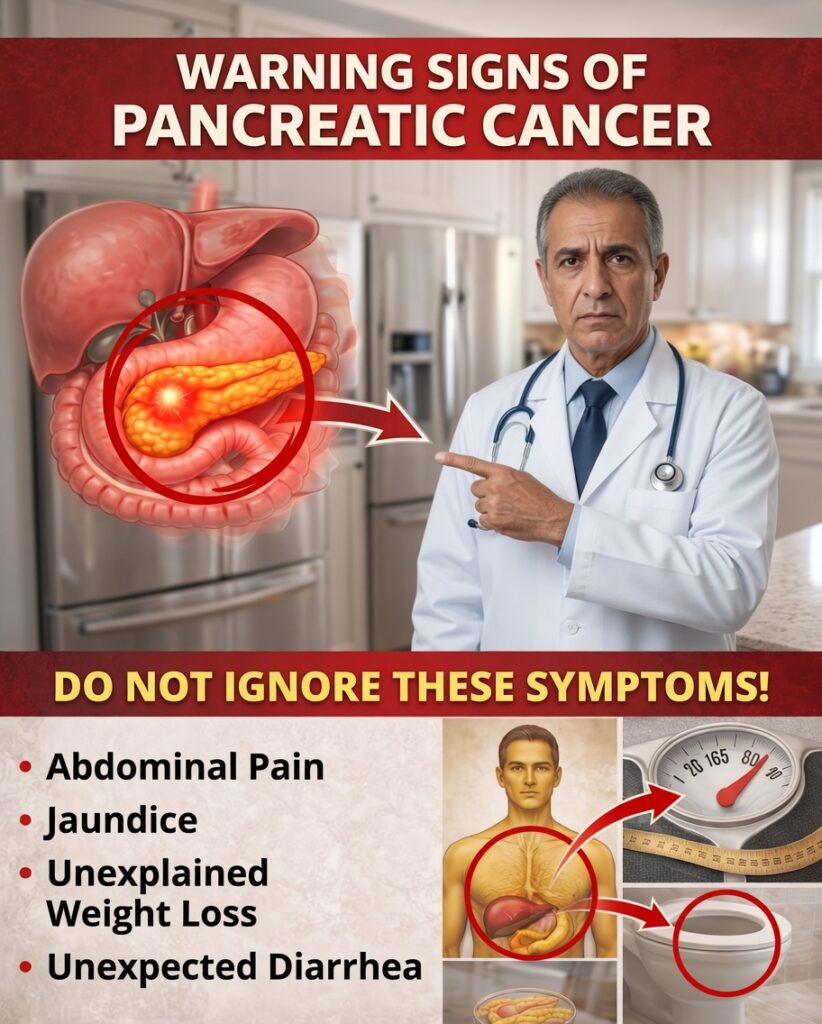
Unexplained Weight Loss, Fatigue, and Pain? It May Not Be “Normal” — Learn What Your Body Could Be Signaling
Pancreatic cancer often develops quietly. Early symptoms can look like everyday digestive issues or the effects of stress, busy routines, or aging. That’s why many people feel confused and frustrated when discomfort keeps returning without a clear reason.
This guide highlights eight warning signs of pancreatic cancer that deserve attention. Read to the end for practical steps you can start today to better protect your health.
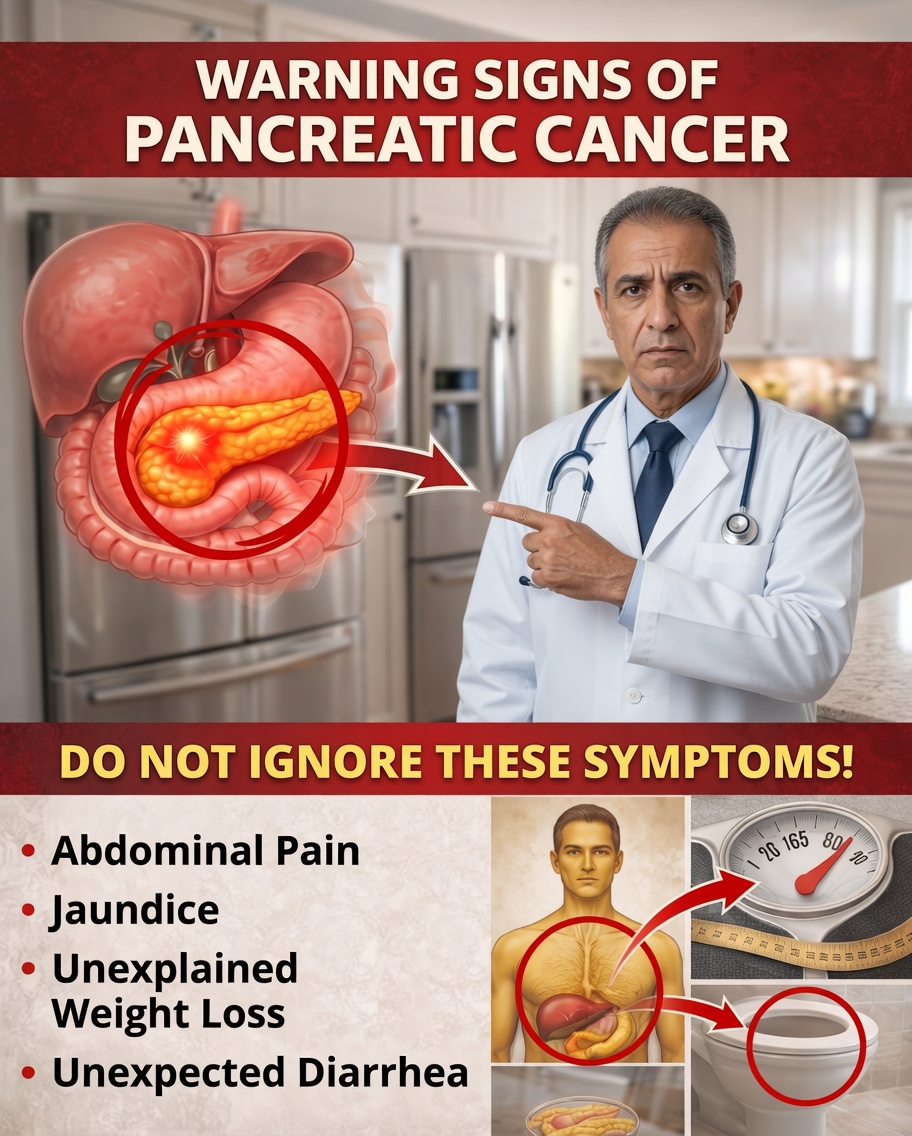
Why Are the Symptoms So Easy to Overlook?
In the early stages, pancreatic cancer rarely causes obvious, unmistakable symptoms. Instead, it may mimic common problems such as indigestion, low energy, or mild abdominal pain. The key is not panic—it’s recognizing patterns, especially symptoms that persist, worsen, or appear together.
Sign #1: Persistent Upper Abdominal Pain That Spreads to the Back
A dull ache in the upper abdomen that comes and goes—or radiates into the back—is one of the most frequently reported symptoms. It may feel worse after meals or when lying down. While posture or diet are common explanations, pain that lasts for weeks should not be dismissed.
Sign #2: Jaundice (Yellowing of the Skin or Eyes)
Yellow skin or yellowing in the whites of the eyes can happen when the bile duct is blocked. It may also come with:
- Dark urine
- Pale or clay-colored stools
- Itchy skin
- Tiredness
Because it’s a more visible sign, jaundice should be assessed promptly.
Sign #3: Unexplained Weight Loss
Losing weight without changes in diet, exercise, or lifestyle can be a red flag. Many people also notice:
- Reduced appetite
- Feeling full sooner than usual
When weight loss continues over time, it deserves medical attention.
Sign #4: Diarrhea or Pale, Greasy, Floating Stools
Stools that float, look oily, or appear unusually light in color may suggest trouble digesting fats—something closely linked to pancreatic function. This may occur along with abdominal discomfort or bloating.
Sign #5: New-Onset Diabetes or Suddenly Poor Blood Sugar Control
The pancreas produces insulin, so changes in blood sugar can sometimes be connected. A new diabetes diagnosis—especially later in life—or diabetes that becomes harder to manage may be a lesser-known but important sign to discuss with a clinician.
Sign #6: Extreme, Ongoing Fatigue
Feeling drained occasionally is normal. But persistent, deep fatigue—even after rest—can interfere with daily life and shouldn’t be ignored, particularly when paired with other symptoms.
Sign #7: Itchy Skin With No Clear Cause
Long-lasting itching, especially on the hands and feet, can occur when bile substances build up in the bloodstream. In some cases, itching can appear before jaundice becomes noticeable.
Sign #8: Loss of Appetite or Nausea
A reduced desire to eat, nausea after meals, or frequent feelings of fullness and bloating can seem minor at first. If these symptoms persist or intensify, they warrant evaluation.
Quick Summary: The 8 Signs to Watch For
- Persistent abdominal or back pain
- Jaundice (yellow skin/eyes)
- Unexplained weight loss
- Stool changes (pale, greasy, floating) or diarrhea
- New or worsening diabetes
- Severe fatigue
- Ongoing unexplained itching
- Loss of appetite or nausea
What You Can Do Today
Protecting your health often starts with small, consistent habits. Consider these practical steps:
- Track symptoms for 2 weeks (timing, triggers, severity)
- Keep up with routine medical checkups
- Eat a balanced diet and stay well-hydrated
- Add light daily movement (walking, stretching)
- Learn your family medical history and share it with your doctor
When Should You Seek Medical Help?
You don’t need to have every symptom. If two or more signs persist for several weeks, speak with a healthcare professional. Many of these symptoms can come from less serious conditions—but only proper assessment and testing can clarify the cause.
Common Questions
-
What are the earliest signs?
Often abdominal discomfort, unexplained weight loss, and changes in stool or urine. -
Can these symptoms be caused by other conditions?
Yes. Many common digestive and metabolic issues can look similar. -
How can I lower my risk?
Avoid smoking, limit alcohol, maintain a healthy diet and weight, stay active, and follow recommended medical screenings.
Final Thoughts
Listening to your body can be life-changing. Information builds awareness, and awareness supports timely action. The earlier you notice persistent changes, the sooner you can seek the right guidance.
Take care of yourself, stay informed, and treat your health as your most valuable asset.
Disclaimer: This content is for informational purposes only and does not replace professional medical advice. Always consult a qualified healthcare provider for evaluation and guidance.