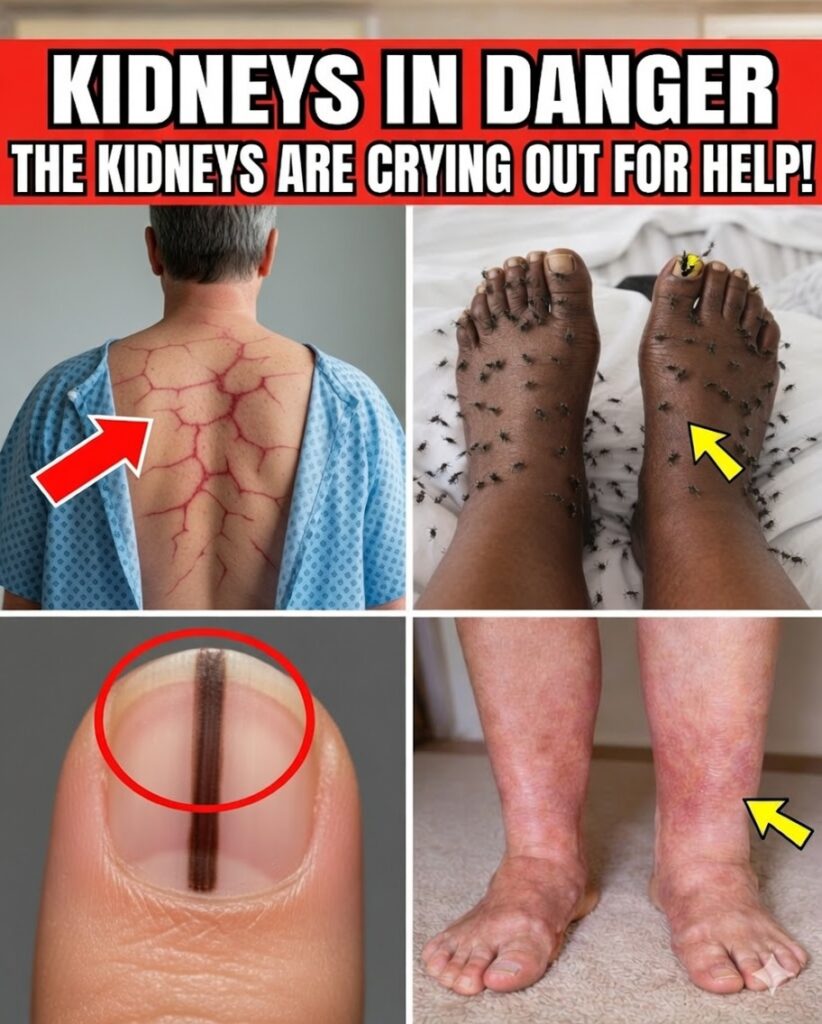
If Your Kidneys Are at Risk, Your Body May Send These 8 Quiet Warning Signs — Most People Miss Them Until It’s Too Late
Chronic kidney disease (CKD) often progresses with little to no obvious discomfort. Many people only realize something is wrong when kidney function has already declined significantly. Millions of adults live with reduced kidney function and dismiss early symptoms as “normal aging,” stress, or minor day-to-day issues.
This silent progression can eventually contribute to serious complications, including high blood pressure and heart disease. The good news: spotting potential kidney warning signs early can help you take practical steps to protect your long-term health.
The Hidden Reality of Kidney Health
Your kidneys work nonstop to filter waste, balance fluids, and regulate essential hormones. When kidney function starts to drop, symptoms may show up in subtle, easy-to-ignore ways. Many people notice changes in their body without realizing the kidneys could be involved.
Paying attention isn’t a reason to panic—it’s a smart way to respond to what your body may be signaling before issues become harder to manage.
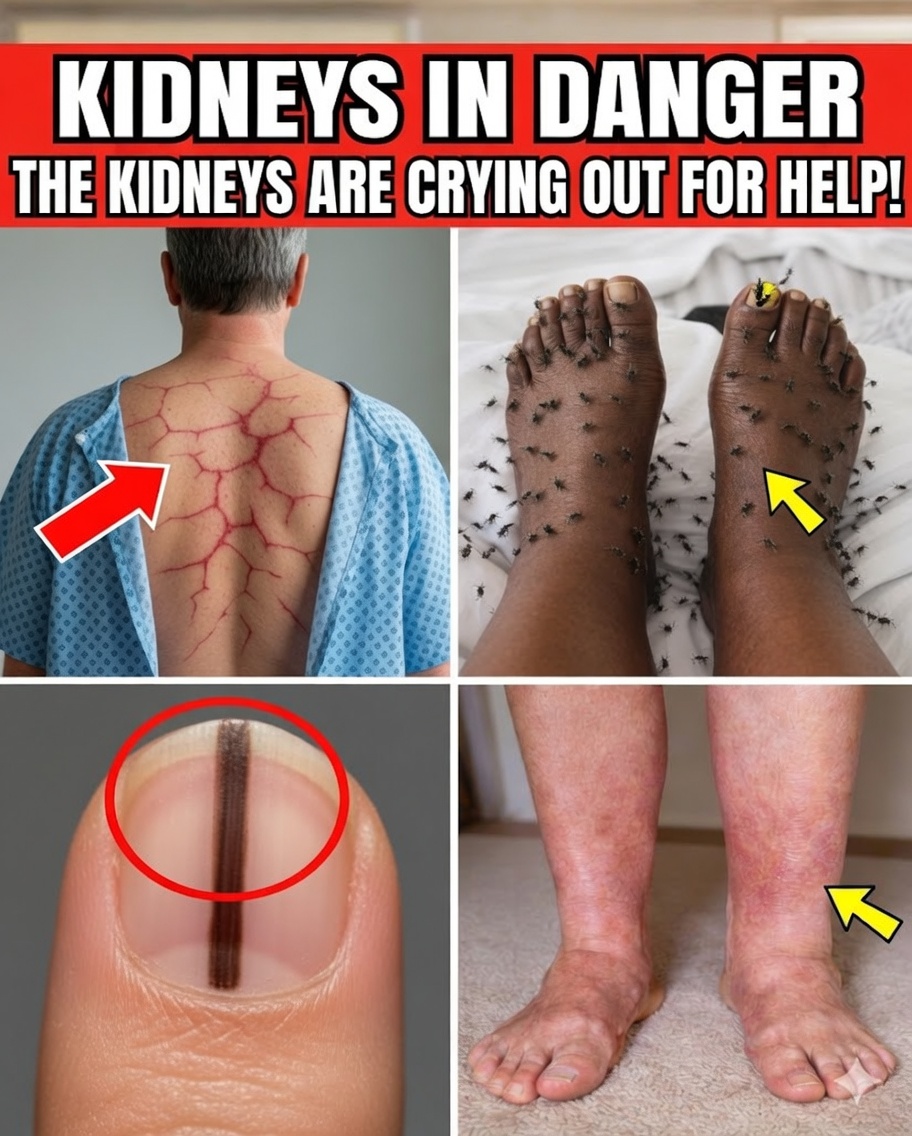
Below are eight lesser-known signs that may suggest your kidneys need attention.
1. Puffiness Around the Eyes, or Swelling in Feet and Ankles
Waking up with swollen eyelids—or noticing deep sock marks around your ankles at the end of the day—may point to fluid retention (edema). When the kidneys struggle to remove excess sodium and water, fluid can build up in body tissues.
A quick check: gently press the swollen area with a finger. If it leaves a dent that takes time to fade, it may be edema.
2. Deep, Unrelenting Fatigue That Coffee Doesn’t Fix
Feeling unusually exhausted even after adequate sleep can be linked to kidney health. The kidneys produce erythropoietin, a hormone that helps your body make red blood cells to carry oxygen. When kidney function declines, anemia can develop—leading to persistent tiredness, low energy, and trouble focusing.
3. Foamy or Very Bubbly Urine
Urine that frequently looks foamy—similar to whipped egg whites—can be a sign of protein in the urine (proteinuria). Healthy kidneys typically keep protein in the bloodstream. If kidney filters are damaged, protein may leak into the urine.
If bubbles or foam regularly last longer than 30 seconds, it’s worth paying attention to the pattern.
4. Shortness of Breath During Light Activity
Getting winded while climbing stairs or walking short distances may be related to fluid buildup or anemia associated with kidney disease. Less oxygen delivery—and in some cases fluid affecting the lungs—can make breathing feel shallow or unusually difficult.
5. Persistently Dry, Itchy Skin
When kidneys can’t properly balance minerals like phosphorus and calcium, buildup in the body may irritate the skin. This can cause dryness, flaking, and intense itching, often worse at night.
Moisturizers may offer temporary relief, but it’s important to look for the underlying cause if symptoms persist.
6. Constant Bad Breath or a Metallic Taste
Some people notice a metallic taste in food or ongoing bad breath that doesn’t improve with brushing. This can happen when waste products accumulate in the blood due to reduced kidney filtration, affecting both taste and breath odor.
7. Trouble Sleeping or Restless Nights
Difficulty falling asleep, waking up repeatedly, or feeling like sleep is shallow can sometimes be connected to kidney health. A buildup of toxins in the body may disrupt normal sleep patterns, leading to restless nights.
8. High Blood Pressure That’s Hard to Control
The kidneys play a major role in blood pressure regulation. When kidneys are damaged, blood pressure may rise. Over time, this can become a vicious cycle because high blood pressure can further harm kidney function.
Regular blood pressure checks can help you catch meaningful changes early.
Simple Habits That Support Kidney Health
Small lifestyle adjustments can make a meaningful difference for kidney health:
- Drink water consistently: roughly 4–6 glasses per day, unless your clinician advises otherwise.
- Cut back on salt: prioritize whole foods and limit highly processed options.
- Stay active: a 30-minute walk most days supports circulation and blood pressure.
- Track key signals: monitor blood pressure and note ongoing changes in how you feel.
- Get routine testing: basic blood and urine tests can detect kidney issues before they become severe.
Conclusion
Recognizing these kidney warning signs early can have a major impact on your long-term health. Your kidneys work quietly every day to keep your body in balance. Listening to small signals—and acting sooner rather than later—can help protect your energy, vitality, and well-being for years to come.
If several of these symptoms appear, persist, or worsen, seeking guidance from a healthcare professional is the safest next step. Taking care of your body today is an investment in your future.