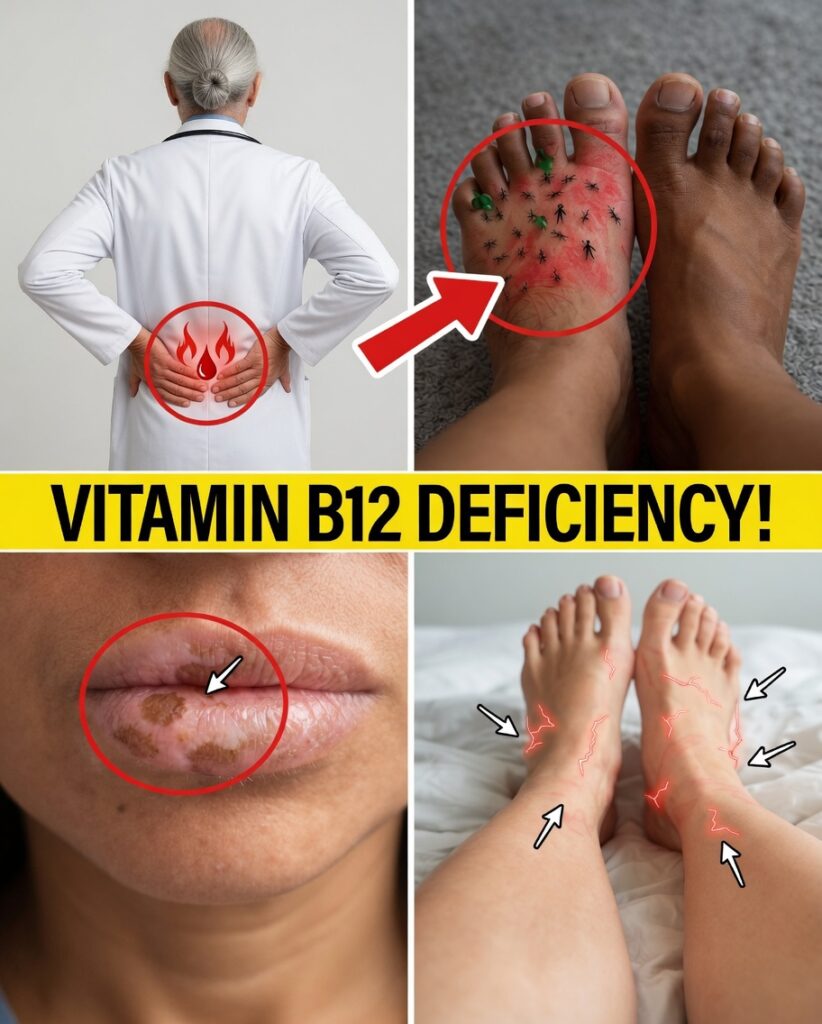
Constant fatigue, tingling hands, or a foggy mind? It might not be “just aging” — low vitamin B12 could be the real reason. Here are the warning signs many people overlook.
After 40, many adults begin noticing ongoing tiredness, trouble focusing, or unusual body sensations. These changes are often blamed on stress or getting older. Over time, they can start to feel “normal,” but they may actually be a quiet signal from your body that something is off.
Research suggests that up to 20% of older adults may have low or borderline vitamin B12 levels, often because the body absorbs this nutrient less efficiently with age. So if you’ve been feeling drained or mentally sluggish, it may be worth asking: could your body be asking for more B12?
Keep reading to learn 8 surprising signs of vitamin B12 deficiency — and what you can do to support better energy and mental clarity.
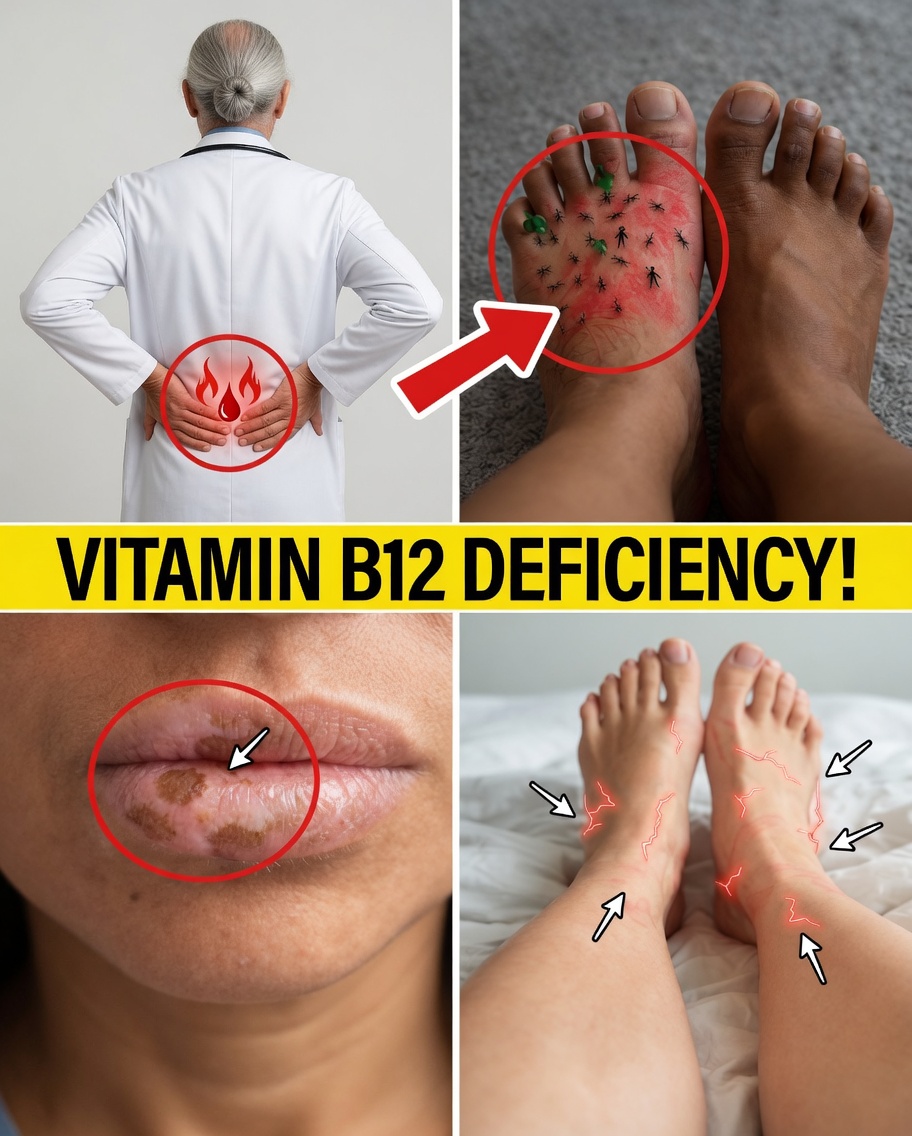
The Often-Overlooked Role of Vitamin B12
Vitamin B12 is essential for several core processes in the body. It helps:
- Produce red blood cells
- Support a healthy nervous system
- Contribute to DNA formation
When B12 is too low, oxygen delivery through the blood can decline and nerve function may begin to suffer. In older adults, common digestive changes (and certain gut conditions) can reduce absorption, making deficiency more likely.
The encouraging part: many people feel noticeably better once the issue is recognized early and nutrition is improved.
8 Signs Your Body May Need More Vitamin B12
1. Ongoing Fatigue That Rest Doesn’t Fix
Sleeping enough but still waking up exhausted? Feeling drained even after taking it easy?
Low vitamin B12 can reduce the production of healthy red blood cells, which means less oxygen reaches your tissues. As a result, everyday tasks may feel far more tiring than they should.
2. Mood Swings, Irritability, or Unexplained Low Mood
Sudden irritability, emotional ups and downs, or feelings of sadness without a clear reason can also be linked to B12.
Vitamin B12 supports the production of key neurotransmitters such as serotonin, which plays an important role in mood and emotional balance.
3. Pale or Slightly Yellow-Tinted Skin
If your skin looks unusually pale—or has a mild yellowish tone—it may be a clue.
This can happen when red blood cells break down faster than normal, releasing pigments that may affect skin coloration.
4. A Sore, Red, or Swollen Tongue
A painful, inflamed, or unusually red tongue can be associated with low B12. This condition is often called glossitis and may make eating or speaking uncomfortable.
Some people also notice mouth irritation or small sores.
5. Tingling, Numbness, or “Pins and Needles” in Hands and Feet
Vitamin B12 helps protect nerves. When levels drop, you may experience tingling, numbness, or prickling sensations—especially in the hands and feet.
This is one of the most well-known signs that the nervous system may be affected.
6. Heart Palpitations or Irregular Heartbeat
Some individuals report a racing heart or irregular beats.
One possible reason: when healthy red blood cells are reduced, the body may work harder to deliver enough oxygen, which can place extra demand on the cardiovascular system.
7. Memory Lapses and “Brain Fog”
Forgetting names, struggling to concentrate, or feeling mentally slow can be connected to vitamin B12 levels.
B12 supports communication between neurons and contributes to overall brain health, which is why deficiency may show up as cognitive “fog.”
8. Weakness and Balance Problems
Muscle weakness or feeling unsteady can be another warning sign.
Both nerve function and energy supply to the muscles may be impacted when B12 is insufficient, which can affect coordination and stability.
How to Support Healthy Vitamin B12 Levels
Simple, consistent habits can help maintain adequate vitamin B12.
1. Eat More B12-Rich Foods
Top dietary sources include:
- Salmon and trout
- Beef and liver
- Eggs
- Milk and dairy products
- Fortified cereals or fortified plant-based milks
2. Pay Attention to Changes in How You Feel
After improving food choices, many people notice gradual shifts in:
- Energy
- Mood stability
- Focus and mental clarity
3. Consider Professional Testing if Symptoms Continue
If symptoms persist, a simple blood test can check your vitamin B12 status. A healthcare professional can recommend the most appropriate next steps based on your results and overall health.
Conclusion
Many symptoms often dismissed as “normal aging”—like fatigue, forgetfulness, or weakness—may actually be linked to something more manageable: low vitamin B12.
Listening to your body and responding early may help restore energy, support mood, and protect long-term brain and nerve health.
If several of these signs sound familiar, it may be time to take a closer look at your diet and speak with a healthcare professional.
Disclaimer
This article is for informational purposes only and does not replace professional medical advice. Always consult a qualified healthcare provider before changing your diet or starting supplements.