Feeling Tired for No Clear Reason? Vitamin B12 Could Be Part of the Answer
Have you ever slept well but still woken up exhausted? Or noticed random tingling in your hands or feet and wondered what was going on? Small symptoms like these can slowly add up, making daily life feel more difficult than it should.
In some cases, the issue may be linked to a simple nutritional gap: not getting enough vitamin B12. This essential nutrient helps support energy, nerve health, brain function, and red blood cell production. One of the most unexpected warning signs can even show up right in the mirror. And later in this article, you will find easy food ideas to help support healthy vitamin B12 levels.
Why Vitamin B12 Matters So Much
Vitamin B12 plays a major role in several important body functions. It helps your body:
- Produce healthy red blood cells
- Maintain proper nerve function
- Support DNA formation
- Promote healthy brain activity
Many people do not think much about vitamin B12 until their levels become too low. According to health organizations such as the National Institutes of Health, low vitamin B12 can affect people of different ages, especially those with restricted diets or trouble absorbing nutrients properly.
That is why recognizing the signs early can be helpful.
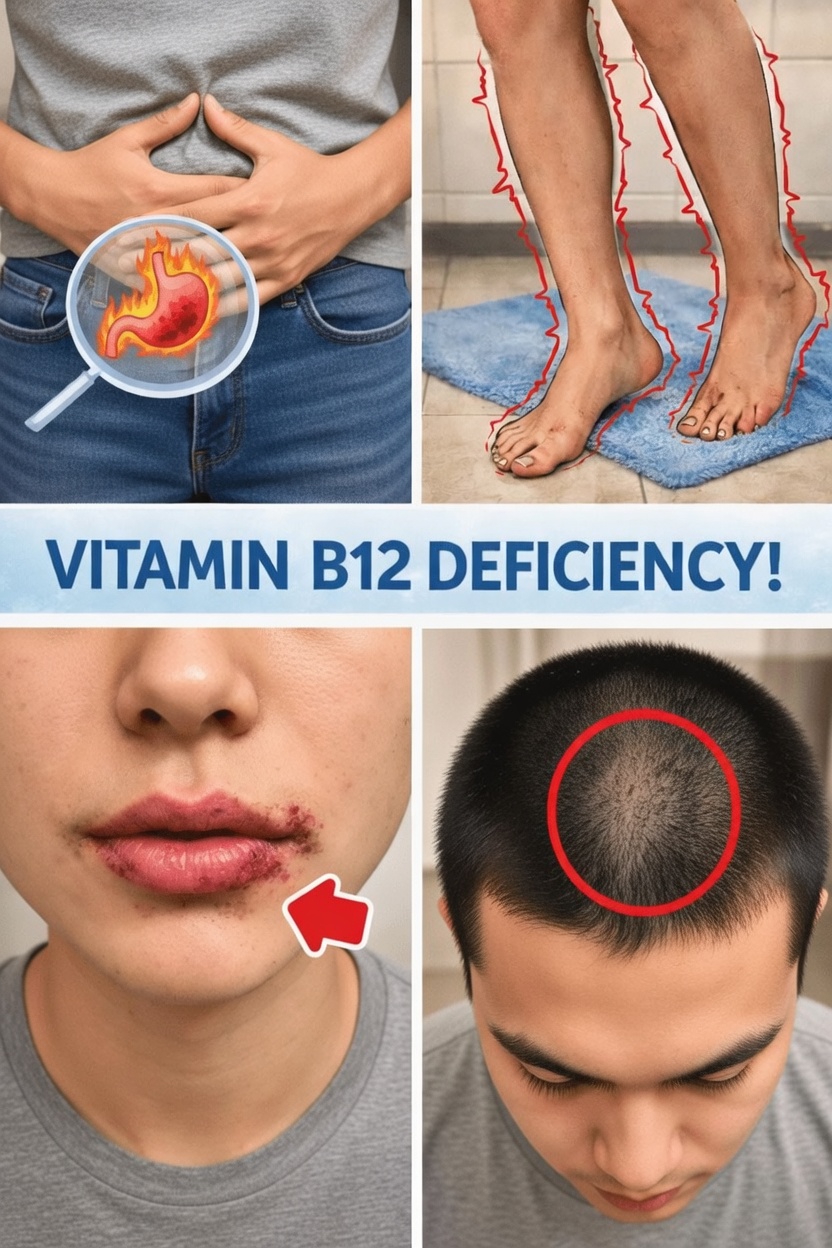
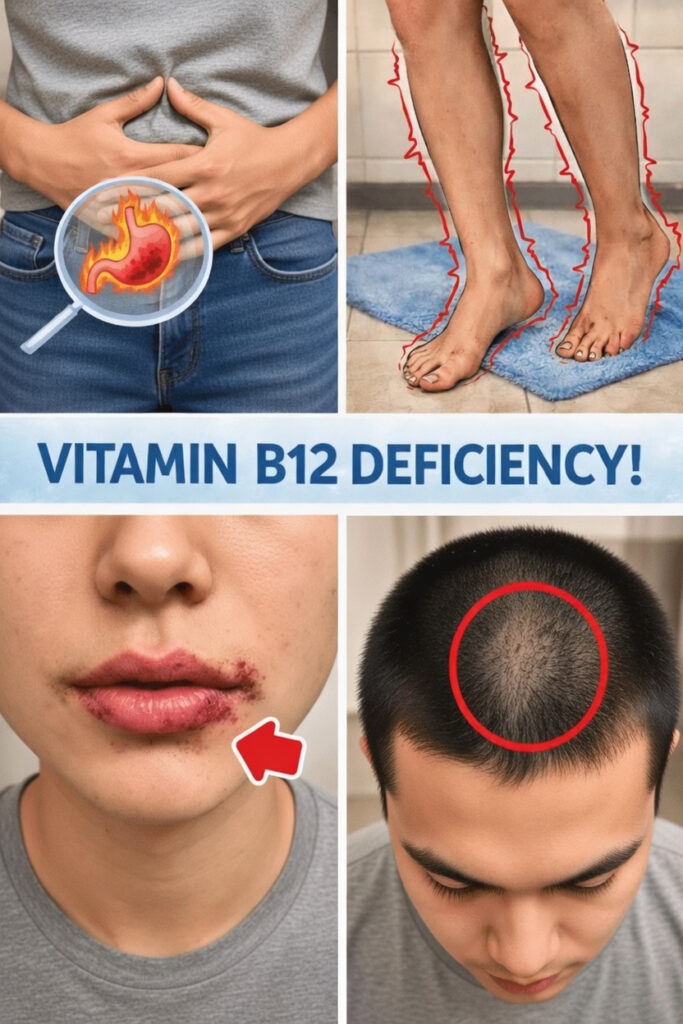
8 Unusual Signs Your Body May Need More Vitamin B12
Some symptoms of low vitamin B12 are easy to dismiss because they seem minor or unrelated at first. Below are eight signs that may point to a need for better vitamin B12 support. These are general observations, not a diagnosis, and individual experiences can vary.
1. Tingling or Numbness in the Hands and Feet
A pins-and-needles feeling in your arms, hands, legs, or feet can be one of the more unusual signs. Vitamin B12 helps protect the myelin sheath, the covering that supports your nerves. When levels are too low, nerve signaling may be affected.
Research has connected low vitamin B12 with symptoms similar to neuropathy in many cases. If you notice numbness or tingling often, especially in your lower legs or feet, it may be worth taking seriously.
2. Poor Balance or Feeling Unsteady
If you feel shaky, off-balance, or unexpectedly dizzy, vitamin B12 could be one possible factor. This nutrient supports the nervous system, including the pathways involved in coordination and movement.
Over time, low levels may make simple movements, such as walking steadily, feel harder than usual. Spotting this early can give you a chance to review your habits and nutrition before it becomes more disruptive.
3. Mood Changes or Increased Irritability
Feeling unusually down, emotionally flat, or more easily annoyed may not always be just stress. Some studies suggest that low vitamin B12 may be associated with mood shifts because of its role in brain chemistry.
This sign is often overlooked since mood changes can have many causes. Still, the brain depends on steady nutritional support, and vitamin B12 is part of that equation.
4. A Red, Sore, or Swollen Tongue
A smooth, painful, or unusually red tongue can sometimes signal low vitamin B12. This condition, often called glossitis, may make eating or speaking uncomfortable.
Vitamin B12 helps maintain healthy tissues in the mouth, so when levels fall, the tongue may change in color, shape, or sensitivity. It is one of those signs that can be easy to ignore until it becomes bothersome.

5. Cracks at the Corners of the Mouth
Painful splits or irritation at the corners of the lips are another visible clue. This condition is often referred to as angular cheilitis and may be linked to nutrient deficiencies, including low vitamin B12.
Because it shows up so clearly on the face, this is often one of the easiest signs to spot. Yet many people do not connect it with nutrition right away.
6. Hair Thinning or Unexpected Hair Loss
Seeing more hair than usual in your brush or noticing visible thinning can be concerning. While hair loss can happen for many reasons, some research suggests that low vitamin B12 may contribute because the nutrient supports healthy cell growth.
Hair depends on strong cellular activity from the root, so when the body lacks key nutrients, changes in hair health may follow.
7. Pale Skin or a Slight Yellow Tint
If your skin looks noticeably paler than normal, or has a faint yellowish tone, it could be related to how your body is producing and managing red blood cells. Vitamin B12 is essential for this process.
This visual change can be subtle at first, especially under indoor lighting, but natural light often makes it more noticeable.
8. Blurred Vision or Other Vision Changes
Although less common, blurry vision and certain eye-related changes have also been noted in cases of low vitamin B12. The optic nerve depends on proper nerve support, and long-term deficiency may affect visual function.
If this symptom appears together with other signs on this list, it deserves attention.
The Most Surprising Sign You Can See in the Mirror
Of all eight signs, cracked corners of the mouth often stand out the most because they are so visible. Many people notice them every day but do not realize they may be tied to nutrient status. It is a simple sign, yet one that is frequently brushed aside.
Simple Ways to Support Healthy Vitamin B12 Levels
Once you know what to watch for, the next step is taking practical action. Here are a few simple ways to support healthy vitamin B12 intake:
- Speak with a healthcare professional if several of these symptoms sound familiar.
- Ask whether a vitamin B12 test makes sense for you.
- Add more vitamin B12-rich foods to your regular meals.
- Be consistent with daily habits rather than making extreme changes.
Foods Rich in Vitamin B12
You can start with these common options:
- Beef liver and other organ meats for a highly concentrated natural source
- Fish such as salmon and tuna that are easy to grill, bake, or pan-cook
- Eggs and dairy products including milk, yogurt, and cheese
- Fortified breakfast cereals for a quick and convenient option
- Nutritional yeast for a plant-friendly fortified choice
Studies suggest that regularly including these foods can help many people maintain healthy vitamin B12 levels.

Quick Comparison of Vitamin B12 Food Sources
Animal-Based Sources
- Meat
- Fish
- Eggs
- Dairy
Plant-Based Alternatives
- Fortified cereals
- Nutritional yeast
This makes it easier to choose foods that fit your eating style. If you follow a vegetarian or vegan diet, it may be especially important to discuss fortified foods or supplements with your doctor, since natural plant-based sources of vitamin B12 are limited.
When to Talk to a Healthcare Professional
If these symptoms continue, worsen, or start interfering with your daily routine, it is a good idea to speak with a healthcare provider. They can help identify whether vitamin B12 is involved and rule out other possible causes.
Early attention often makes a meaningful difference. Even a simple conversation or blood test may help bring clarity and peace of mind.
Final Thoughts
These eight unusual signs may be your body’s way of telling you it needs better vitamin B12 support. From fatigue and tingling to cracked lips, hair thinning, and pale skin, the clues can appear in ways that seem unrelated at first.
Paying attention to these changes and making small, informed adjustments can help you feel more in control of your health. Sometimes the first step is simply noticing what your body has been trying to say.
Frequently Asked Questions
What are common reasons for low vitamin B12 levels?
Several factors may contribute, including aging, certain medications, digestive absorption issues, and diets low in animal-based foods.
Can lifestyle changes help support vitamin B12 levels?
Yes. Eating balanced meals that include vitamin B12-rich foods is a strong starting point for many people. In some cases, fortified foods or supplements may also help.
How often should vitamin B12 levels be checked?
That depends on your age, symptoms, diet, medical history, and overall risk factors. A healthcare professional can help determine whether testing is appropriate and how often it should be done.