8 Everyday Drinks That Can Gently Support Liver Health
Do you often feel heavy, tired, or bloated after eating? If so, your liver may be working harder than usual. Modern life places steady pressure on this vital organ through processed meals, inconsistent sleep, alcohol, excess sugar, and daily exposure to pollutants. The encouraging part is that the liver is highly adaptable and responds well to simple, consistent care.
You do not need extreme cleanses or dramatic detox routines. In fact, a few warm or room-temperature drinks made from common ingredients may help the liver carry out its many functions more efficiently. These beverages can support hydration, antioxidant defense, bile movement, and overall metabolic balance without unrealistic promises.
So which drinks are most often discussed in nutrition research and liver-health studies for supporting enzyme balance, oxidative protection, and fat metabolism? Below are eight practical options. The final one is often overlooked, even though it has some of the best scientific backing.
Why the Liver Benefits From Steady, Gentle Support
Your liver is one of the hardest-working organs in the body. It filters around 1.4 liters of blood every minute, helps neutralize unwanted compounds, produces bile to digest fats, stores important nutrients, balances blood sugar, and creates proteins needed for immunity and clotting.
When the liver is under mild strain over a long period, the signs can be subtle. People may notice lower energy, slower digestion, or a general feeling of heaviness. In more serious situations, skin tone changes and other symptoms may appear.
The real goal is not to “flush” the liver, since that idea is not supported by human physiology. A smarter approach is to provide regular hydration along with nutrients and plant compounds that may help detoxification pathways, limit oxidative stress, and support healthy fat handling inside liver cells.

1. Warm Water: The Simplest First Step
The easiest habit on this list is also one of the most effective: drinking plain warm water in the morning.
Warm water can:
- Improve hydration, which supports metabolism and healthy bile flow
- Encourage gentle circulation through the digestive system and liver
- Help the kidneys and liver work together to eliminate waste products
A simple routine is to drink about 300 to 400 ml of comfortably warm water on an empty stomach. Aim for roughly 40 to 50°C, meaning warm but not hot. Many people find this habit also improves bowel regularity after a few days.
2. Lemon Water: A Light Digestive Boost With Vitamin C
Fresh lemon in warm water remains popular for good reason. It offers a mild amount of vitamin C and may help stimulate bile release, which supports fat digestion.
Studies suggest that compounds in lemon, including citric acid, may encourage the gallbladder to contract. Its antioxidant content may also help protect liver cells from everyday oxidative stress.
A practical way to prepare it:
- Squeeze the juice of half a lemon into 300 ml of warm water
- Drink it slowly
- Use a straw if possible to reduce contact with tooth enamel
If lemon water triggers heartburn or worsens reflux, it is best to avoid it. It can support digestion, but it is not a miracle toxin remover.
3. Turmeric Water: Curcumin for Inflammation Control
Turmeric contains curcumin, one of the most researched plant compounds for liver wellness. Scientists have looked closely at curcumin because of its anti-inflammatory and antioxidant effects.
Several reviews suggest curcumin may help improve markers such as ALT and AST in people with non-alcoholic fatty liver changes. Both laboratory and human studies have pointed to protective effects on liver tissue.
An easy version to try:
- 1/4 teaspoon turmeric powder
- A small pinch of black pepper to improve absorption
- Warm water
- Optional: 1/2 teaspoon honey for taste
Mix well and sip slowly. If you have gallstones or bile duct problems, avoid high amounts unless your doctor says otherwise.
4. Green Tea: One of the Best-Studied Choices
Among all the drinks listed here, green tea may have the strongest overall evidence. It contains catechins such as EGCG, which have been widely studied for their effects on liver fat and enzyme levels.
Meta-analyses of clinical trials have shown that drinking 2 to 3 cups of brewed green tea per day may be linked with better liver enzyme values and lower fat accumulation in people with NAFLD.
Best ways to use it:
- Brew 1 tea bag or 1 to 2 teaspoons of loose leaves
- Steep for about 2 to 3 minutes
- Drink 1 to 2 cups in the late morning or afternoon
One important note: brewed green tea is very different from concentrated supplements. Rare reports of liver injury are usually associated with high-dose extracts, not moderate daily tea drinking.
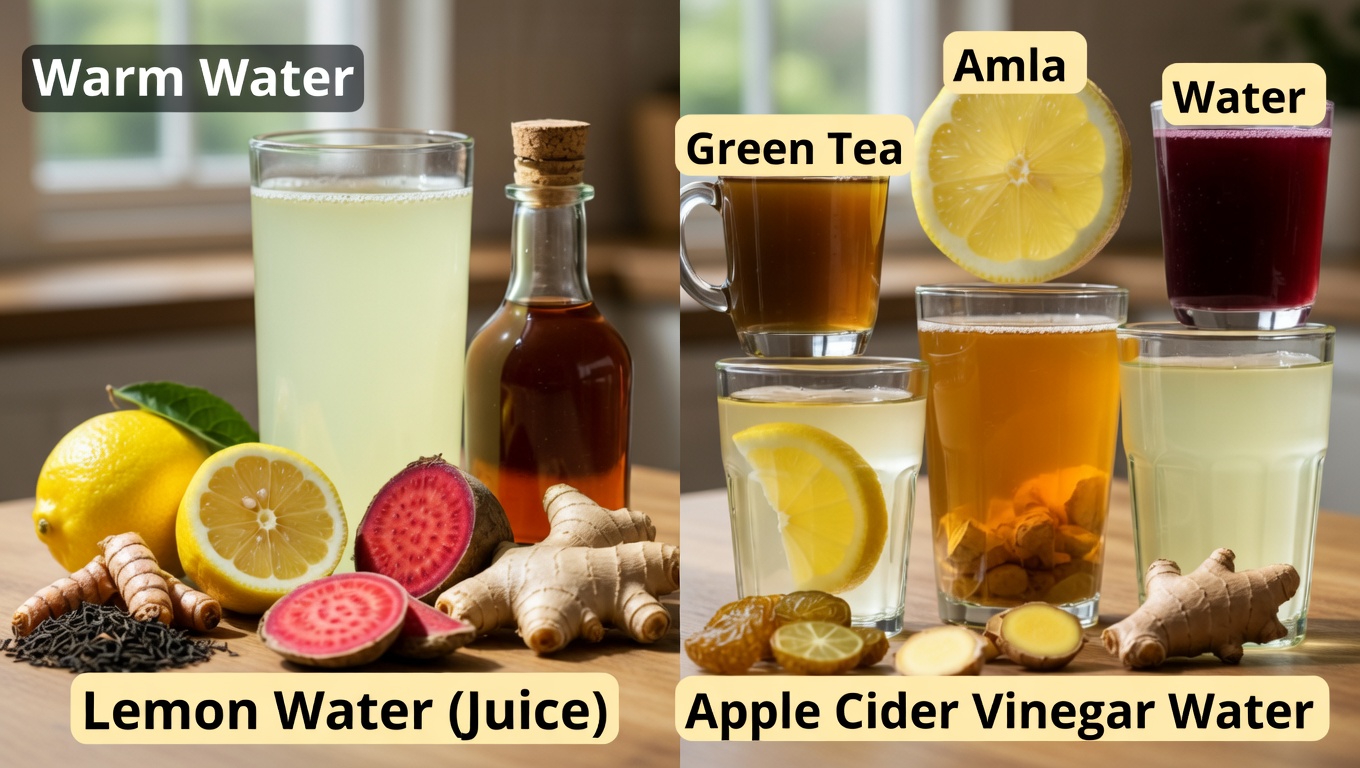
5. Fresh Beetroot Juice: Rich in Betalains and Nitrates
Beetroot stands out because of its deep red color and unique plant pigments called betalains. It also provides natural nitrates that may support circulation.
Preliminary human research and animal studies suggest beet compounds may help activate phase II detoxification pathways, especially those involving glutathione. They may also reduce oxidative stress in liver tissue.
A simple preparation:
- Juice 1 small to medium beet
- Add 1 apple and 1/2 lemon
- Dilute the final juice with water in a 1:1 ratio
If you do not own a juicer, you can blend the ingredients and strain them. A daily amount of 150 to 200 ml is usually enough. People prone to kidney stones may need caution because beets contain oxalates.
6. Amla Water: A Potent Source of Natural Antioxidants
Amla, also known as Indian gooseberry, is famous for its very high natural vitamin C content. It also contains beneficial polyphenols such as gallic acid and ellagic acid.
Traditional systems like Ayurveda have valued amla for centuries, and newer studies suggest it may help improve antioxidant status and support healthier liver enzyme patterns.
You can prepare it in two simple ways:
- Soak 2 to 3 dried amla pieces overnight in 300 ml water, then drink the infused water in the morning
- Mix 1 to 2 tablespoons of pure unsweetened amla juice into water
Its flavor is sharply sour, so some people prefer adding a small amount of honey after getting used to the taste.
7. Apple Cider Vinegar Water: Helpful for Metabolic Balance
Raw apple cider vinegar, especially the type that contains the “mother,” may offer modest metabolic benefits. Small studies suggest it can improve insulin sensitivity and reduce blood sugar spikes after meals.
Why does that matter for the liver? Better insulin control can help reduce the chance of excess fat being stored in liver cells.
A safe way to use it:
- Mix 1 to 2 teaspoons of apple cider vinegar into 250 to 300 ml water
- Drink before or during your largest meal
- Never take it undiluted
Straight vinegar may damage tooth enamel and irritate the throat or esophagus, so dilution is essential.
8. Ginger Water: Anti-Inflammatory Support With Strong Modern Interest
Ginger contains active compounds called gingerols and shogaols, both known for anti-inflammatory effects. It may also support circulation, which can create a healthier environment for liver function overall.
Reducing systemic inflammation is especially important because chronic low-grade inflammation often goes hand in hand with poor metabolic health and fatty liver changes.
A quick ginger drink:
- Add 3 to 5 thin slices of fresh ginger to 300 ml hot water
- Let it steep for 8 to 10 minutes
- Add a little lemon if desired
- Sip it warm during the morning
Many people are surprised to learn how useful ginger can be, but it is increasingly supported in modern nutrition discussions for its broad anti-inflammatory and digestive benefits.
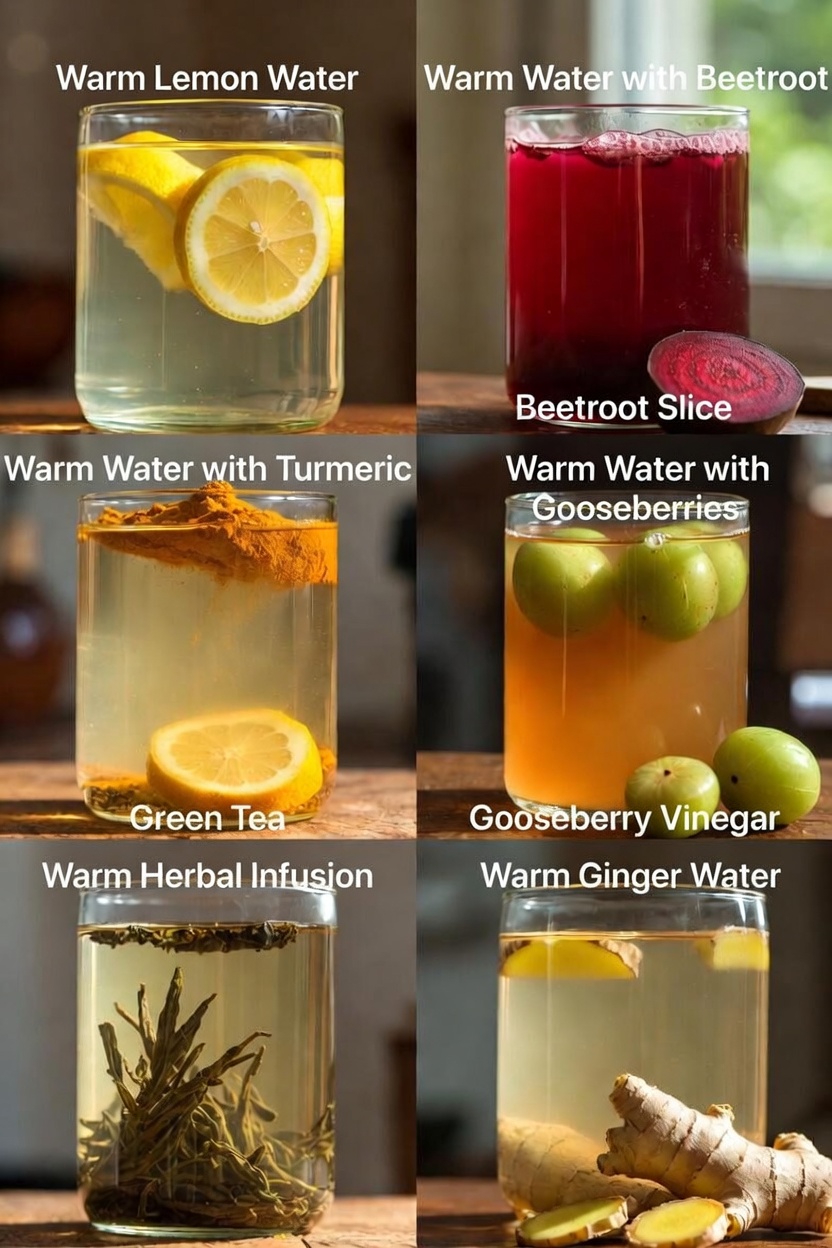
Quick Guide: Which Drink Might Suit You Best?
Warm Water
- Main benefit: Hydration support
- Taste: Neutral
- Prep time: 1 minute
- Best time: Right after waking
Lemon Water
- Main benefit: Bile support and vitamin C
- Taste: Fresh and tangy
- Prep time: 2 minutes
- Best time: Morning
Turmeric Water
- Main benefit: Anti-inflammatory support
- Taste: Earthy
- Prep time: 2 minutes
- Best time: Morning or afternoon
Green Tea
- Main benefit: Liver enzyme and fatty liver support
- Taste: Light and grassy
- Prep time: 3 minutes
- Best time: Mid-morning
Beetroot Juice
- Main benefit: Phase II detoxification support
- Taste: Sweet and earthy
- Prep time: 5 to 10 minutes
- Best time: Morning
Amla Water
- Main benefit: Strong antioxidant intake
- Taste: Very tart
- Prep time: Overnight infusion or quick mixing
- Best time: Morning
Apple Cider Vinegar Water
- Main benefit: Insulin and fat metabolism support
- Taste: Sour
- Prep time: 1 minute
- Best time: Before meals
Ginger Water
- Main benefit: Circulation and inflammation support
- Taste: Warm and spicy
- Prep time: 5 minutes
- Best time: Morning
Habits That Matter More Than Any Single Drink
No drink can undo years of poor lifestyle habits. If you want to genuinely support your liver, your daily routine matters much more than any one beverage.
Focus on these essentials:
- Keep alcohol intake very low, or avoid it completely
- Eat more fiber-rich vegetables and whole fruits
- Maintain a healthy weight, since even a 5 to 10% loss can greatly improve NAFLD
- Stay active for at least 30 minutes on most days
- Sleep consistently for 7 to 9 hours each night
Frequently Asked Questions
Can I drink all eight every day?
There is no need to use every option daily. Choosing 2 or 3 drinks you enjoy is more realistic and sustainable. Rotating them can also help prevent taste fatigue while giving you a wider range of beneficial compounds.
Do these drinks replace treatment for liver disease?
No. If you have hepatitis, cirrhosis, elevated liver enzymes, or any diagnosed liver condition, medical care should always come first. These drinks are supportive habits, not replacements for professional treatment.
Which drink has the strongest scientific support?
At the moment, green tea appears to have the most consistent human evidence, especially in studies on EGCG and non-alcoholic fatty liver disease. Turmeric and curcumin also have a substantial body of research behind them.
Final Thought
Your liver does not need an extreme reset. What it responds to best is steady, repeatable care. A single warm glass tomorrow morning may seem small, but simple habits practiced for two or three weeks can make a noticeable difference in digestion, energy, and how you feel overall.