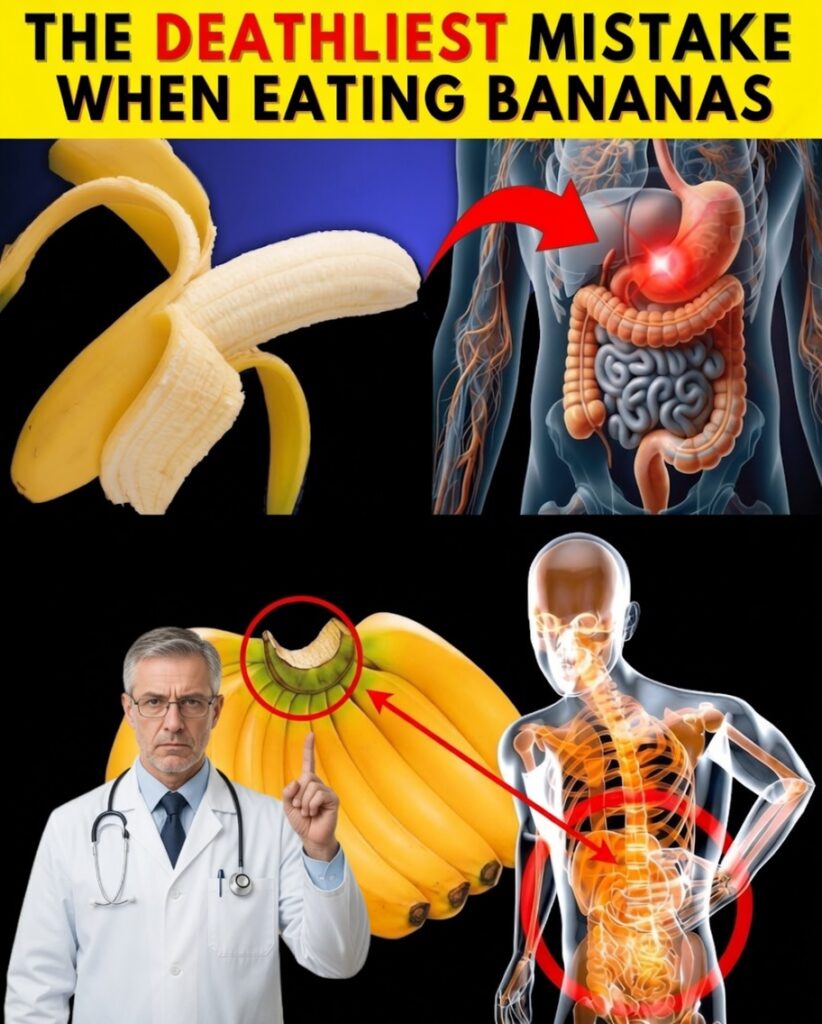
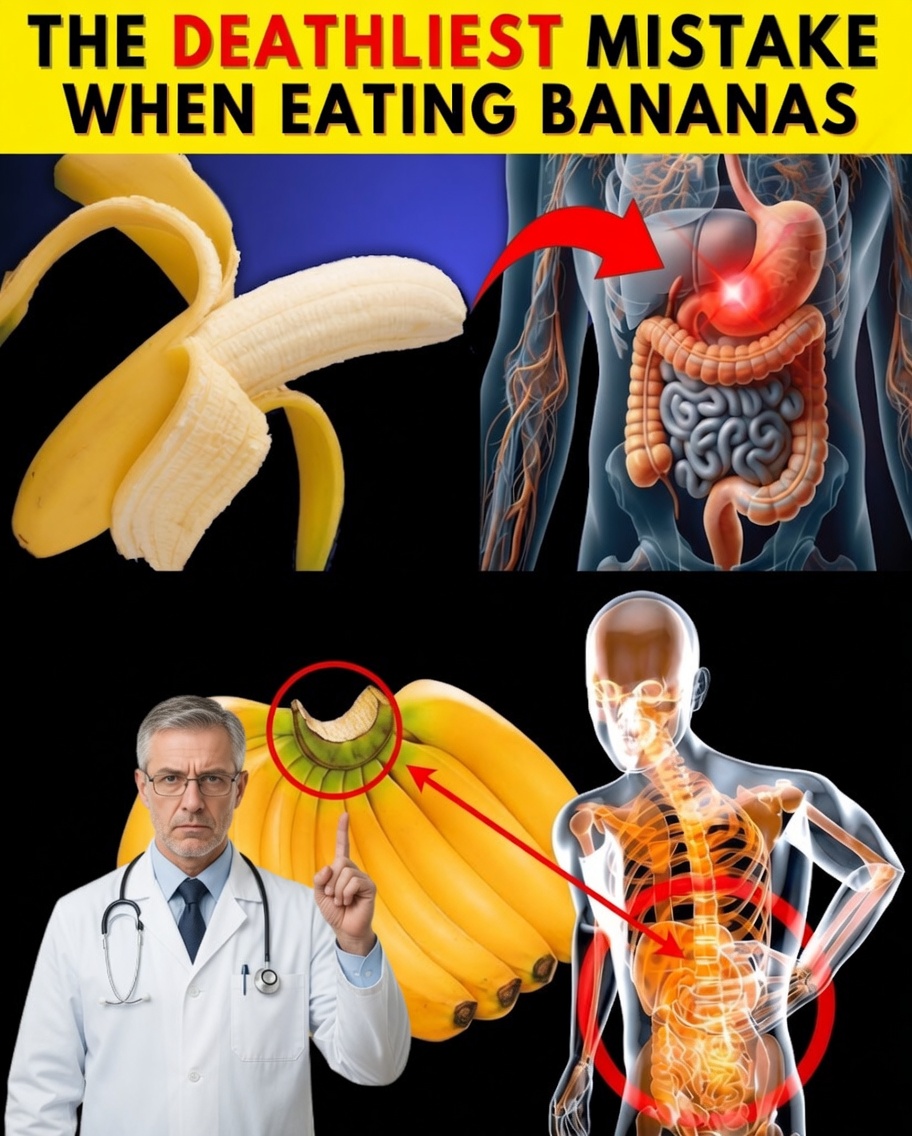
Bananas Make You Feel Bloated? You Might Be Making This Common Mistake
Bananas are often seen as the perfect “healthy snack”—quick, portable, and packed with nutrients. Yet for some people, eating a banana doesn’t feel energizing at all. Instead, it can lead to bloating, fatigue, or even feeling hungrier soon after.
The good news: bananas usually aren’t the problem. The way you eat them is. Timing, ripeness, portion size, and food pairings can significantly affect digestion, blood sugar stability, and energy levels.
So, are you eating bananas in a way that supports your body—or working against it? Below are 8 common banana mistakes and simple, natural adjustments that can help you feel better fast.
1. Choosing Bananas That Are Too Green
Unripe (very green) bananas are high in resistant starch, which can be helpful for some people—but many sensitive stomachs struggle to break it down.
As a result, you may notice:
- Gas
- Bloating
- Stomach discomfort
Natural fix: Pick bananas that are yellow with a few small brown speckles. They tend to be sweeter, softer, and easier to digest.
2. Eating a Banana on an Empty Stomach
A banana on its own can be absorbed quickly, which may cause a fast blood sugar rise followed by a drop. This is often when people feel:
- Tired
- Shaky or “jittery”
- Hungry again shortly after
Better approach: Combine your banana with protein or healthy fats to slow digestion, such as:
- Yogurt
- Nuts
- Almond or peanut butter
3. Having Too Many Bananas in One Day
Bananas are nutrient-dense, but more isn’t always better. Eating several per day can push potassium intake too high for some people and may affect mineral balance.
Simple guideline: For most adults, one banana per day is enough to get the benefits without overdoing it.
4. Storing Bananas the Wrong Way
Bananas ripen quickly, and storage habits can make that process even faster—sometimes leading to overly ripe fruit and potential nutrient loss.
Storage tip: Keep bananas at room temperature, and avoid placing them next to fruits that release lots of ethylene gas (which speeds ripening), such as:
- Apples
- Avocados
5. Pairing Bananas with Sugary Foods
Bananas already contain natural sugars. When combined with sweet foods like:
- Sugary cereal
- Pastries
- Desserts
…you can end up with a large sugar hit, often followed by an energy crash and unstable blood sugar.
Smarter pairing: Eat bananas with fiber-rich options such as:
- Oats
- Chia seeds
This supports steadier digestion and more consistent energy.
6. Eating Bananas Too Late at Night
Bananas contain nutrients that may support relaxation, but their sugars can also activate digestion. For some people, that can make sleep feel lighter or more disrupted when eaten right before bed.
Better timing: Have bananas earlier in the day, such as in the morning or as an afternoon snack.
7. Eating Bananas Without Any Healthy Fat
On their own, bananas digest relatively quickly—so you may feel hungry again soon.
Make it more filling: Add healthy fats to improve satiety, such as:
- Nuts
- Almond butter
- Coconut yogurt
- Avocado slices
This combination slows digestion and can help you stay full longer.
8. Ignoring Ripeness Before Exercise
Banana ripeness changes how quickly your body can use the energy.
- Very ripe bananas provide faster energy, often better for intense workouts.
- Slightly firm bananas release energy more gradually, which may suit longer endurance sessions.
Choosing the right ripeness can naturally support performance and reduce energy dips.
A Simple Banana Habit That Can Improve Energy and Digestion
Bananas can absolutely be a smart, natural food—when you focus on balance, timing, and pairing.
Here are easy ways to include them:
- Morning: Banana with yogurt or a handful of nuts
- Mid-morning: Banana mixed into oats or paired with seeds
- Pre-workout: Ripe banana with nut butter
Small changes like these can support smoother digestion, steadier energy, and better overall well-being.
If you deal with ongoing bloating, fatigue, or unusual reactions to foods, consider speaking with a qualified healthcare professional for personalized advice. Sometimes, the smallest daily habit changes create the biggest difference in how you feel.