8 Everyday Habits That Can Make Amlodipine Less Effective
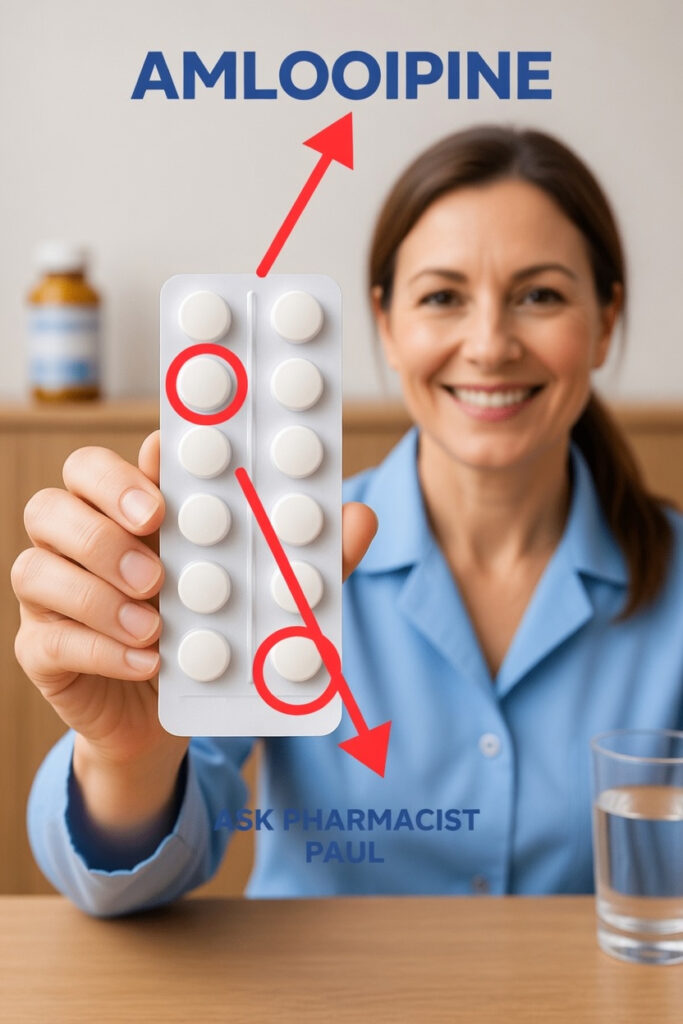
If you take amlodipine to control high blood pressure, you may sometimes feel like the medication works unevenly. Some days your readings seem fine, while on others you still deal with issues like ankle swelling, lightheadedness, or occasional dizziness even when you follow your doctor’s instructions carefully.
In many cases, the problem is not the medicine itself. Small daily habits can quietly interfere with how well amlodipine works or make side effects feel more noticeable. The encouraging news is that a few simple adjustments can make your treatment feel more reliable and more comfortable—without changing your whole lifestyle.
And there is one especially important step that many people overlook until the very end: a tiny habit that often creates the biggest day-to-day improvement.
1. Drinking Grapefruit Juice or Eating Grapefruit
A lot of people start the day with grapefruit juice without realizing it may affect how amlodipine is processed in the body. According to health authorities such as the NHS, consuming large amounts of grapefruit or grapefruit juice can increase the level of the medication in your bloodstream. That can raise the risk of side effects like:
- flushing
- headaches
- swelling
- dizziness
This happens because grapefruit contains substances that slow the liver enzymes responsible for breaking down amlodipine.
When this process is disrupted, the medicine may act more strongly than expected, which can leave you feeling unsteady or uncomfortable.
How to stop this habit
- Choose orange juice or apple juice instead at breakfast.
- Read labels on fruit blends, smoothies, and juice mixes.
- Ask your pharmacist if you are unsure about other citrus products.
This is one of the easiest changes you can make to help keep medication levels more stable.
2. Drinking Alcohol Too Often
Even moderate alcohol use can have a stronger impact when you are taking amlodipine. Sources like Drugs.com and Medical News Today explain that alcohol can add to the blood-pressure-lowering effect of the medicine. As a result, you may experience more:
- dizziness
- fatigue
- weakness
- lightheadedness when standing
This combination can make daily activities feel less steady, especially if you get up quickly or already tend to feel tired.
You do not necessarily have to avoid alcohol forever, but reducing how often you drink can noticeably improve how you feel.
Better habits to try
- Replace evening alcoholic drinks with sparkling water and lemon.
- Set a personal limit, such as one drink per week, and track it on your phone.
- Pick non-alcoholic alternatives when you are out socially.
Many people notice improved balance and energy within just a few days.
3. Eating Too Much Sodium
Amlodipine works better when your body is not holding on to excess fluid. The Mayo Clinic and blood pressure guidelines consistently warn that high-sodium foods can work against your treatment by increasing fluid retention and making swelling in the ankles or legs worse.
Salt is often hidden in foods such as:
- processed snacks
- canned soups
- restaurant meals
- frozen dinners
- packaged sauces
This habit can quietly keep your blood pressure from improving as much as it should.
Easy ways to cut back on sodium
- Read nutrition labels and aim for less than 2,300 mg per day.
- Use herbs, garlic, lemon, or spices instead of adding table salt.
- Rinse canned beans and vegetables before cooking.
Small changes at mealtime can strongly support what your medication is trying to do.
4. Smoking or Using Tobacco
Smoking puts pressure on your cardiovascular system in exactly the opposite way amlodipine is meant to help. Tobacco raises heart rate and tightens blood vessels, while amlodipine works to relax them. The NHS notes that stopping smoking can lower blood pressure and reduce strain on the heart.
Even second-hand smoke can be harmful.
The good news is that the benefits of quitting often begin sooner than people expect.
Simple steps to quit
- Pick a quit date and share it with someone you trust.
- Ask your doctor about support tools such as nicotine gum or stop-smoking apps.
- Replace the hand-to-mouth habit with something else, like a water bottle or stress ball.
Within a few weeks, many people notice better blood pressure readings and improved energy.
5. Using NSAIDs Like Ibuprofen Too Frequently
Many people take ibuprofen or other NSAIDs for headaches, back pain, or sore joints without realizing they may interfere with blood pressure treatment. According to Medical News Today, regular use of NSAIDs can reduce how effectively medications like amlodipine control blood pressure and may also put extra stress on the kidneys.
This can lead to:
- less stable blood pressure readings
- increased fluid retention
- more strain on kidney function
Because these pain relievers are so common, this is an easy interaction to miss.
Safer ways to handle pain
- Ask your doctor whether acetaminophen may be a better option.
- Try rest, heat packs, or gentle stretching for mild pain first.
- Keep a list of doctor-approved pain relief options at home.
Protecting your kidneys can also help your blood pressure stay more stable.
6. Taking St. John’s Wort or Other Herbal Supplements
St. John’s Wort is often used for mood support, but it can interfere with amlodipine. The NHS warns that it may speed up the way the liver processes the medication, which can reduce its effectiveness. Some other herbal products may do something similar, even if the label does not clearly warn about it.
Because supplements are often seen as natural, people may assume they are harmless. But “natural” does not always mean safe with prescription medicine.
How to stay safe with supplements
- Show your pharmacist or doctor every supplement bottle you use.
- Look for other ways to support mood, such as walking, talking with friends, or using guided wellness apps.
- Never begin a new herbal product without checking first.
Being open about supplements helps ensure your treatment works as intended.
7. Drinking Too Much Caffeine
Coffee, energy drinks, and strong tea can give a quick boost, but too much caffeine may make blood pressure control feel less predictable. While its effect is usually not as strong as grapefruit or alcohol, regular high caffeine intake can slightly counter the calming effect amlodipine has on blood vessels.
It may also increase:
- jitteriness
- restlessness
- poor sleep
- a sense that your blood pressure is “up and down”
Many people feel more balanced once they reduce caffeine, especially later in the day.
Practical ways to cut back
- Limit yourself to two cups of coffee before noon.
- Switch afternoon drinks to decaf or herbal tea.
- Remove one caffeinated serving and monitor how you feel.
Better sleep and a calmer nervous system can also help support healthier blood pressure.
8. Eating Licorice Candy or Drinking Licorice Tea
Real black licorice contains a compound that can raise blood pressure and increase fluid retention. That works directly against what amlodipine is trying to accomplish. Even small amounts consumed regularly may push your blood pressure higher and worsen swelling.
This ingredient still appears in more packaged products than many people realize.
How to avoid this habit
- Check ingredient labels for licorice extract or glycyrrhizin.
- Choose alternatives such as fruit candy or dark chocolate.
- Select herbal teas that do not contain licorice root.
This small change can help your medication stay fully effective.
The One Small Change That Often Helps the Most
Here is the part many people miss: one of the most powerful steps is simply tracking how you feel for two weeks after making these changes.
Pay attention to things like:
- ankle or leg swelling
- dizziness
- energy levels
- blood pressure readings
- how steady you feel during the day
Many people find that when they address several of these habits together, they notice clear improvements. Swelling may ease, dizziness may become less frequent, and daily energy often returns.
Conclusion
You do not need to completely reinvent your lifestyle to help amlodipine work better. In most cases, the biggest improvements come from small, consistent decisions that support the medication instead of working against it.
By stopping these 8 common habits, you may notice:
- more stable blood pressure
- fewer side effects
- less swelling
- better balance
- more consistent energy
Start with one or two changes that feel easiest, then build from there. Even modest steps can make a meaningful difference for both your body and your treatment.
Frequently Asked Questions
Can I still drink an occasional glass of wine while taking amlodipine?
Yes, for many people an occasional small glass of wine is usually acceptable. However, frequent drinking or heavy alcohol use can increase dizziness and may lower your blood pressure too much. Your doctor can tell you what is safest based on your health history.
What should I do if I accidentally ate grapefruit?
A single serving usually does not cause a major issue. Avoid grapefruit for the next few days and watch for unusual symptoms such as added dizziness or more swelling. If anything feels off, contact your pharmacist or healthcare provider.