Pancreatic Cancer: Early Warning Signs You Shouldn’t Ignore
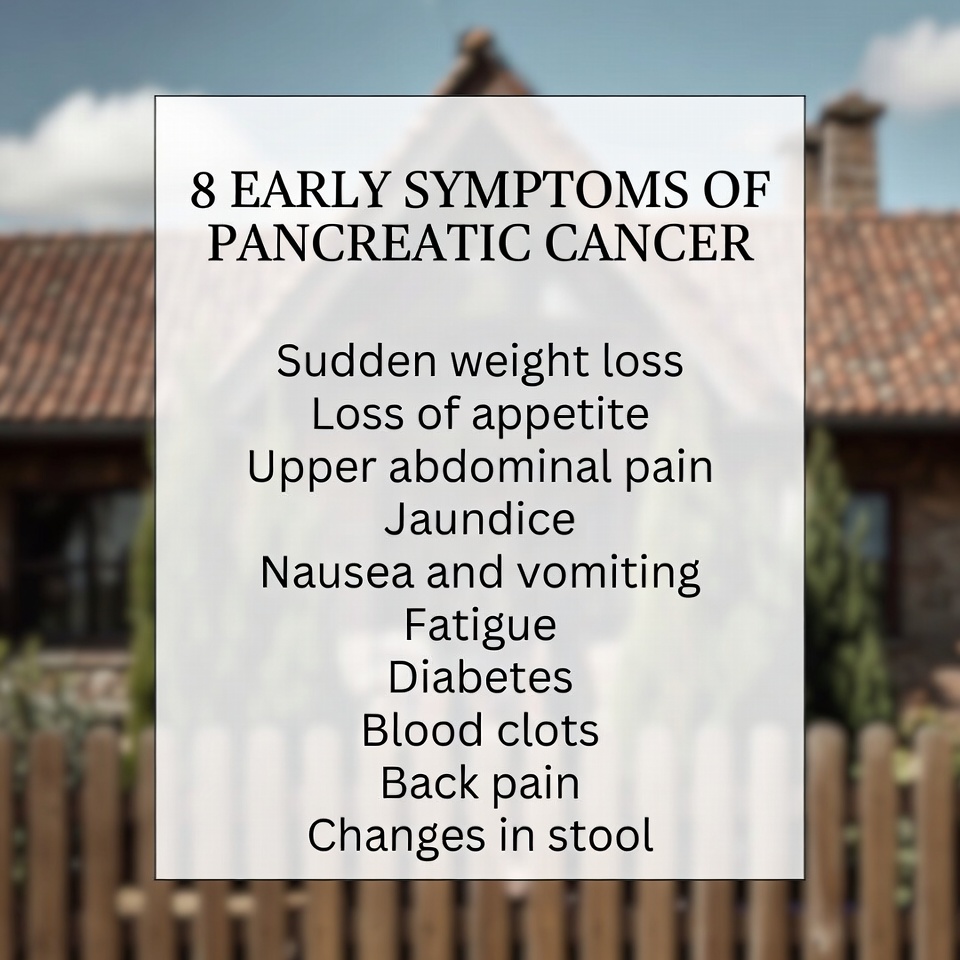
Pancreatic cancer is one of the hardest cancers to catch early because, in its initial stages, symptoms are often subtle, non-specific, or easily mistaken for common digestive issues. That’s why knowing the possible early signs can make a meaningful difference. Having just one symptom does not automatically mean cancer—but if several appear together or they persist over time, it’s important to seek medical advice rather than dismiss them.
1) Abdominal Pain or Mid-Back Pain
One of the earliest symptoms can be discomfort in the upper abdomen or pain that radiates to the middle of the back. People often describe it as a deep, dull ache. It may feel worse when lying down and ease slightly when leaning forward. Because it can resemble muscle strain or routine digestive discomfort, medical evaluation is frequently delayed.
2) Unexplained Weight Loss
Losing weight without changing diet or exercise is a major red flag worth taking seriously. It can happen when the body is not absorbing nutrients properly or when there is an underlying metabolic issue. In pancreatic cancer, unintentional weight loss may occur even at relatively early stages.
3) Reduced Appetite or Feeling Full Quickly
Another common early complaint is loss of appetite or becoming full after eating only small portions. This may be linked to disrupted digestion and changes in pancreatic enzyme production, both of which can affect how the body processes food.
4) Jaundice (Yellowing of Skin and Eyes)
Jaundice is a key symptom, often noticeable as a yellow tint to the skin and the whites of the eyes. It may also come with:
- Dark urine
- Pale or clay-colored stools
This can occur when a tumor blocks the bile duct, preventing bile from flowing normally.
5) Changes in Stool
Stool changes can be an important warning sign, especially when they suggest poor fat digestion. Watch for stools that are:
- Pale
- Greasy or oily
- Unusually foul-smelling
- Floating in the toilet
These features may point to reduced pancreatic function and impaired breakdown of fats.
6) Ongoing Fatigue That Doesn’t Improve With Rest
Persistent fatigue can appear early and may feel different from typical tiredness. Rather than improving after sleep, it tends to linger as a constant low-energy state, often accompanied by generalized weakness.
7) New-Onset Diabetes or Sudden Changes in Blood Sugar Control
Because the pancreas plays a central role in regulating blood glucose, pancreatic disease can affect sugar metabolism. Potential early signs include:
- Newly diagnosed diabetes, especially without obvious risk factors
- A sudden, unexpected worsening of glucose control in people who already have diabetes
8) Nausea, Indigestion, and Discomfort After Eating
Early pancreatic cancer symptoms may also include:
- Nausea
- Frequent indigestion
- Feeling unwell after meals
These are often mistaken for gastritis or everyday digestive problems, which can delay seeking care.
When to See a Doctor
Many of the symptoms above can be caused by conditions far less serious than pancreatic cancer. However, if they are persistent, progressive, or occur in combination, they should not be ignored. Early detection can significantly expand treatment options and improve outcomes. If you have concerns, consulting a qualified healthcare professional is always the safest step.