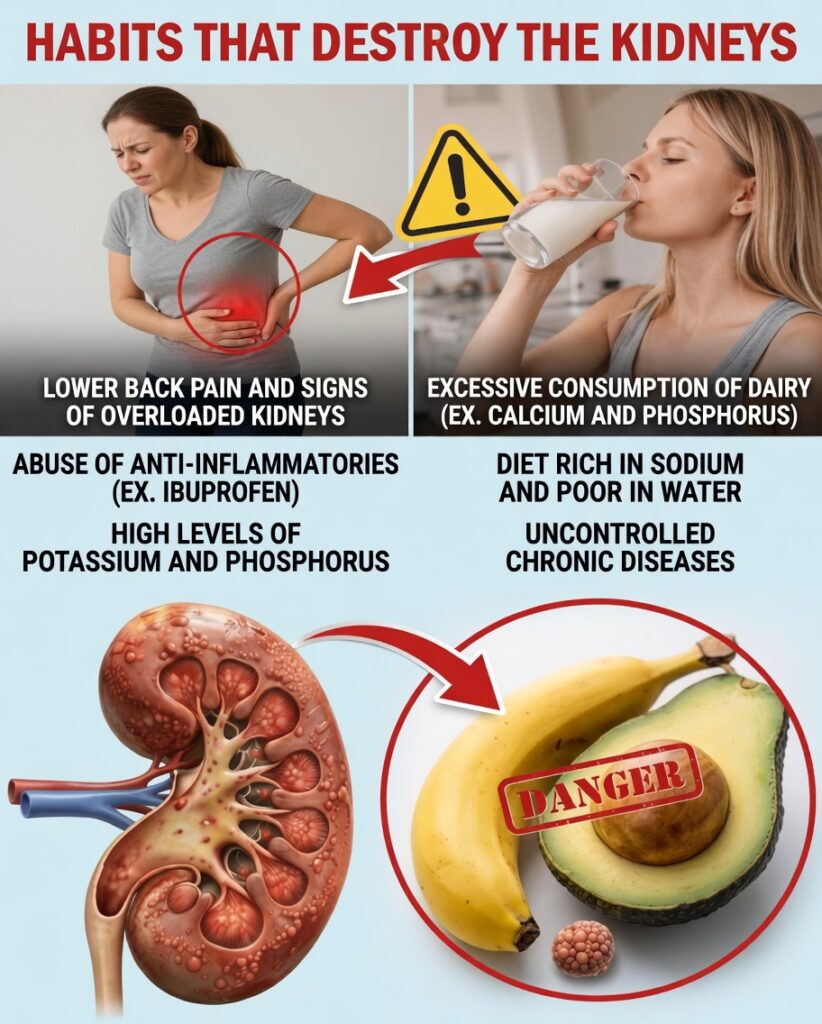
Constant fatigue, swelling, or dark urine can be early clues that your kidneys need attention. Many everyday habits that seem harmless may quietly strain your kidney health over time.
Your kidneys work in the background every single day—filtering waste, balancing fluids, and helping your body function properly. The challenge is that kidney issues often don’t cause noticeable symptoms at first. Small daily choices can build up for years, leading to low energy, puffiness, or a general sense of not feeling well.
The encouraging news: simple, consistent adjustments can make a meaningful difference—especially when you start early.
Why Kidney Health Deserves More Attention
Your kidneys filter roughly 190 liters of blood per day. They also help:
- Regulate blood pressure
- Support red blood cell production
- Maintain the balance of minerals and electrolytes
What many people overlook is straightforward: kidney problems often develop silently. That’s why paying attention to everyday routines is one of the most practical ways to protect long-term kidney function.
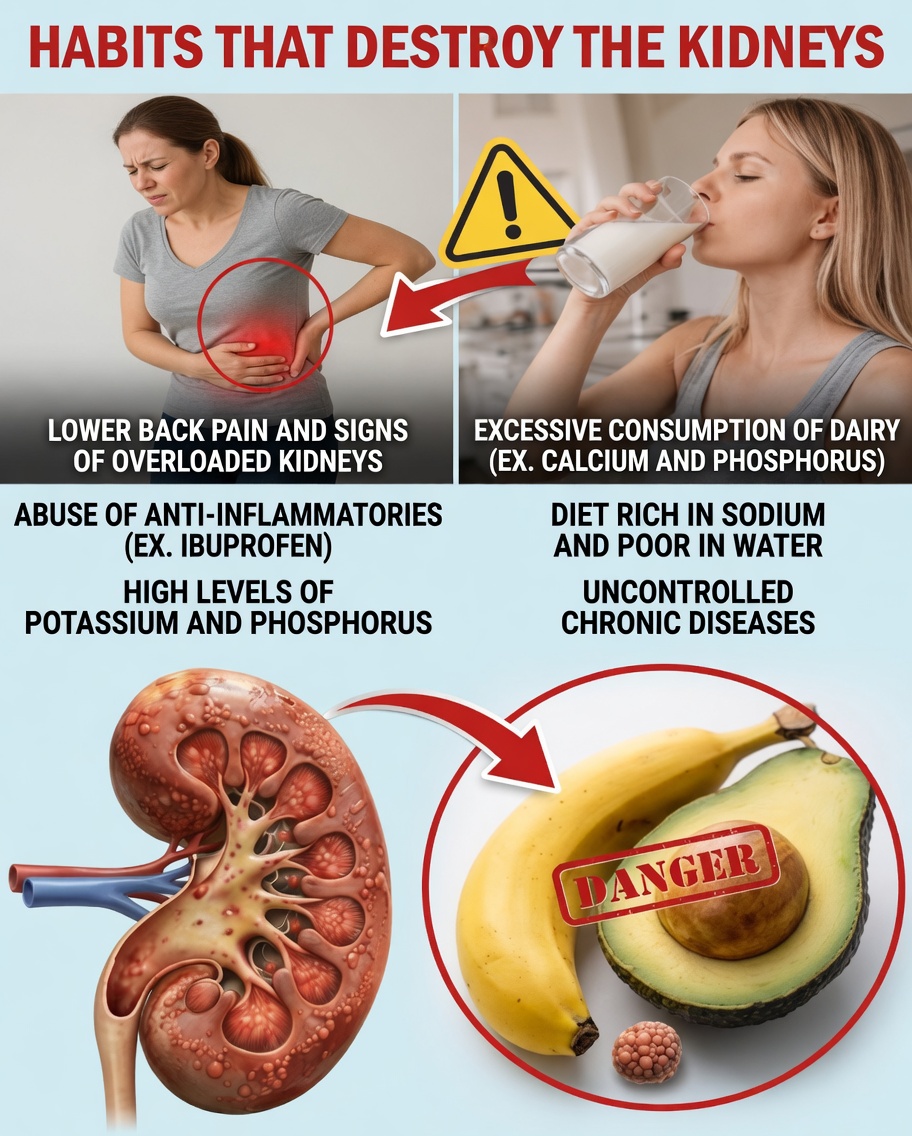
Below are 8 common habits that may be overloading your kidneys—and easy ways to improve them.
1. Not Drinking Enough Water
Dehydration is one of the most frequent sources of kidney stress. When you don’t drink enough, your kidneys must work harder to concentrate urine and remove waste.
Over time, this may increase the risk of mineral buildup.
What to do instead:
- Sip water throughout the day, not only large amounts at once
- Check urine color (ideally pale yellow)
- Drink more on hot days or when exercising
Balance matters—overhydration isn’t necessary for most people either.
2. Frequent Use of Painkillers
Many people rely on pain relievers for headaches or muscle aches. However, frequent use—or high doses—can reduce blood flow to the kidneys, increasing strain when it happens repeatedly.
Healthier alternatives:
- Use pain medication only when truly needed
- Avoid mixing medications without professional guidance
- Try non-medication strategies like stretching, massage, or relaxation techniques
3. Eating Too Much Salt
Salt boosts flavor, but excess sodium can raise blood pressure—one of the biggest risk factors linked to kidney damage. Many people consume far more sodium than they realize.
Small changes that help:
- Cook at home more often
- Read nutrition labels (especially sodium content)
- Season with herbs, garlic, lemon, vinegar, or spices instead of extra salt
4. Relying Heavily on Processed Foods
Ultra-processed foods often contain high levels of sodium, preservatives, and additives. They’re convenient, but they can increase overall stress on the body—including the kidneys.
Simple swaps to try:
- Packaged snacks → fruit and nuts
- Instant noodles → brown rice with vegetables
- Sugary cereals → oatmeal with fruit
- Processed meats → grilled chicken or legumes
Gradual changes are usually easier to maintain long-term.
5. Ignoring High Blood Pressure or High Blood Sugar
This is a key point: high blood pressure and diabetes are two of the leading causes of kidney damage.
The issue is that many people feel fine and don’t notice symptoms—until problems are advanced.
What to do:
- Check blood pressure regularly
- Follow a balanced eating pattern
- Follow medical advice and treatment plans when needed
6. Sitting for Long Periods
A sedentary lifestyle affects circulation, body weight, and blood pressure—all of which influence kidney health.
The good news: even small amounts of movement can help.
Try this:
- Take a 10-minute walk after meals
- Choose stairs when possible
- Stretch during work breaks
7. Eating Excessive Protein
Protein is essential, but extremely high-protein diets—especially when combined with supplements—may increase kidney workload in some people.
This doesn’t mean protein is “bad.” It means balance matters.
An easy plate guide:
- ½ plate: vegetables
- ¼ plate: lean protein
- ¼ plate: whole grains
- Healthy fats in moderation
8. Not Getting Enough Sleep
Many people focus on food and exercise while overlooking sleep. During rest, your body helps regulate hormones, blood pressure, and cellular repair.
Regularly sleeping under 6 hours per night can affect multiple body systems, including kidney function.
Simple sleep improvements:
- Keep a consistent bedtime and wake time
- Reduce screen time before bed
- Make your bedroom dark and cool
A Simple Plan to Support Your Kidneys
If changing everything at once feels overwhelming, start small:
- Drink water consistently
- Replace one processed food each week
- Monitor blood pressure and blood sugar
- Move your body daily
- Aim for 7–8 hours of sleep
Consistency is more powerful than extreme, short-lived changes.
Signs You Should Seek Medical Guidance
Some symptoms deserve prompt attention:
- Persistent swelling in feet or ankles
- Frequent fatigue without a clear reason
- Changes in how often you urinate
- Very dark or foamy urine
These signs don’t automatically mean something serious, but they should be evaluated by a qualified healthcare professional.
Conclusion
Your kidneys work nonstop, even when you don’t notice. Staying well hydrated, reducing salt, eating a balanced diet, moving regularly, and prioritizing sleep can all help protect kidney function.
For many people, the biggest surprise is learning that sleep quality and protein balance can matter just as much as diet trends. Small daily habits can give your kidneys the support they need for years to come.
Disclaimer: This article is for informational purposes only and does not replace professional medical advice. If you have concerns about kidney health, consult a qualified healthcare provider.