8 Common Medications That May Strain Your Kidneys if Overused
Many people rely on familiar medications for pain relief, acid reflux, infections, and other everyday health concerns. What often goes unnoticed is that excessive use—or taking them for too long—can place significant stress on the kidneys. These essential organs remove waste from the bloodstream, balance fluids, and help keep the body functioning properly. When certain medicines are used too frequently or in high amounts, kidney function may decline, inflammation can develop, and in some cases, lasting damage may occur.
The encouraging part is that informed decisions can greatly lower the risk. Understanding which medications deserve extra caution is an important step toward protecting kidney health.
What surprises many people is that the risk does not come only from strong prescription drugs. Even common over-the-counter products and routinely prescribed medicines may become harmful when misused. Below are eight widely used medications and substances associated with possible kidney problems, along with reasons moderation matters and practical ways to use them more safely.
Why Some Medications Can Affect the Kidneys
The kidneys help process many of the substances that enter your body, including medications. Some drugs can narrow blood flow to the kidneys, cause crystals to form, trigger inflammation, or simply overwhelm the filtering system when used in large amounts or over long periods.
Health sources such as the National Institute of Diabetes and Digestive and Kidney Diseases (NIDDK) and WebMD point out that the risk can become higher when other factors are involved, including:
- Dehydration
- Existing kidney disease
- High blood pressure
- Older age
- Taking several medications at once
These medicines can be very effective and appropriate when used correctly. The problem usually begins when dosage, duration, or drug combinations go beyond what is safe.
1. Nonsteroidal Anti-Inflammatory Drugs (NSAIDs)
NSAIDs include well-known pain relievers such as:
- Ibuprofen (Advil, Motrin)
- Naproxen (Aleve)
- High-dose aspirin
These are commonly used for:
- Headaches
- Fever
- Muscle aches
- Arthritis pain
How NSAIDs may affect the kidneys
NSAIDs reduce the production of substances that help keep kidney blood vessels open. When taken too often or for extended periods, they may lower blood flow to the kidneys and increase the chance of kidney stress or even sudden kidney problems.
The risk is especially important for people who:
- Are dehydrated
- Have high blood pressure
- Are older adults
- Already have kidney concerns
Safer use tip
Use NSAIDs only as directed and preferably for short-term relief. If pain continues for more than a few days, speak with a healthcare professional about other options.
2. Acetaminophen (Tylenol)
Acetaminophen is often viewed as a gentler choice for pain and fever, and it is widely used for:
- Headaches
- Cold symptoms
- Minor body aches
Where the risk comes in
Although it is usually easier on the stomach than NSAIDs, taking too much acetaminophen—especially repeatedly or in high daily amounts—may still place strain on the kidneys. The risk may rise further when combined with factors such as alcohol use or pre-existing health issues.
Safer use tip
Always read labels carefully, especially on cold and flu products, because many combination medicines already contain acetaminophen. Taking multiple products at once can accidentally push you over the recommended daily limit. Use the lowest dose that works.
3. Proton Pump Inhibitors (PPIs)
Proton pump inhibitors are commonly used to reduce stomach acid. Popular examples include:
- Omeprazole (Prilosec)
- Esomeprazole (Nexium)
- Lansoprazole (Prevacid)
They are often taken for:
- Heartburn
- Acid reflux
- Stomach ulcers
Possible kidney concerns
Some research has linked long-term or heavy use of PPIs to changes in kidney function over time. While these medicines can be very helpful, they are not always meant for indefinite use without follow-up.
Safer use tip
Try to use PPIs for the shortest appropriate period. After symptoms improve, some people may be able to switch to milder acid-reducing options under medical guidance.
4. Certain Antibiotics
Some antibiotics—particularly those used for more serious infections—can affect the kidneys when doses are high or treatment lasts a long time. One example is the aminoglycoside group, which includes gentamicin.
Why antibiotics can matter
Because the kidneys help clear these drugs from the body, excessive exposure may place stress on kidney cells.
It is important to note that many commonly prescribed antibiotics are generally safe when taken correctly. Even so, proper use remains essential.
Safer use tip
Take antibiotics exactly as prescribed, finish the course unless told otherwise by your doctor, and mention any unusual symptoms right away. Staying well hydrated during treatment may also help support kidney function.
5. Diuretics (Water Pills)
Diuretics are often prescribed for:
- High blood pressure
- Heart failure
- Swelling or fluid retention
Examples include:
- Furosemide (Lasix)
- Hydrochlorothiazide
How overuse may affect the kidneys
These medications increase urine production. If fluid loss becomes too great, dehydration can follow, and that may indirectly stress the kidneys.
Safer use tip
Take diuretics exactly as directed. If you notice symptoms such as:
- Strong thirst
- Dizziness
- Weakness
- Lightheadedness
report them promptly to your healthcare provider.
6. ACE Inhibitors and ARBs
These blood pressure medications are often very beneficial and can even help protect the kidneys in many people. Common examples include:
ACE inhibitors
- Lisinopril
- Enalapril
ARBs
- Losartan
- Valsartan
When caution is needed
Although these drugs are useful, they can sometimes cause temporary changes in kidney function, especially when:
- The dose is high
- You are dehydrated
- They are combined with NSAIDs
- Other kidney stressors are present
Safer use tip
Regular blood tests are important when starting these medicines or adjusting the dose. Monitoring helps ensure your kidneys are tolerating the treatment well.
7. Contrast Dyes Used in Imaging Tests
This is not a daily medication, but it is still worth mentioning. Intravenous contrast dye used in tests such as CT scans or angiograms can sometimes affect the kidneys, especially in people who are already vulnerable.
Why it matters
In some individuals, contrast agents may temporarily reduce kidney function. The risk can be greater with repeated exposure or larger amounts.
Safer use tip
Before any imaging test involving contrast, tell your doctor if you have:
- Kidney disease
- Diabetes
- High blood pressure
- A history of dehydration
- Previous contrast-related issues
8. Some Herbal Supplements and Certain Laxatives
Not every kidney risk comes in the form of a prescription pill. Some herbal products, stimulant laxatives, and supplements containing high amounts of substances like potassium or phosphorus can also create problems when overused.
How they may strain the kidneys
When these compounds build up in the body, the kidneys may struggle to remove the excess. That can lead to unwanted imbalances and additional kidney stress.
Safer use tip
Choose gentler, fiber-based approaches for regular bowel support when appropriate, and talk with a healthcare professional before using supplements or laxatives frequently.
Quick Kidney-Safety Reminders
Keep these basic precautions in mind:
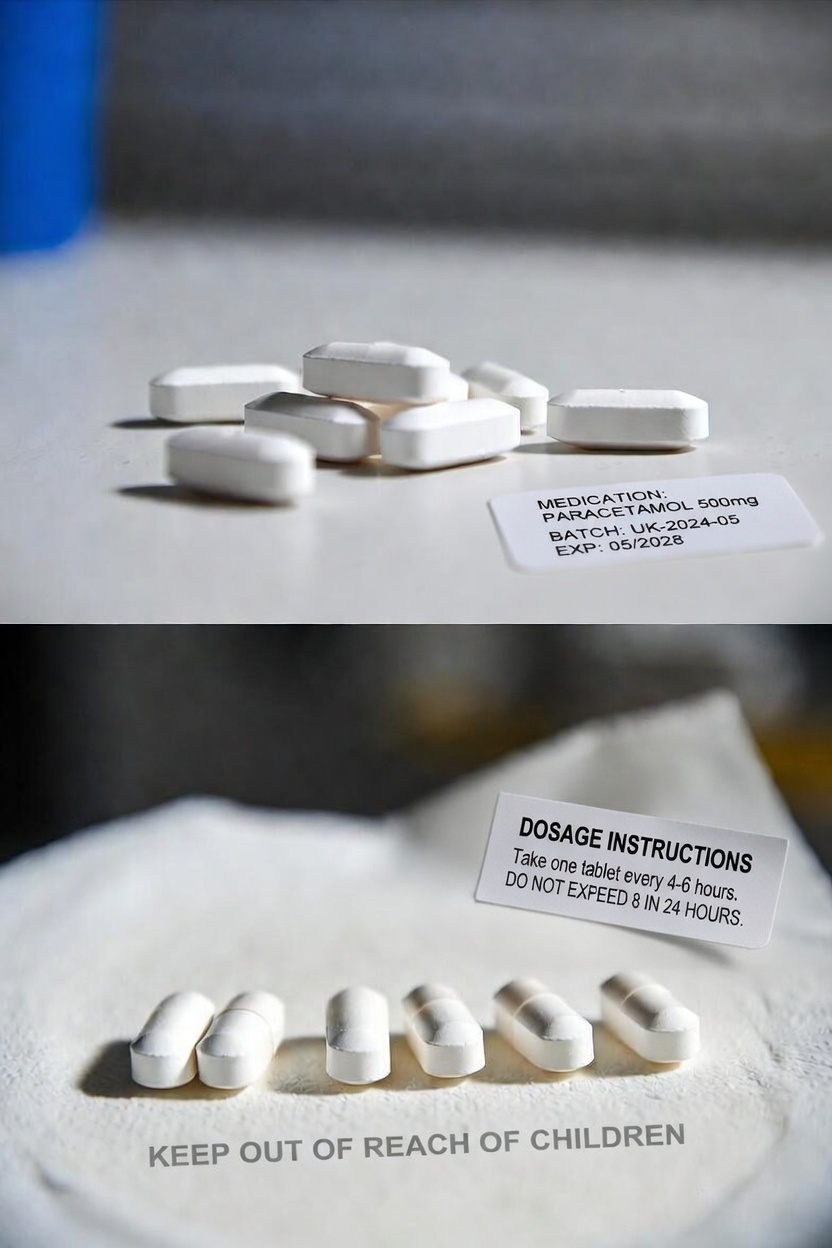
- Read every label carefully and follow dosage instructions exactly.
- Stay hydrated, especially when taking medications that may affect kidney function.
- Do not combine potentially risky drugs without medical advice, such as NSAIDs and diuretics.
- Schedule regular check-ups if you use any medicine long term.
- Consider non-drug approaches first for minor issues, such as rest, heat, stretching, or simple lifestyle changes.
Simple Steps You Can Take Today to Support Kidney Health
Protecting your kidneys does not always require major changes. Small daily habits can make a meaningful difference.
1. Keep track of what you take
Use a notebook, medication list, or app to record:
- Medicine names
- Dosages
- How often you take them
This helps reduce the chance of doubling up or taking too much.
2. Drink enough fluids
Unless your doctor has placed you on fluid restrictions, staying properly hydrated supports normal kidney function.
3. Review all medications with a professional
Bring everything you use to your next appointment, including:
- Prescription drugs
- Over-the-counter products
- Vitamins
- Herbal supplements
A full review can identify unnecessary overlap or risky combinations.
4. Consider alternatives when possible
For some people, acetaminophen at the recommended dose may be a better occasional option than NSAIDs, particularly if kidney concerns are already present.
5. Pay attention to warning signs
Seek medical advice early if you notice symptoms such as:
- Swelling
- Fatigue
- Changes in urination
- Reduced urine output
Conclusion
Your kidneys do a huge amount of work every day, often without any attention at all. But they are not immune to stress. Being careful with these eight common medications and avoiding overuse can help lower the risk of unnecessary kidney strain and support long-term health.
Simple habits—such as following dosage instructions, avoiding unnecessary combinations, and staying hydrated—can go a long way in protecting kidney function.
FAQ
What are early signs that medication may be affecting the kidneys?
Possible warning signs include:
- Less urine than usual
- Swelling in the legs or ankles
- Unusual tiredness
- Foamy urine
If you notice any of these symptoms, contact a healthcare provider.
Are all pain relievers harmful to the kidneys?
No. Many pain relievers are safe when used properly. For people concerned about kidney health, acetaminophen is often considered a more suitable short-term option than NSAIDs, but it still must be used according to guidelines.
Can healthy people still take these medications?
Yes. For most people, occasional or short-term use at the correct dose is generally low risk. Problems are more likely to develop with excessive use, long-term use, dehydration, or other health conditions.