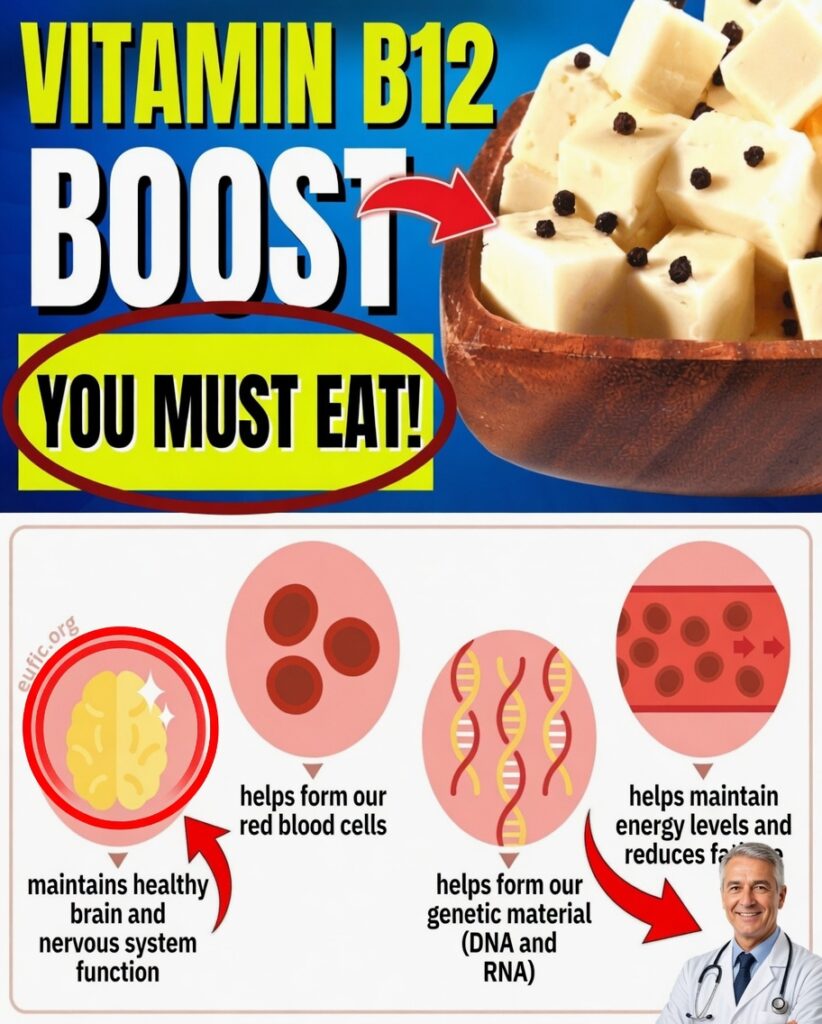
Mental Fatigue, Poor Focus, and Weak Memory? Your Brain May Need More Vitamin B12
Have you ever stared at your screen, trying to concentrate, but your mind just won’t cooperate? Many people over 30 describe frequent episodes of brain fog, low energy, and struggling to stay focused. Now picture enjoying a tender salmon fillet—and noticing your thoughts feel a little sharper afterward. On a scale from 1 to 10, how clear does your mind feel right now?
If your concentration fades easily or mental exhaustion hits halfway through the day, the solution may be closer than you think: your diet. Vitamin B12-rich foods can help support brain function, the nervous system, and healthy energy levels. Below are seven simple foods high in vitamin B12 that may make a meaningful difference in your mental well-being.
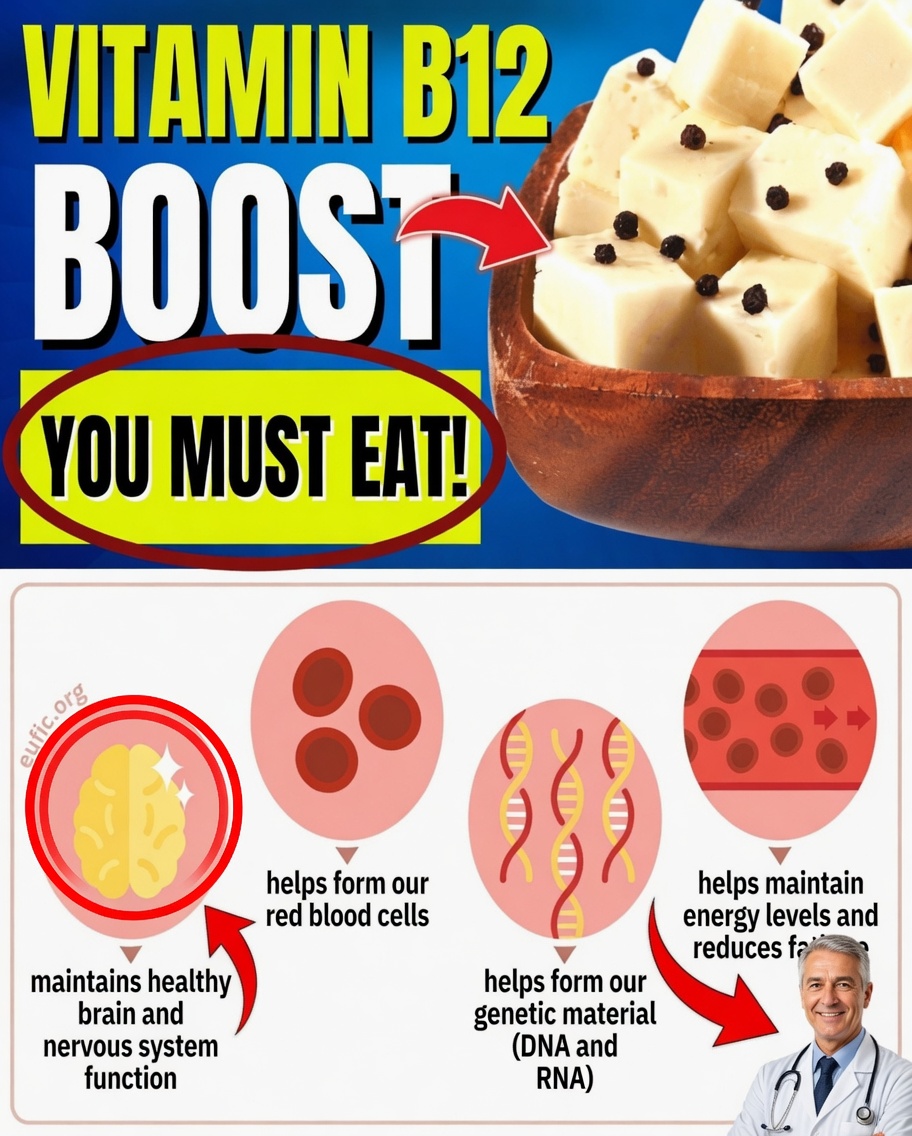
Why Vitamin B12 Matters for Brain Health
Vitamin B12 plays a key role in:
- Red blood cell formation
- Nerve function and nervous system support
- Brain health and cognitive performance
When B12 levels are too low, symptoms may include:
- Persistent fatigue
- Memory lapses
- Difficulty focusing
- Mood changes
The good news: several natural foods provide excellent amounts of vitamin B12.
1. Salmon — Natural Support for Mental Clarity
Salmon is one of the best dietary sources of vitamin B12 and also supplies omega-3 fatty acids. Together, these nutrients support healthy brain function and may contribute to clearer thinking. Eating salmon a few times per week is a flavorful way to nourish your mind.
2. Eggs — Steady Energy for Your Day
Eggs are affordable, widely available, and nutrient-dense. The yolk contains vitamin B12, which supports energy metabolism. Starting your morning with eggs can help you feel more stable energy and better concentration throughout the day.
3. Clams — A Powerful Boost for Memory
Clams are among the most concentrated food sources of vitamin B12. Even a small serving can deliver a significant amount. They also provide important minerals that support the nervous system and memory-related brain functions.
4. Beef — Nervous System and Energy Support
Beef contains a substantial amount of vitamin B12, helping maintain healthy nerves and cellular energy production. When eaten in moderation and prepared in a balanced way, lean beef can support overall vitality.
5. Yogurt — Balance, Gut Health, and Well-Being
Plain yogurt provides vitamin B12 along with probiotics, which support a healthy gut microbiome. Because gut health can influence mood and overall well-being, yogurt can be a smart addition to a brain-supportive diet.
6. Milk — A Simple Way to Support Focus
Milk is a convenient source of vitamin B12 and calcium. These nutrients contribute to proper nervous system function and also support bone health—an added benefit of including dairy in your routine (if tolerated).
7. Tuna — Energy and Cognitive Support
Tuna is another fish rich in vitamin B12 and high-quality protein. Adding tuna to salads or light meals can help maintain energy levels and support cognitive function throughout the day.
How to Add These Vitamin B12 Foods to Your Routine
Try rotating these foods across the week with easy meal ideas:
- Breakfast: eggs with spinach or plain yogurt
- Lunch: salad topped with salmon or tuna
- Dinner: lean beef or clams with vegetables
- Snacks: yogurt or a smoothie made with milk
Consistent variety can help you maintain healthy vitamin B12 intake over time.
A Small Habit That Can Improve Your Mental Clarity
Imagine how you might feel in a few weeks with better focus, more energy, and a clearer mind. Often, small nutrition upgrades create noticeable results. Start today by adding just one vitamin B12-rich food to a meal and pay attention to how your body responds.
Your brain works for you nonstop—giving it the right nutrients may be one of the simplest ways to support both mental and physical health.
Disclaimer
This content is for informational purposes only and does not replace professional medical advice. For personalized guidance, consult a qualified healthcare professional.