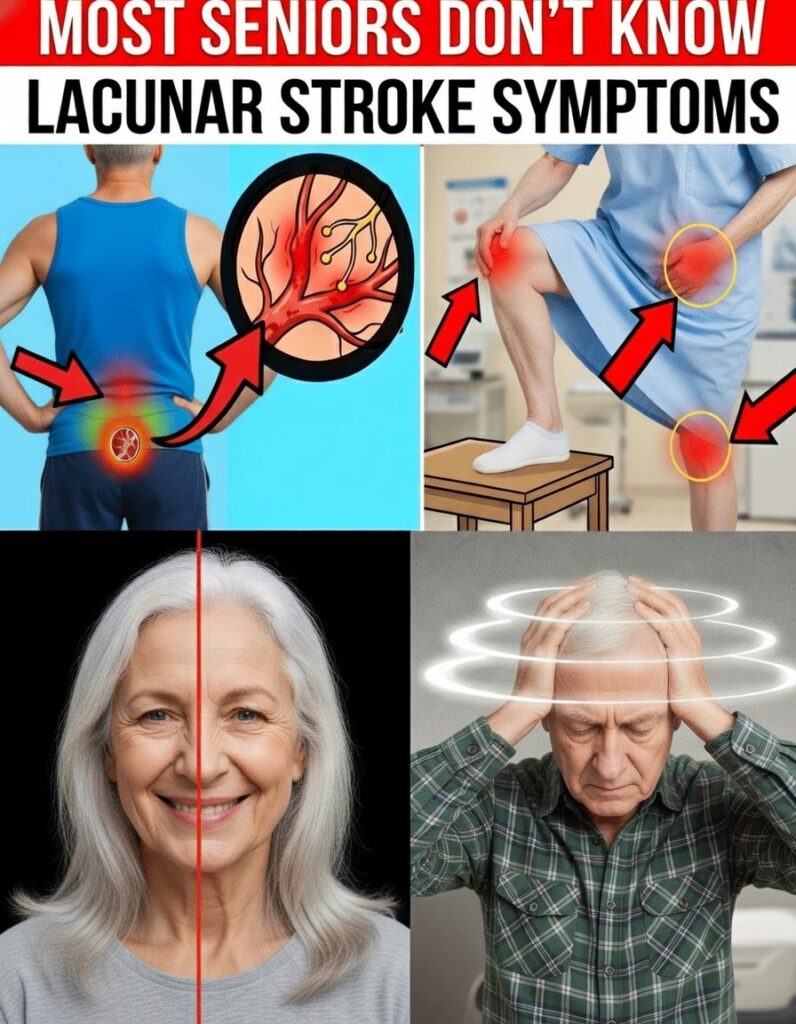
Subtle Changes After 60 That May Signal Small Vessel Strokes
Many people in their 60s and beyond notice minor issues—an occasional stumble, brief forgetfulness, or a strange sensation that quickly passes—and chalk them up to “just getting older.” While aging does bring natural changes, these mild shifts can sometimes point to something more serious: lacunar strokes.
Lacunar strokes are tiny strokes that occur in the deep structures of the brain due to blockage of small penetrating arteries. They are much more common than most realize, accounting for roughly 20–25% of all ischemic strokes. “Silent” lacunar strokes, which cause no obvious symptoms at the time, show up on MRI scans in about 20–40% of older adults who appear otherwise healthy, with even higher rates in those over 80.
The challenge is that these early signs are easy to ignore or mislabel as normal aging. Over time, however, repeated small vessel events can quietly accumulate and affect mobility, thinking, and independence. Keep reading—toward the end you’ll find practical, science-based steps you can start today to support brain vascular health and guidance on when it’s wise to speak with a doctor.
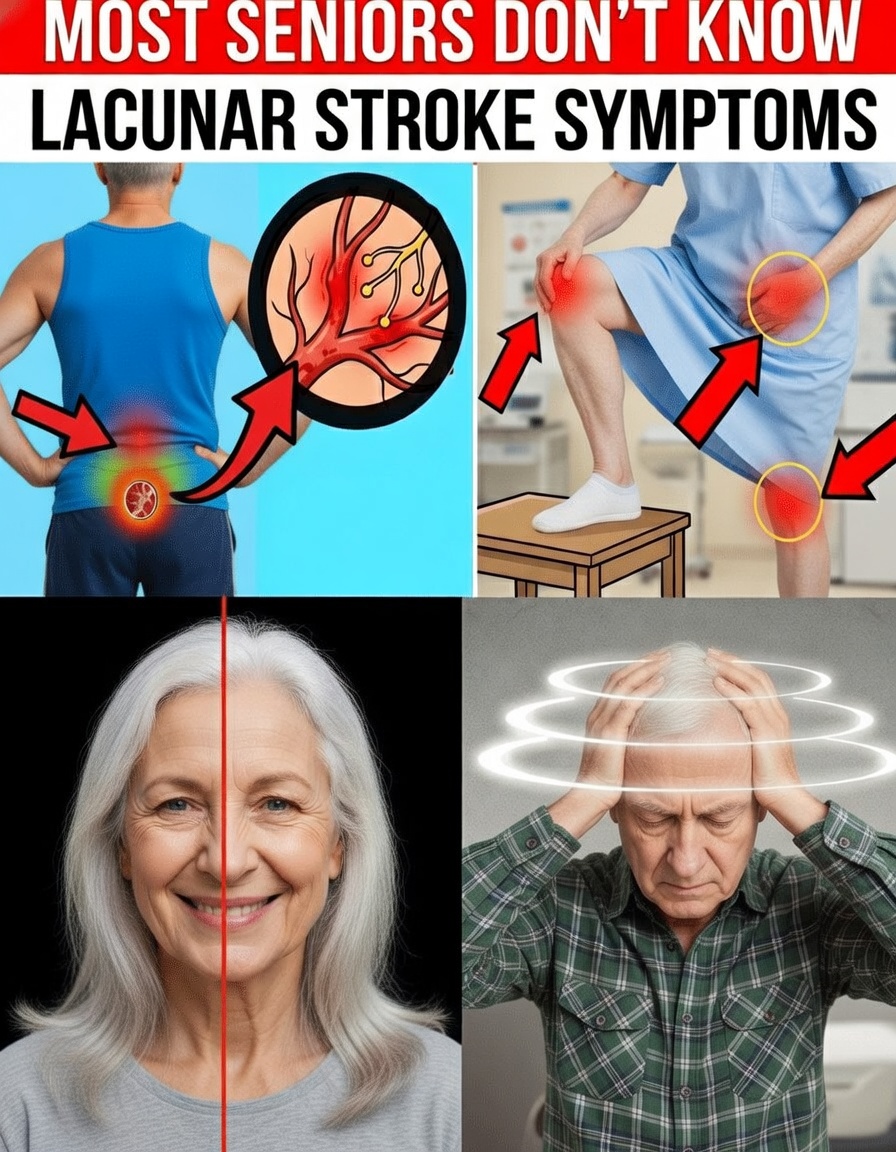
Why Lacunar Strokes Often Go Unnoticed
Lacunar strokes develop when very small arteries deep within the brain become blocked, most often after years of elevated blood pressure and other vascular changes. Unlike large strokes that typically cause dramatic and unmistakable symptoms, these small strokes usually affect regions such as:
- The basal ganglia
- The thalamus
- Deep white matter pathways
Because these strokes occur below the brain’s surface, they frequently do not produce “cortical” signs like language loss (aphasia) or neglect of one side of space. As a result:
- Many episodes cause no obvious symptoms at the time (clinically “silent”).
- Multiple small strokes over years can gradually lead to problems with walking, balance, thinking, mood, or bladder control.
Population-based MRI studies consistently show how common these changes are in older brains, highlighting the importance of paying attention to seemingly minor, step-wise, or fluctuating changes—not just dramatic events.
The encouraging part: recognizing these patterns early creates an opportunity for lifestyle changes and medical interventions that can protect your brain’s blood vessels.
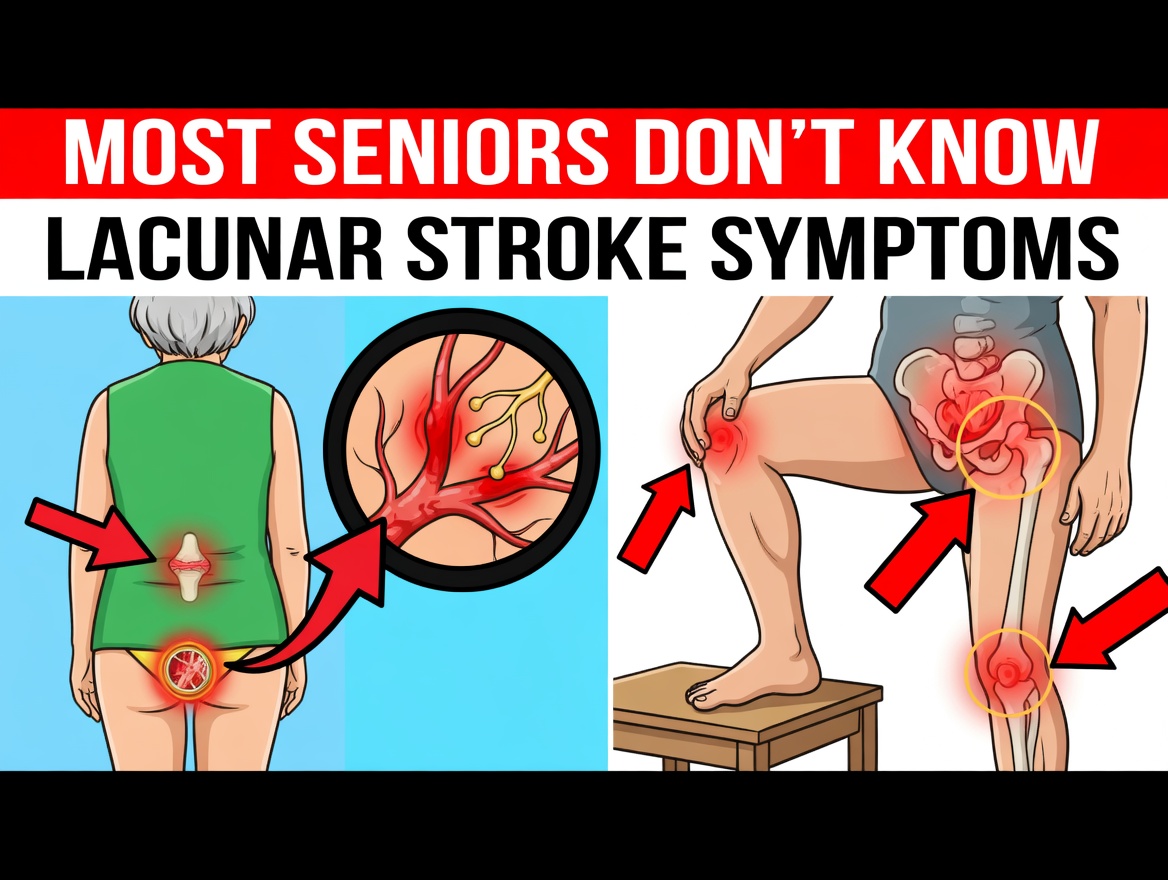
Major Risk Factors for Lacunar (Small Vessel) Stroke
Certain risk factors significantly increase the likelihood of small vessel disease and lacunar strokes:
- Long-standing high blood pressure (hypertension)
- Diabetes or impaired blood sugar control
- Current or past smoking
- Elevated cholesterol or other lipid problems
- Advancing age
- Heart rhythm problems, such as atrial fibrillation
Managing these risks through regular medical follow-up and healthy daily habits is one of the strongest foundations for long-term brain health.
7 Common but Often Overlooked Warning Signs After Age 60
The following patterns are frequently described in research and clinical practice. Each of them can have multiple causes, but when they appear suddenly, occur on one side, or worsen in a step-wise fashion, they deserve attention.
1. Short Episodes of Confusion or “Mental Haze”
Brief spells where you:
- Feel unusually foggy or disoriented
- Momentarily lose track of where you are or what you were doing
- Then return to normal within minutes
These transient, TIA-like episodes in deep brain regions can act as early warning signs that small vessel blood flow is being compromised.
2. Changes in Memory, Thinking Speed, or Mood
Gradual shifts such as:
- Slower mental processing or difficulty organizing tasks
- Trouble planning or switching between activities
- Increasing apathy, loss of motivation, or pulling back socially
Vascular cognitive changes often progress in a step-wise fashion, with noticeable “drops” in function, rather than the smooth, continuous decline seen in some other dementias.
3. New Urinary Urgency, Frequency, or Leakage
Patterns to watch for include:
- Needing to rush to the bathroom much more often
- More frequent nighttime trips to urinate
- Occasional leakage or accidents that weren’t happening before
Damage along frontal and deep brain pathways can disrupt normal bladder control signals, leading to urgency or incontinence.
4. Increasing Difficulty with Walking and Balance
You may notice:
- Short, shuffling steps
- A sensation that your feet are “stuck to the floor”
- Needing several small steps to turn around
- More frequent, unexplained stumbles or falls
Vascular injury in basal ganglia circuits often affects lower-body movement first. Unlike Parkinson’s disease, tremor may be absent, which can make these changes less obvious.
5. Sudden Weakness or Clumsiness in One Limb
Examples include:
- A heavy or “dead” feeling in one arm or leg
- Dropping objects from one hand without clear reason
- Awkward, uncoordinated movements on one side
These symptoms may resolve quickly (like a mini-event) or leave a lingering mild weakness. Pure motor strokes are among the classic presentations of lacunar events.
6. Odd One-Sided Sensations
Abrupt onset of:
- Numbness or “pins and needles”
- Tingling or burning sensations
- Uncomfortable sensory changes affecting one side of the face, arm, and/or leg
When the thalamus or nearby sensory pathways are involved, these unusual sensations can persist and sometimes be quite bothersome.
7. Coordination Problems or Dizziness
Signs can include:
- Clumsiness or a feeling that your movements are “off”
- Unsteadiness, especially when turning or changing position
- Spinning or vertigo-like sensations brought on by movement
Lacunar strokes in the pons or other deep brainstem and cerebellar connections can cause ataxia (coordination problems) or dizziness without other obvious stroke symptoms.
Many of these issues overlap with complaints often attributed to aging, arthritis, or stress—which is exactly why they can be missed.
How Lacunar-Related Changes Differ from Normal Aging
Below is a simplified comparison to help distinguish possible small vessel stroke patterns from typical aging or other common conditions:
| Aspect | Possible Lacunar-Related Pattern | Typical Aging Change | Other Common Causes (e.g., Arthritis) |
|---|---|---|---|
| Onset | Sudden, step-wise, or fluctuating | Very gradual over many years | Gradual, often linked to specific activities |
| Key Features | Often one-sided, localized (e.g., one arm or leg) | General slowing or mild forgetfulness | Joint pain, stiffness, limited range of motion |
| Progression | New deficits may “stack up” over time | Slowly progressive, fairly consistent | Worsens with joint use or certain movements |
| Associated Changes | May include balance, bladder, or thinking changes together | Mild forgetfulness without focal symptoms | Localized discomfort, swelling, or mechanical pain |
Tracking when symptoms start, how they change, and whether they are one-sided or step-wise can greatly help in determining whether they might be vascular in origin.
Practical Steps to Support Brain Vascular Health
You can begin protecting your brain’s blood vessels today, even before your next appointment. Evidence-based strategies include:
-
Check your blood pressure at home
Aim for readings consistently below 130/80 mmHg if your healthcare provider recommends this target. Bring your home readings to appointments. -
Adopt a Mediterranean-style eating pattern
Emphasize vegetables, fruits, whole grains, legumes, nuts, fish, and olive oil, while limiting processed foods, sugar, and unhealthy fats. -
Move your body regularly
Try to walk or engage in moderate activity for 20–30 minutes most days of the week. Add simple balance exercises, such as standing on one leg (near a stable surface for safety). -
Stay well hydrated and moderate salt intake
Adequate fluids and lower sodium help support healthy blood pressure and circulation. -
Avoid smoking and limit alcohol
If you smoke, seek support to quit. Keep alcohol within recommended limits or avoid it entirely if advised. -
Keep up with routine medical check-ups
Regularly monitor cholesterol, blood sugar, and heart rhythm (especially if you have palpitations or known arrhythmias). -
Discuss preventive medications with your clinician
In some higher-risk individuals, doctors may consider low-dose aspirin or other therapies. Never start these on your own—always consult a professional first.
Consistent, small improvements maintained over months and years can significantly reduce the risk of stroke and slow small vessel damage.
When to Contact a Healthcare Professional
Seek medical evaluation—promptly—if you notice:
- Sudden or step-wise changes in strength, sensation, balance, or speech
- New, unexplained one-sided symptoms (weakness, numbness, or visual changes)
- Worsening gait, falls, or bladder issues that are not easily explained
Early assessment can lead to appropriate testing, such as MRI or other imaging when indicated, and tailored strategies to manage vascular risk factors. Acting quickly offers the best chance to prevent further injury and preserve function.
FAQ
How are lacunar strokes different from other strokes?
Lacunar strokes affect very small, deep arteries rather than large surface vessels. They typically cause more localized, subcortical symptoms and often do not involve problems like major language loss or large visual field deficits seen with large cortical strokes. Some lacunar strokes are so subtle that they are only discovered on brain imaging.
Can lifestyle changes actually reduce the risk?
Yes. Strong research links good control of blood pressure, diabetes, and cholesterol—as well as not smoking and staying active—to slower progression of small vessel disease and a lower risk of future strokes, both large and small.
If a lacunar stroke is “silent,” is it still a concern?
Yes. Silent lacunar strokes indicate underlying damage to the brain’s small vessels and are associated with a higher risk of future symptomatic strokes, cognitive decline, and mobility issues. If such findings appear on an MRI, it is important to discuss them with your healthcare provider to optimize prevention strategies.
This material is for educational purposes only and does not replace personalized medical advice. Always consult a qualified healthcare professional about any symptoms, concerns, or treatment decisions.