7 Common Signs of Endometriosis Many Women Overlook
A lot of women go through intense discomfort during their menstrual cycle and assume it is simply part of being female. However, when the pain becomes so severe that it affects work, social life, and even basic daily activities, it can feel exhausting and lonely. This kind of ongoing struggle does not just impact the body. It can also influence mood, confidence, and overall quality of life.
The encouraging part is that paying attention to recurring symptoms can help you recognize when something more may be happening. Once you spot those patterns, it becomes easier to seek the support you need. And there is one simple everyday habit near the end of this article that many women say they wish they had started sooner.
What Is Endometriosis?
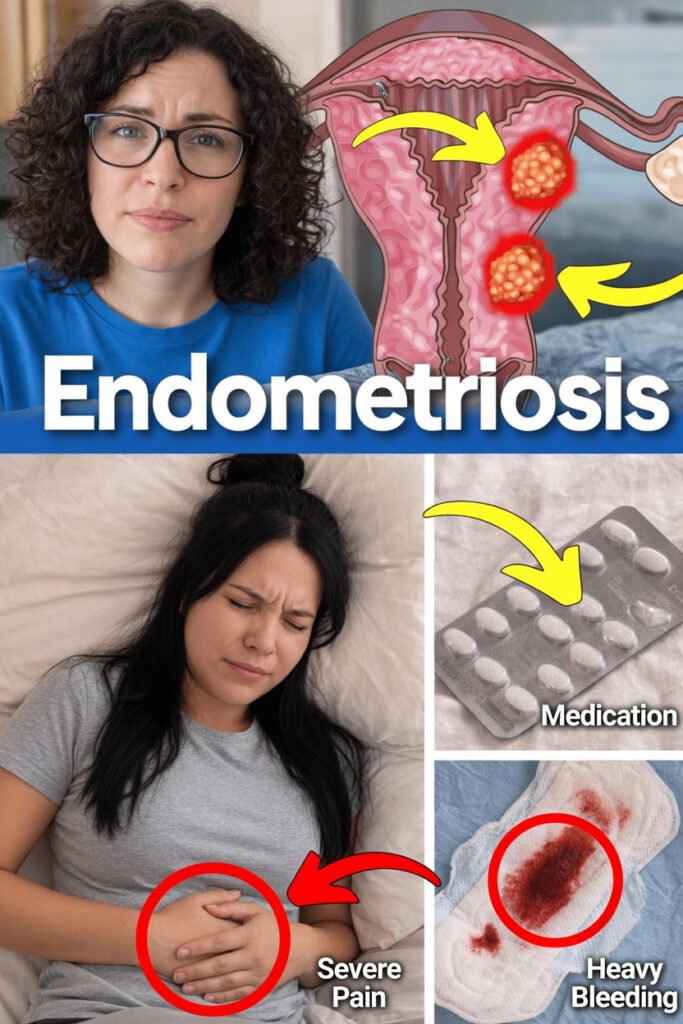
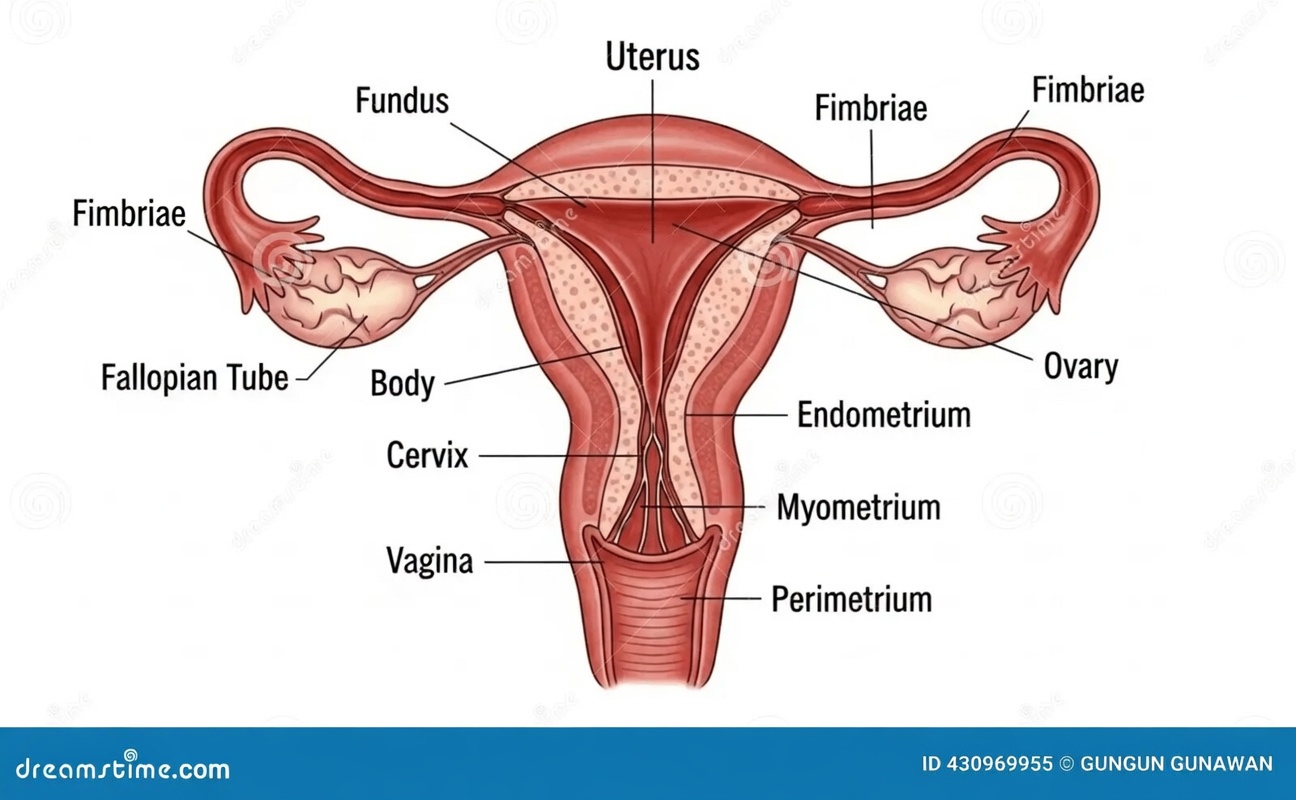
Endometriosis is a health condition in which tissue similar to the lining of the uterus grows outside the uterus. Experts from the Mayo Clinic explain that this may trigger inflammation, irritation, and scar tissue in the pelvic area. Although the exact cause is still not fully known, it affects millions of women of reproductive age around the world.
That is only the beginning. Let us look at the signs most often linked to endometriosis.
7 Common Signs Associated With Endometriosis
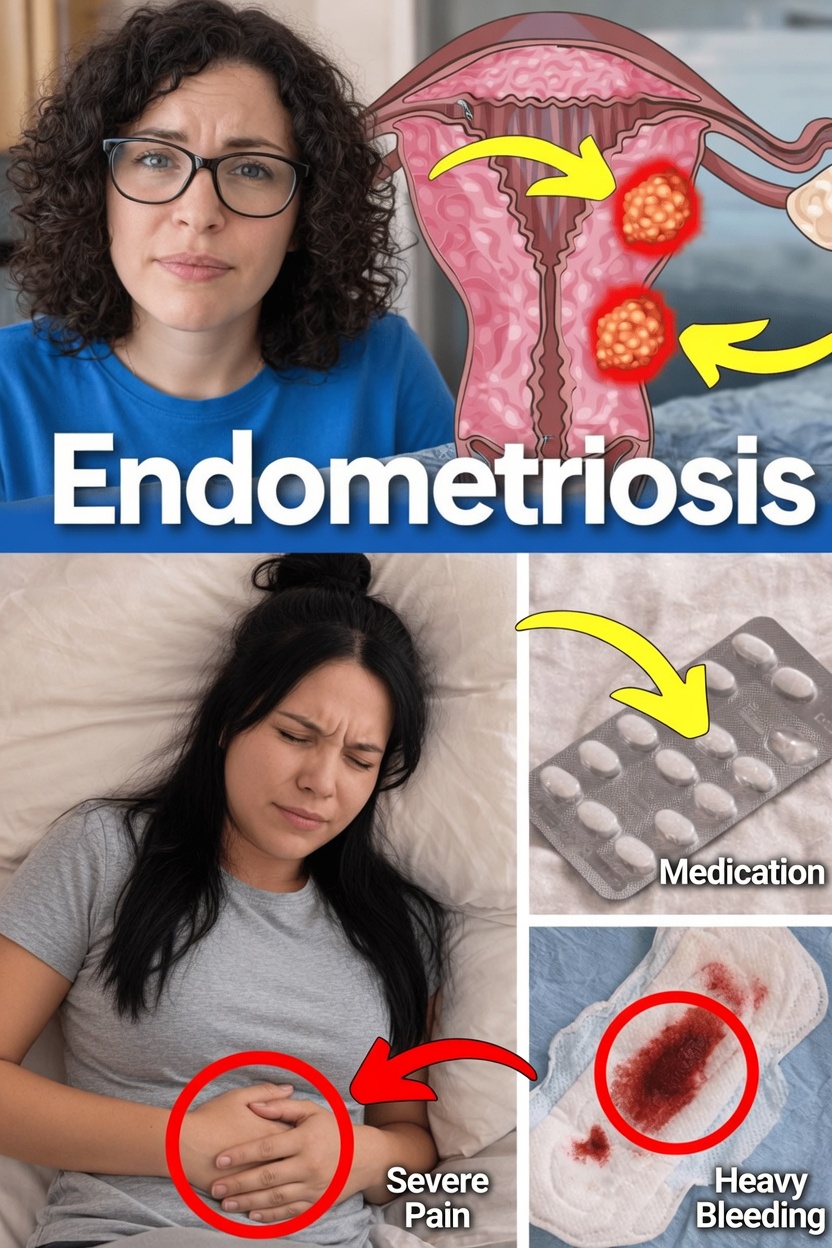
Below are seven symptoms commonly reported by women with endometriosis. Experiences can differ from person to person, but these signs are widely recognized by trusted medical sources such as the Mayo Clinic and Cleveland Clinic.
1. Severe Period Pain That Interrupts Daily Life
One of the best-known warning signs is extremely painful menstrual cramping. This is more than ordinary period discomfort. The pain can be intense enough to stop you from functioning normally, spreading into the lower back or thighs and lasting for several days. In some cases, it begins before the period starts and continues even after bleeding ends.
2. Ongoing Pelvic Pain Outside of Menstruation
Pelvic pain is not always limited to the days of your period. Some women describe a constant ache, while others feel sharp or stabbing pain at different points in the month. This lingering discomfort can make long periods of sitting, exercising, or moving around feel difficult.
3. Pain During or After Sex
Pain during intimacy, also known as dyspareunia, is another commonly reported symptom. It may feel deep inside the pelvis and can occur during sexual activity or continue afterward. Beyond the physical discomfort, this symptom can also affect relationships and self-esteem.
4. Painful Urination or Bowel Movements
Feeling pain, pressure, or unusual urgency when going to the bathroom, especially during your period, can be an important sign. Some women experience painful urination or bowel movements, while others notice constipation, diarrhea, or both around menstruation.
5. Heavy Periods or Irregular Bleeding
Endometriosis may also be linked with unusually heavy menstrual bleeding. This can mean needing to change pads or tampons very often, bleeding between cycles, or spotting in the days before a period begins.
6. Constant Fatigue and Sleep Problems
Feeling worn out all the time, even after a full night of sleep, is another issue many women report. Chronic pain and inflammation can drain energy and interfere with restful sleep, leading to daytime tiredness and reduced focus.
7. Trouble Getting Pregnant or Digestive Issues
For some women, fertility problems become noticeable when they start trying to conceive. Others may experience bloating, nausea, or digestive discomfort that becomes worse around their period. These symptoms may seem unrelated at first, but they can be part of the bigger picture.
Why These Symptoms Matter
These signs often overlap rather than appearing one by one. Understanding that connection can be an important step toward getting answers. According to the World Health Organization, endometriosis affects an estimated 10% of women of reproductive age and can seriously reduce quality of life.
In everyday life, this may show up as:
- Lower productivity at school or work because of pain
- Strained relationships caused by discomfort or exhaustion
- Emotional stress from not knowing why symptoms keep happening
- Trouble sticking to exercise plans or social commitments
Many women spend years trying to make sense of these symptoms before realizing they may be connected. Earlier awareness can make it easier to have informed conversations with a healthcare professional.
Simple Steps You Can Take Today
You do not need anything complicated to begin paying attention to your symptoms. Small, practical actions can make a real difference.
Try these habits:
- Keep a symptom journal and rate pain from 1 to 10
- Note where you are in your menstrual cycle when symptoms appear
- Record changes in sleep, digestion, mood, and energy
- Bring these notes to your next medical appointment
- On easier days, try gentle movement such as walking or stretching while respecting your limits
One everyday tip that many women find helpful is combining symptom tracking with a balanced diet that includes fruits, vegetables, and omega-3-rich foods. While results are different for everyone, this approach may support overall comfort and body awareness.

When to Speak With a Healthcare Professional
If several of these symptoms sound familiar and they are affecting your daily routine, it may be time to book an appointment with a gynecologist. A healthcare professional can review your medical history, discuss your symptoms, and guide you toward the next appropriate steps based on your individual situation.
Conclusion
Recognizing the common signs of endometriosis can help you feel more informed and more in control of your health. Every woman’s experience is different, but awareness makes it easier to speak up and seek support. You are not facing this alone, and even simple actions like tracking symptoms can lead to more helpful conversations and better care.
Frequently Asked Questions
1. Can endometriosis symptoms change over time?
Yes. For many women, the severity or pattern of symptoms may shift over the years, which is why ongoing symptom awareness is important.
2. Does every woman with painful periods have endometriosis?
No. Many women have typical menstrual cramps. However, severe, persistent, or disruptive pain should be discussed with a healthcare provider.
3. Are fatigue and sleep problems common with endometriosis?
Yes. Fatigue is often reported alongside pain and inflammation, and it can have a major impact on daily energy, concentration, and overall well-being.