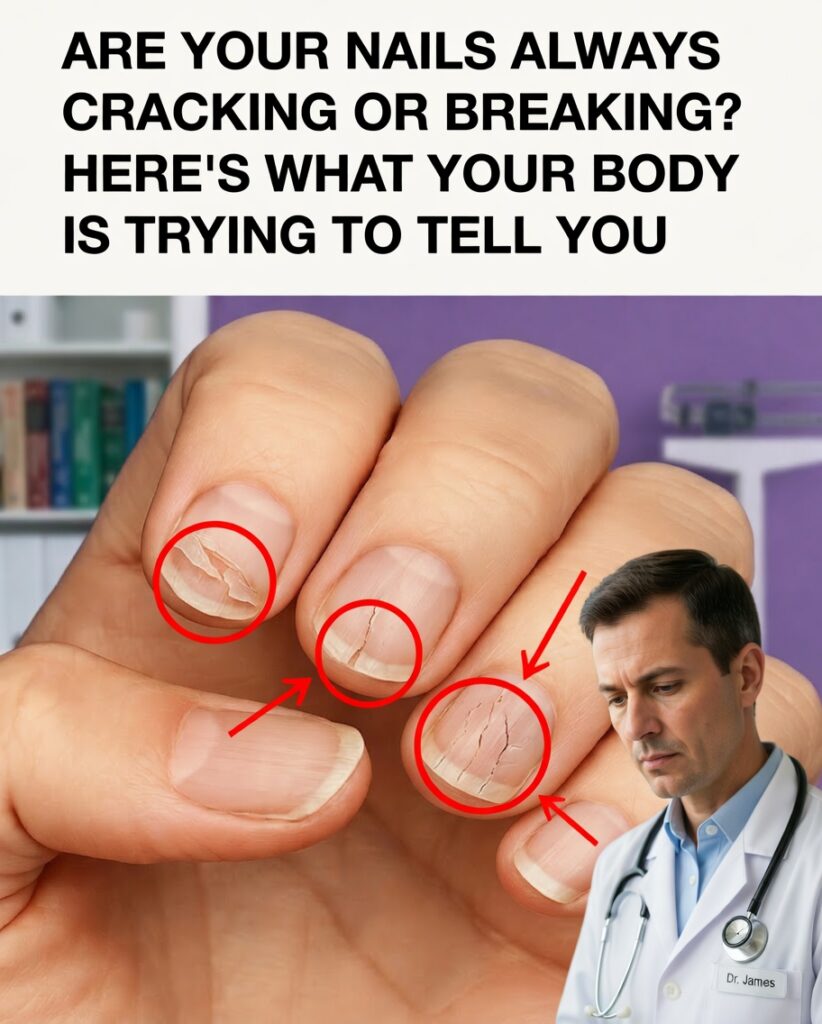
Are Your Nails Peeling, Splitting, or Breaking? Your Body May Be Sending a Signal
Do your nails crack, peel, split, or feel unusually weak? This can be a quiet warning sign of low iron, zinc, or biotin—nutrients your body needs to build strong nail structure. In other words, your nails may be telling a bigger story about your overall health.
If you’ve noticed your nails breaking more often than usual, you’re far from alone. Research suggests that roughly 20% of adults experience brittle nails at some point, and women are affected about twice as often as men.
Many people treat nail issues as purely cosmetic. But nails can work like small “health indicators,” reflecting nutrition, hydration, and even stress levels. When they become fragile, it’s often your body’s way of highlighting an internal imbalance.
In this article, you’ll learn what brittle nails may indicate, the most common causes of nail peeling and breakage, and practical steps to help strengthen nails naturally.
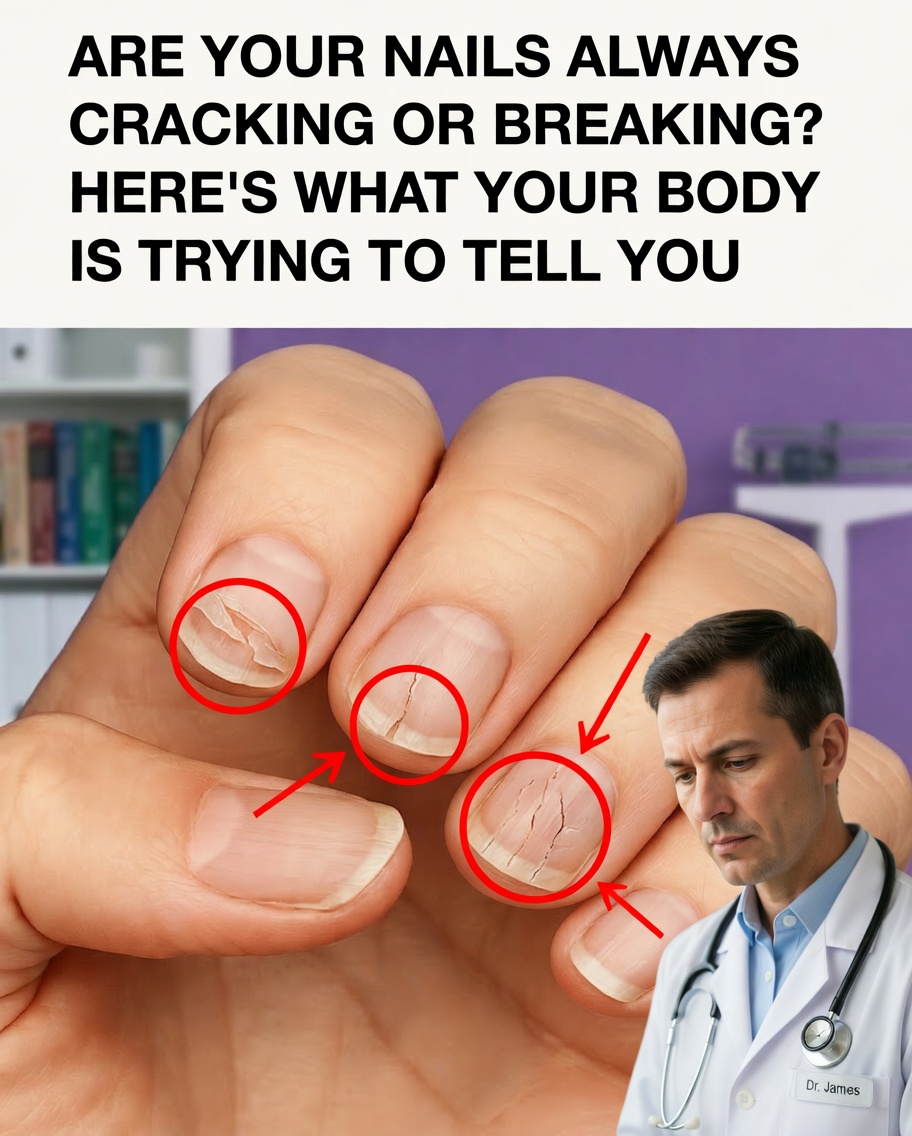
Why Do Nails Break or Peel?
Your nails are made mostly of keratin, the same protein found in hair and the outer layer of skin. When your body has the resources it needs, keratin forms a resilient, protective nail plate.
But when that balance is disrupted—due to diet, lifestyle, or environmental exposure—nails can lose strength and start to split.
Common causes of weak or peeling nails include:
- Loss of moisture: frequent handwashing, harsh soaps, strong detergents, or prolonged water exposure
- Nutrient deficiencies: low biotin, iron, zinc, protein, or essential fats
- Underlying health conditions: thyroid disorders, anemia, or certain skin conditions
- Aging: nails tend to lose elasticity and moisture over time
- External trauma: nail biting, aggressive cuticle removal, or frequent manicures
Different nail changes can point to different types of imbalance—so it helps to look at patterns.
1. Weak Nails and Nutrient Deficiencies
One of the most frequent reasons for brittle nails is inadequate nutrition. Nails grow around 3 millimeters per month, and that growth depends heavily on a steady supply of nutrients.
Key nutrients for strong, healthy nails include:
- Biotin (Vitamin B7): supports keratin production
- Sources: eggs, almonds, salmon, sweet potatoes
- Iron: helps prevent weakness and “spoon-shaped” nails
- Sources: lean red meat, lentils, spinach
- Zinc: supports cell repair and tissue regeneration
- Sources: pumpkin seeds, chickpeas, nuts
- Protein: the structural foundation of keratin
- Sources: chicken, eggs, beans, yogurt
- Omega-3 fatty acids: help maintain nail flexibility and moisture
- Sources: salmon, walnuts, flaxseeds
When dietary quality improves, nail strength often improves as well—though it may take weeks to months to see visible changes due to nail growth speed.
2. Nail Dehydration: When Dryness Leads to Splitting
Just like your skin, your nails need hydration to stay flexible. When nails become dry, they can turn rigid and snap more easily.
Common signs of dehydrated nails:
- peeling or splitting at the tips
- white spots
- a rough or uneven texture
Possible triggers include:
- frequent hot water exposure
- alcohol-based hand sanitizers
- very dry climates or indoor heating/air conditioning
- not drinking enough water
Simple ways to improve nail moisture:
- apply cuticle oil or a rich hand cream daily
- wear gloves for dishwashing and household cleaning
- maintain consistent fluid intake throughout the day
Well-hydrated nails tend to bend slightly rather than fracture.
3. Stress and Hormonal Changes Can Weaken Nails
Stress doesn’t just affect mood—it can affect nail health too. Chronic stress may reduce circulation and interfere with nutrient absorption, which can contribute to brittle nails.
Stress can also trigger behaviors that damage nails, such as:
- nail biting
- picking at nails or cuticles
Hormones also play a major role. For example:
- Thyroid imbalances: may cause fragile nails or noticeable ridges
- Menopause: lower estrogen can reduce natural oil production, making nails drier and more prone to breakage
If your nail problems began after intense stress or a hormonal shift, the timing may not be accidental.
4. When Nail Changes May Signal a Health Issue
Many nail changes are harmless, but some can act as warning signs. Pay attention to ongoing changes such as:
- Deep vertical ridges: can be linked to aging or poor nutrient absorption
- Spoon-shaped nails (koilonychia): often associated with iron-deficiency anemia
- Small dents or pits: may be connected to psoriasis or autoimmune conditions
- Thickened, yellow nails: may suggest a fungal infection
If these signs persist or worsen, it’s wise to seek professional medical advice.
5. Simple, Effective Ways to Strengthen Nails
A few consistent habits can make a noticeable difference in nail strength and appearance.
Daily nail care tips:
- keep nails trimmed and gently filed
- moisturize nails and cuticles regularly
- avoid acetone-based removers when possible
- take breaks between manicures
- use a strengthening base coat if needed
Lifestyle habits that support healthier nails:
- prioritize whole foods rich in vitamins and minerals
- reduce ultra-processed foods
- manage stress with sustainable routines
- consider routine lab checks for iron levels and thyroid function when appropriate
Healthy nails are often the result of an overall balanced lifestyle—not a single product.
6. Nail Care Myths vs. Facts
There’s plenty of misinformation about nail health. Here are a few common myths clarified:
-
“Cutting cuticles makes nails grow faster.”
- Myth — it can increase infection risk and irritation.
-
“White spots always mean low calcium.”
- Myth — they’re more often caused by minor trauma.
-
“Nails need to breathe.”
- Myth — nails don’t breathe; they receive support through blood circulation from within.
-
“Gel manicures always ruin your nails.”
- Partly true — overuse or improper removal can weaken the nail plate.
Conclusion: What Your Nails May Be Trying to Tell You
Nails that break or peel easily often reflect issues such as nutrient deficiencies, dehydration, stress, or hormonal changes. The encouraging news is that small, consistent changes—improving your diet, moisturizing regularly, and protecting your nails—can lead to significant improvement over time.
If nail changes don’t improve, or if they appear alongside symptoms like fatigue, hair loss, or unexplained weight changes, seek medical guidance to rule out underlying conditions.
Disclaimer: This content is for informational purposes only and does not replace professional medical advice. Always consult a qualified healthcare provider for diagnosis and appropriate treatment.