Sarcopenia and Aging: How Fruit Can Support Muscle Health
Sarcopenia is the gradual decline in muscle mass and strength that commonly develops with age—especially after 60. While it’s often considered part of normal aging, the right nutrition can slow its progression, particularly when combined with regular movement and quality sleep.
Geriatric doctors and nutrition professionals frequently highlight that certain fruits provide key nutrients that support muscle function, recovery, and blood circulation—helping older adults maintain independence and a better quality of life.
7 Fruits That May Help Slow Muscle Loss
1) Banana
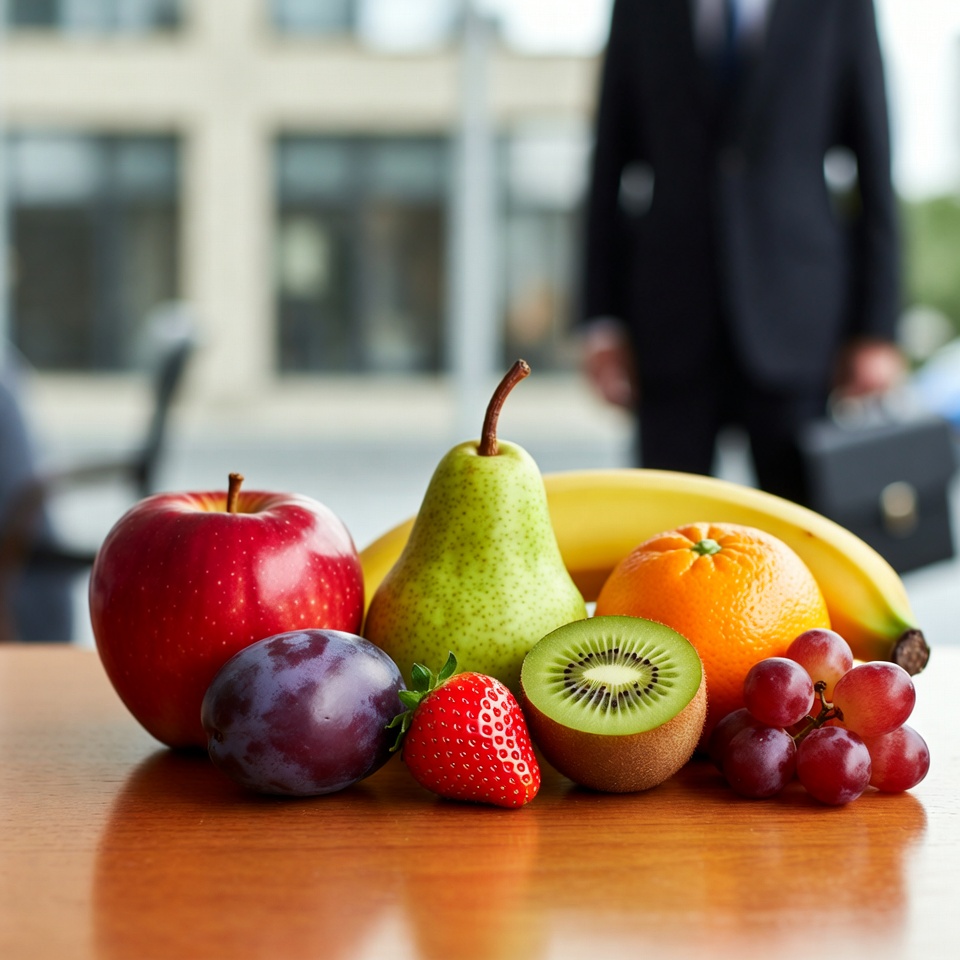
Bananas are naturally high in potassium and vitamin B6, both important for muscle contraction and helping reduce the risk of cramps. They also offer a quick source of energy, making them useful around light exercise or daily activity.
2) Apple
Apples contain quercetin, an antioxidant linked to reducing age-related muscle inflammation. They also provide dietary fiber, which can support digestion and help the body make better use of essential nutrients.
3) Orange
Oranges are rich in vitamin C, a nutrient necessary for collagen production—a structural protein important for muscles, tendons, and joints. Vitamin C also helps counter oxidative stress, which can accelerate muscle decline.
4) Papaya
Papaya provides natural digestive enzymes that can help improve protein digestion and absorption, which is especially important for older adults. It also contains vitamins A and C, supporting cellular repair and regeneration.
5) Avocado
Although often thought of as a “fatty fruit,” avocado is packed with magnesium and healthy fats, both essential for muscle function and energy metabolism. It may also support overall hormonal balance, which can influence strength and recovery.
6) Blueberries
Blueberries are loaded with antioxidants and polyphenols that may help reduce muscle damage and improve recovery after movement or gentle exercise. They can also support healthy circulation.
7) Pineapple
Pineapple contains bromelain, an enzyme known for anti-inflammatory properties that may help ease muscle discomfort and support physical recovery.
How to Eat These Fruits for Better Results
- Include them daily, ideally alongside natural protein sources.
- Choose whole fruit instead of processed or packaged juices.
- Pair fruit intake with gentle activity such as walking or light resistance exercises.
- Maintain good hydration to support nutrient transport throughout the body.
Important Reminder
Fruit does not replace protein intake or exercise, but it can play a meaningful role in:
- Lowering inflammation
- Improving nutrient absorption
- Supporting muscular energy
- Helping protect muscle tissue as you age
Conclusion
Managing sarcopenia isn’t about one “magic” food—it’s about combining smart nutrition, daily movement, and proper rest. These seven fruits, often recommended by health professionals, can be practical allies for keeping muscles stronger and more active over time.
Always consult a doctor or registered nutritionist before making major dietary changes—especially if you have chronic conditions or take medications.