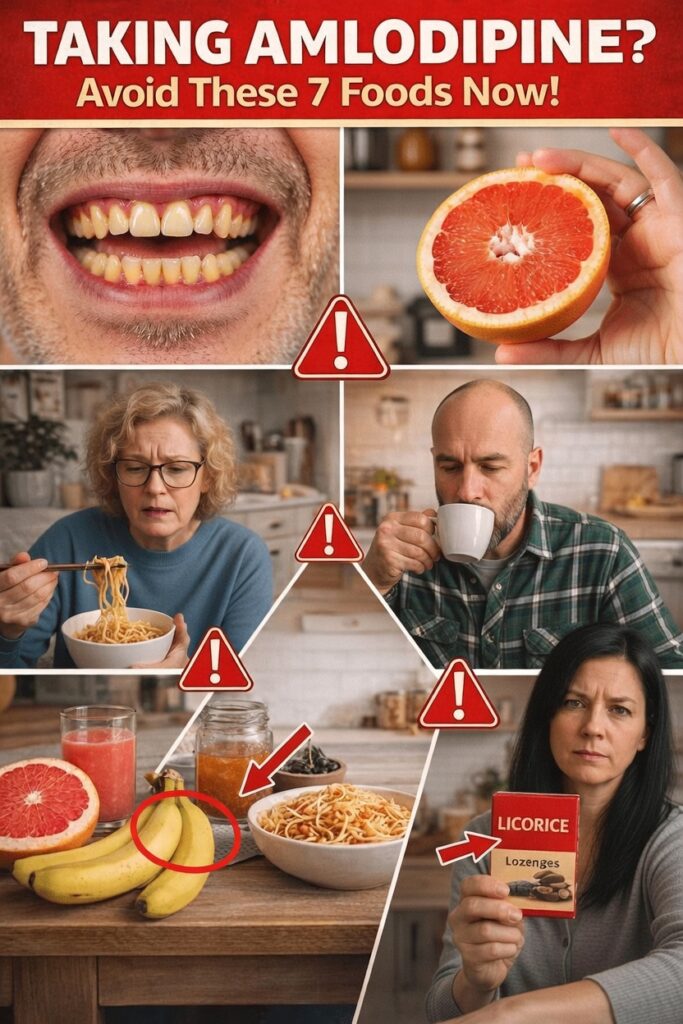
Foods to Be Careful With While Taking Amlodipine
If you take amlodipine for high blood pressure or angina, you likely already try to make healthy daily choices. Still, one detail many people miss is the role food can play in how this medication feels in the body. Some common foods and drinks may affect how amlodipine is processed or make side effects such as dizziness, facial flushing, or ankle swelling more noticeable.
That can be discouraging, especially when an everyday meal or beverage seems to disrupt an otherwise steady routine. The encouraging part is that a few thoughtful diet changes can make a real difference. By paying closer attention to what is on your plate, you may feel more comfortable and better support your treatment plan. Later on, you will also find simple ways to identify hidden problem foods in your meals.
Why Diet Matters When You Take Amlodipine
Amlodipine is part of a medication class known as calcium channel blockers. Its job is to relax blood vessels, improve circulation, and help reduce blood pressure. Certain foods may influence how quickly or slowly your body breaks down the drug, while others can worsen fluid retention or work against blood pressure control.
According to information commonly cited by trusted sources such as the NHS, eating large amounts of certain foods can raise the likelihood of stronger medication effects. That may mean more headaches, more lightheadedness, or other symptoms becoming easier to notice.
The good news is that most of these food interactions are not difficult to manage. In most cases, awareness and moderation are enough.
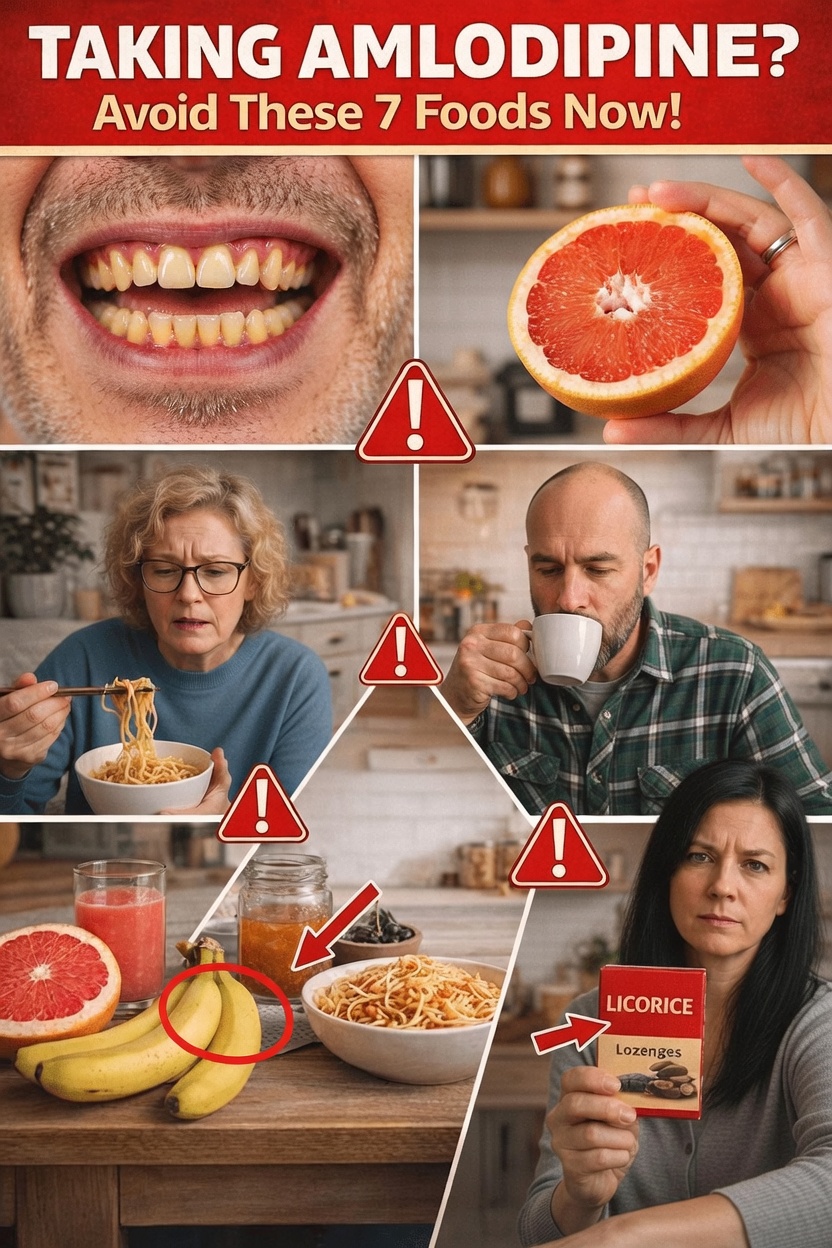
1. Grapefruit and Grapefruit Juice
Grapefruit is one of the most widely recognized foods to watch out for with amlodipine. It contains natural substances that can interfere with CYP3A4, an enzyme involved in breaking down many medications.
When that enzyme is blocked, amlodipine may remain in your system longer than expected. As a result, medication levels in the bloodstream may rise, increasing the chance of side effects like:
- Dizziness
- Headaches
- Flushing
- Feeling faint or unusually tired
Health organizations and medical resources often advise caution with grapefruit, especially in larger amounts.
Better choices
- Choose fruits such as oranges, apples, or berries
- Read juice labels carefully to avoid hidden grapefruit blends
- If you notice changes after eating grapefruit, speak with your doctor or pharmacist
2. Black Licorice and Licorice Root Products
Black licorice is more than just candy. It contains glycyrrhizin, a compound that can cause the body to hold on to sodium and water while reducing potassium levels. That combination may interfere with healthy blood pressure control and potentially work against the benefits of amlodipine.
This issue is not limited to sweets. Licorice root may also appear in:
- Herbal teas
- Supplements
- Lozenges
- Natural remedies
Smarter swap
If you want something sweet and chewy, choose alternatives that do not contain real licorice root. Also check ingredient labels carefully, because some products use artificial flavoring while others contain actual licorice extract.
3. High-Sodium Foods
Amlodipine tends to work best alongside a heart-conscious eating pattern that keeps salt intake under control. Too much sodium encourages the body to retain fluid, which may worsen swelling in the ankles or legs, a side effect many people already experience with this medicine.
Foods especially high in sodium often include:
- Packaged snacks
- Canned soups
- Fast food
- Frozen convenience meals
- Processed meats
Organizations such as the American Heart Association regularly stress the importance of limiting sodium for better blood pressure management.
Easy ways to reduce salt
- Pick fresh vegetables more often than canned ones
- If using canned vegetables, rinse them before eating
- Season with herbs, lemon, garlic, pepper, or spices instead of salt
- Aim for less than 2,300 mg of sodium per day, or lower if your healthcare provider recommends it
4. Too Much Caffeine
Caffeine does not directly block amlodipine, but large amounts may make some people feel more uncomfortable. Too much coffee, strong tea, or energy drinks can contribute to:
- Jitteriness
- Headaches
- Increased awareness of heart pounding
- Flushing in sensitive individuals
If you notice that your morning caffeine habit leaves you feeling off after taking your medication, it may be worth reducing the amount.
A more balanced approach
- Keep intake to 1 to 2 cups of coffee or tea per day
- Avoid relying on energy drinks
- Try herbal alternatives such as chamomile if you want a gentler option
5. Large Amounts of Alcohol
Alcohol can increase the blood pressure-lowering effect of amlodipine. In some people, this may lead to dizziness or lightheadedness, particularly when standing up quickly.
That does not always mean alcohol must be completely avoided, but drinking in excess can make side effects more obvious and uncomfortable.
Safer habits
- Keep alcohol within moderate limits
- Drink water alongside alcohol
- Eat a small meal or snack when drinking
- Tell your doctor if alcohol regularly makes you feel dizzy
A common moderation guideline is:
- Up to one drink per day for women
- Up to two drinks per day for men
6. Very Large Amounts of High-Potassium Foods
Unlike some other blood pressure medications, amlodipine does not usually cause potassium to build up on its own. In general, potassium-rich foods are not a major problem for most people taking this drug.
However, extremely high intake of foods like the following may matter if you have other health conditions or are taking additional medications:
- Bananas
- Avocados
- Potatoes
- Spinach
- Beans
For most people, these foods are still part of a healthy diet and can support heart health when eaten in normal portions.
Practical guidance
Enjoy potassium-rich foods as part of a balanced eating plan, but avoid extreme amounts if your doctor is already monitoring your potassium levels closely.
7. Hidden Sodium in Condiments and Convenience Foods
Some of the biggest sodium sources are not obvious at first. Condiments and quick meals can quietly add a lot of salt to your day, which may contribute to fluid retention and make swelling worse.
Common hidden sources include:
- Soy sauce
- Pickles
- Instant noodles
- Bottled sauces
- Salad dressings
- Seasoning mixes
Quick sodium check
- Choose low-sodium versions when available
- Make homemade sauces or dressings when possible
- Track your food for a few days to spot hidden salt patterns
Simple Steps You Can Start Today
Improving your diet while taking amlodipine does not have to be overwhelming. Small adjustments are often easier to maintain and can still bring meaningful benefits.
Try these practical habits:
-
Read nutrition labels carefully
- Look for terms like low sodium
- Be cautious if salt appears near the top of the ingredient list
-
Build meals around fresh foods
- Fill half your plate with vegetables and fruit
- Choose fruits other than grapefruit
-
Drink enough water
- Staying hydrated may help your body handle daily routines and medication more smoothly
-
Keep a short food and symptom journal
- Write down what you eat and how you feel for one week
- Look for links between certain foods and symptoms like swelling, headaches, or dizziness
-
Ask your doctor or pharmacist for personalized advice
- This is especially important if you take other medications or have kidney or heart conditions
For many people, the best results come from changing one habit at a time instead of trying to completely transform their diet overnight.
Final Thoughts
Taking amlodipine does not mean food has to become bland or stressful. It simply means being a little more intentional with your choices. Limiting grapefruit, black licorice, excess sodium, and other possible triggers can help reduce side effects and support steadier blood pressure control.
Small decisions made consistently often have the greatest impact. A few smart swaps in your daily routine can help you feel better, stay more balanced, and get the most from your treatment.
Frequently Asked Questions
Can I eat fruit while taking amlodipine?
Yes. Most fruits are perfectly fine. The main one to be careful with is grapefruit, especially in large amounts or as juice, because it may increase medication levels in some people.
Is alcohol a serious interaction with amlodipine?
Alcohol can strengthen the blood pressure-lowering effect of amlodipine, which may cause dizziness or lightheadedness. Moderate drinking is usually the safest approach, and if symptoms appear, it is best to reduce intake and discuss it with your doctor.
Do I need to eliminate salty foods completely?
Not necessarily. The goal is to cut back on high-sodium foods, not always avoid every salty item entirely. Lowering sodium can improve blood pressure control and may also help reduce swelling.