
7 Best Foods to Help Support Leg Muscle Strength After 70
As people age, especially after 70, it is very common to feel less stable on the legs or notice fatigue setting in faster during everyday activities such as walking, standing, or climbing stairs. Over time, these changes can make routine tasks feel harder and may affect confidence and independence.
This shift is often linked to normal aging. As the body gets older, maintaining muscle becomes more difficult because nutrient use changes and recovery is not as efficient as it once was. The encouraging part is that regular meals built around nutrient-dense foods can help support muscle health, mobility, and day-to-day function.
One nutrient is especially important in this process: protein. Research continues to highlight its central role in preserving muscle mass and strength. Some of the best food sources may be simpler than you think. Below are seven foods worth including more often, plus easy ways to add them to your routine.

Why Leg Muscle Strength Matters More After 70
The muscles in the thighs, hips, and calves do much more than power movement. They are essential for:
- Maintaining balance
- Walking safely
- Standing up from a chair
- Climbing stairs
- Reducing the risk of falls
Research suggests that older adults who consume more protein tend to preserve muscle mass and strength more effectively. Many professionals recommend around 1 to 1.2 grams of protein per kilogram of body weight per day for adults over 65.
Protein is not the only nutrient that matters. Other important contributors to muscle function include:
- Vitamin D
- Omega-3 fatty acids
- Magnesium
- Calcium
- Potassium
A balanced eating pattern that includes these nutrients can make a real difference. Even better, combining good nutrition with light activity, such as walking or gentle resistance exercises, can further support mobility and strength.
7 Foods That Can Help Support Leg Muscles
These seven foods provide key nutrients that help maintain muscle health. For best results, focus on whole foods and try to spread protein intake evenly throughout the day.
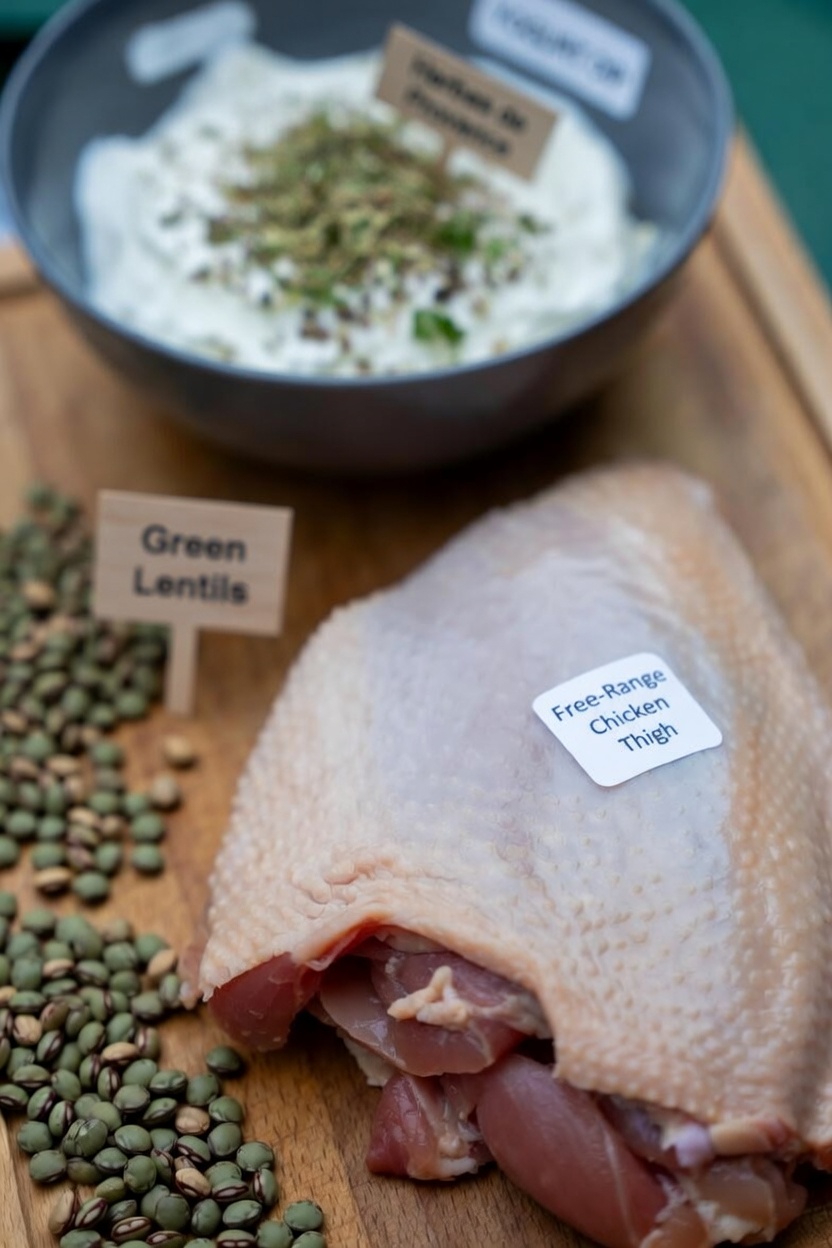
1. Lean Poultry: Chicken or Turkey
Skinless chicken and turkey are rich in high-quality protein and contain all essential amino acids, including leucine, which plays an important role in muscle protein synthesis.
- Protein per 3-ounce serving: about 26 grams
- Supports muscle maintenance in older adults
- Easy to digest and simple to prepare
Practical serving ideas:
- Add grilled chicken to salads
- Stir turkey into vegetable soups
- Bake chicken breast with herbs for a light dinner
2. Fatty Fish: Salmon, Mackerel, or Sardines
Fatty fish offer more than just protein. They also provide omega-3 fatty acids, which are linked to reduced inflammation and better muscle function.
- Protein per 3-ounce serving of salmon: about 22 grams
- Rich in healthy fats that support overall physical health
- Helpful as part of a muscle-friendly diet
Easy ways to eat more fatty fish:
- Bake salmon with lemon and herbs
- Add canned sardines to whole-grain toast
- Include mackerel in a simple lunch plate
3. Eggs
Eggs are affordable, versatile, and packed with high-quality protein. They also provide vitamin D and choline, both of which support neuromuscular health.
- Protein per large egg: about 6 grams
- Complete protein source
- Useful for muscle repair and recovery
Simple meal ideas:
- Scrambled eggs for breakfast
- Hard-boiled eggs for snacks
- Omelets with vegetables for lunch or dinner

4. Plain Low-Fat Greek Yogurt
Greek yogurt is one of the easiest ways to increase protein intake, especially for older adults who want something quick and convenient. It also contains calcium and probiotics, which can support digestion and nutrient absorption.
- Protein per cup: about 17 to 25 grams
- Soft texture makes it easy to eat
- Works well at breakfast or as a snack
Ways to enjoy it:
- Top with berries and chopped nuts
- Add a little honey for sweetness
- Use it in smoothies
5. Legumes: Beans, Lentils, and Chickpeas
Legumes are excellent plant-based protein sources and also provide fiber, magnesium, and potassium, which are important for muscle contraction and energy support.
- Protein per cooked cup of lentils: about 17 grams
- Budget-friendly and filling
- Helpful for plant-forward eating
Try them in:
- Soups and stews
- Mixed salads
- Side dishes with poultry or fish
If legumes are new to your diet, start with smaller portions and increase gradually.
6. Dairy Milk or Fortified Alternatives
Milk provides a useful combination of protein, calcium, and often vitamin D, all of which contribute to musculoskeletal health.
- Protein per cup: about 8 grams
- Supports bones and muscles together
- Easy to include in many meals
Simple ways to use milk:
- Pour over oatmeal
- Blend into smoothies
- Drink a glass between meals
Fortified plant-based alternatives can also be useful, especially when they contain added calcium and vitamin D.
7. Nuts and Seeds: Almonds, Chia, or Walnuts
Nuts and seeds supply protein, healthy fats, magnesium, and other minerals associated with muscle strength and energy balance.
- Protein per 1 ounce of almonds: about 6 grams
- Convenient for snacking
- Easy to add to meals for extra nutrition
Good options include:
- Almonds as a midday snack
- Chia seeds stirred into yogurt
- Walnuts sprinkled over oatmeal or salads
Easy Ways to Start Today
To get the most benefit, try distributing protein across your meals instead of eating most of it at one time. A practical goal is around 20 to 35 grams of protein per meal, depending on your needs.
Here is a simple example:
- Breakfast: Greek yogurt with nuts or seeds
- Lunch: Chicken salad with beans
- Dinner: Baked salmon with lentils
- Snacks: Hard-boiled eggs or a glass of milk
Other helpful tips:
- Drink enough water, since hydration supports nutrient delivery to muscles
- Choose smaller, more frequent meals if appetite is low
- Pair better nutrition with gentle movement when possible
- Speak with your healthcare provider before making major dietary changes, especially if you have kidney concerns or other medical conditions
Quick Protein Comparison
Here is a quick look at the protein content of these foods:
- Chicken breast, 3 oz: about 26g
- Salmon, 3 oz: about 22g
- Greek yogurt, 1 cup: 17 to 25g
- Lentils, 1 cup cooked: about 17g
- Eggs, 2 large: about 12g
- Milk, 1 cup: about 8g
- Almonds, 1 oz: about 6g
This range makes it easier to meet daily protein goals without eating the same foods all the time.
Final Thoughts
Including these seven foods in your regular diet is a practical and natural way to help support leg muscle strength after 70. The key is consistency. Small improvements, repeated day after day, can add up over time.
Aim for meals you enjoy, include enough protein throughout the day, and combine healthy eating with light movement whenever possible. That combination can help you stay stronger, steadier, and more active for longer.
Frequently Asked Questions
How much protein do older adults need each day?
Many experts recommend 1 to 1.2 grams of protein per kilogram of body weight daily, which equals about 0.45 to 0.55 grams per pound. For someone who weighs 150 pounds, that comes to roughly 68 to 82 grams per day, ideally spread across meals.
Can plant-based foods provide enough protein on their own?
Yes. A diet that includes beans, lentils, nuts, seeds, and grains can provide enough protein. Combining different plant sources helps improve amino acid balance, and some people find it easier to meet their needs by using both plant and animal proteins.
What if chewing or swallowing is difficult?
Softer foods can help. Good choices include:
- Greek yogurt
- Eggs
- Smoothies made with milk, yogurt, or nut butter
- Pureed beans or lentils
- Canned fish
- Ground poultry
These options are often easier to eat while still providing important nutrients for muscle support.