
7 Everyday Foods That May Support Healthy Blood Flow Naturally
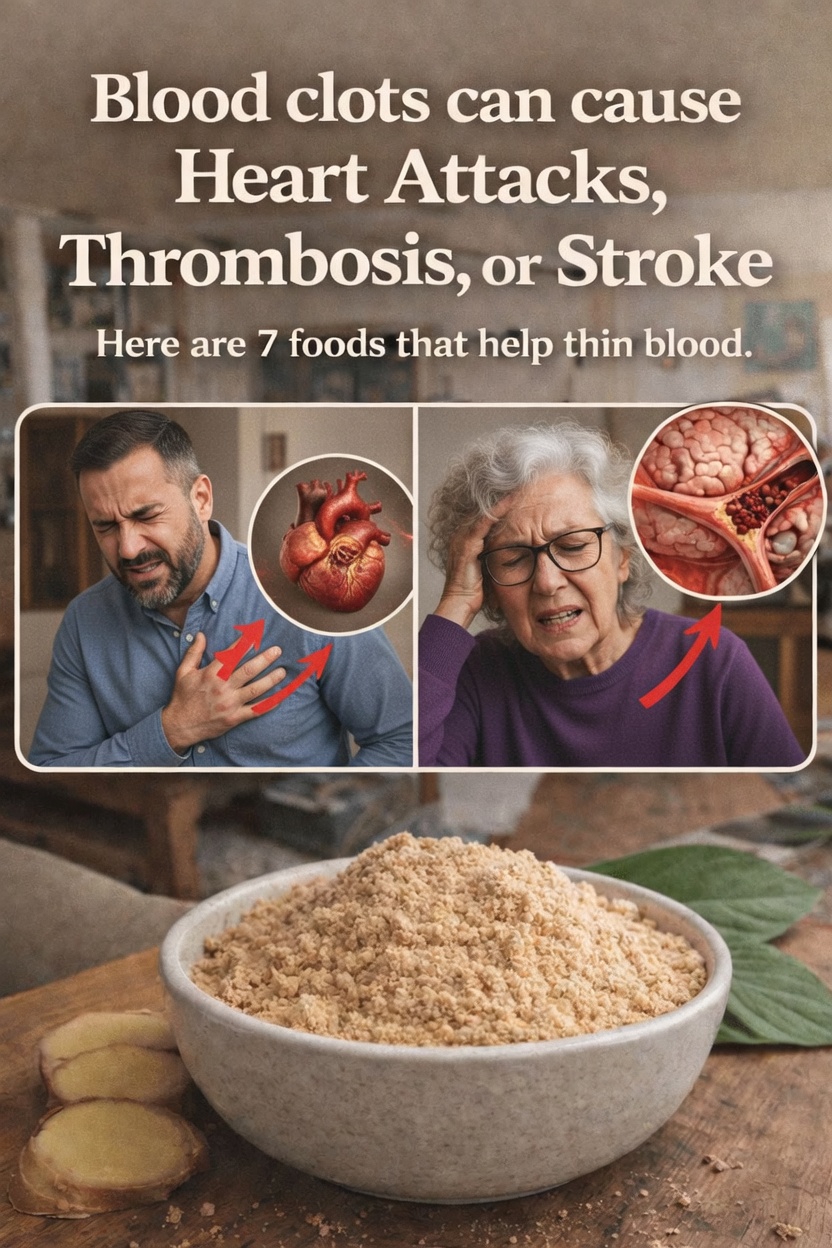
Blood clots are linked to serious health emergencies such as stroke, thrombosis, and heart attack, so it is no surprise that many people worry about circulation and cardiovascular health. One of the biggest concerns is how fast blood flow problems can develop and how deeply they can affect both daily routines and family life.
Although medical care remains essential, your diet can also play a supportive role. Certain commonly available foods contain natural compounds that research has connected with better circulation, reduced inflammation, or healthier platelet activity. In this guide, you will discover seven foods that may help promote healthy blood flow as part of a balanced, heart-conscious lifestyle, plus one simple habit at the end that can make these choices even more effective.
Why Healthy Circulation Is So Important
Efficient blood flow helps move oxygen and nutrients to every part of the body. When circulation is working well, tissues and organs receive the support they need to function properly. However, several factors can interfere with this process, including:
- Lack of physical activity
- Poor dietary habits
- Aging
- Ongoing inflammation
- Certain health conditions
Research shows that some food-based compounds may gently influence inflammation levels or platelet function. While these effects are not a substitute for treatment, they can contribute to overall heart wellness when combined with regular exercise, medical check-ups, and healthy daily habits.
Let’s look at the foods that stand out most.
1. Garlic: A Simple Ingredient with Heart-Friendly Potential
Garlic has a long history in both cooking and traditional wellness practices. One of its best-known active compounds is allicin, which laboratory studies suggest may affect platelet aggregation, the process in which blood cells stick together.
Scientific reviews, including research indexed in sources such as PubMed, indicate that garlic may help support cardiovascular health and healthier blood consistency when consumed in moderate amounts. Fresh garlic is often considered more potent than cooked garlic, though both can be valuable additions to meals.
A practical way to use it is to crush or finely chop 1 to 2 cloves, then let it rest for about 10 minutes before eating or cooking. This waiting period helps activate beneficial compounds. You can add it to:
- Salads
- Soups
- Stir-fries
- Marinades
If you do not usually eat garlic, begin with a small amount and increase gradually.
2. Ginger: A Warming Spice That Supports Daily Wellness
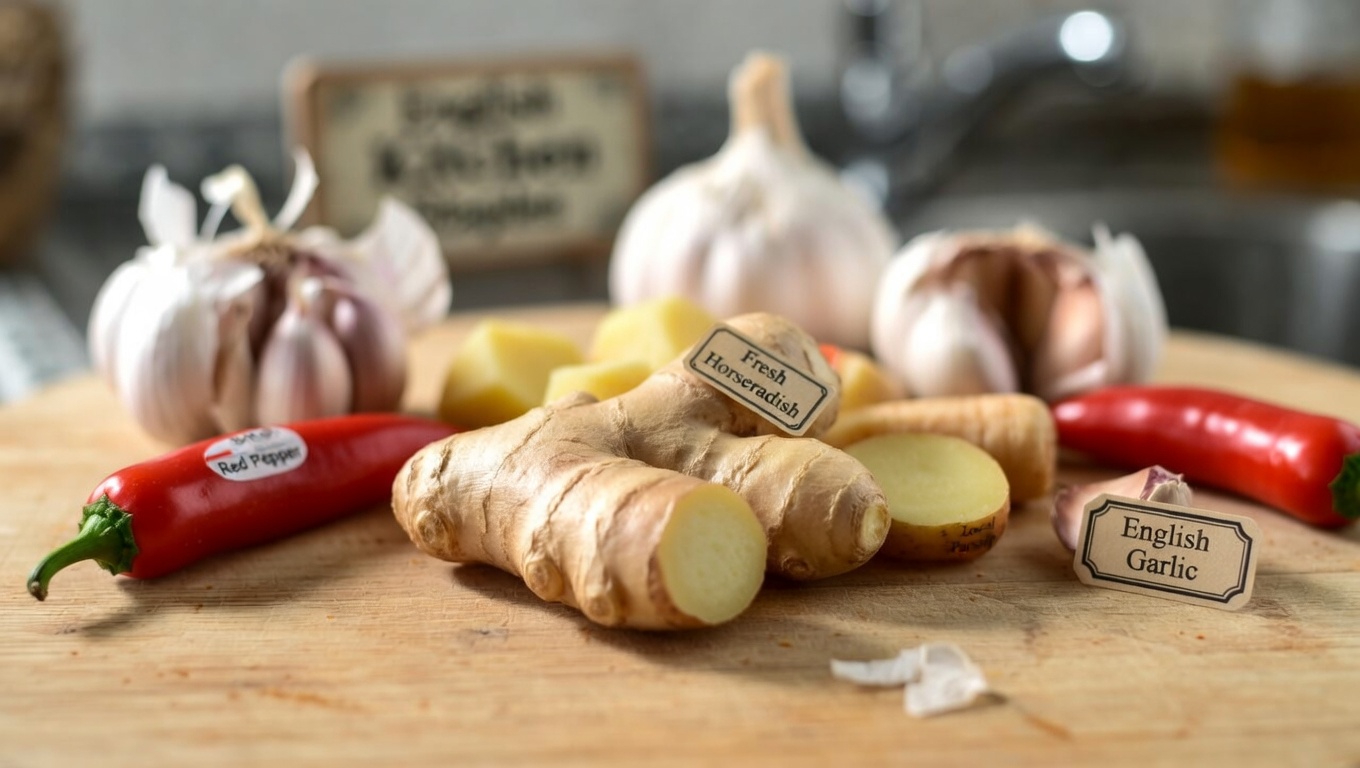
Ginger is widely loved for its fresh, spicy flavor and soothing effect on digestion. It also contains salicylates, natural plant compounds that are chemically related to ingredients found in certain common medications.
Research reviews have highlighted ginger’s anti-inflammatory potential and its possible role in supporting healthy circulation. Some studies suggest it may mildly influence clotting-related factors, making it a smart food to include regularly in a balanced diet.
Easy ways to enjoy ginger include:
- Steeping fresh slices in hot water for tea
- Blending grated ginger into smoothies
- Adding it to stir-fries
- Mixing it into marinades or dressings
The key is consistency. Smaller daily amounts are generally more practical than consuming a large quantity at once.
3. Turmeric: The Golden Spice with Strong Research Interest
Turmeric has earned major attention for its bright color and its active compound, curcumin. Curcumin is widely studied for its anti-inflammatory properties, and some research has explored its potential role in supporting natural anticoagulant processes.
Health-focused resources and emerging studies suggest turmeric may contribute to better circulation as part of an anti-inflammatory eating pattern. While it is not a cure or replacement for treatment, it can be a useful part of a heart-smart diet.
To get more from turmeric, pair it with black pepper, which may improve curcumin absorption. Popular ways to use turmeric include:
- Stirring it into soups
- Sprinkling it over roasted vegetables
- Adding it to rice dishes
- Making golden milk or a turmeric latte
4. Cayenne Pepper: A Spicy Option for Better Blood Flow Support
Cayenne pepper adds heat to meals and contains salicylates that researchers have linked to mild effects on blood consistency. While it is not suitable for everyone in large amounts, small culinary portions may be a flavorful way to support circulation.
Some sources suggest cayenne’s active compounds may indirectly benefit cardiovascular health by encouraging better blood flow. It is also easy to add to everyday dishes without changing your entire diet.
Try using a small pinch in:
- Soups
- Sauces
- Egg dishes
- Bean recipes
- Roasted vegetables
If you are sensitive to spicy foods, start very lightly and increase only as tolerated.
5. Cinnamon: A Familiar Spice with Interesting Properties
Cinnamon, especially cassia cinnamon, contains coumarin, a natural substance that has been studied for its anticoagulant-like effects in moderate amounts. Some reviews suggest cinnamon may also have a positive influence on platelet function.
One of its biggest advantages is how easy it is to use. Cinnamon works well in both sweet and savory meals, making it simple to include without much effort.
You can sprinkle cinnamon on:
- Oatmeal
- Yogurt
- Fruit
- Coffee
- Smoothies
As with other spices, moderation matters. Normal food amounts are generally preferred, while excessive intake is not advised.
6. Vitamin E-Rich Foods: Nuts, Seeds, and Leafy Greens
Vitamin E is best known as an antioxidant, but some research also points to mild blood-related effects. Foods naturally rich in vitamin E may help protect cells from oxidative stress, which is an important part of maintaining healthy blood vessels and overall heart wellness.
Good natural sources include:
- Almonds
- Sunflower seeds
- Spinach
- Hazelnuts
- Avocado
Adding these foods to your routine can be simple. Try:
- A handful of almonds as a snack
- Seeds sprinkled over salads
- Nut butter added to breakfast
- Spinach mixed into smoothies or omelets
These choices not only provide vitamin E but also contribute to a nutrient-dense, balanced diet.
7. Fatty Fish: Omega-3 Power for Heart Health
Fatty fish such as salmon, mackerel, and sardines are among the most researched foods for cardiovascular support. They are rich in omega-3 fatty acids, which have been associated with healthier platelet behavior, lower inflammation, and broader heart benefits.
Nutrition guidelines commonly recommend eating fatty fish about twice a week to support cardiovascular wellness. Choosing healthier cooking methods helps preserve these benefits.
Best preparation options include:
- Grilling
- Baking
- Poaching
- Steaming
Deep-frying is best avoided if your goal is a more heart-friendly meal plan.
How These Foods Work Together in a Heart-Smart Diet
Each of these seven foods offers different compounds that may support circulation in its own way:
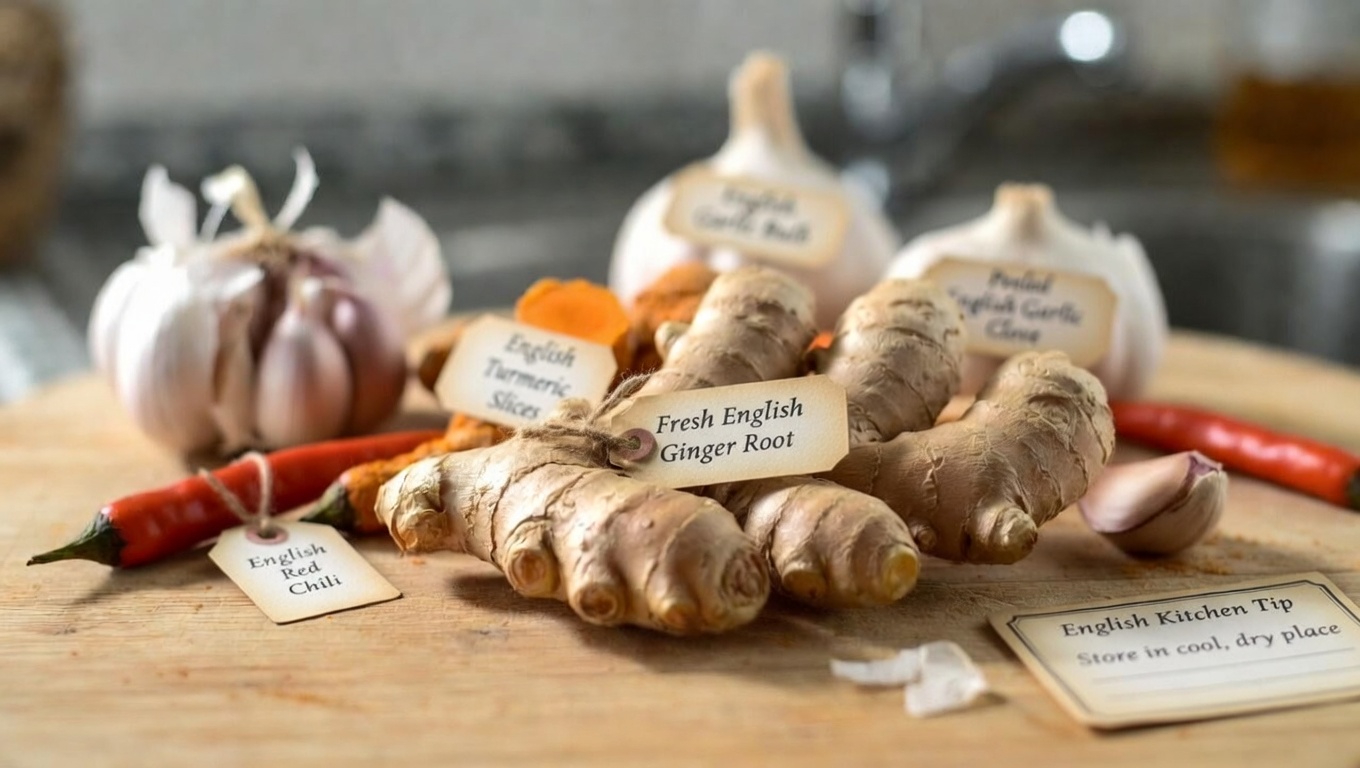
- Garlic, ginger, turmeric, cayenne, and cinnamon: Easy to use regularly and often associated with anti-inflammatory or salicylate-related effects
- Vitamin E-rich foods: Provide antioxidant support that may benefit blood vessels
- Fatty fish: Deliver omega-3 fats for broader cardiovascular advantages
A simple way to combine several of them is to prepare a meal such as salmon with garlic, ginger, turmeric, and cayenne, then finish it with a topping of seeds or serve it with spinach on the side.
This kind of meal pattern can help turn individual ingredients into a more complete circulation-supportive eating strategy.
The Often-Overlooked Habit: Stay Hydrated
One of the easiest ways to support healthy blood flow is also one of the most overlooked: drinking enough water. Good hydration helps maintain normal blood consistency and supports overall circulation.
A common goal is around 8 glasses of water per day, though some people may need more, especially if they are physically active or live in hot climates. When paired with the foods above, proper hydration can strengthen your overall heart-healthy routine.
Final Thoughts
Including garlic, ginger, turmeric, cayenne pepper, cinnamon, vitamin E-rich foods, and fatty fish in your diet can be a practical step toward supporting healthy circulation. These foods are not a replacement for medication or professional care, but they may complement a broader wellness plan that includes exercise, stress management, and regular medical guidance.
In most cases, steady and moderate changes are more helpful than dramatic ones. Building small, sustainable habits is often the best way to support long-term heart health.
FAQ
Can these foods replace blood-thinning medication?
No. These foods should only be viewed as dietary support. If you have been prescribed medication, always follow your doctor’s instructions.
How much of these foods should I eat each day?
Moderate culinary amounts are a sensible place to begin. For example:
- 1 to 2 cloves of garlic
- About 1 teaspoon of spices such as ginger, turmeric, or cinnamon
- A small handful of nuts or seeds
- Two servings of fatty fish per week
Individual needs vary, so it is best to ask a healthcare professional for personalized advice.
Are there any risks?
In normal food amounts, these options are generally safe for most people. However, very large amounts or concentrated supplements may interact with medications or health conditions. If you are pregnant, taking blood thinners, or managing a medical issue, speak with a healthcare provider before making major dietary changes.