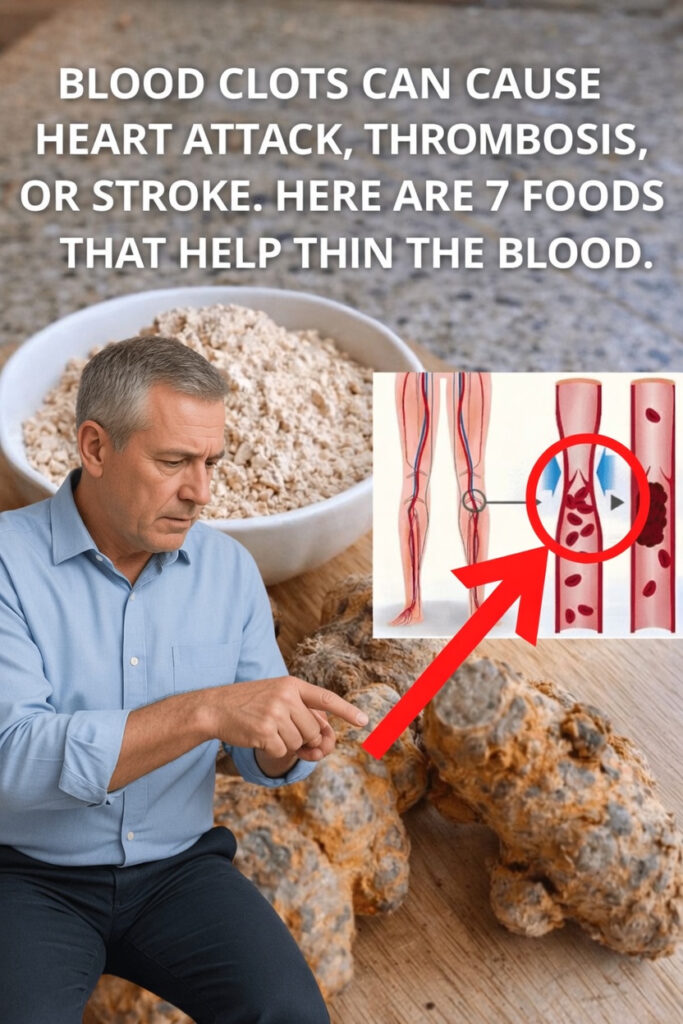
7 Foods That May Help Support Healthy Blood Flow Naturally
Blood clots can become dangerous when they obstruct circulation and raise the risk of problems such as stroke, deep vein issues, or heart-related complications. Because of this, many people look for natural ways to support healthy blood flow, especially with age or when lifestyle habits begin to affect cardiovascular wellness.
The encouraging part is that several common foods contain natural compounds that researchers have examined for their role in helping the body maintain normal blood consistency and circulation. Below are seven science-backed foods that can be added to everyday meals with ease, along with simple and safe ways to use them.
Why Good Circulation Is So Important
Efficient blood flow allows oxygen and nutrients to reach tissues throughout the body while helping remove waste products. When blood is more likely to clot or becomes overly thick, the cardiovascular system may have to work harder.
Studies suggest that diet can influence vascular health. Certain foods contain naturally occurring substances such as salicylates, curcumin, and allicin, which have been linked to mild blood-thinning or anti-platelet effects. While these foods are not a substitute for medical treatment or professional advice, they can be part of a heart-supportive lifestyle.
Let’s look at the specific foods most often associated with these benefits.
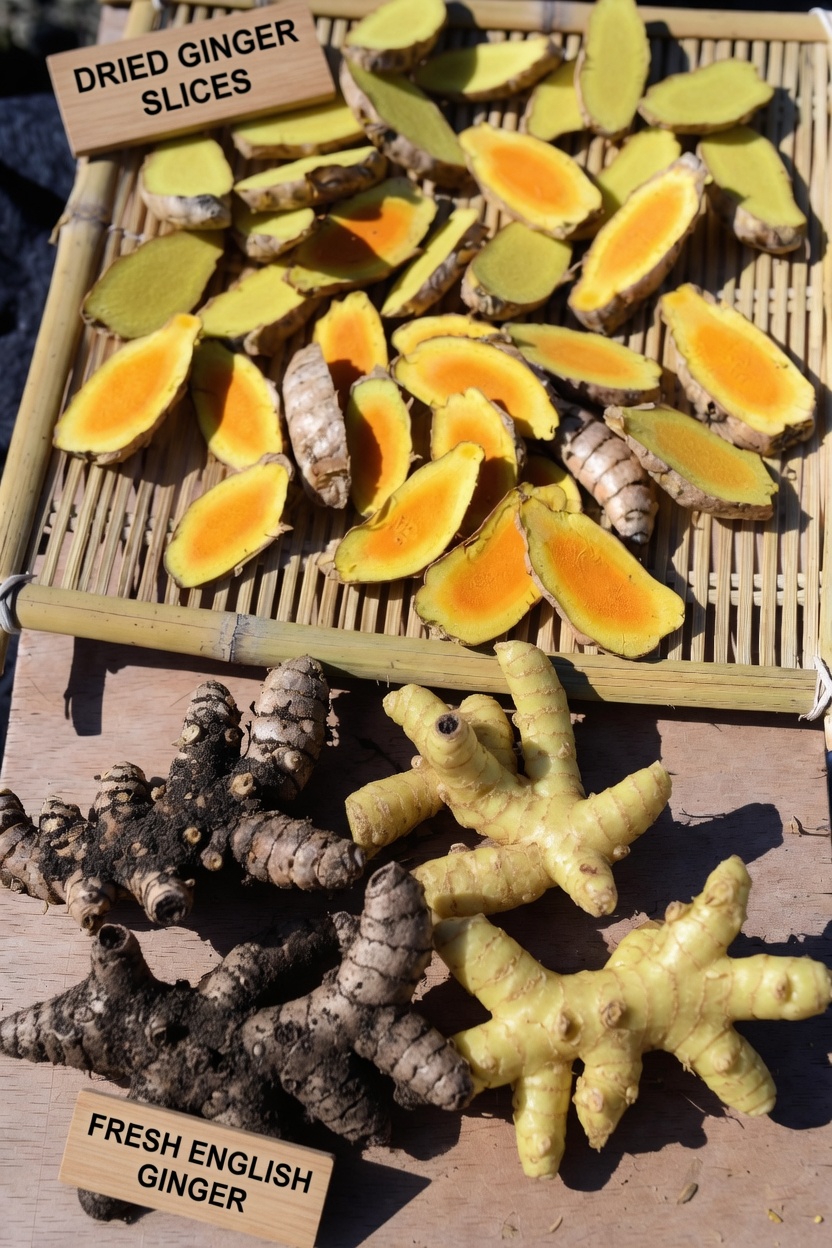
1. Turmeric: A Golden Spice Linked to Better Circulation
Turmeric is a vivid yellow spice widely used in cooking and traditional wellness practices. Its most studied active compound, curcumin, is known for strong anti-inflammatory properties. Research also suggests that curcumin may help support normal platelet activity and healthy blood flow.
Easy ways to use turmeric:
- Stir fresh or ground turmeric into soups, rice, or stews
- Add it to tea or warm milk drinks
- Combine it with black pepper, which may improve absorption
- Begin with small amounts if it is new to your diet
Reviews from trusted health sources have highlighted turmeric’s potential role in supporting blood and cardiovascular health when used regularly in moderation.
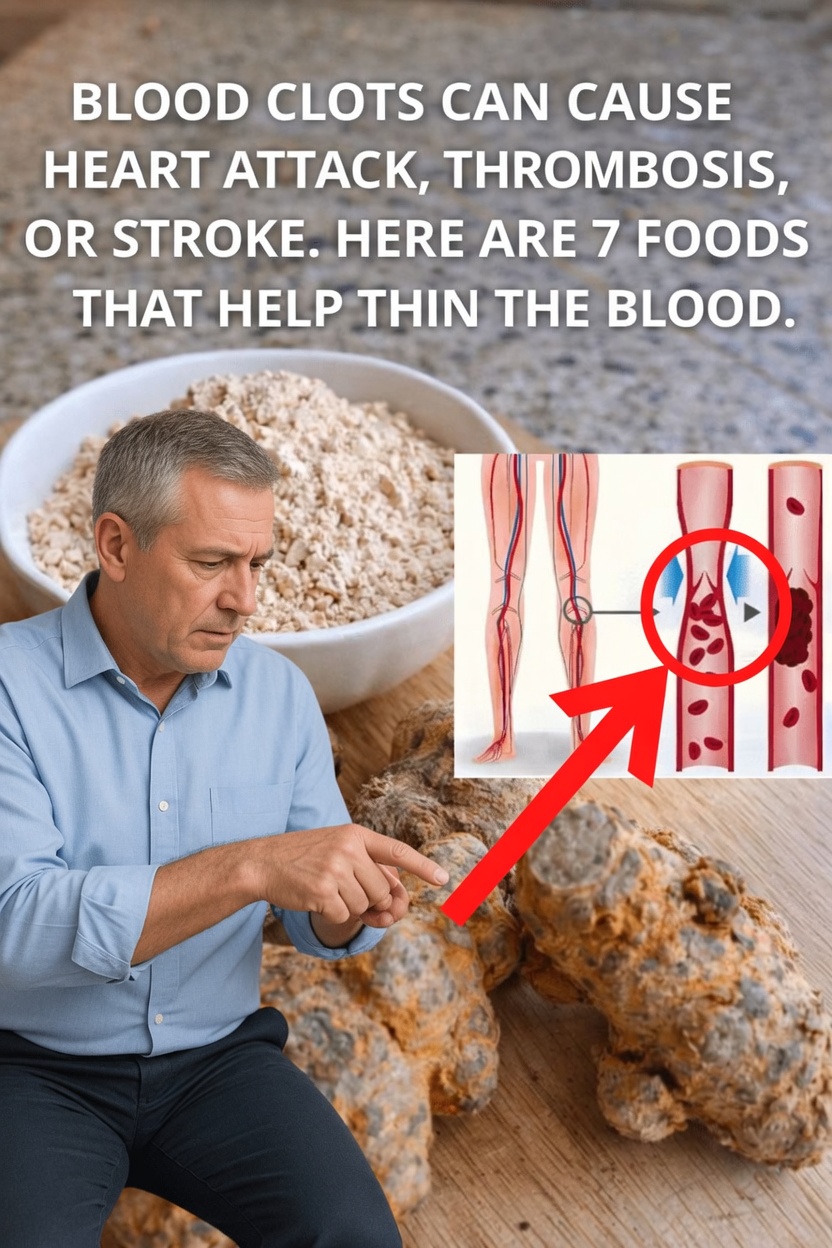
2. Ginger: A Popular Root With Mild Anti-Platelet Effects
Ginger belongs to the same plant family as turmeric and contains gingerol and natural salicylates, compounds often compared to those found in aspirin. Research reviews indicate that ginger may help lower thromboxane, a substance involved in clot formation, and may promote smoother circulation.
Simple ways to add ginger to your routine:
- Steep fresh slices in hot water for homemade ginger tea
- Grate it into stir-fries, soups, or salad dressings
- Blend it into smoothies
- Use powdered ginger in baking or warm drinks
Because of its mild effect on platelet aggregation, ginger remains one of the most widely discussed foods for everyday circulatory support.
3. Garlic: A Heart-Friendly Ingredient With Allicin
Garlic is well known for its bold flavor, but it also offers cardiovascular benefits. When garlic is chopped or crushed, it releases allicin, a compound that studies suggest may influence platelet behavior and help encourage healthy circulation.
Practical ways to use garlic:
- Crush a clove and let it rest for about 10 minutes before cooking
- Mix raw or lightly cooked garlic into salads, pasta, or sauces
- Add it to homemade dressings
- Roast whole bulbs for a softer, sweeter taste
Scientific reviews and wellness publications frequently mention garlic as a supportive food for heart health and normal blood flow.
4. Cayenne Pepper: A Spicy Option That May Encourage Blood Flow
Cayenne pepper contains high amounts of salicylates, plant compounds that some studies associate with a lower tendency toward clotting. It may also help stimulate circulation when used in meals.
Ways to enjoy cayenne pepper:
- Sprinkle a small amount over eggs or soups
- Add it to marinades for vegetables or proteins
- Use it on roasted snacks like popcorn
- Start with a very light amount if you are sensitive to heat
Although cayenne is often discussed alongside other salicylate-rich foods, its inclusion in a balanced diet may offer additional support for circulation.
5. Cinnamon: A Sweet Spice With Coumarin
Cinnamon, particularly the cassia type, contains coumarin, a natural compound that some research connects with mild anticoagulant effects through its influence on vitamin K-related pathways.
Easy ways to include cinnamon:
- Stir it into oatmeal, yogurt, or coffee
- Sprinkle it over fruit
- Add it to baked foods
- Choose Ceylon cinnamon if you plan to use larger amounts, since it contains less coumarin
Some studies suggest cinnamon may gradually help reduce platelet clumping when consumed as part of a regular diet.
6. Vitamin E Foods: Nuts, Seeds, and Healthy Oils
Vitamin E is found in foods such as almonds, sunflower seeds, spinach, and olive oil. This nutrient may support blood flow by helping protect cell membranes and reducing oxidative stress. In moderate amounts, it has also been associated with mild anti-clotting effects.
Smart ways to add more vitamin E foods:
- Eat a small handful of almonds as a snack
- Sprinkle sunflower seeds over yogurt or salads
- Use extra virgin olive oil in dressings or drizzled over vegetables
- Add spinach to omelets, smoothies, or grain bowls
Research suggests vitamin E may help reduce excessive platelet stickiness when included sensibly in the diet.
7. Berries and Citrus Fruits: Colorful Sources of Antioxidants
Berries such as strawberries, blueberries, and cranberries, along with citrus fruits like oranges and grapefruit, provide salicylates and flavonoids. These natural compounds have been studied for their potential to support blood vessel health and reduce platelet aggregation.
Simple ways to enjoy more berries and citrus:
- Eat fresh berries as a snack
- Blend them into smoothies or yogurt bowls
- Add citrus juice to water or homemade dressings
- Include a variety of fruits to broaden your nutrient intake
These fruits are not only flavorful and easy to use, but they may also contribute to healthier circulation as part of a balanced eating pattern.
How to Add These Foods Safely
If you want to include more of these circulation-supporting foods, a gradual approach is best.
Try these practical steps:
- Start with one or two foods during the week, such as ginger tea or garlic at dinner
- Pay attention to how you feel, including digestion and overall comfort
- Pair dietary changes with regular movement, hydration, and balanced meals
- Speak with your doctor before making significant changes, especially if you take medication
The key is consistency, not excess. Small daily habits often have a greater long-term impact than occasional large servings.
Conclusion: Small Food Choices Can Support Healthy Circulation
Adding foods such as turmeric, ginger, garlic, cayenne pepper, cinnamon, vitamin E-rich foods, and berries or citrus fruits may be a natural way to encourage healthy blood flow. These ingredients are easy to find, enjoyable to eat, and supported by research on their active compounds.
For the best results, focus on moderation, variety, and regular use within an overall heart-healthy lifestyle.
FAQ
What is the best way to take turmeric for circulation support?
Turmeric can be added to curries, tea, soups, or warm milk drinks like golden milk. Pairing it with black pepper may improve absorption.
Can these foods replace prescription blood thinners?
No. These foods may support general cardiovascular wellness, but they are not a replacement for medications or treatments prescribed by a doctor.
Are there any risks in eating these foods often?
Yes, in larger amounts some foods, especially turmeric or ginger, may upset the stomach or interact with medications. It is always wise to check with a healthcare professional if you have any concerns.