Reduce Amlodipine-Related Swelling and Dizziness With One Simple Diet Adjustment
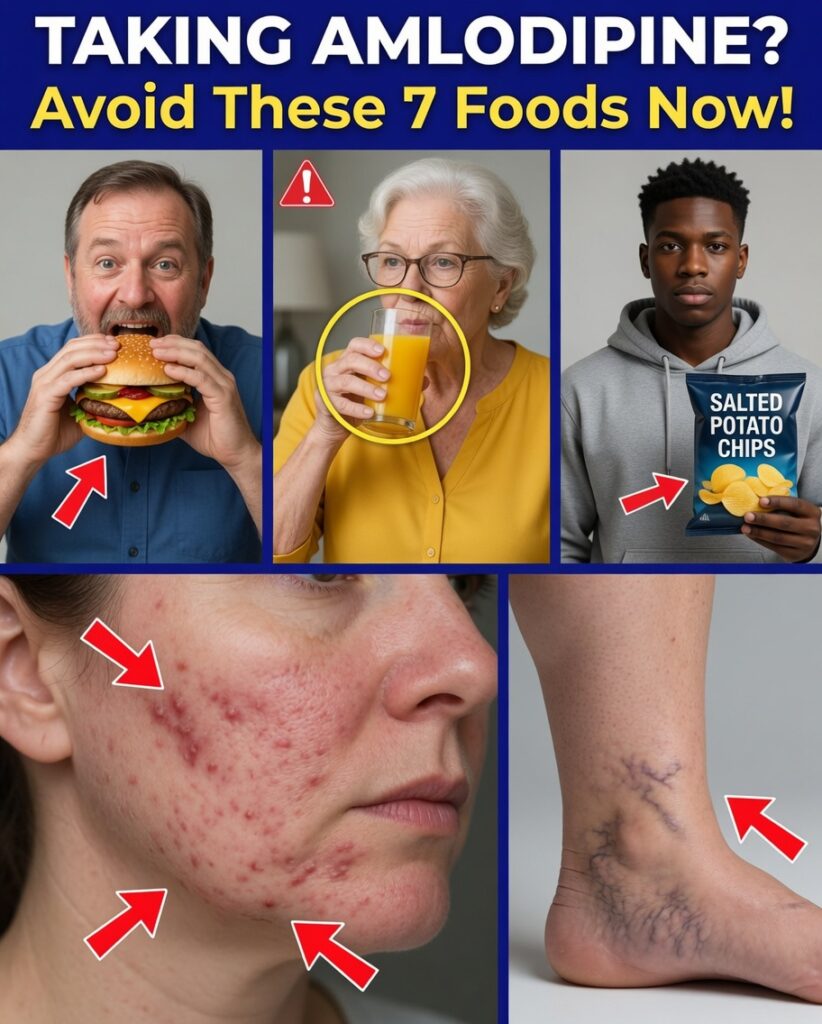
More than 1 in 4 adults over 40 take blood pressure medications such as amlodipine—yet up to 40% report bothersome side effects, including:
- Ankle or foot swelling (edema)
- Facial flushing
- Dizziness or lightheadedness
- Headaches
Waking up with puffy feet, feeling sudden heat during important moments, or needing to steady yourself because of dizziness can seriously disrupt daily life. The encouraging news is that everyday foods may be making these symptoms worse, and small dietary changes can bring noticeable relief.
Why Do Amlodipine Side Effects Sometimes Feel Worse?
Amlodipine works by relaxing blood vessels, which helps lower blood pressure. However, it can also lead to fluid buildup, fatigue, and dizziness in some people.
What many people don’t realize: certain foods and drinks can interfere with how amlodipine is processed or how your body responds, making swelling, flushing, and dizziness more pronounced.
7 Common Foods and Drinks That May Worsen Amlodipine Side Effects (Plus Better Swaps)
1. Grapefruit (and Grapefruit Juice)
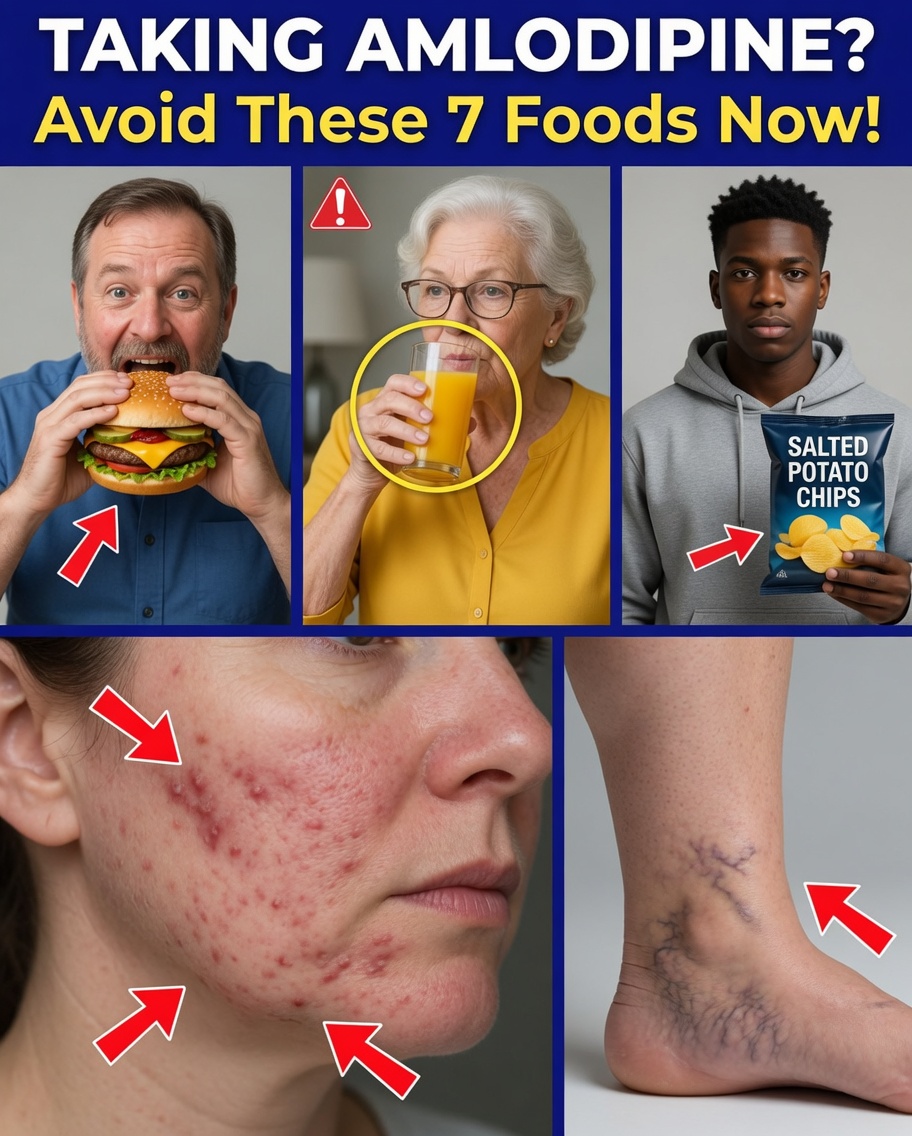
Grapefruit contains compounds that can raise the level of amlodipine in the bloodstream, potentially intensifying side effects like swelling and dizziness.
Swap with:
- Orange
- Lemon
- Tangerine/mandarin
2. High-Sodium Foods
Too much sodium encourages water retention, which can make ankle swelling worse. Common sources include:
- Packaged soups
- Processed meats
- Salty snacks
Swap with:
- Fresh herbs and spices
- Garlic
- Lemon
- Whole, minimally salted foods
3. Alcohol
Alcohol can drop blood pressure too much, increasing the chance of dizziness and weakness. It may also contribute to worsening swelling.
Swap with:
- Sparkling water
- Herbal teas
- Non-alcoholic drinks
4. Licorice (Including Some Candies and Teas)
Licorice can promote sodium retention and lower potassium, which may aggravate swelling and other symptoms.
Swap with:
- Ginger tea
- Chamomile tea
- Mint tea
5. Heavy, High-Fat Meals
Very fatty meals may alter medication absorption and can make side effects feel stronger or last longer throughout the day.
Swap with healthier fats:
- Olive oil
- Avocado
- Fish
6. Caffeine and Energy Drinks
Caffeine can temporarily raise blood pressure and may trigger:
- Palpitations
- Headaches
- Dizziness
Swap with:
- Decaffeinated coffee
- Calming herbal teas
7. Ultra-Processed Foods
Ultra-processed foods tend to be loaded with salt, sugar, and additives, which can increase swelling and place extra strain on the body.
Swap with:
- Simple home-cooked meals
- Whole, natural foods
The Key Takeaway
You may be able to feel significantly better with small diet changes—without stopping your blood pressure treatment.
Many people notice improvements such as less swelling, fewer dizzy spells, and better daily energy in as little as a few days, especially after changing just one key habit.
Bonus Tip: Track Your Food and Symptoms for 7 Days
For one week, write down:
- What you eat and drink
- When symptoms appear (swelling, dizziness, flushing, headaches)
- How intense they feel
This simple log can help you spot patterns quickly and make smarter adjustments.
Frequently Asked Questions
Can I have grapefruit occasionally?
It’s best to avoid grapefruit completely, because even small amounts may interfere with amlodipine levels.
How soon might I feel better?
Many people report changes within 3 to 7 days, depending on which triggers are removed and individual sensitivity.
Do I need to overhaul my entire diet?
No. Start with one or two easy changes, and build from there if needed.
Important Safety Note
This article is for informational purposes and does not replace medical advice. Always consult a healthcare professional before changing your diet or adjusting any medication or treatment plan.