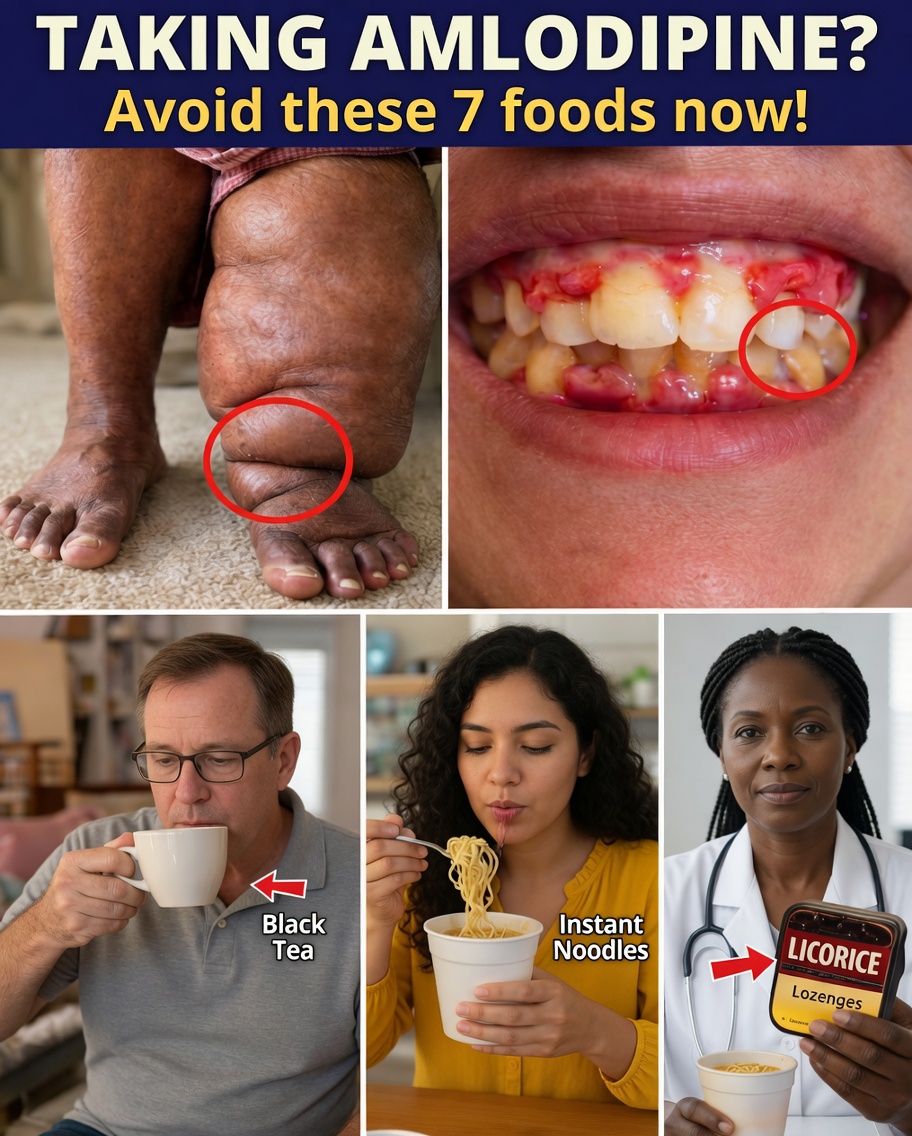
Want to Reduce Dizziness, Swelling, and Headaches While Taking Amlodipine? Start Avoiding These Foods Today
If you use amlodipine to manage high blood pressure, you may have noticed common side effects such as swollen ankles, dizziness, facial flushing, or lingering headaches that make everyday tasks feel harder. Sometimes these symptoms show up unexpectedly, leaving you wondering why you still feel uncomfortable even when you’re taking your medication exactly as prescribed.
What many people don’t realize is that certain everyday foods can worsen amlodipine side effects. Some foods affect how your body breaks down (metabolizes) the drug, while others encourage fluid retention or temporarily change how your blood vessels respond. The result: mild symptoms can feel stronger and more disruptive.
The encouraging news is that small dietary changes can make a meaningful difference. Without changing your prescription, adjusting a few eating habits may help reduce discomfort and support your overall well-being. Below are 7 foods that may aggravate amlodipine side effects—plus simple swaps that can help you feel better.
How Amlodipine Works—and Why Diet Matters
Amlodipine is a calcium channel blocker. It helps relax and widen blood vessels, improving blood flow and lowering blood pressure.
However, its effects can be influenced by what you eat and drink. Certain foods may:
- Interfere with liver enzymes involved in processing the medication
- Increase water and sodium retention, contributing to swelling
- Temporarily shift blood pressure or heart rate, making side effects more noticeable
If you’re sensitive to amlodipine’s side effects, paying attention to diet can improve day-to-day comfort.
1. Grapefruit (and Grapefruit Juice)
Grapefruit contains compounds that can block enzymes your body uses to break down amlodipine. This may raise the medication level in your bloodstream, increasing the likelihood of dizziness, swelling, and flushing.
Smart swap: Choose oranges, mandarins, lemon, or fruit-infused water for a similar refreshing taste without interfering with medication metabolism.
2. High-Sodium Foods
Too much salt encourages fluid retention, which can worsen leg and ankle swelling—one of the most common complaints among people taking amlodipine.
Common high-sodium items include:
- Canned soups
- Processed meats (deli meats, sausages)
- Packaged salty snacks
- Frozen or ready-to-eat meals
Smart swap: Prioritize fresh foods and season meals with herbs, garlic, lemon, vinegar, pepper, and spices instead of relying on salt.
3. Alcohol
Alcohol also causes blood vessels to widen—similar to how amlodipine works. Together, they can lead to an excessive drop in blood pressure, triggering lightheadedness, weakness, dizziness, or faint-like feelings.
Smart swap: Try sparkling water with fruit, herbal teas, or other non-alcoholic drinks without added sugars.
4. Licorice (Especially Black Licorice)
Natural licorice contains glycyrrhizin, which can increase sodium retention and lower potassium levels. This may contribute to swelling and blood pressure fluctuations.
Smart swap: Choose gentler options such as peppermint, ginger, or chamomile tea for flavor without the same risk.
5. Very Fatty or Heavy Meals
Deep-fried foods and overly rich meals can slow digestion and may affect how your body absorbs medication. For some people, this can contribute to delayed episodes of flushing or dizziness.
Smart swap: Go for grilled, baked, or steamed meals with vegetables, olive oil, and lean protein.
6. Too Much Caffeine
Large amounts of caffeine—such as energy drinks or multiple strong coffees—can temporarily increase heart rate and blood pressure, which may work against amlodipine’s vessel-relaxing effect.
Smart swap: Keep coffee to modest amounts, consider decaf, and rotate in naturally caffeine-free herbal teas.
7. Ultra-Processed Foods
Ultra-processed foods often contain high levels of sodium, added sugar, and additives that can disrupt fluid balance and make swelling more likely.
Smart swap: Focus on whole foods and home-prepared meals where you control the ingredients.
Practical Steps You Can Start Today
If you want to notice changes sooner, keep it simple:
- Track what you eat for a few days
- Identify which items on this list show up often
- Replace just 1–2 foods to start
- Drink plenty of water
- Note when symptoms worsen or improve
Over a few weeks, many people notice gradual improvements in swelling, dizziness, or headaches.
Conclusion
Living with amlodipine side effects doesn’t have to mean constant discomfort. Targeted, realistic dietary adjustments can help your body handle the medication better and may reduce issues like ankle swelling, dizziness, and flushing.
By making more intentional food choices, you can support your blood pressure treatment while also improving daily quality of life.
Disclaimer: This article is for informational purposes only and does not replace professional medical advice. Always consult your doctor or a qualified healthcare professional before making major dietary changes or adjusting any medication.