
7 Science-Backed Foods to Help Maintain Muscle Strength as You Age
As the years go by, many people notice that lifting, walking uphill, or even getting out of a chair feels more demanding than it used to. This gradual loss of muscle mass and strength—known as sarcopenia—is a normal part of aging, but it can reduce mobility, raise the risk of falls, drain energy, and ultimately limit independence and quality of life.
The encouraging news: targeted nutrition, combined with regular movement, can significantly support muscle maintenance. Research consistently shows that focusing on nutrient-dense foods helps preserve muscle function over time. Below, you’ll find seven key foods that older adults can easily add to everyday meals to support stronger muscles, plus practical strategies at the end to turn these ideas into sustainable habits.

Why Muscle Health Becomes Critical After 60
Sarcopenia doesn’t appear all at once. It develops slowly as the body’s ability to build new muscle protein declines while muscle breakdown gradually increases. Scientific studies show that older adults typically need more protein than younger adults to maintain the same amount of muscle, because aging muscles become less responsive to dietary protein.
When the diet lacks sufficient protein and other crucial nutrients, muscle loss can accelerate. However, evidence from systematic reviews and large observational studies indicates that eating patterns rich in:
- High-quality protein
- Certain vitamins (such as vitamin D)
- Anti-inflammatory and antioxidant compounds
can help preserve muscle mass and strength—especially when paired with lifestyle habits like resistance or strength training.
Protein: The Cornerstone Nutrient for Aging Muscles
Among all nutrients, protein is the most thoroughly studied for its effect on muscle health in older adults. Many experts recommend:
- Around 1.0–1.2 grams of protein per kilogram of body weight per day, or
- Roughly 25–30 grams of protein at each main meal
This amount appears to help stimulate muscle protein synthesis—the process your body uses to build and repair muscle tissue. High-quality proteins supply essential amino acids, including leucine, a key trigger for muscle repair and growth.
Some of the best protein-rich foods to emphasize include:
- Lean poultry and eggs – Chicken or turkey breast provide complete protein with minimal fat, while eggs are rich in leucine and also naturally contain vitamin D.
- Fish, especially fatty fish – Salmon, mackerel, and tuna supply both protein and omega‑3 fatty acids, which may help combat inflammation associated with muscle loss.
- Dairy products – Greek yogurt, cottage cheese, and milk offer whey protein, which has been linked in studies to improvements in muscle mass and function.
Still, protein is only part of the picture. Let’s look at seven specific foods and food groups that research highlights for their muscle-supporting benefits.
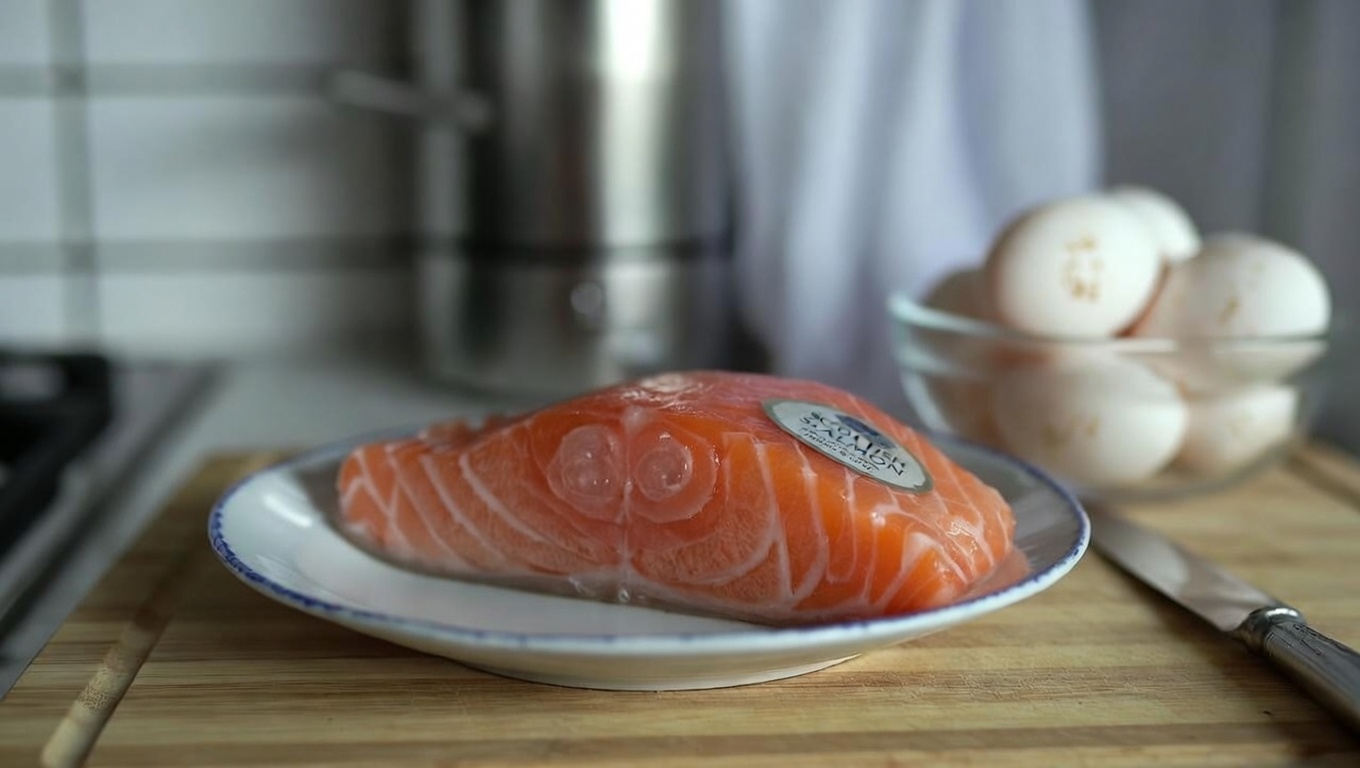
7 Essential Foods to Help Maintain Muscle Strength With Age
These options focus on whole, minimally processed foods that provide protein, vitamin D, omega‑3 fats, and antioxidants—all important for protecting muscle as you get older. Introduce them gradually to make changes that last.
1. Eggs
Eggs are compact nutrient powerhouses, delivering high-quality, easily absorbed protein in a small package. The yolk contains vitamin D, which studies associate with better muscle performance and reduced fall risk in older adults.
- Why they help: Protein supports muscle repair and maintenance, while vitamin D plays a role in muscle function.
- How to use them: Add one or two eggs to breakfast several times a week—scrambled, hard-boiled, poached, or in a vegetable-packed omelet.
2. Fatty Fish (Such as Salmon, Mackerel, or Sardines)
Fatty fish provide a dual benefit: they are rich in protein and contain omega‑3 fatty acids, which have anti-inflammatory properties. Research suggests omega‑3s may help preserve muscle mass and improve muscle quality in older adults.
- Why they help: Omega‑3s may reduce chronic low-grade inflammation that contributes to muscle breakdown.
- How to use them: Aim for 2–3 servings per week. Grill, bake, or steam salmon or mackerel, or add canned sardines or tuna to salads and whole-grain dishes.
3. Greek Yogurt or Cottage Cheese
Fermented dairy products like Greek yogurt and cottage cheese are packed with whey and casein proteins, plus calcium. Meta-analyses have found associations between higher dairy protein intake and better muscle mass in the arms and legs of older adults.
- Why they help: Whey protein is rapidly absorbed and effective at stimulating muscle protein synthesis. Calcium supports bone health, which works hand-in-hand with stronger muscles.
- How to use them: Enjoy about 1 cup per day as a snack, in smoothies, or paired with fruit and nuts for a protein-rich breakfast.
4. Lean Poultry (Chicken or Turkey Breast)
Skinless chicken or turkey breast offers complete protein with relatively low saturated fat. Dietary surveys and observational research link higher intakes of lean animal protein to slower age-related declines in muscle mass and strength.
- Why they help: Complete proteins provide all essential amino acids needed for muscle repair.
- How to use them: Add grilled or baked chicken or turkey to salads, stir-fries, grain bowls, or sandwiches for a satisfying, muscle-supporting meal.
5. Beans, Lentils, and Other Legumes
Legumes—including beans, lentils, chickpeas, and peas—are excellent plant-based sources of protein, fiber, and important minerals. While most are not complete proteins on their own, combining them with grains (like rice or quinoa) creates a more balanced amino acid profile.
- Why they help: Studies of Mediterranean-style diets, which are rich in legumes, show links to lower rates of sarcopenia and better overall physical function.
- How to use them: Include lentil soups, bean salads, chickpea stews, or rice-and-bean dishes several times per week.
6. Nuts and Seeds (Especially Walnuts)
Nuts and seeds provide healthy fats, plant-based protein, and antioxidants. Walnuts are particularly notable for their plant-based omega‑3 fatty acids (ALA), which may support cell membrane health and contribute to muscle protection.
- Why they help: Healthy fats and antioxidants can help counter oxidative stress and inflammation that damage muscle over time.
- How to use them: Enjoy a small handful of mixed nuts or seeds daily as a snack, or sprinkle them over yogurt, salads, or oatmeal.
7. Turmeric (In Cooking or “Golden Milk”)
Turmeric contains curcumin, a compound with strong anti-inflammatory and antioxidant effects. Animal studies and early human research suggest curcumin may help guard against muscle atrophy and improve recovery after muscle damage.
- Why it helps: Curcumin may reduce inflammation and oxidative stress, two key contributors to muscle loss in aging.
- How to use it: Add about 1 teaspoon of turmeric to curries, roasted vegetables, soups, or stews. You can also make “golden milk” by warming milk (or a plant-based alternative) with turmeric and a pinch of black pepper to enhance curcumin absorption.
How to Make These Foods Work Together
Combining these foods strategically can amplify their benefits. For example, pairing high-quality protein with anti-inflammatory ingredients like fatty fish and turmeric may support muscle health more effectively than any single food alone.
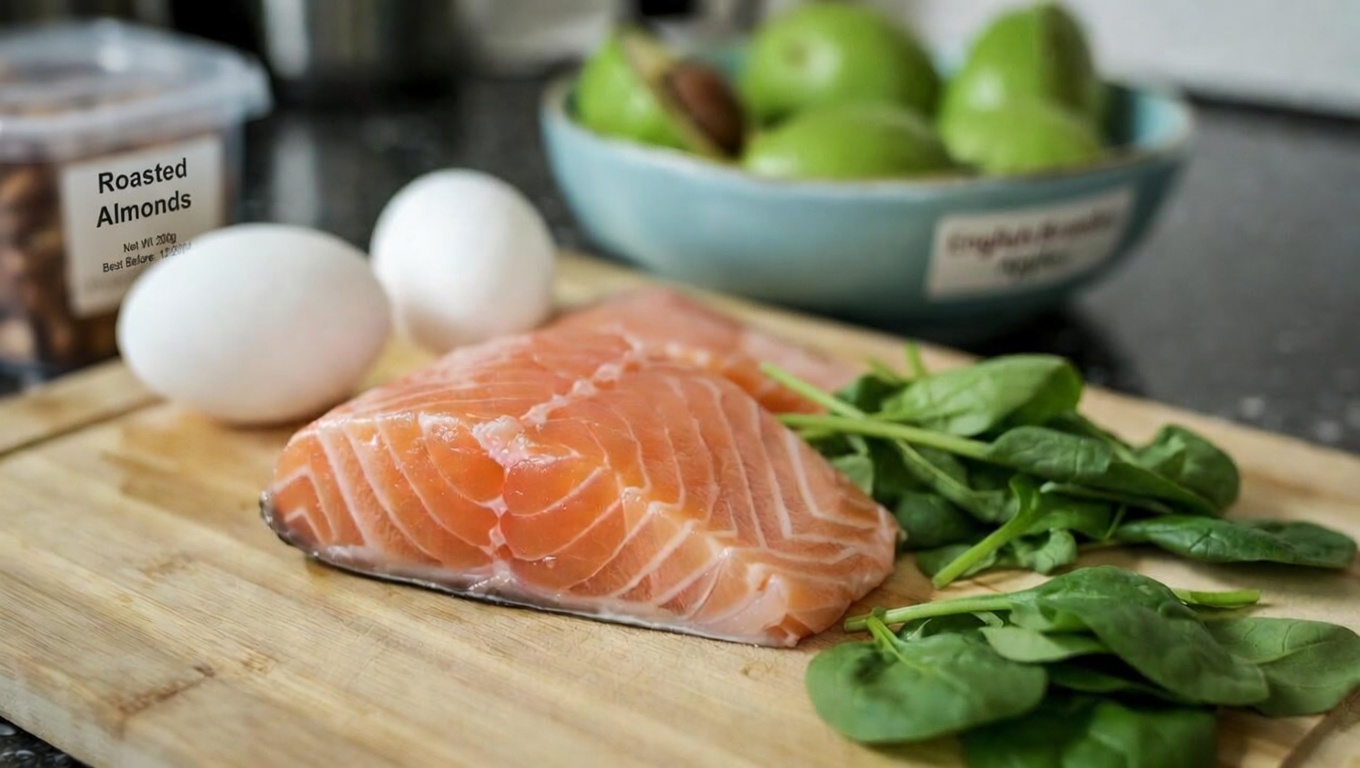
Practical Tips: Simple Ways to Add Muscle-Friendly Foods to Your Day
To create lasting change, focus on small, manageable steps rather than overhauling your entire diet at once. Here’s a straightforward approach:
-
Increase protein at every meal
Aim for 25–30 grams of protein at breakfast, lunch, and dinner. For instance:- Breakfast: Eggs or Greek yogurt
- Mid-morning: Cottage cheese or a small handful of nuts
- Lunch: Chicken or turkey salad with beans
- Dinner: Salmon or another fatty fish
-
Distribute protein evenly
Research suggests muscles respond better when protein is spread throughout the day instead of concentrated at a single meal. Try to include a solid protein source every time you eat. -
Combine nutrition with movement
Diet and exercise work best together. Add simple strength exercises—such as bodyweight squats, wall push-ups, or light dumbbell routines—2–3 times per week. Even short sessions can help preserve muscle. -
Improve nutrient absorption
- Add black pepper whenever you use turmeric to boost curcumin bioavailability.
- Get safe exposure to sunlight or ask your healthcare provider to check your vitamin D levels, especially if you rarely go outside.
-
Example of a muscle-supportive day of eating
- Breakfast: Greek yogurt topped with nuts and berries
- Lunch: Lentil soup with added chicken or turkey pieces
- Snack: One hard-boiled egg and a few walnut halves
- Dinner: Baked salmon with mixed vegetables seasoned with turmeric and black pepper
What Long-Term Research Shows
Large reviews and population studies consistently find that dietary patterns such as the Mediterranean or traditional Japanese diet—both high in vegetables, fruits, whole grains, quality protein, and healthy fats—are associated with better muscle strength, improved physical performance, and lower risk of frailty in older adults.
No single food can prevent or reverse sarcopenia by itself. However, regularly consuming these muscle-supportive nutrients as part of an overall healthy lifestyle appears to offer meaningful protection over time.
Conclusion: Small Daily Choices, Stronger Muscles for Years to Come
Building and preserving muscle after 60 is absolutely possible. By regularly including these seven foods—eggs, fatty fish, Greek yogurt or cottage cheese, lean poultry, legumes, nuts and seeds, and turmeric—you give your muscles the raw materials they need to stay strong.
Combine consistent protein intake with gentle but regular strength exercises and a generally balanced diet, and you’ll be better equipped to maintain independence, energy, and vitality well into later life.
FAQ
How much protein do older adults need each day?
Most experts recommend 1.0–1.2 grams of protein per kilogram of body weight per day for older adults, divided across meals. This is higher than the standard recommendation for younger people and helps support muscle maintenance.
Is food enough, or are supplements necessary?
Whenever possible, it’s best to meet your nutrient needs through whole foods. However, if blood tests reveal deficiencies—such as low vitamin D—or if your appetite is reduced, your doctor or dietitian may suggest targeted supplements (for example, vitamin D, omega‑3s, or protein powders).
Is exercise as important as diet for muscle health?
Yes. Research consistently shows that resistance or strength training combined with adequate protein intake provides the strongest protection against age-related muscle loss. Diet and exercise work together: protein supplies the building blocks, and exercise signals the body to use them to build and maintain muscle.