
7 Foods That Can Help Support Muscle Health After 60
As people age, it is very common to feel less energetic and notice a slow drop in physical strength. Many older adults are affected by sarcopenia, the natural decline in muscle mass and muscle function that comes with aging. When this happens, everyday tasks such as lifting shopping bags, getting up from a chair, or walking up stairs may start to feel harder than before. Over time, this can affect independence, increase the risk of falls, and reduce overall quality of life. While aging is one part of the picture, research suggests that nutrition and regular movement can make a meaningful difference in preserving muscle health.
The encouraging news is that certain nutrient-rich foods may help maintain muscle function when they are part of a regular eating pattern. In this article, we’ll look at seven science-backed foods that provide high-quality protein, essential amino acids, and other important nutrients linked to muscle support. Be sure to read through to the end for one familiar kitchen spice that early research suggests may also help protect muscles as we age.
Why Muscle Health Becomes So Important After 60
Muscle does much more than support appearance or physical power. It plays a major role in balance, mobility, metabolism, and the ability to perform routine daily activities. Research shows that after age 50, adults may lose around 1% to 2% of muscle mass each year if no action is taken to support it. This decline is influenced by lower physical activity, changes in protein metabolism, and the body’s reduced efficiency in building and repairing muscle tissue.
At the same time, studies from trusted sources, including Harvard Health and broader review research, indicate that nutrition can help offset some of these age-related changes. Adequate protein intake, along with nutrients such as vitamin D, omega-3 fatty acids, and antioxidants, has been associated with better muscle-related outcomes in older adults. When these foods are combined with resistance-based exercise, the benefits are even stronger.

Protein: The Core Nutrient for Maintaining Muscle
Protein is especially important because it delivers the amino acids the body needs to repair and maintain muscle tissue. As we get older, the body may require a bit more protein to trigger the same muscle-building response seen in younger adults. For many seniors, a daily intake of about 1.0 to 1.2 grams of protein per kilogram of body weight is often recommended, ideally divided across meals.
Many experts suggest aiming for around 25 to 30 grams of high-quality protein at each main meal to better support muscle maintenance.
Excellent protein-rich choices include:
-
Lean poultry and meat
Chicken breast and turkey provide complete protein and are naturally rich in leucine, an amino acid that plays an important role in muscle protein synthesis. -
Fish, especially oily fish
Salmon and mackerel offer both protein and omega-3 fatty acids, which may help address inflammation associated with age-related muscle decline. -
Eggs
Easy to prepare and highly nutritious, eggs provide quality protein along with vitamin D and other important nutrients. -
Dairy foods such as Greek yogurt and cottage cheese
These options combine protein with calcium and, in some cases, vitamin D, making them useful for both bone and muscle health.
7 Key Foods to Add to Your Diet for Better Muscle Support
Below are seven practical foods supported by observational studies and nutrition reviews focused on healthy aging. Adding them gradually can help you build long-term habits without feeling overwhelmed.
1. Greek Yogurt
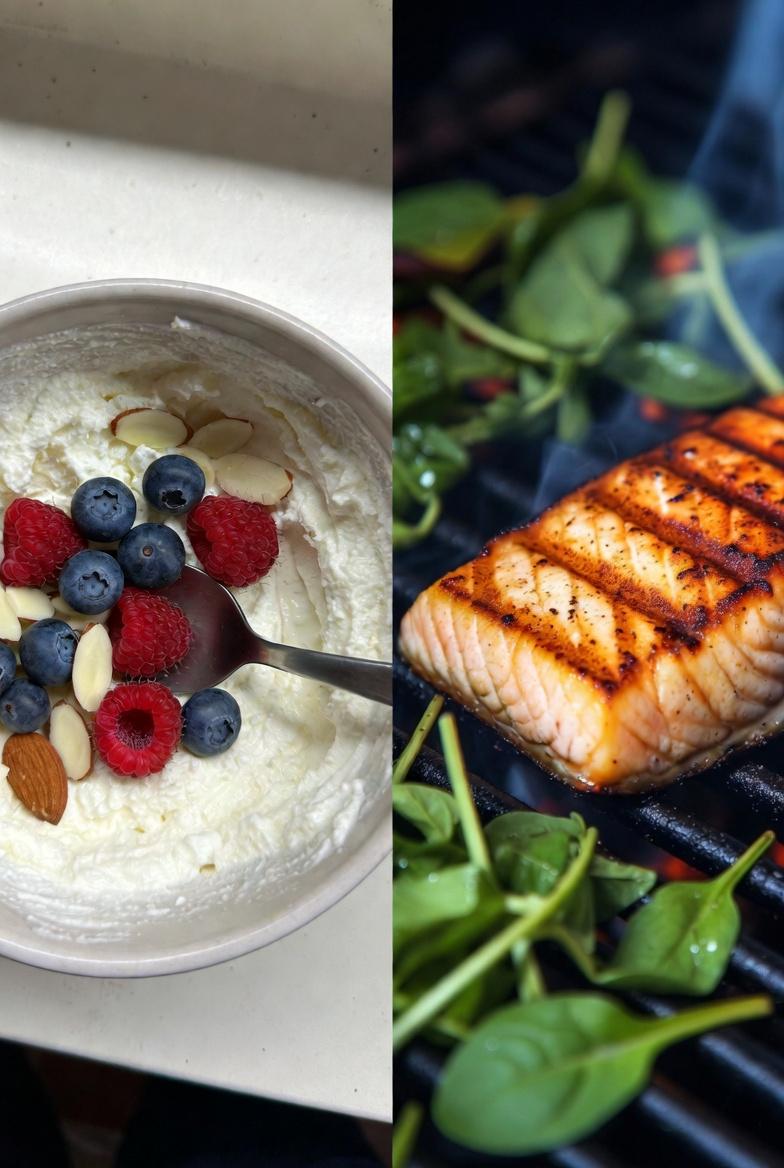
Greek yogurt is a convenient, creamy food that can provide about 20 grams of protein per cup. It also contains probiotics, which support gut health. Research suggests dairy-based proteins may help improve muscle-related markers in older adults.
Simple idea: Enjoy it at breakfast with berries on top for extra antioxidants and natural sweetness.
2. Salmon and Other Fatty Fish
Salmon delivers roughly 22 grams of protein in a 3-ounce serving, while also supplying omega-3 fats. Emerging evidence links omega-3 intake with better physical performance and healthier aging muscles.
Simple idea: Try to eat fatty fish twice a week. Baking or grilling makes preparation easy.
3. Eggs
One large egg contains around 6 grams of high-quality protein, along with vitamin D and other nutrients that support overall health. Eggs are a flexible option that can fit into meals or snacks throughout the day.
Simple idea: Boil several eggs in advance for quick snacks, or slice them into salads.
4. Lentils and Beans
Lentils and beans are strong plant-based protein sources. One cup of cooked lentils provides about 17 to 18 grams of protein, plus fiber, iron, and other minerals. When eaten with grains, they can supply a more complete amino acid profile.
Simple idea: Add them to soups, stews, or grain bowls for an affordable and filling meal.
5. Nuts Such as Almonds and Walnuts
A small handful of nuts offers protein, healthy fats, and valuable minerals. Some recent findings suggest that regular nut consumption may be linked with a lower likelihood of sarcopenia.
Simple idea: Sprinkle chopped nuts over yogurt or oatmeal, or keep a small portion on hand for a snack.
6. Leafy Greens and Cruciferous Vegetables
Vegetables such as kale, spinach, and broccoli are rich in antioxidants, magnesium, vitamin K, and other compounds that support healthy aging. Studies have found that people who eat more vegetables often show better physical performance.
Simple idea: Steam, roast, or sauté them as side dishes, and aim to include several servings each day.
7. Turmeric With Black Pepper
Turmeric contains curcumin, a plant compound being studied for its anti-inflammatory properties. Early research is exploring whether it may also help support muscle health during aging. More human studies are still needed, but it is an easy ingredient to include in everyday meals. Black pepper may improve curcumin absorption.
Simple idea: Stir turmeric into soups, tea, or warm milk, and add a pinch of black pepper.
Why Combining These Foods Works Even Better
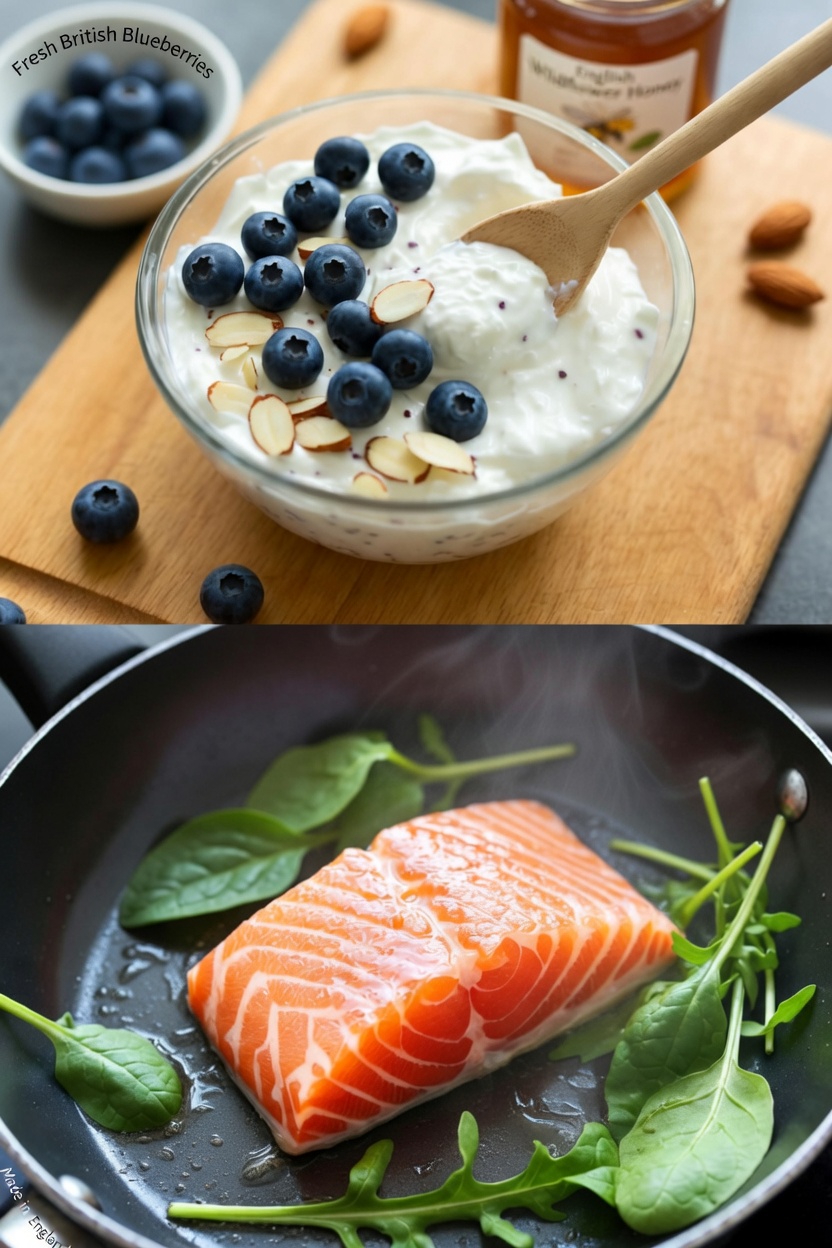
These foods do not have to be eaten in isolation. In fact, combining them can create a more complete nutritional strategy. For example, a meal made with salmon, leafy greens, and a yogurt-based dressing provides protein, omega-3s, antioxidants, and other supportive nutrients in one plate.
This kind of balanced eating pattern can make it easier to consistently support muscle maintenance over time.
Protein at a Glance: Everyday Portions
Here is a quick reference for common serving sizes:
- Greek yogurt (1 cup): about 20g protein
- Salmon (3 oz): about 22g protein
- Eggs (2 large): about 12g protein
- Lentils (1 cup cooked): about 18g protein
- Almonds (1 oz): about 6g protein
A practical target is 25 to 30 grams of protein per meal for stronger daily support.
Practical Ways to Start Today
Making improvements does not have to be complicated. These simple steps can help you begin:
-
Review your current diet
Track what you eat for a few days and estimate your daily protein intake. -
Distribute protein across the day
Try not to consume most of it only at dinner. Spreading it across meals may be more effective. -
Add strength-focused movement
Even basic resistance exercises, such as bodyweight squats or light resistance band work, can enhance the effects of good nutrition. -
Stay hydrated
Proper hydration supports overall physical function and recovery. -
Eat colorful fruits and vegetables
These provide antioxidants that may help protect muscle and overall health. -
Talk to your healthcare provider when needed
If you have kidney issues, other medical conditions, or take medications, check with your doctor before making major dietary changes or using supplements.
Conclusion: Consistent Choices Can Help Preserve Strength
Including these seven foods in your routine can be a practical and realistic way to nourish your muscles as you age. Rather than aiming for perfection, focus on steady habits you can enjoy and maintain. Regularly eating protein-rich foods along with nutrient-dense additions like leafy greens, fatty fish, and turmeric can help support strength, mobility, and independence over time.
Small, consistent actions often produce the most lasting results.
FAQ
How much protein do older adults need each day?
Many experts recommend around 1.0 to 1.2 grams of protein per kilogram of body weight per day for seniors. This amount is often higher than what younger adults need and is best spread across meals.
Can food alone stop muscle loss?
Diet is a major part of muscle support, especially when it includes enough protein and essential nutrients. However, research shows that combining nutrition with regular physical activity, especially resistance exercise, delivers the best results.
Is turmeric safe for seniors to use daily?
In normal food amounts, turmeric is generally considered safe and is commonly used in cooking. Start with small amounts, and speak with a healthcare professional if you are considering supplements or if you take prescription medications.