Living With Chronic Kidney Disease: Daily Habits That May Help Protect Kidney Function
Living with chronic kidney disease (CKD) can be emotionally and physically exhausting. Many people worry about the condition getting worse, while also dealing with symptoms such as tiredness, swelling, and uncertainty about what lies ahead. Over time, everyday decisions become more important, because simple routine changes can affect how well the kidneys continue to work.
The encouraging part is that strong research supports several practical habits that may help protect kidney health and slow CKD progression. Eating more carefully, staying physically active, and keeping important health numbers under control can all make a real difference. In this guide, you’ll find realistic, evidence-based steps drawn from trusted resources, including the National Institute of Diabetes and Digestive and Kidney Diseases (NIDDK) and leading kidney health organizations. And near the end, we’ll also look at an interesting tip involving common kitchen ingredients that may have a place in a kidney-conscious lifestyle.
What Chronic Kidney Disease Is and Why Lifestyle Matters
Chronic kidney disease develops when the kidneys slowly lose their ability to remove waste and extra fluid from the blood. It is often linked to long-term conditions such as diabetes and high blood pressure, along with other factors that place continuous stress on the kidneys.
Although existing kidney damage usually cannot be reversed, research shows that healthy lifestyle strategies can help preserve remaining kidney function. These changes may also lower the risk of complications such as heart disease and reduce the likelihood of needing more advanced treatment later.
The best part is that improvement does not always require dramatic change. In many cases, steady, manageable habits are the ones that matter most.
Essential Habits That Support Kidney Health
1. Prioritize Blood Pressure Control
If you have CKD, controlling blood pressure is one of the most important steps you can take. High blood pressure can speed up kidney damage, and studies consistently show that keeping it in a healthier range can help slow disease progression. For many people, that target is often below 130/80 mmHg, but your doctor may recommend a different goal based on your situation.
Helpful steps include:
- Check your blood pressure regularly at home.
- Take prescribed medicines exactly as directed.
- Ask your doctor about ACE inhibitors or ARBs, which are often especially useful when protein is present in the urine.
- Keep sodium intake below 2,300 mg per day.
- Reduce processed and packaged foods, and use herbs or spices instead of salt for flavor.
Blood pressure management becomes even more effective when combined with other kidney-friendly habits.
2. Keep Blood Sugar Stable if You Have Diabetes
For people whose CKD is linked to diabetes, blood sugar control is a core part of kidney protection. High glucose levels can damage blood vessels throughout the body, including the delicate vessels inside the kidneys.
To support better control:
- Monitor blood glucose as often as your healthcare team recommends.
- Build meals around whole, balanced foods.
- Review medications or insulin needs with your doctor if levels are not well controlled.
Major clinical guidelines continue to identify blood sugar management as one of the best ways to delay kidney-related complications in diabetes.
3. Follow a Kidney-Friendly Eating Pattern
Nutrition plays a major role in CKD care. A kidney-supportive eating plan usually focuses on whole foods while reducing nutrients that may overwork the kidneys.
Evidence-based dietary strategies include:
- Lower sodium intake to help manage blood pressure and reduce fluid retention.
- Keep protein moderate. For many people, around 0.8 grams per kilogram of body weight is appropriate, though individual needs vary.
- Consider more plant-based protein sources, which may be easier on the kidneys in some cases.
- Limit phosphorus and potassium if blood tests show elevated levels.
- Drink water regularly, unless your healthcare provider has given you specific fluid limits.
Foods such as fresh vegetables, lean protein sources, and heart-healthy fats can support overall wellness. Research also suggests that plant-forward eating patterns may help lower inflammation and support slower kidney decline.
Foods to Choose More Often vs. Foods to Limit
Foods to emphasize
- Apples
- Berries
- Onions
- Garlic
- Olive oil
- Fresh herbs
- Low-sodium whole foods
Foods to limit
- Processed meats
- Canned soups
- Salty snack foods
- High-phosphorus dairy products
- Heavily processed convenience meals
Choosing antioxidant-rich foods may also help reduce oxidative stress, which is commonly seen in CKD.
4. Stay Active With Regular Exercise
Physical activity supports circulation, body weight, blood pressure, and blood sugar control. It can also improve mood and energy levels, both of which are often affected in people with CKD.
A common goal is at least 150 minutes of moderate exercise each week. Activities may include:
- Walking
- Swimming
- Cycling
- Light aerobic exercise
If you are not used to exercising, start slowly and build up over time. Research has linked regular movement with slower CKD progression and fewer related health problems.
5. Work Toward a Healthy Weight
Carrying excess weight puts additional strain on the kidneys and can make related conditions, such as high blood pressure and diabetes, harder to control. Losing weight gradually through better food choices and regular activity can improve overall kidney health.
Keep these points in mind:
- Focus on habits you can maintain long term.
- Avoid extreme diets or rapid-weight-loss plans.
- Remember that even small weight reductions can provide health benefits.
6. Avoid Smoking and Be Careful With Alcohol
Smoking reduces blood flow to the kidneys and can speed up the decline in kidney function. Quitting smoking is one of the most powerful decisions a person with CKD can make.
Alcohol can also be a problem when consumed in excess, especially because it may raise blood pressure. If you drink, keep it moderate, or avoid it if your doctor advises that.
A Closer Look at Common Ingredients: Onions and Honey
Some people are interested in natural foods that may offer extra support as part of a kidney-friendly lifestyle. Two ingredients that often come up are onions and honey.
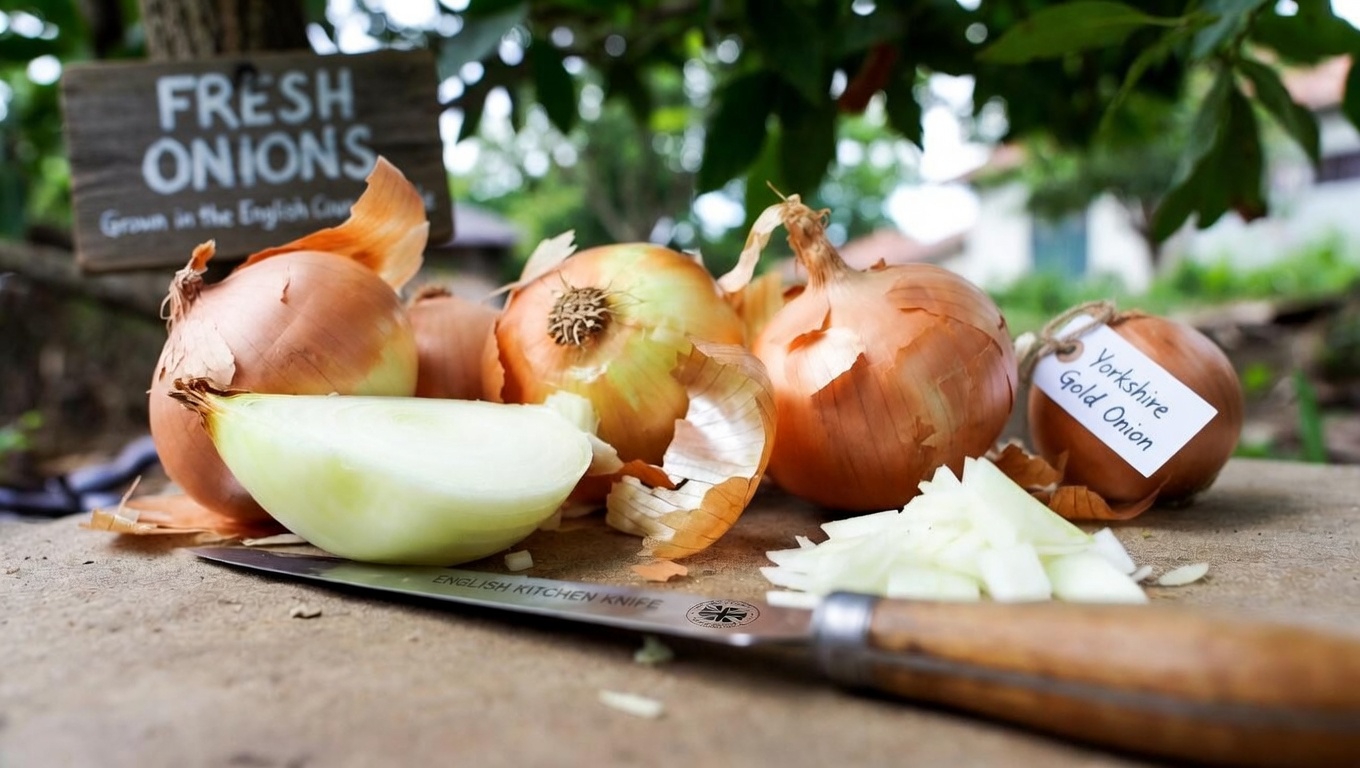
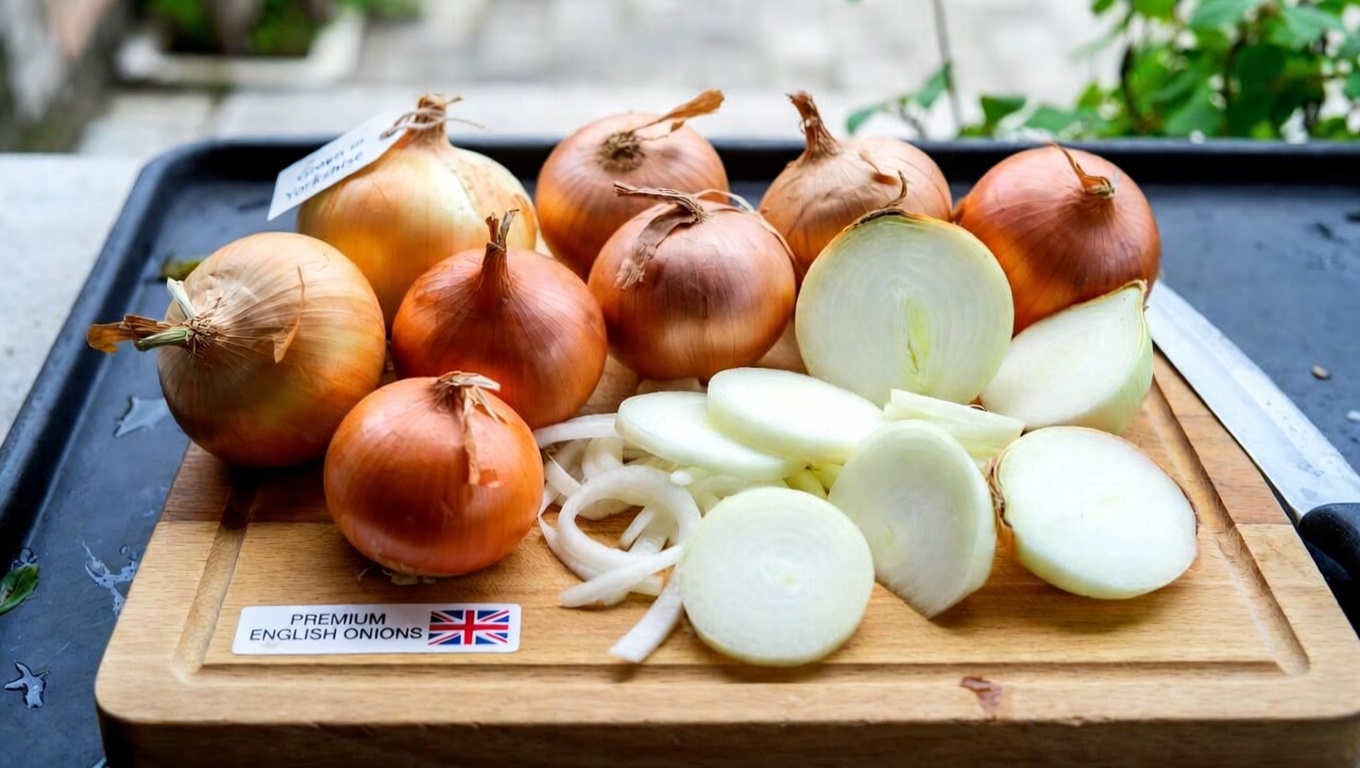
Onions are naturally low in potassium and contain antioxidants such as quercetin. These compounds may help reduce inflammation, which is relevant because inflammation can play a role in CKD. Some research also suggests onions may support heart health, which indirectly benefits the kidneys.
Honey, when used in moderation, has been studied for anti-inflammatory effects in animal research and for infection-related uses in certain CKD settings, such as topical care connected to dialysis. Its polyphenol content may also support gut health and help lower oxidative stress in some contexts.
What about combining them? Traditional remedies sometimes pair fresh onion with a small amount of honey. However, current evidence points more to general wellness benefits than to any direct ability to reverse CKD. It is important to speak with your doctor before adding this kind of remedy, especially because personal needs differ. For example:
- Honey contains natural sugars, which may matter if you have diabetes.
- Onions may affect dietary planning depending on your lab results and overall eating plan.
The key takeaway is simple: no single food can send CKD into remission. Still, carefully chosen ingredients may fit into a broader, medically guided plan for better kidney support.
Final Thoughts: Start Small and Stay Consistent
Supporting your kidneys often comes down to what you do every day. Managing blood pressure and blood sugar, eating with intention, staying physically active, maintaining a healthy weight, and avoiding harmful habits can all help protect kidney function.
These strategies are backed by strong evidence and can give you a greater sense of control over your health. If you have CKD, speak with your healthcare team, including a renal dietitian if possible, to create a plan based on your stage of disease and lab results. In many cases, early and consistent action offers the best chance of preserving kidney function for as long as possible.
Frequently Asked Questions
Can diet alone prevent CKD from getting worse?
No single diet can completely stop CKD progression in every case. However, proven dietary changes such as lowering sodium, moderating protein intake, and supporting healthy blood pressure can significantly slow progression for many people.
Is exercise safe if I have chronic kidney disease?
In most cases, yes. Moderate exercise is generally beneficial for people with CKD. Still, it is best to ask your doctor what type and amount of activity fits your condition.
Are supplements or herbal remedies recommended for CKD?
Many supplements and herbal products do not have strong evidence behind them. Some can also interfere with medications or worsen kidney problems. Only use supplements that your doctor has specifically approved.