6 Healthy Seeds Seniors Can Add to Daily Meals for Better Energy and Wellness
As the years go by, it is common to notice lower energy, slower digestion, and more frequent physical discomfort. Many older adults also find that the foods they have always eaten no longer seem to provide the same level of nourishment, which can leave them feeling tired or less comfortable during the day. The encouraging news is that a small dietary change can make a meaningful difference. Adding a few nutrient-dense seeds to everyday meals is an easy way to increase fiber, healthy fats, protein, and essential minerals without making your routine complicated.
Even better, these six familiar seeds are supported by nutrition research for their potential benefits in older adults. They are simple to use, affordable, and easy to work into meals. One of them is especially beginner-friendly, and by the end of this article, you will have a quick daily seed routine that takes only a few minutes.
Why Seeds Are a Smart Choice for Seniors
Seeds may be tiny, but they provide an impressive mix of nutrition in a very small serving. They naturally contain plant protein, beneficial fats, fiber, antioxidants, and important minerals. For seniors, these nutrients may help support heart health, digestion, and steady energy, all of which become more important as metabolism and nutritional needs change with age.
Unlike heavily processed snack foods, seeds offer whole-food nutrition that works with the body naturally. They can help add substance and nourishment to meals without requiring large portions or complicated preparation. A spoonful added to breakfast, lunch, or a snack can be enough to make a difference.
Research summaries from trusted health sources such as Cleveland Clinic and Healthline also suggest that regularly eating certain seeds may support overall wellness in a practical, sustainable way. Seniors often appreciate that seeds are shelf-stable, budget-friendly, and easy to keep on hand.
The Top 6 Seeds Every Senior Should Know
Below are six seeds that nutrition experts commonly recommend. Each one offers its own strengths and can fit well into a balanced eating plan for older adults.
1. Flaxseeds: A Top Pick for Omega-3s and Fiber
Flaxseeds are small brown seeds packed with plant-based omega-3 fatty acids and soluble fiber. This combination is often linked to support for healthy cholesterol levels and smoother digestion. For seniors, that may mean feeling more comfortable after meals and supporting long-term heart wellness.
Flaxseeds also contain lignans, which are natural plant compounds known for their antioxidant properties. One important tip is to grind flaxseeds before eating them, since the body absorbs their nutrients more effectively this way.
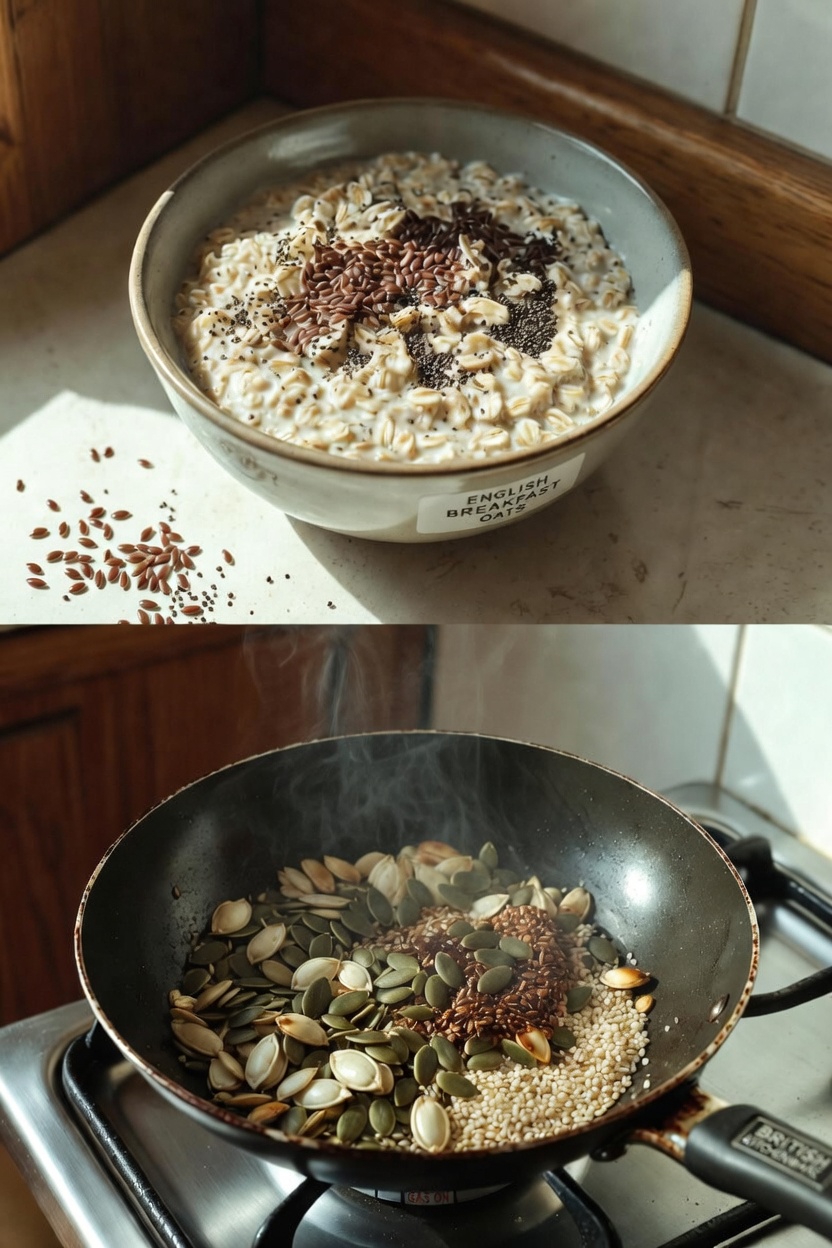
A simple starting point is one tablespoon a day mixed into yogurt, oatmeal, or cereal. They blend in easily and have a mild flavor, which makes them one of the easiest seeds to use regularly.
2. Chia Seeds: Great for Hydration, Fiber, and Fullness
Chia seeds may be tiny, but they provide a strong nutritional punch. They are rich in fiber, protein, and omega-3 fats. When mixed with liquid, chia seeds absorb moisture and create a gel-like texture. This can help support hydration and keep you feeling full for longer.
For seniors who experience occasional digestive sluggishness, the fiber in chia seeds may also help promote regularity. They are especially useful for people who want steady energy between meals without reaching for processed snacks.
You can stir a tablespoon of chia seeds into water, milk, or a smoothie, or let them soak overnight to make a quick pudding. They work well in both warm and cold dishes, which makes them very convenient.
3. Pumpkin Seeds: A Rich Source of Magnesium and Zinc
Pumpkin seeds, also called pepitas, are especially valued for their magnesium and zinc content. These minerals are important for muscle function, immune support, and overall vitality. Magnesium is also associated with relaxation and bone health, both of which matter more as we age.
Pumpkin seeds have a pleasant crunch and a naturally savory taste. They are delicious roasted with a little salt and can be used as a snack, soup topping, or salad addition.
Even a small handful per day can add texture and minerals to meals. Some nutrition reviews also suggest that magnesium intake may contribute to better rest, making pumpkin seeds a favorite for many older adults.
4. Sunflower Seeds: A Natural Source of Vitamin E
Sunflower seeds are especially known for their vitamin E, an antioxidant that helps protect cells from daily wear and tear. This nutrient is often linked to skin health and immune function, both of which are important for healthy aging.
They also provide healthy fats and selenium, adding further nutritional value. For seniors who want a simple snack that is easier to chew than some nuts, sunflower seeds can be a practical option.
Try sprinkling them over salads, grain bowls, or yogurt, or enjoy a small portion on their own as a mid-morning snack.
5. Sesame Seeds: Small Seeds with Big Mineral Benefits
Sesame seeds are tiny, but they supply calcium, iron, and other trace minerals that support bone strength and energy production. For seniors who want more mineral-rich foods without depending heavily on dairy, sesame seeds can be a useful addition.
They have a light nutty taste that becomes even more appealing when toasted. Sesame seeds are easy to add to rice dishes, stir-fries, vegetables, or homemade snacks.
They also contain lignans, which offer antioxidant support and fit well into a wellness-focused diet.
6. Hemp Seeds: A Complete Plant Protein Option
Hemp seeds stand out because they provide complete plant protein, meaning they contain all the essential amino acids. They also offer balanced omega fats, making them a strong choice for seniors who want to support muscle maintenance and energy without relying only on animal-based proteins.
Their flavor is mild and slightly nutty, so they are easy to add to many foods. Hemp seeds mix well into smoothies, cereal, oatmeal, and yogurt, and they can also make drinks creamier.
Many people find hemp seeds gentle on the stomach, which makes them a comfortable option for regular use.
Quick Comparison of These 6 Seeds
Here is a simple overview of the main nutrients in each seed and how they may benefit seniors:
-
Flaxseeds
- Key nutrients: Omega-3s, fiber, lignans
- Main benefit: Supports digestion and heart health
-
Chia Seeds
- Key nutrients: Fiber, protein, omega-3s
- Main benefit: Helps with fullness and hydration
-
Pumpkin Seeds
- Key nutrients: Magnesium, zinc
- Main benefit: Supports relaxation and immune function
-
Sunflower Seeds
- Key nutrients: Vitamin E, selenium
- Main benefit: Offers antioxidant protection and supports skin health
-
Sesame Seeds
- Key nutrients: Calcium, iron
- Main benefit: Helps with bone strength and energy support
-
Hemp Seeds
- Key nutrients: Complete protein, omega fats
- Main benefit: Supports muscle maintenance and lasting energy
Using a mix of these seeds can help create more balanced nutrition without making meal planning difficult.
Easy Ways to Start Eating More Seeds
Knowing the benefits is one thing, but using seeds in real life should be simple. Fortunately, these foods fit easily into everyday meals. Here are practical ways seniors can start using them right away:
- Sprinkle ground flaxseed or chia seeds over oatmeal or yogurt at breakfast.
- Add pumpkin seeds or sunflower seeds to salads for extra crunch.
- Mix hemp seeds into smoothies or protein shakes for a creamy texture.
- Toast sesame seeds and scatter them over rice, vegetables, or stir-fries.
- Make quick energy bites using chia seeds, hemp seeds, and a small amount of honey.
- Blend flaxseed into pancake or muffin batter for extra fiber.
- Top soups with pumpkin seeds for a crisp finish.
- Soak chia seeds overnight in almond milk or regular milk for a no-cook pudding.
Starting with just one or two types of seeds can make the process easier and more enjoyable.
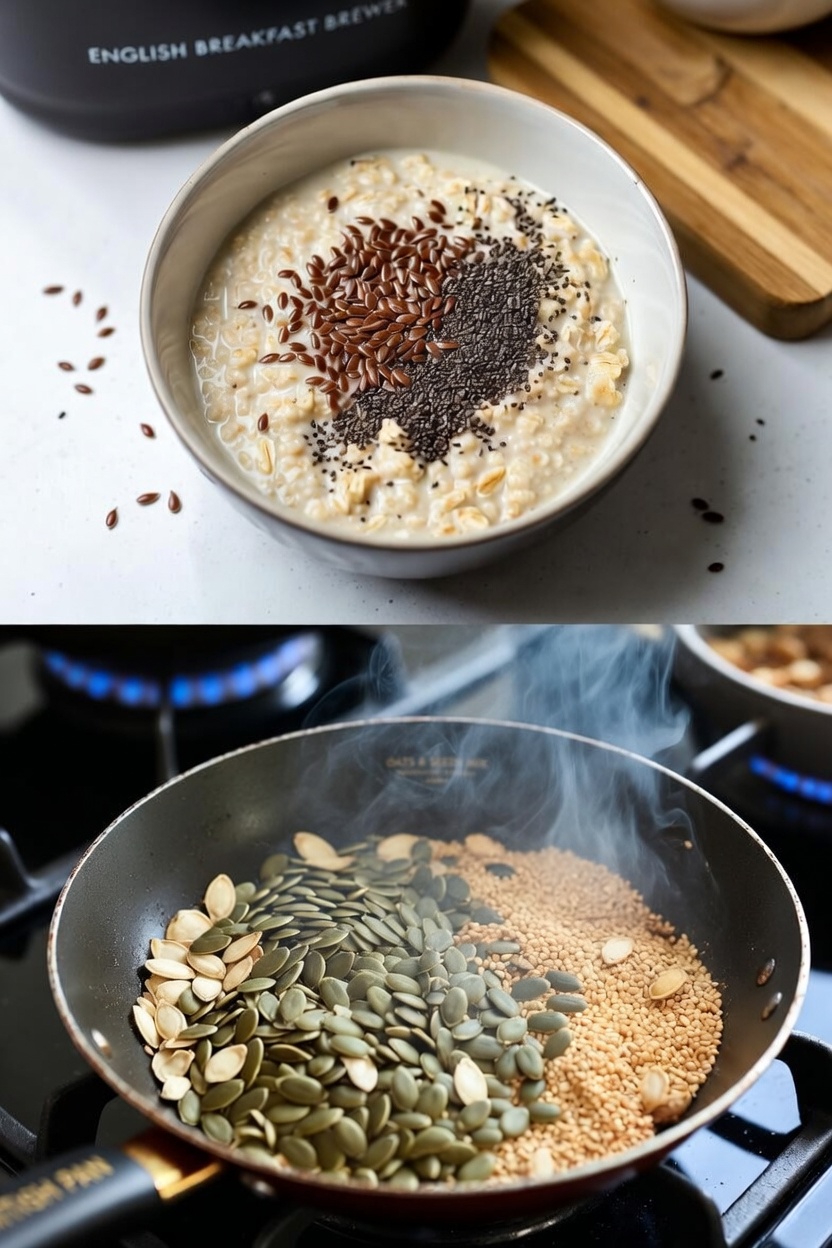
A Simple Daily Seed Routine That Takes Only Minutes
If you want to build a habit without overthinking it, this easy routine can help:
-
Pick 2 or 3 seeds to try first
- Flaxseeds and chia seeds are excellent beginner options.
-
Keep the daily amount moderate
- Aim for a total of 1 to 2 tablespoons per day to start.
-
Grind flaxseeds before using
- This helps your body absorb the nutrients more effectively.
- Store extra ground flax in the refrigerator.
-
Add seeds to a meal you already eat every day
- Breakfast or lunch is usually the easiest place to begin.
-
Drink enough water
- This is especially important when increasing fiber intake.
-
Notice how you feel after a week
- Many seniors report steadier energy and improved digestive comfort after using seeds consistently.
This routine takes less than five minutes and works in almost any kitchen.
Important Tips for Seniors Before Adding More Seeds
Seeds are healthy, but it is still best to introduce them gradually. Because many seeds are high in fiber, eating too much too quickly may cause bloating or digestive discomfort. Start with small amounts and increase slowly as your body adjusts.
A few additional tips can help:
- Choose unsalted or lightly salted versions when possible.
- If chewing is difficult, use ground seeds or mix them into soft foods.
- Store seeds properly to keep them fresh, especially flax and hemp.
- If you have a medical condition or take medications that affect digestion or blood thinning, speak with your healthcare provider before making major dietary changes.
Being consistent matters more than eating large amounts. A little each day is often the best approach.
Final Thoughts
Healthy aging does not always require major changes. Sometimes, a very small habit can support better nutrition, comfort, and energy over time. Flax, chia, pumpkin, sunflower, sesame, and hemp seeds each offer unique benefits that can fit easily into meals you already enjoy.
If you want the easiest place to begin, start with flaxseeds or chia seeds. They are simple to prepare, mild in flavor, and easy to add to breakfast. With just a spoonful or two a day, you can build a routine that supports digestion, heart health, and steady vitality in a practical, affordable way.