
Sweet Fruits People With Diabetes Can Enjoy
Living with diabetes often changes the way you think about food, especially sweet foods. Watching blood sugar levels and worrying about sudden spikes can make everyday eating feel complicated. Because of this, many people avoid fruit completely and miss out on its natural sweetness, fiber, vitamins, and other nutrients that support good health.
The good news is that fruit does not have to be off-limits. With smart portions and balanced pairings, several naturally sweet fruits can fit well into a diabetes-friendly eating plan. In this guide, we will look at five excellent choices that many people with diabetes can enjoy regularly. At the end, you will also find one simple daily habit that can help you enjoy these fruits in a more balanced way.
Why Some Sweet Fruits Fit Well Into a Diabetes-Friendly Diet
The answer comes down to how natural sugars are digested in the body. Unlike candy, pastries, and other processed sweets, whole fruits usually contain fiber. That fiber slows digestion and can help support steadier blood sugar levels.
Health professionals, including experts from the American Diabetes Association, commonly note that fresh fruit can be part of a healthy meal plan when eaten in the right amounts. Studies published in trusted medical and nutrition journals also show that fruits with a lower glycemic impact can provide valuable antioxidants, vitamins, and minerals without causing the extreme blood sugar swings many people worry about.
The most important points are simple:
- Choose whole fruit instead of juice
- Watch portion sizes
- Pair fruit with protein or healthy fats when possible
This strategy can help satisfy sweet cravings while still supporting diabetes management goals.

5 Sweet Fruits You Can Enjoy With More Confidence
Below are five naturally sweet fruits that stand out for their nutrition, flavor, and suitability for many people managing diabetes.
1. Strawberries: Fresh, Bright, and Light
Strawberries are colorful, juicy, and sweet enough to feel like a treat. They are low in calories and rich in vitamin C, along with antioxidants that support overall wellness. One cup of strawberries contains about 11 grams of carbohydrates and also provides helpful fiber.
They are easy to enjoy in many ways:
- Add sliced strawberries to plain yogurt
- Blend them into a simple smoothie
- Eat them cold as a refreshing snack
Research suggests that the beneficial plant compounds in strawberries may support metabolic health when included as part of a balanced diet.
2. Blueberries: Small Berries With Big Benefits
Blueberries may be tiny, but they are packed with flavor and nutrition. Their dark blue color comes from anthocyanins, powerful antioxidants that make them especially appealing. A one-cup serving has around 21 grams of carbohydrates and about 4 grams of fiber.
They are also practical because they store well and can be frozen for year-round use. Popular ways to enjoy blueberries include:
- Sprinkling them over oatmeal
- Mixing them into cottage cheese
- Adding them to unsweetened yogurt
Their natural sweetness makes them a smart option for anyone looking for a satisfying snack without added sugar.
3. Apples: A Reliable Everyday Fruit
Apples remain one of the easiest and most convenient fruits to include in a healthy routine. With a glycemic index of about 39, they tend to release energy gradually. One medium apple with the skin on contains about 25 grams of carbohydrates, 4 grams of fiber, and a good amount of vitamin C.
For the best nutrition, keep the peel on. You can also pair apple slices with:
- Almonds
- Peanut butter in a small portion
- Cheese
Apples travel well, making them a great choice for work, school, or busy days. If you want something warm, try baking apple slices with cinnamon for a simple dessert-style option.
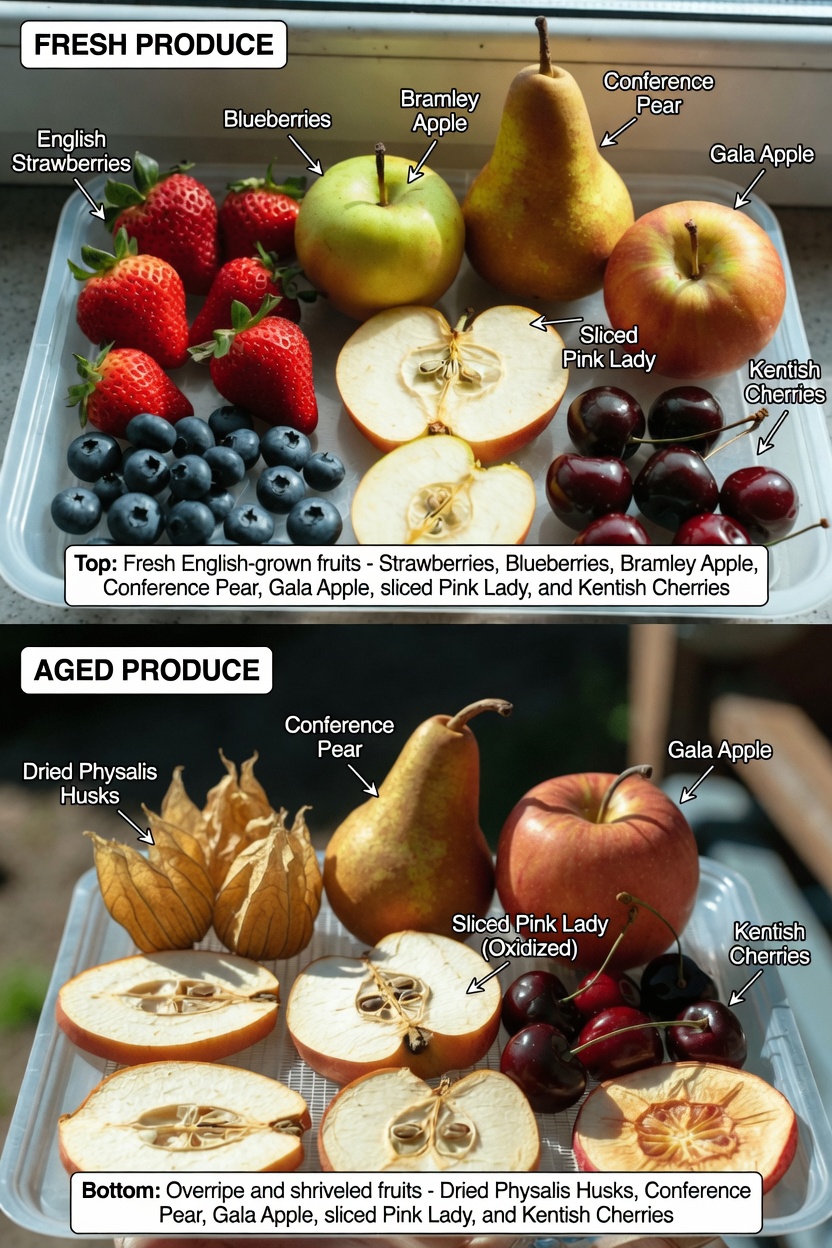
4. Pears: Soft, Sweet, and Filling
Pears offer a gentle sweetness and soft texture that many people find especially satisfying. One medium pear contains around 26 grams of carbohydrates and 5 grams of fiber, which can support digestion and fullness. Their glycemic effect is generally considered low to moderate.
Pears are delicious when:
- Eaten fresh
- Lightly poached with spices
- Served with a few nuts
- Paired with cheese
Try to eat the skin as well, since it adds extra fiber and nutrients.
5. Cherries: Sweet Flavor With a Low Glycemic Impact
Cherries have a rich taste that feels indulgent, yet they are often a smart option for people managing blood sugar. Their glycemic index is low, which adds to their appeal. One cup of fresh cherries contains about 19 grams of carbohydrates, along with fiber and natural melatonin, which some people like in the evening.
You can enjoy cherries in several simple ways:
- Eat them plain as a snack
- Add them to salads
- Blend frozen cherries into smoothies
Their bold sweetness often surprises people who assumed sweet fruit had no place in a diabetes-conscious eating plan.
Quick Fruit Comparison
Here is a simple side-by-side overview based on common serving sizes from trusted nutrition references:
- Strawberries (1 cup): about 11g carbs, GI around 40
- Blueberries (1 cup): about 21g carbs, GI around 53
- Apple (1 medium): about 25g carbs, GI around 39
- Pear (1 medium): about 26g carbs, GI around 38
- Cherries (1 cup): about 19g carbs, GI around 22
These numbers show why these fruits can often fit into a balanced eating plan. If you buy packaged, canned, or prepared fruit products, always read the label carefully and account for any added sugars.
Easy Ways to Add These Fruits to Your Routine
Including fruit in your day does not need to be difficult. Start with a few simple habits:
- Add one serving of fruit to breakfast or a snack tomorrow.
- Combine fruit with protein, such as Greek yogurt, nuts, or cottage cheese.
- Measure portions with a cup or food scale until you feel confident estimating them.
- Choose fresh or frozen fruit with no added sugar.
- Pay attention to how you feel after eating different fruits and portion sizes.
Rotating these five fruits throughout the week can keep meals interesting and increase nutrient variety. Many people find that once they start, fruit becomes a favorite part of their routine rather than something they avoid.

Common Questions About Fruit and Diabetes
How much fruit can you eat in a day?
Many experts recommend around two to three servings per day, spread out over meals or snacks, depending on your carbohydrate needs and overall eating plan. One serving may be a small whole fruit or one cup of berries. Your healthcare provider or dietitian can help you decide what is best for you.
Is fruit juice a good substitute for whole fruit?
Usually, no. Whole fruit is the better option because it contains fiber, which helps slow sugar absorption. Fruit juice removes much of that fiber and can raise blood sugar more quickly. If you do drink juice, choose 100% juice with no added sugar and keep portions small.
What about dried fruit or canned fruit?
Dried fruit contains concentrated natural sugars, so portions should be much smaller. Canned fruit can be okay if it is packed in water or its own juice instead of syrup. For most people, fresh or frozen fruit is still the easiest and most dependable everyday choice.
One Simple Habit That Can Make Fruit Even Better
A surprisingly effective strategy is to eat fruit after a balanced meal rather than by itself. When your meal already includes protein, fiber, and healthy fats, your body may process the fruit’s natural sugars more gradually. This can help support more stable energy and a more satisfying eating experience.
It is a small change, but many people find it makes a real difference.
Final Thoughts
Strawberries, blueberries, apples, pears, and cherries show that living with diabetes does not mean giving up sweet foods entirely. When you choose whole fruit, keep portions reasonable, and pair fruit wisely, you can enjoy natural sweetness while staying aligned with your health goals.
Start with one fruit this week and see how it works for you. Over time, these simple choices can make healthy eating feel more enjoyable and less restrictive.
Keep in mind that every person responds to food differently. Use these ideas as a starting point, and always work with your healthcare provider to make sure your choices fit your individual plan.