
Naturally Sweet Fruits That Are Kinder to Blood Sugar
Fruit is naturally sweet because it contains fructose and other sugars, but unlike candy or pastries, whole fruits also provide fiber. That fiber slows down digestion and sugar absorption, helping to prevent sharp blood sugar spikes. Research consistently shows that regularly eating low- to moderate-glycemic index (GI) fruits—generally with a GI below 55—is associated with better long-term glucose control.
The essentials to keep in mind:
- Prioritize whole fruits over juices or processed products.
- Aim for about 15 grams of carbohydrates per serving.
- Combine fruit with protein or healthy fat to steady blood sugar further.

Below are five of the sweetest-tasting fruits that still have a relatively low GI, making them particularly friendly options for people managing diabetes or blood sugar.
#5: Cherries – Indulgent Sweetness with a Gentle Impact
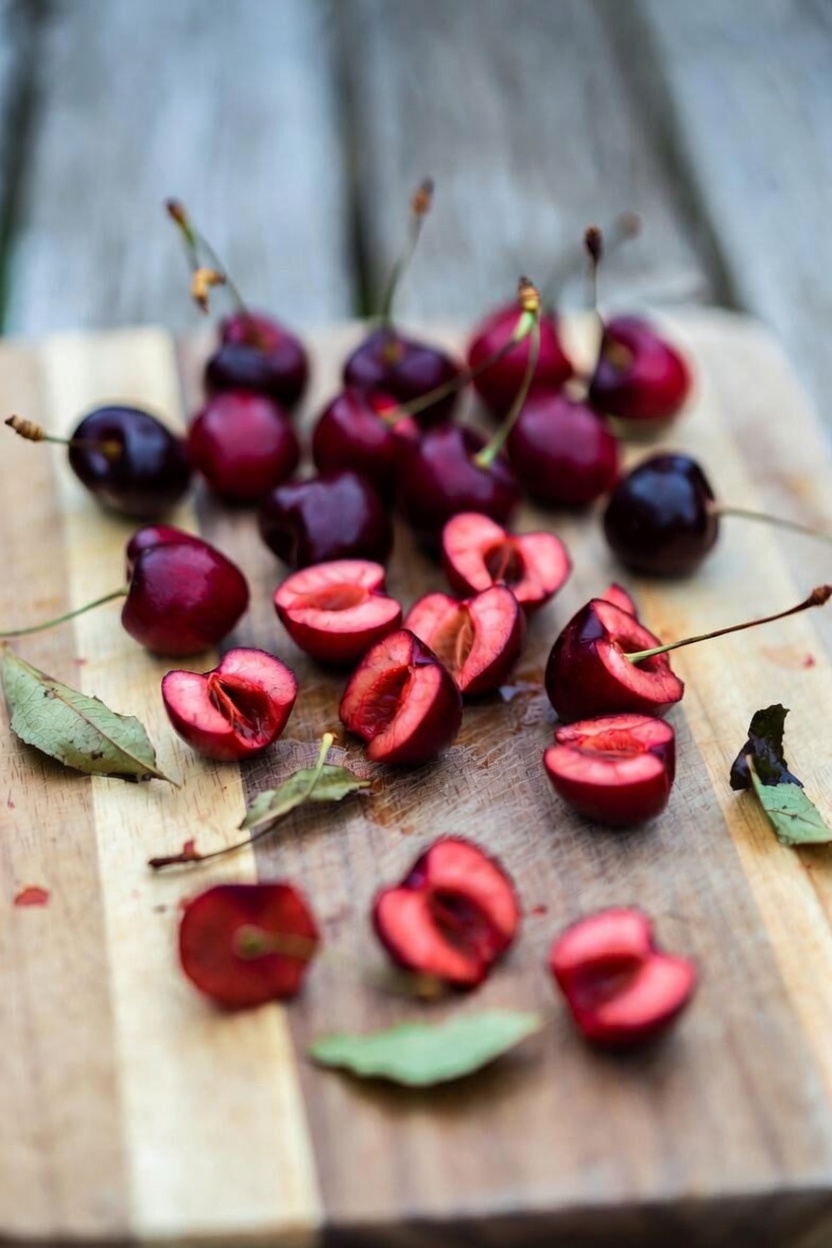
Cherries offer an intense, candy-like sweetness yet remain impressively low on the glycemic index, around 20–25. A small handful—roughly 12–15 fresh cherries—delivers a good dose of antioxidants that support heart health, an important benefit if you are living with diabetes.
Their natural fiber helps buffer the effect of their sugars, slowing the rise in blood glucose.
Many people find cherries a satisfying replacement for traditional desserts: they’re cool, juicy, and sweet without leaving you feeling overdone. For the best blood sugar control, choose fresh or unsweetened frozen cherries and skip varieties packed in syrup.
#4: Apples – Crisp, Familiar, and Comfortingly Sweet
The crunch of a fresh apple releases a gentle, honey-like sweetness that feels both nostalgic and satisfying. With a GI around 36–39, apples have a relatively mild effect on blood sugar, largely due to pectin, a form of soluble fiber concentrated in the skin that slows sugar absorption.
A medium apple with the peel typically contains about 15 grams of carbohydrates, plus beneficial plant compounds like quercetin, which some studies associate with better glucose control.
Apples are:
- Portable and easy to pack
- Filling, thanks to their fiber
- Excellent paired with a spoonful of nut butter to add protein and healthy fats
Many regular apple eaters report more stable energy instead of sharp highs and lows throughout the day.
#3: Oranges – Refreshing Citrus with Balanced Sweetness
Peeling an orange releases a bright, invigorating aroma, followed by juicy segments that are both tangy and sweet. Oranges typically fall in a GI range of 35–43, helped by their fiber and high vitamin C content, which supports immune and cardiovascular health.
The American Diabetes Association highlights citrus fruits as smart choices for people with diabetes, partly because they supply potassium, which is important for heart function and blood pressure.
To keep their impact on blood sugar moderate:
- Opt for one medium whole orange (about 15 grams of carbs)
- Avoid replacing it with orange juice, which concentrates sugars and strips away the fiber that slows glucose spikes
A whole orange is refreshing, hydrating, and makes an energizing mid-morning or afternoon snack.
#2: Berries (Strawberries, Blueberries, Blackberries) – Sweet-Tart Flavor with Powerful Benefits
A bowl of mixed berries—strawberries for juiciness, blueberries for gentle sweetness, and blackberries for a deeper, slightly tangy note—delivers big flavor in a diabetes-friendly package. Most berries fall within a GI range of 25–40, making them some of the best low glycemic fruits for blood sugar management.

Berries are:
- High in fiber, which slows digestion
- Rich in antioxidants, which may reduce inflammation
- Relatively low in natural sugar per cup
Nutrition experts frequently describe berries as “superfoods” for diabetes, and research links berry consumption with improved insulin response and reduced markers of inflammation.
A one-cup serving of strawberries or mixed berries typically stays under 15 grams of carbs yet feels indulgent and filling. Choose fresh or unsweetened frozen berries and enjoy them:
- Stirred into plain Greek yogurt
- Sprinkled over oatmeal
- As a simple dessert on their own
#1: Pears – Soft, Floral Sweetness That Feels Luxurious
A perfectly ripe pear offers a smooth, almost buttery texture with soft, floral sweetness that tastes indulgent without being overpowering. With a GI of about 30–38, pears remain on the low side, thanks to their exceptionally high fiber content, which supports slower digestion and keeps you feeling full longer.
Studies suggest pears can assist with weight management and blood sugar stability, partly because their fiber helps curb appetite and moderate glucose response.
A medium pear:
- Supplies around 15 grams of carbohydrates
- Provides natural sweetness along with gut-friendly fiber
- Makes an excellent snack or light dessert
Enjoy pears fresh and unpeeled when possible—the combination of tender flesh and juicy sweetness makes every bite feel like a treat.
Quick Comparison: Why These Five Fruits Stand Out
Here’s how these fruits stack up as low to moderate GI options that are still deliciously sweet:
-
Cherries: GI 20–25 | ~12–15 cherries
Rich, dessert-like flavor with an antioxidant boost. Pair with a protein source (like nuts or yogurt) for extra blood sugar steadiness. -
Apples: GI 36–39 | 1 medium
Crisp, lightly honeyed taste. Eat with the skin on to maximize fiber and slow sugar absorption. -
Oranges: GI 35–43 | 1 medium
Bright, zesty citrus with vitamin C and potassium. Choose the whole fruit instead of juice. -
Berries (mixed): GI 25–40 | 1 cup
Intense sweet-tart flavor, high in fiber and antioxidants. One of the best options for blood sugar management. -
Pears: GI 30–38 | 1 medium
Silky texture and floral sweetness. Very filling and helpful for curbing cravings.
Practical Tips for Enjoying These Fruits Safely Every Day
To keep fruit intake diabetes-friendly, focus on both portion size and pairing.
- Stick to smart portions: Aim for servings with around 15 grams of carbohydrates each.
- Choose whole over processed: Pick fresh or unsweetened frozen fruits rather than dried fruits, canned fruits in syrup, or fruit juices, which concentrate sugars and strip away most fiber.
- Pair with protein or healthy fats:
- Apple slices with almonds or peanut butter
- Berries mixed into plain Greek yogurt
- Pear slices with a small serving of cheese or nuts
These combinations slow digestion and help stabilize blood sugar.
- Time your fruit wisely: Have fruit between meals as a snack or after a balanced meal to spread your carbohydrate intake more evenly.
- Monitor your own response: Everyone’s body reacts differently. If you use a blood glucose meter or continuous glucose monitor, check your levels after trying a fruit and adjust portions with guidance from your healthcare team.
- Build consistent habits: Start with one serving of fruit per day and increase gradually as advised, focusing on routine rather than perfection.
A simple pattern might look like this:
- Breakfast: Berries stirred into plain yogurt
- Mid-morning: A medium apple with a few nuts
- After dinner: A pear for a naturally sweet finish
Over time, these small, consistent choices can boost your nutrient intake and enjoyment of food without sacrificing blood sugar control.
FAQ
Can people with diabetes eat sweet fruits at all?
Yes. Whole fresh fruits—especially low to moderate GI choices like berries, pears, apples, oranges, and cherries—can fit into a diabetes-friendly eating plan when eaten in appropriate portions. Their fiber helps slow down sugar absorption, which makes them very different from sweets with added sugars and little or no fiber. The American Diabetes Association supports including fruit as part of a balanced diet.
How many servings of fruit per day are recommended?
For most adults with diabetes or blood sugar concerns, a common guideline is 2–3 servings of fruit per day, each providing about 15 grams of carbohydrates. Spread these servings throughout the day and focus on:
- Variety (different colors and types)
- Whole fruits rather than juices or heavily processed products
Always follow your own healthcare provider’s advice, as individual needs vary.
What if a particular fruit raises my blood sugar more than expected?
Responses to food are highly individual. Factors such as what you eat with the fruit, your medications, stress levels, and activity can all influence blood sugar readings. If you notice a higher rise than expected:
- Record what and how much you ate, and when.
- Check your glucose levels at consistent intervals after eating.
- Share your observations with your doctor or registered dietitian.
They can help you adjust portion sizes, pairings, or timing to better fit your personal blood sugar goals.
This material is intended for educational purposes only and should not replace personalized medical advice. Always consult your healthcare provider before making changes to your eating pattern, especially if you are managing diabetes or other health conditions.