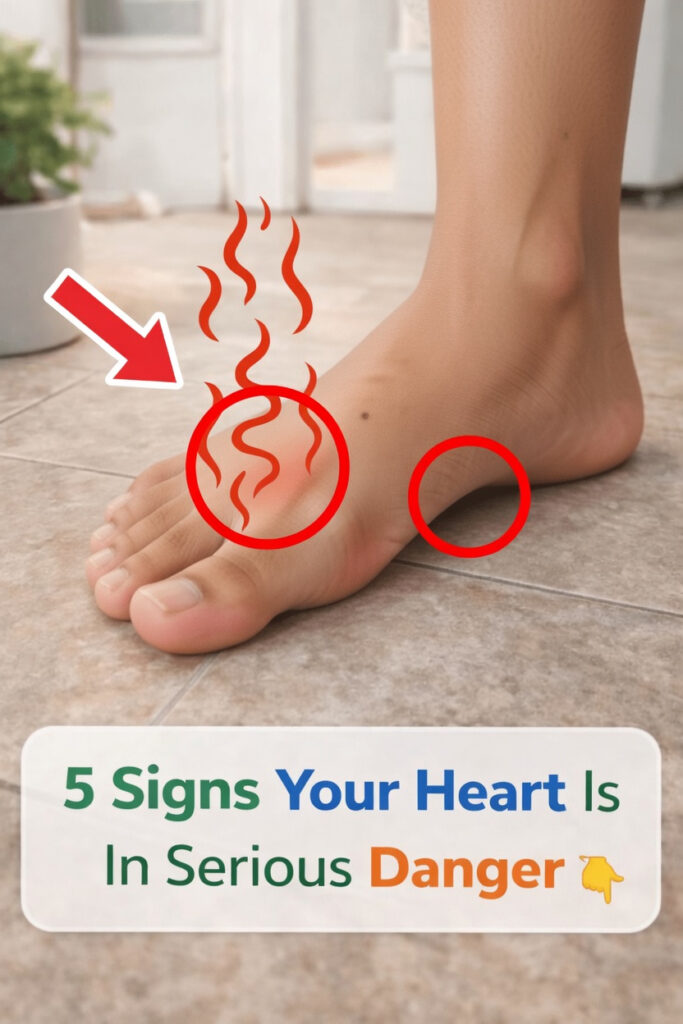
Subtle Heart Warning Signs Many People Overlook
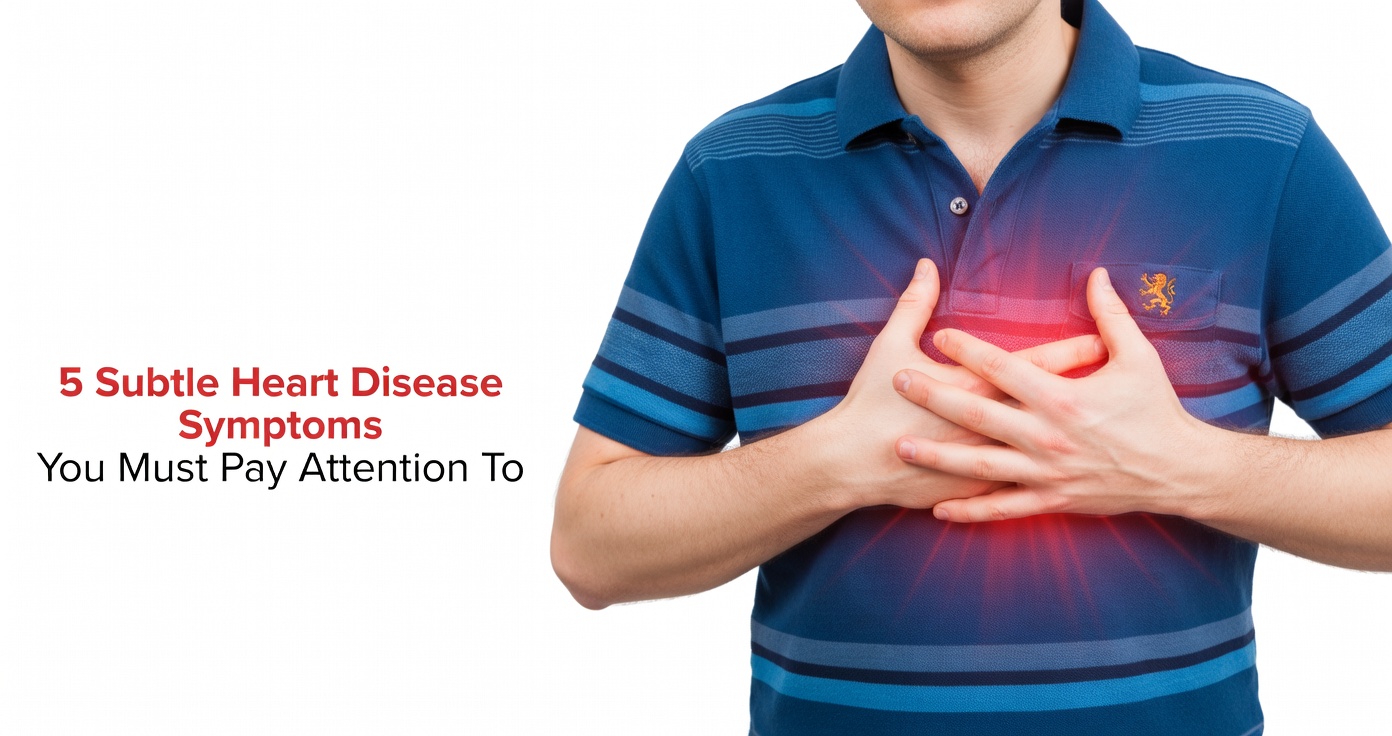
A lot of people move through their normal routines without realizing that small changes in how they feel may be linked to heart health. Heart disease often develops gradually, and early symptoms can be easy to dismiss as stress, aging, lack of sleep, or a busy schedule. However, noticing these quiet signals early can play an important role in preventing more serious problems later.
Trusted medical sources, including the American Heart Association and Mayo Clinic, emphasize that recognizing less obvious symptoms can help people seek medical care sooner and make informed decisions about their health.
What surprises many people is that some early warning signs do not show up where you might expect. In some cases, clues can appear in the legs, ankles, feet, or other parts of the body that seem unrelated to the heart. By the end of this article, you’ll also find simple, practical ways to support your heart health starting today.
Why Early Heart Symptoms Are Easy to Miss
Heart problems do not always begin with severe chest pain. Research shows that many adults experience milder or less typical symptoms that are often mistaken for other everyday issues. Ongoing tiredness, light breathlessness, or vague discomfort during ordinary activities may happen because the heart is working harder than it should.
According to experts such as those at Mayo Clinic, these more subtle symptoms are especially common in older adults and women. That is why awareness matters. The goal is not to panic, but to stay observant and take changes in your body seriously. Speaking with a healthcare professional about unusual symptoms is one of the most effective ways to protect long-term heart health.
1. Persistent Fatigue That Rest Does Not Relieve
One commonly ignored sign is unusual exhaustion that does not improve after sleeping or taking it easy. If simple tasks such as walking the dog, climbing a few stairs, or doing household chores suddenly leave you drained, your heart may not be pumping blood as efficiently as it once did.
Studies suggest that ongoing fatigue is one of the more frequent early signs of heart-related issues. Unlike normal tiredness after a long day, this type tends to linger and may gradually become more noticeable. Many people assume it is just part of getting older, but paying attention to how long it lasts can offer important clues.
2. Shortness of Breath During Mild Activity
If you find yourself breathing harder than usual while carrying groceries, walking a short distance, or going up a slight incline, it may be worth paying attention. This can happen when the heart has difficulty sending enough oxygen-rich blood throughout the body.
Health experts note that shortness of breath during light activity is a common warning sign. Because it often appears slowly, many people adapt to it without realizing something has changed. If it starts happening more often or appears alongside other symptoms, it should be mentioned at your next medical appointment.
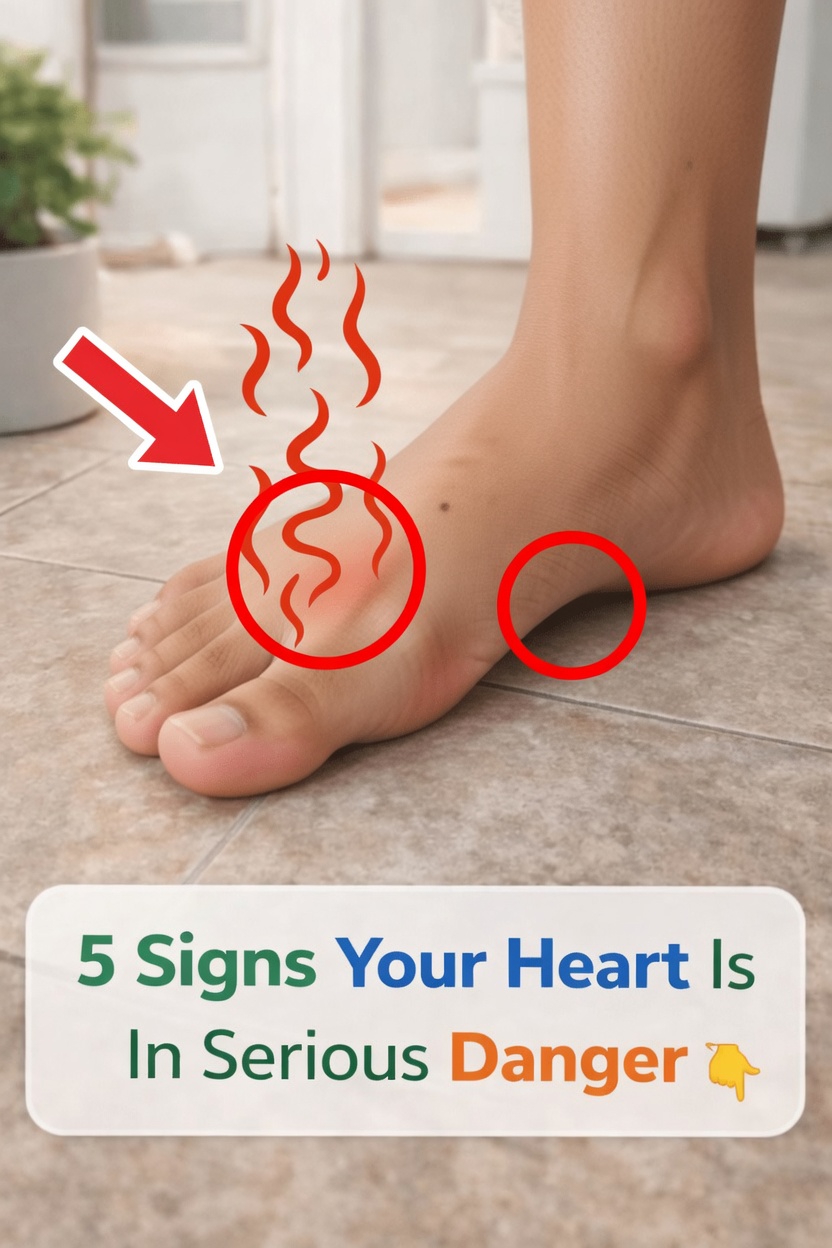
3. Swelling in the Legs, Ankles, or Feet
Swelling in the lower body, especially later in the day, may be another signal that circulation is not working as well as it should. This fluid buildup, known as edema, can leave marks from socks or shoes and sometimes gets a little better after resting or elevating the legs.
Medical sources explain that when the heart’s pumping ability weakens, fluid can collect in the lower extremities due to gravity. Although factors like salty meals or standing too long can also cause swelling, persistent or worsening edema should not be ignored.
4. Mild Discomfort in Unexpected Parts of the Body
Heart-related discomfort is not always centered in the chest. In some cases, it appears in areas such as the jaw, neck, back, shoulders, arms, or upper stomach. It may feel more like pressure, indigestion, soreness, or muscle tension than sharp pain.
Health organizations report that these unusual sensations can be connected to reduced blood flow. Because they may come and go, people often dismiss them as minor or unrelated. Keeping a simple record of when they happen, how long they last, and what you were doing at the time can help identify a pattern.
5. Cold Hands or Feet and Other Changes in the Extremities
Unusually cold feet or hands can sometimes point to circulation issues. Other subtle signs may include shiny skin, changes in skin texture, or reduced hair growth on the legs. These shifts may be related to narrowed blood vessels and broader cardiovascular concerns.
Research suggests that changes in the extremities can be linked to problems with circulation and heart health. If ongoing coldness or skin changes occur along with fatigue, swelling, or breathlessness, it is a good idea to bring it up with your healthcare provider.
Quick Guide: Normal Symptoms vs. Possible Heart Warning Signs
Here is a simple comparison to help distinguish everyday discomfort from symptoms that may deserve medical attention:
-
Fatigue
- Normal: Improves after rest or sleep
- Possible warning sign: Persists and gradually gets worse
-
Breathlessness
- Normal: Happens only during intense exercise
- Possible warning sign: Appears during light activity
-
Swelling
- Normal: Temporary after standing for a long time or eating salty food
- Possible warning sign: Happens regularly and may leave an indentation when pressed
-
Discomfort
- Normal: Brief, easy to explain, and not recurring
- Possible warning sign: Reappears in the jaw, back, arms, or upper stomach
-
Changes in hands or feet
- Normal: Occasional cold hands during cold weather
- Possible warning sign: Ongoing coldness, skin changes, or reduced hair growth
Simple Steps You Can Take Today to Support Heart Health
The encouraging news is that small daily habits can make a meaningful difference in cardiovascular wellness. Here are some practical ways to care for your heart:
-
Be more active
- Try to get at least 30 minutes of moderate movement on most days, such as brisk walking
- If you are not active right now, begin slowly and increase over time
-
Choose heart-friendly foods
- Focus on fruits, vegetables, whole grains, lean protein, and minimally processed foods
- Cut back on excess salt, sugary drinks, and heavily processed meals
-
Track key health numbers
- If possible, monitor your blood pressure and weight at home
- Regular check-ins can help you notice trends earlier
-
Reduce stress
- Practice deep breathing, enjoy short walks, or make time for relaxing hobbies
- Long-term stress can negatively affect heart function
-
Stay hydrated and sleep well
- Drink enough water throughout the day
- Aim for 7 to 9 hours of quality sleep each night
These strategies are not a replacement for medical treatment, but they are widely recommended by major health organizations as part of a heart-supportive lifestyle.
What to Do If You Notice These Symptoms
If any of these signs sound familiar, especially if several happen together or seem to be getting worse, make an appointment with your doctor. Even a basic conversation can lead to useful testing, lifestyle advice, or early treatment tailored to your needs.
Early awareness often leads to better outcomes. Paying attention now may help you avoid more serious complications later.
Frequently Asked Questions
What if I notice these signs but otherwise feel fine?
Many people with heart-related concerns feel mostly normal day to day. Subtle symptoms can build slowly over time, so it is still wise to get evaluated even if you do not feel seriously unwell.
Do heart warning signs differ between men and women?
Yes, they can. Women are more likely to experience less typical symptoms such as fatigue, nausea, or unusual discomfort, while men may more often report classic chest pain. Still, every person’s experience can be different.
Can lifestyle changes really improve heart health?
Yes. Regular exercise, balanced nutrition, quality sleep, and stress management all support cardiovascular function. These habits are consistently recommended by respected medical organizations as part of a healthy heart routine.