Chronic Fatigue, Aches, Low Mood? A Simple Vitamin Deficiency Could Be the Missing Piece
Ongoing tiredness, unexplained pain, or a drop in mood may not be random. Sometimes, these symptoms are your body’s way of signaling that something is out of balance. One often-overlooked cause is vitamin D deficiency.
Keep reading—you may uncover a hidden reason behind why you have not been feeling your best.
Vitamin D deficiency is far more common than many people realize. Often called the “sunshine vitamin,” vitamin D is still lacking in millions of people worldwide due to limited sun exposure, poor diet, or certain medical conditions.
This nutrient is vital for overall health. It helps the body absorb calcium, supports the immune system, strengthens muscles, and even affects emotional well-being. When vitamin D levels are too low, the body can produce warning signs that should not be ignored.
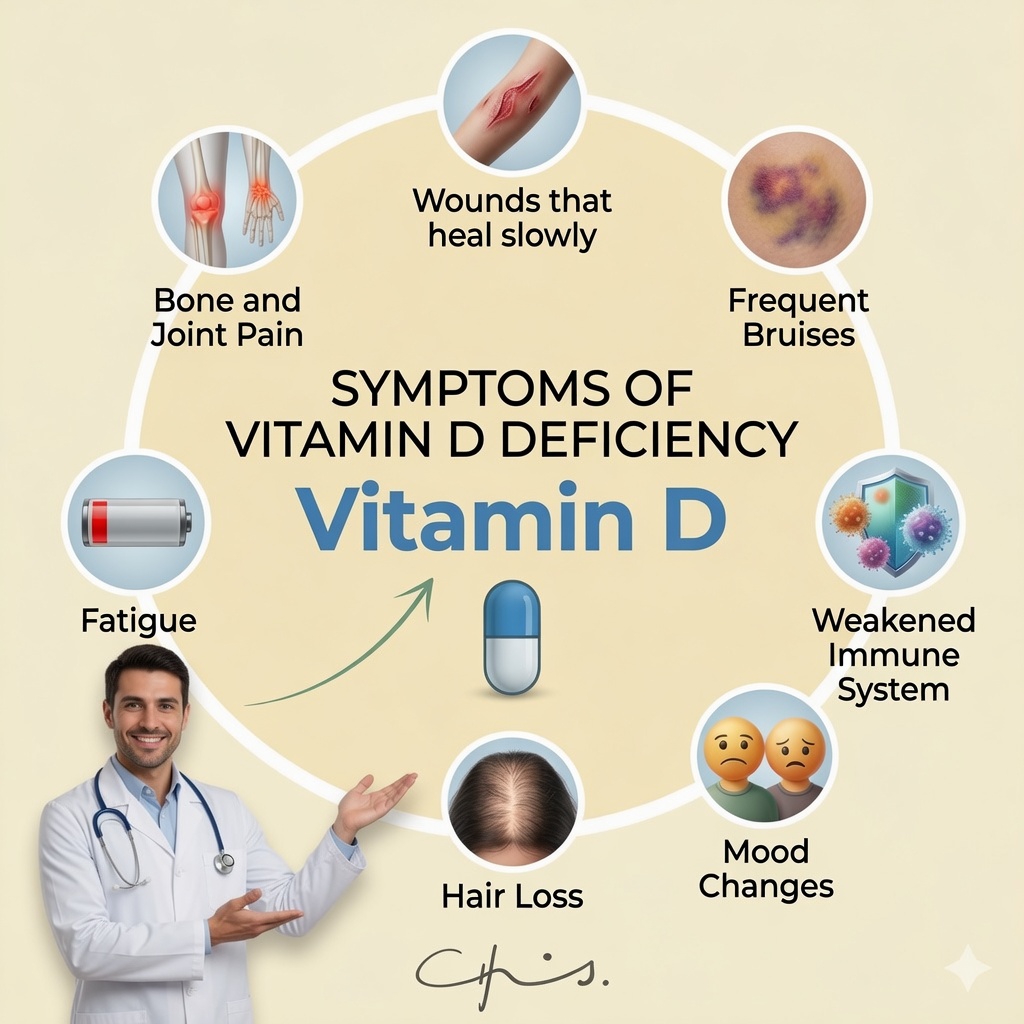
5 Important Signs of Vitamin D Deficiency
1. Constant Fatigue and Low Energy
Do you feel drained even after a full night of sleep? Vitamin D plays a role in processes linked to energy production. When levels are low, you may experience ongoing exhaustion, weakness, and reduced motivation. Restoring healthy vitamin D levels can often help improve daily energy and vitality.
2. Bone and Muscle Pain
Without enough vitamin D, the body struggles to absorb calcium properly. This can lead to bone discomfort, lower back pain, sensitive joints, or muscle weakness. Over time, low vitamin D may also raise the risk of osteoporosis, especially in older adults.
3. A Weakened Immune System
Do you seem to catch colds often or recover slowly from infections? Frequent illness, recurring respiratory infections, and slower healing can be associated with inadequate vitamin D. This nutrient helps the body defend itself and supports natural immune function.
4. Hair Loss
Hair loss can have many causes, but low vitamin D may be one of them. A deficiency can weaken hair follicles, slow healthy growth, and contribute to increased shedding. Improving vitamin D status may help support stronger, healthier hair.
5. Mood Changes or Persistent Sadness
Vitamin D also influences the production of serotonin, a hormone linked to well-being and emotional balance. When levels are low, some people notice a dip in mood, mental fatigue, or even mild depressive symptoms.
Who Is Most at Risk?
Some groups are more likely to develop vitamin D deficiency, including:
- People who spend little time outdoors
- Individuals with darker skin tones
- Older adults
- People who are overweight
- Those whose diets lack essential nutrients
How to Raise Vitamin D Levels Naturally
There are several simple ways to improve vitamin D levels naturally:
- Sun exposure: Around 10 to 20 minutes of sunlight per day is often enough, depending on your skin type and location.
- Vitamin D-rich foods: Choose fatty fish such as salmon and sardines, along with eggs, liver, and fortified products.
- Supplements: Use vitamin D supplements only with guidance from a healthcare professional to avoid excessive intake.
Conclusion
Paying attention to your body matters. Persistent fatigue, unexplained pain, frequent illness, or low mood should not always be dismissed as minor issues. Sometimes, they may point to a vitamin D deficiency that can be corrected with simple, natural habits.
Take care of yourself—your body may already be trying to tell you something.