
Simple Magnesium-Rich Foods That May Help Support Leg Comfort After 60
Many older adults experience occasional leg discomfort at night or after a busy day. With age, the body may absorb nutrients less efficiently, and factors such as lower activity levels or certain medications can also affect muscle comfort. As a result, legs may sometimes feel tense, tired, or restless. The encouraging news is that everyday foods can help support muscle health as part of a balanced diet.
What if a few familiar ingredients could help improve how your legs feel? The foods below are easy to find, simple to prepare, and may be especially useful for adults over 60 who want a gentle, food-based approach to daily wellness.
Why Magnesium Is Important for Muscle Comfort
Magnesium is an essential mineral involved in muscle contraction and relaxation. Experts and research suggest that many adults, particularly people over 60, may fall short of their magnesium needs through diet alone. Age-related changes in eating habits and nutrient absorption can make lower magnesium intake more common in older adults.
When the body does not get enough of the minerals muscles rely on, occasional tightness or cramping may become more noticeable. The good news is that increasing magnesium through food is a practical and natural step that fits well into a healthy lifestyle. Trusted health sources, including the National Institutes of Health, identify leafy greens, seeds, nuts, and whole grains as strong natural sources of magnesium.

Magnesium also works best as part of a bigger nutritional picture. Foods rich in magnesium often contain other key nutrients, such as potassium and calcium, which also support normal muscle function and hydration.
5 Magnesium-Rich Foods Seniors Can Easily Add to Their Diet
These five foods are nutritious, widely available, and easy to include in regular meals. Each offers magnesium along with other benefits older adults may appreciate.
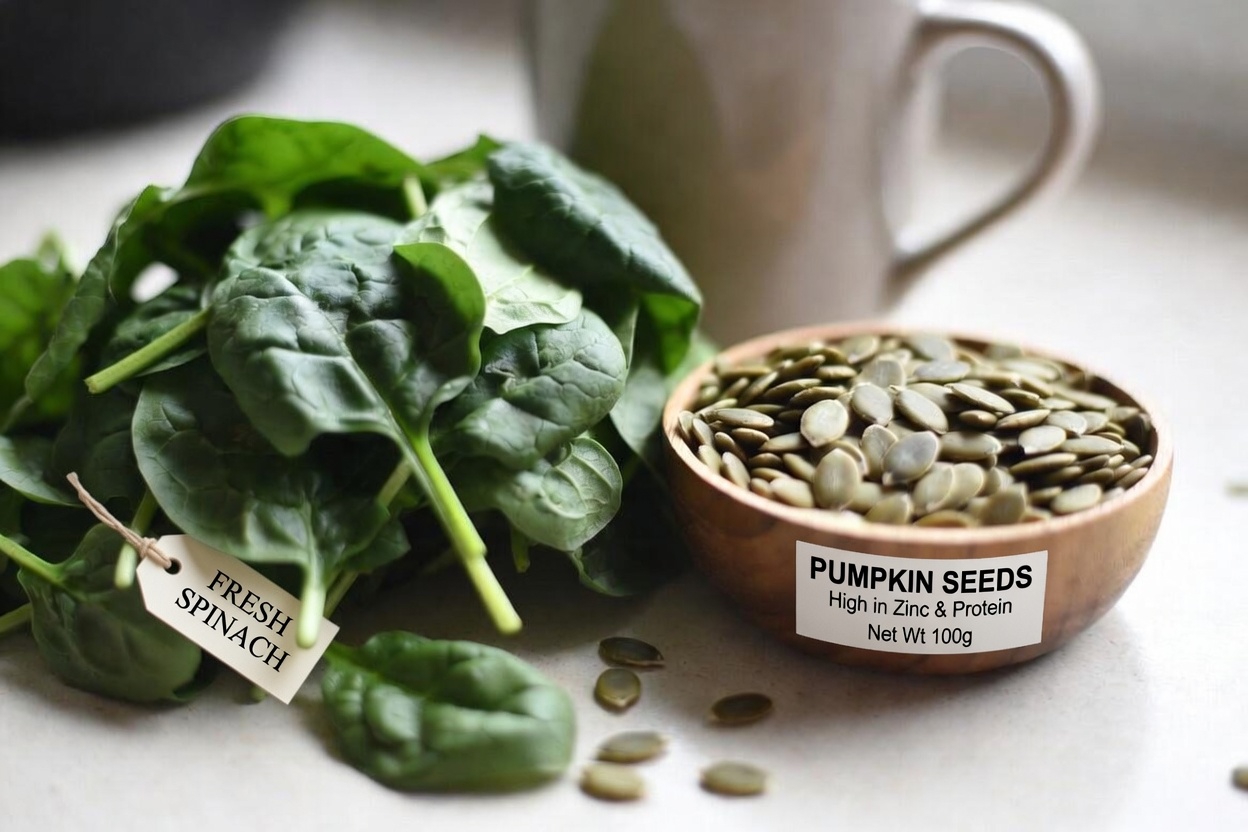
1. Pumpkin Seeds
Pumpkin seeds are one of the richest food sources of magnesium. Just one ounce can provide about 150 mg. They also contain zinc and heart-healthy fats.
Easy ways to enjoy them:
- Eat a small handful as a snack
- Sprinkle them over oatmeal or yogurt
- Add them to salads for extra crunch
- Lightly roast them with a little sea salt
Their crisp texture and concentrated nutrition make them a simple addition to daily eating.
2. Spinach and Other Leafy Greens
Cooked spinach can provide roughly 78 to 157 mg of magnesium per serving, depending on portion size and preparation. Other leafy greens, such as kale and Swiss chard, also contribute valuable minerals, fiber, and antioxidants.
Simple serving ideas:
- Sauté with garlic as a side dish
- Add to soups and stews
- Blend into smoothies
- Mix into omelets or scrambled eggs
These greens support more than muscle comfort—they also promote overall health and digestion.
3. Almonds
A one-ounce serving of almonds offers about 80 mg of magnesium. They are easy to carry, satisfying, and pair well with many other foods.
Ways to add almonds to your day:
- Enjoy them with fruit as a snack
- Add chopped almonds to cereal
- Pair with cheese for a light meal
- Mix into homemade trail mix
Because they are filling without being too heavy, almonds fit nicely into many senior-friendly meal plans.

4. Avocado
One medium avocado contains around 58 to 60 mg of magnesium. It also provides potassium and healthy monounsaturated fats, making it a well-rounded choice for daily nutrition.
Easy ideas for serving avocado:
- Spread it on whole-grain toast
- Slice it into salads
- Mash it with lemon for a simple snack
- Add it to sandwiches or wraps
Its smooth texture can also be easier to eat and digest for some older adults.
5. Bananas
A medium banana supplies about 32 mg of magnesium and is also well known for its potassium content. Bananas are naturally sweet, convenient, and require no preparation.
Simple ways to enjoy bananas:
- Eat one as an evening snack
- Slice into oatmeal or cereal
- Blend into smoothies
- Pair with nut butter for extra staying power
They are especially popular because they are portable and gentle on the stomach.
Why These Foods May Work Better Together
These foods do more than increase magnesium intake. Many of them also provide electrolytes and nutrients that help the body maintain hydration and support healthy muscle activity. Bananas, for example, bring potassium, while greens, nuts, and seeds add a broader range of minerals.
Health organizations often emphasize that long-term comfort and wellness come from consistent, nutrient-dense eating rather than relying on a single nutrient alone. A good starting point is to include at least two magnesium-rich foods each day for a week and pay attention to how your body feels.
Easy Ways to Eat More Magnesium Every Day
Adding more magnesium-rich foods does not have to be difficult. A few small habits can make a big difference.
Try these simple ideas:
- Top your morning yogurt or oatmeal with almonds or pumpkin seeds
- Add spinach to eggs at breakfast
- Blend leafy greens into a fruit smoothie
- Eat half an avocado on toast a couple of times each week
- Keep bananas on the counter for a convenient snack
- Make a quick trail mix with almonds, pumpkin seeds, and dried fruit
Many people find it easier to stay consistent when food is prepared in advance. Washing greens, portioning nuts, or storing ready-to-eat snacks ahead of time can make healthy choices much more convenient.
7-Day Meal Inspiration for Older Adults
If you want a simple way to use these foods, this daily meal pattern is a helpful guide:
- Breakfast: Oatmeal with banana slices and pumpkin seeds
- Lunch: Whole-grain toast with mashed avocado and a spinach salad
- Snack: A small handful of almonds with an apple
- Dinner: Grilled chicken or fish with sautéed spinach and baked sweet potato
- Evening snack: A banana or a few pumpkin seeds if you want something light
These meals are only examples, so feel free to adjust them based on taste, appetite, or dietary needs.
Other Daily Habits That May Help Support Leg Comfort
Food is an important foundation, but lifestyle habits matter too. Supporting your body throughout the day can make these nutritional choices even more effective.
Helpful habits include:
- Drinking enough water
- Stretching gently before bed
- Taking light walks during the day
- Maintaining healthy sleep routines
- Relaxing in a warm bath when needed
Together, these habits may help muscles feel more at ease.
Frequently Asked Questions
How much magnesium do older adults need each day?
Most adults over 50 generally need about 320 to 420 mg of magnesium daily. Food is often the best first step, and supplements should only be used with guidance from a healthcare professional if needed.
Can these foods replace medical treatment for leg discomfort?
No. These foods are meant to support general nutrition and muscle health, not replace medical care. If leg discomfort is frequent, severe, or ongoing, it is important to speak with your doctor.
How long does it take to notice a difference?
Results vary from person to person. Some people feel better within a few weeks of eating more nutrient-rich foods and improving other daily habits, while others may notice changes more gradually.
Is it okay to eat these foods every day?
For most people, yes. In normal amounts, these foods fit well into a balanced diet. However, if you take medication or have a health condition, it is wise to check with your healthcare provider.
Final Thoughts
As we get older, supporting muscle comfort often comes down to small, steady choices made every day. Foods such as pumpkin seeds, spinach, almonds, avocado, and bananas can provide magnesium and other valuable nutrients in a natural, practical way.
Start with one or two changes this week and see how your body responds. Your legs—and perhaps your overall energy—may feel the benefit.