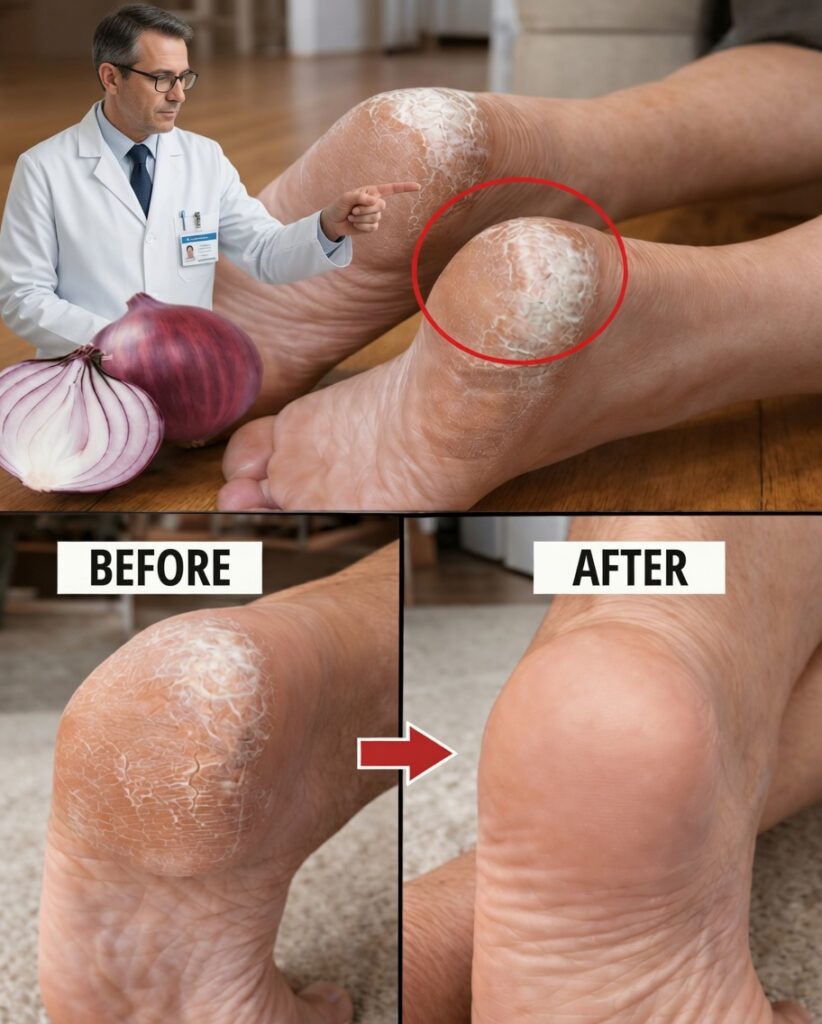
Cracked, Painful Heels? A Simple Natural Bedtime Ritual Can Help Soften and Repair Skin in Days
Cracked heels can make every step feel uncomfortable—and sometimes truly painful. Deep heel fissures may sting when you walk, feel embarrassing in sandals, and in more severe cases can bleed or become infected if ignored. Dryness can build up for many reasons: long hours standing, dry weather, frequent use of open-back shoes, or simply not moisturizing often enough. Over time, heel skin becomes thick, rough, and more likely to split—affecting both comfort and confidence.
The good news is that many people see real improvement at home with simple, natural heel care. The most effective approach usually combines deep hydration, gentle exfoliation, and skin protection, using everyday ingredients. Read to the end for a straightforward night routine before bed that brings these key steps together to help your heels feel noticeably softer.
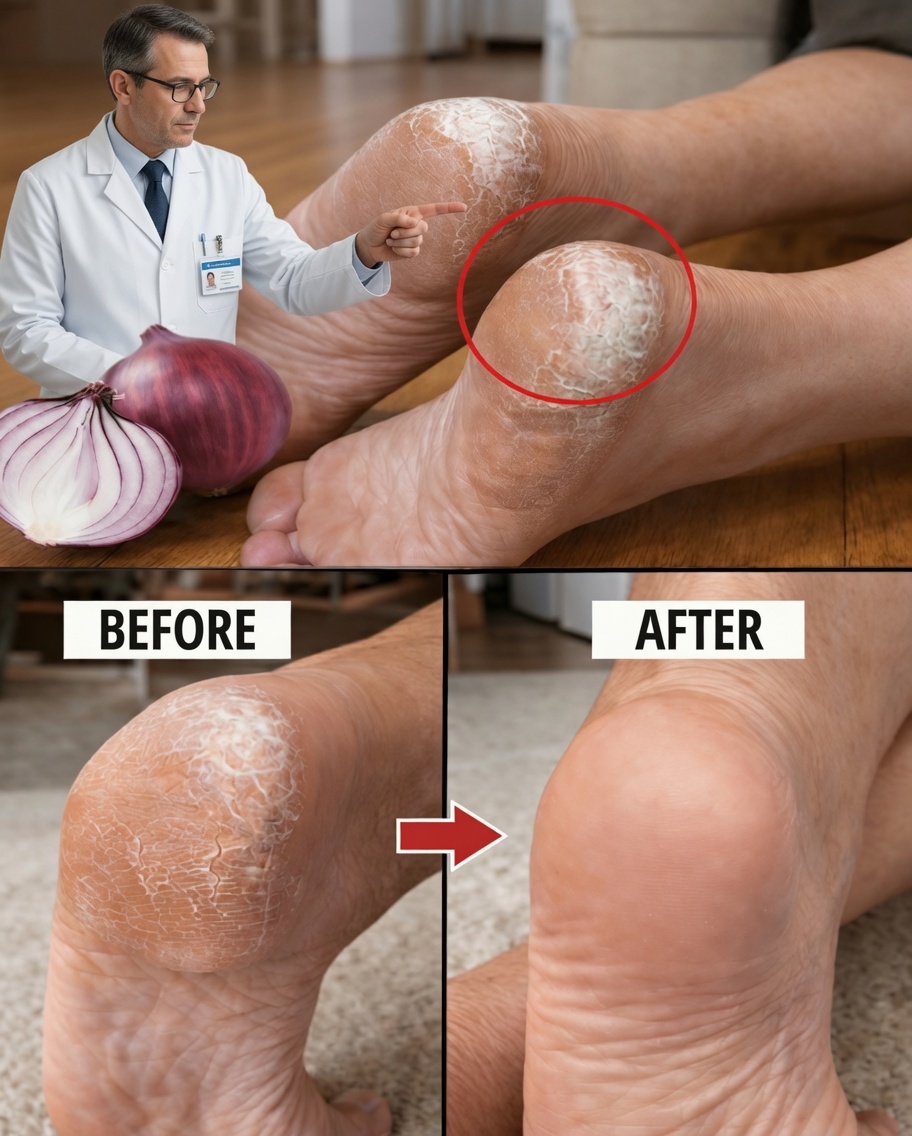
Why Do Heels Crack?
Cracked heels (also called heel fissures) happen when the skin loses moisture, becomes thicker, and turns stiff. With constant pressure from walking and standing, this hardened layer can split into small—and sometimes deep—cracks.
Common causes include:
- Standing or walking for long periods
- Wearing sandals or open-back footwear often
- Cold, dry climates or frequent very hot showers
- Dehydration
- Certain health conditions that affect skin health or circulation
When skin loses its natural elasticity, it struggles to handle daily pressure—making cracks more likely to form.
How to Prevent Cracked Heels
Prevention is usually easier than treating deep fissures later. These simple habits can help protect heel skin:
- Moisturize daily, especially after showering
- Choose comfortable closed shoes with supportive soles when possible
- Drink enough water throughout the day
- Avoid very hot showers and harsh, drying soaps
- Do gentle exfoliation once a week to reduce thick buildup
With consistency, these changes help keep feet healthier, smoother, and more resilient.
5 Natural Remedies to Soothe and Improve Cracked Heels
These home options use natural ingredients known for softening and moisturizing. Before trying any new method, do a small patch test to reduce the risk of irritation.
1) Warm Foot Soak with Apple Cider Vinegar or Lemon
This soak can help soften hardened skin so it’s easier to smooth.
How to use:
- Fill a basin with warm water.
- Add 1/2 cup apple cider vinegar or the juice of one lemon.
- Soak feet for 10–20 minutes.
- Pat dry and apply a moisturizer.
Frequency: 3–4 times per week.
2) Pure Honey for Moisture and Comfort
Honey naturally helps draw in and retain moisture, supporting softer skin.
How to use:
- Wash feet (or soak first).
- Spread a thin layer of honey over the heels.
- Leave on for about 20 minutes, or overnight with socks.
- Rinse with warm water.
Frequency: 3–5 times per week.
3) Coconut Oil Massage for Deep Hydration
Coconut oil is widely used for intensive moisturizing and barrier support.
Step-by-step:
- Warm a small amount of coconut oil between your hands.
- Massage into heels for about 5 minutes.
- Put on cotton socks to lock in moisture.
Best time: nightly.
4) Ripe Banana Mask to Nourish Skin
Banana contains skin-friendly nutrients that may help improve softness.
How to apply:
- Mash one ripe banana into a smooth paste.
- Apply to the heels.
- Leave on for 15–20 minutes.
- Rinse and follow with moisturizer.
Frequency: 3 times per week.
5) Petroleum Jelly to Seal in Hydration
Petroleum jelly creates a protective layer that reduces moisture loss overnight.
Night method:
- Wash feet and gently pat dry.
- Apply a generous layer of petroleum jelly to heels.
- Put on cotton socks.
- Leave on overnight.
A Simple Bedtime Routine for Softer Heels
A short routine can produce noticeable results when done consistently:
- Soak feet in warm water for about 10 minutes.
- Pat dry carefully.
- Lightly exfoliate with a pumice stone or a soft cloth (no harsh scrubbing).
- Massage in coconut oil or honey.
- Finish with petroleum jelly, then wear cotton socks overnight.
Many people report softer heels within 1–2 weeks when they follow this nightly heel care routine.
When to Seek Professional Help
Get medical guidance if heel cracks:
- Become very deep
- Start bleeding
- Cause significant pain
- Show signs of infection (redness, swelling, warmth, or discharge)
If you have diabetes, take extra caution with foot care and consult a healthcare professional early, since foot wounds can become serious faster.
Conclusion
Cracked heels can be frustrating, but they’re often manageable with consistent, natural care. Regular moisturizing, gentle exfoliation, and overnight protection can make a major difference over time. Start with small daily steps—your feet will feel the benefits.
Disclaimer: This content is for informational purposes and does not replace professional medical advice. Consult a healthcare professional before trying home remedies, especially if you have pre-existing conditions or open wounds. Results vary from person to person.