5 Everyday Spices That Can Support Kidney-Friendly Eating
Your kidneys never take a break. They continuously remove waste, regulate fluid levels, and play an important role in blood pressure control. Even so, many people do not pay much attention to kidney support until symptoms start to appear. Over time, salty meals, chronic stress, and low-grade inflammation may place extra strain on these essential organs.
The encouraging part is that helping your kidneys does not have to mean expensive supplements or overly strict diets. Small changes in the kitchen can go a long way. By using common spices, you can boost flavor, reduce reliance on salt, and add beneficial plant compounds to your meals at the same time.
Wondering which five familiar seasonings are most often mentioned by nutrition professionals and researchers for kidney-conscious eating? Read on—the final one may completely change the way you season your meals.
Why Spices Are Important for Kidney Wellness
One of the most widely recommended strategies for supporting kidney health is lowering sodium intake. Organizations such as the National Kidney Foundation regularly emphasize this point. Most adults consume much more salt than recommended, especially through packaged foods, takeout, and restaurant meals.
Spices offer a smart solution because they create strong flavor without adding meaningful sodium.
Beyond taste, many kitchen spices contain naturally occurring compounds such as polyphenols and flavonoids. These substances have been studied for their antioxidant and anti-inflammatory effects. While no single spice can prevent or treat kidney disease, using low-sodium seasonings regularly can be part of a healthy eating pattern that supports long-term well-being.
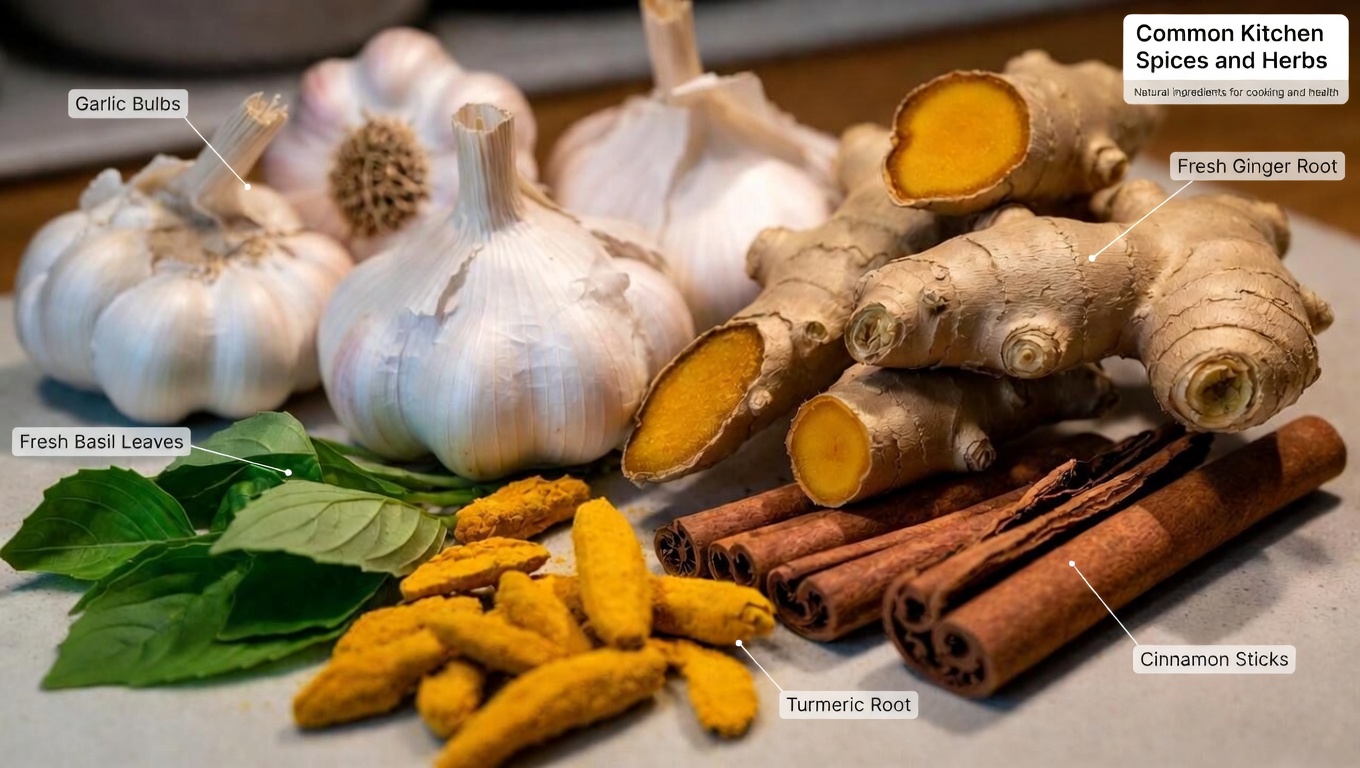
1. Garlic: Big Flavor Without the Salt
Garlic has been used in cooking and traditional wellness practices for centuries, and modern research continues to explore its value.
Fresh garlic and quality garlic powder contain sulfur-based compounds, especially allicin, which have shown antioxidant activity in many laboratory studies. In everyday cooking, garlic is especially useful because it adds rich, savory depth, making it easier to cut back on salt. That can be helpful for people trying to manage blood pressure and fluid balance.
Easy ways to use more garlic
- Finely chop 2 to 3 cloves and cook them in olive oil with vegetables
- Combine garlic powder, paprika, and black pepper for a salt-free meat or tofu rub
- Roast whole garlic bulbs until soft and spread them on whole-grain toast
A helpful tip: crush or chop garlic and let it rest for about 10 minutes before cooking. This helps preserve more of its beneficial sulfur compounds.
2. Ginger: A Warming Spice With Bright Flavor
Ginger adds gentle heat and a fresh, slightly citrus-like note that can instantly improve simple dishes.
Studies published in journals including Food Science & Nutrition have examined ginger compounds such as gingerol and shogaol for their potential role in lowering oxidative stress and supporting a healthy inflammatory response. From a practical standpoint, ginger is valuable because it brings bold flavor to teas, soups, broths, and stir-fries without the need for added salt.
Simple ginger ideas for the week
- Grate fresh ginger into hot water with lemon for a quick morning drink
- Add a few thin slices to vegetable soup during the final minutes of cooking
- Mix 1/2 teaspoon of ground ginger into marinades for chicken, fish, or tofu
Fresh ginger stores well in the refrigerator for weeks. You can also freeze extra portions for convenience.
3. Turmeric: The Golden Spice With Modern Appeal
Turmeric has become one of the most talked-about spices in wellness nutrition, and for good reason.
This bright yellow root contains curcumin, a compound studied in lab research and some human trials for its ability to help the body manage oxidative stress and maintain a balanced inflammatory response. Turmeric is often paired with black pepper because piperine, a pepper compound, can significantly improve curcumin absorption.
Practical ways to enjoy turmeric
- Stir 1/2 to 1 teaspoon into scrambled eggs, lentil soup, or cauliflower rice
- Make golden milk with plant-based milk, turmeric, cinnamon, and a small pinch of black pepper
- Add a little to hummus or salad dressing for earthy depth and color
Use turmeric in moderation at first, since too much can easily dominate mild dishes.
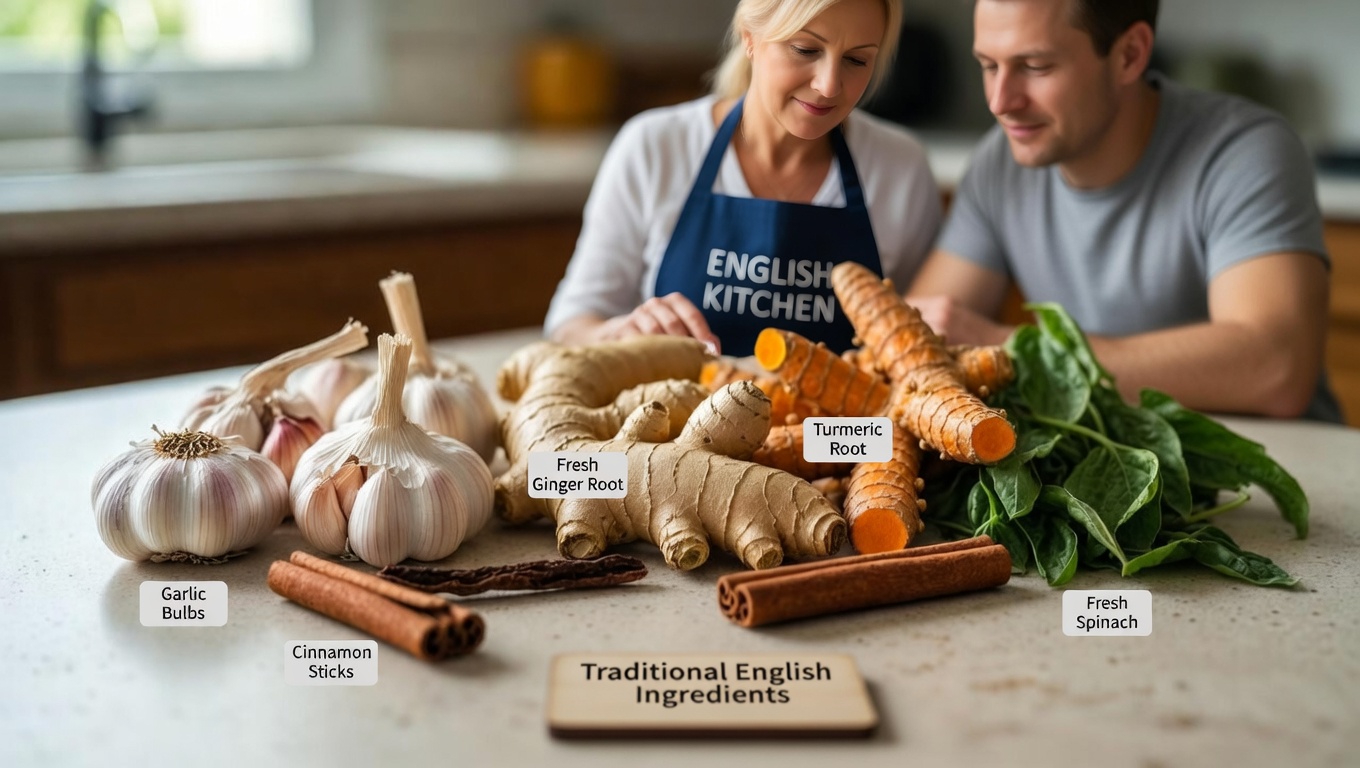
4. Cinnamon: Not Just for Sweet Foods
Cinnamon is often linked with oatmeal, baked apples, or desserts, but it also works surprisingly well in savory recipes.
It contains cinnamaldehyde and several polyphenols that have been studied for their influence on inflammatory pathways and glucose metabolism. For kidney-friendly eating, cinnamon can help replace sugary toppings or salty sauces with a naturally warm, satisfying flavor.
Kidney-friendly ways to use cinnamon
- Sprinkle it over roasted sweet potatoes or squash instead of adding brown sugar
- Mix 1/4 teaspoon into chili or tomato sauce for extra depth
- Stir it into plain Greek yogurt with berries for a quick snack
When possible, choose Ceylon cinnamon. It contains much less coumarin than the more common Cassia type.
5. Basil and Other Fresh Herbs: Small Amounts, Big Flavor
Fresh herbs deserve much more attention in kidney-conscious cooking. Basil, oregano, rosemary, and thyme all bring powerful aroma and taste with almost no sodium.
These herbs contain plant compounds such as rosmarinic acid and carnosic acid, which are known for their antioxidant properties. Because they are so flavorful, even a small amount can dramatically improve a meal while helping you keep salt to a minimum.
Easy ways to use basil, oregano, rosemary, and thyme
- Scatter fresh basil over tomatoes, cucumber, and olive oil
- Toss root vegetables with dried oregano and rosemary before roasting
- Stir chopped fresh herbs into soups or stews right before serving
Fresh herbs lose strength quickly, so buy smaller amounts and keep them in the fridge in a glass of water, similar to fresh flowers.
Spices vs. Salt: A Quick Sodium Comparison
Even modest seasoning swaps can make a real difference, especially if you cook at home often.
Typical sodium comparison
-
Table salt
- Typical amount: 1 teaspoon
- Sodium: about 2300 mg
- Flavor: salty only
-
Garlic powder
- Typical amount: 1 teaspoon
- Sodium: about 1 to 5 mg
- Flavor: savory and rich
-
Ground ginger
- Typical amount: 1/2 teaspoon
- Sodium: 0 mg
- Flavor: warm and lightly spicy
-
Turmeric with black pepper
- Typical amount: 1 teaspoon
- Sodium: 0 mg
- Flavor: earthy and slightly bitter
-
Cinnamon
- Typical amount: 1/2 teaspoon
- Sodium: about 0 to 2 mg
- Flavor: sweet and warm
-
Dried oregano
- Typical amount: 1 teaspoon
- Sodium: about 1 mg
- Flavor: bold and herbal
3 Simple Recipes to Try Today
1. Garlic and Herb Roasted Vegetables
Mix chopped zucchini, bell peppers, carrots, and red onion with:
- 1 tablespoon olive oil
- 3 minced garlic cloves
- 1 teaspoon dried oregano
- 1/2 teaspoon dried thyme
- Black pepper to taste
Roast at 400°F (200°C) for 25 to 30 minutes.
2. Ginger-Turmeric Morning Tea
Simmer the following in 2 cups of water for 10 minutes:
- 1 inch fresh ginger, sliced
- 1/2 teaspoon ground turmeric
- A small pinch of black pepper
Strain, add lemon juice, and drink warm.
3. Cinnamon Breakfast Bowl
Combine:
- 1/2 cup cooked steel-cut oats
- 1/4 teaspoon cinnamon
- A handful of blueberries
- 1 spoonful unsweetened almond butter
The Bottom Line
Garlic, ginger, turmeric, cinnamon, and basil-family herbs are not a substitute for medical treatment, but they can make a low-sodium eating style far more enjoyable. That matters because the most effective habits are usually the ones people can maintain.
If you want to support kidney health through food, start with the way you season your meals. Small daily changes often lead to the biggest long-term benefits.
FAQ
How much of these spices can I safely use each day?
Many people can comfortably use 1 to 3 teaspoons total of these dried spices per day. If you have gallbladder issues, especially with turmeric, start with a smaller amount and pay attention to how you feel.
Can I use these spices if I already follow a renal diet?
In many cases, yes. Renal dietitians often recommend herbs and spices to add flavor while keeping sodium low. Still, your full meal plan must also account for potassium and phosphorus, so check with your healthcare provider or dietitian.
Is fresh better than powdered?
Both forms can work well. Fresh herbs and roots usually provide a brighter aroma, while dried and ground spices are more concentrated and convenient.