5 Science-Backed Foods That May Support Brain Health After 50
Many adults over 50 begin to notice small shifts in mental performance. Maybe names take longer to come to mind, focus fades earlier in the day, or conversations occasionally leave you searching for the right word. These changes can be discouraging, especially when you still want steady energy and clear thinking.
Although some changes in brain function are a normal part of aging, nutrition plays an important role in how well the brain is supported over time. Research continues to show that certain foods rich in essential nutrients may help preserve memory, stabilize mood, and promote sharper thinking. The best part is that improving your diet does not have to be difficult. A few simple, enjoyable additions can make a meaningful difference.
This guide covers five foods linked to better cognitive wellness, along with easy ways to include them in your routine. At the end, you will also find a simple evening habit that many people enjoy.
Why Nutrition Becomes More Important for Brain Health With Age
The brain demands a significant amount of energy every day, even when your body is resting. As the years go by, oxidative stress and inflammation can gradually affect how efficiently it works. That is why food choices matter.
Eating patterns such as the Mediterranean diet and the MIND diet have been associated with better cognitive outcomes in older adults. These approaches focus on whole, nutrient-dense foods rather than heavily processed products. Foods rich in antioxidants, healthy fats, minerals, and vitamins may help support brain function naturally.
The good news is that you do not need a complete diet overhaul. In many cases, small and sustainable changes are enough to get started.

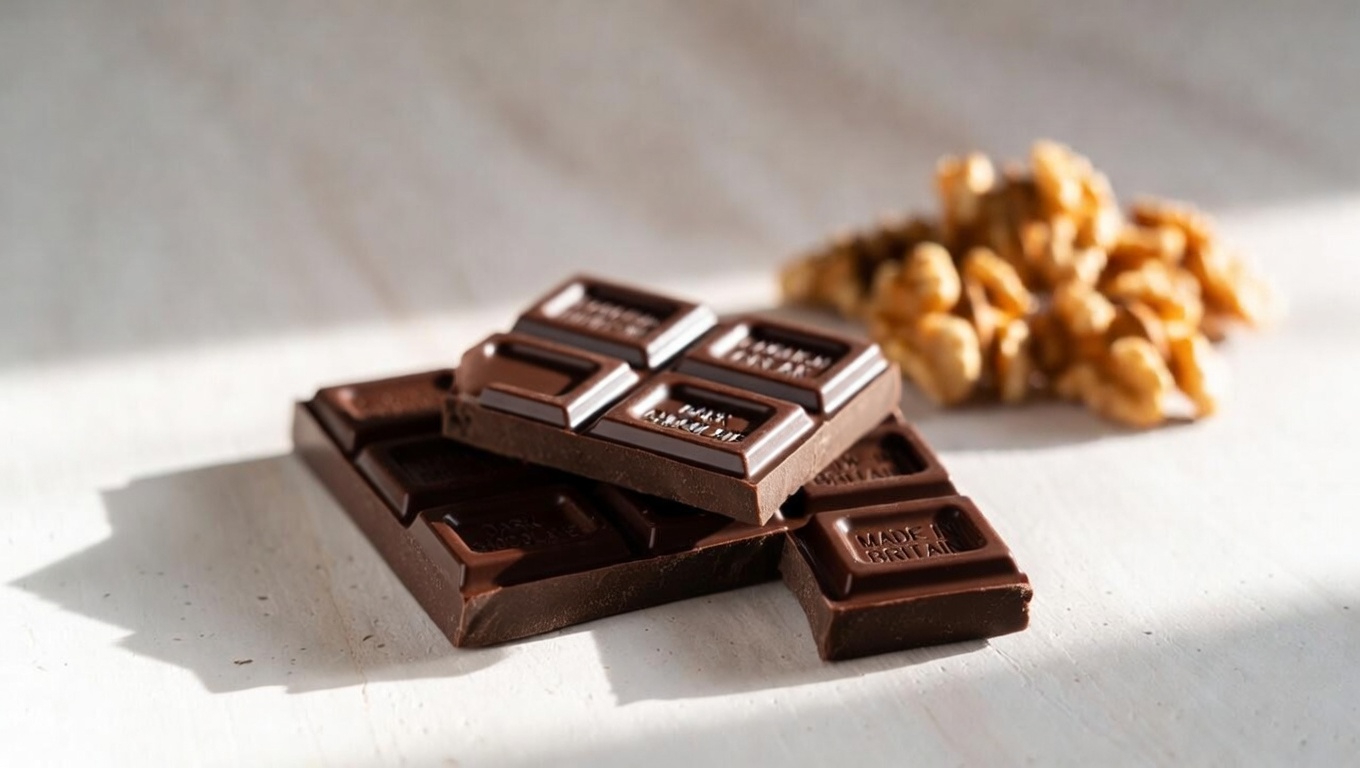
1. Dark Chocolate
Dark chocolate, especially varieties made with 70% cacao or more, contains flavonoids. These plant compounds have been studied for their ability to support blood flow, including circulation to the brain. Better circulation may help with mental tasks such as attention, memory, and overall alertness.
A modest serving can also satisfy cravings without loading up on sugar, making it a smart treat in moderation.
How to enjoy it:
- Choose dark chocolate with at least 70% cacao
- Keep portions to about 1 ounce per day, or roughly 20 to 30 grams
- Enjoy a square in the evening as a calming daily ritual
Dark chocolate becomes even more helpful when paired with other nutrient-rich foods.
2. Fatty Fish
Salmon, sardines, and mackerel are excellent sources of omega-3 fatty acids, especially DHA and EPA. These fats are major structural components of brain cell membranes and are considered essential for long-term brain function.
Multiple studies have linked regular fish intake with better maintenance of cognitive abilities and lower inflammation over time. For older adults, including fatty fish in meals can be a practical way to nourish the brain.
Aim for:
- Two servings each week
- About 4 to 6 ounces per serving
- Baked, grilled, or lightly roasted preparations
If you do not eat fish, it may be helpful to discuss alternatives with a healthcare professional.
3. Blueberries
Blueberries may be small, but they are packed with anthocyanins, a group of antioxidants known for their brain-supportive potential. These compounds can reach brain tissue and may help protect cells from oxidative stress.
Research involving older adults has associated regular berry intake with stronger memory performance and better overall cognitive support. Their natural sweetness also makes them easy to add to everyday meals.
Simple ways to add blueberries:
- Stir 1/2 cup into oatmeal
- Add them to yogurt
- Toss them into salads
- Use fresh or frozen, depending on convenience
They are one of the easiest foods to include consistently.
4. Pumpkin Seeds
Pumpkin seeds offer a valuable mix of magnesium, zinc, and tryptophan. These nutrients are important for brain and nervous system function. Magnesium helps regulate nerve signaling, zinc supports brain cell health, and tryptophan contributes to mood balance and relaxation.
Because of this combination, pumpkin seeds can be a smart snack for both mental energy and emotional well-being.
Daily serving idea:
- Eat about 1/4 cup as a snack
- Choose raw or lightly toasted seeds
- Sprinkle them over soups, roasted vegetables, or salads
They are convenient, satisfying, and easy to keep on hand.
5. Walnuts
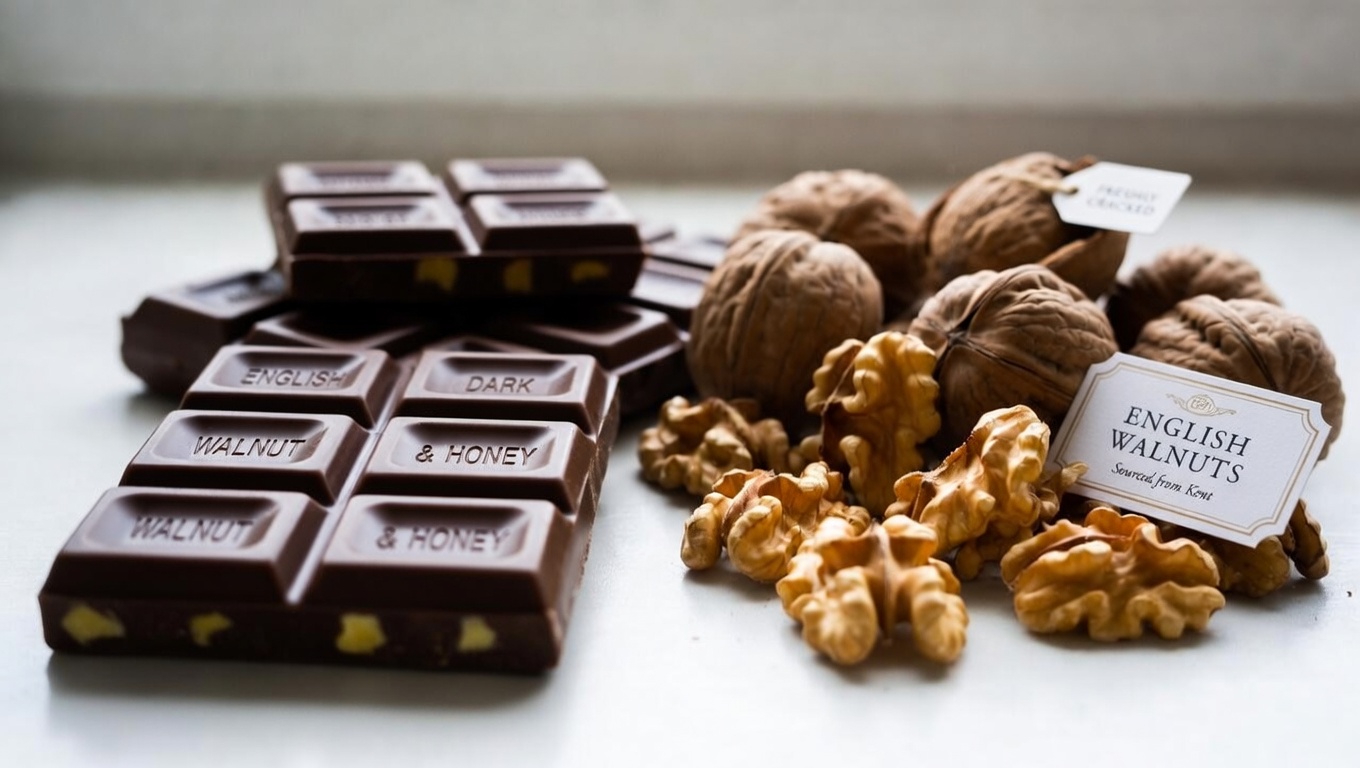
Walnuts provide plant-based omega-3s in the form of ALA, along with polyphenols and vitamin E. Research often highlights nuts, especially walnuts, for their benefits in both heart health and cognitive wellness.
Their anti-inflammatory properties and healthy fat content make them a strong everyday option for supporting the brain as you age.
Easy serving suggestion:
- Enjoy about 1 ounce daily
- Eat them plain
- Add them to trail mix
- Mix them into oatmeal or yogurt
Walnuts are especially useful for people looking for plant-based brain-supportive foods.
Easy Ways to Combine These Foods Throughout the Week
You do not need complicated meal plans to make these foods part of your lifestyle. Here are a few simple combinations:
- Morning option: Oatmeal or yogurt with blueberries and walnuts
- Afternoon snack: Pumpkin seeds and a square of dark chocolate
- Dinner idea: Grilled salmon with a leafy salad and blueberries
- Evening routine: Dark chocolate with a few walnuts for a satisfying finish to the day
These combinations are practical, enjoyable, and easy to repeat.
Extra Habits That Can Strengthen Brain-Friendly Eating
Food works best when it is part of a broader healthy routine. Some habits can improve consistency and help you get more from your nutrition choices.
For example, healthy fats from fish or walnuts can support the absorption of fat-soluble nutrients when eaten with fruits and vegetables. Timing can also make habits easier to maintain, such as choosing relaxing foods in the evening or antioxidant-rich choices earlier in the day.
Research also supports these additional steps:
- Stay well hydrated during the day
- Reduce added sugar when possible
- Limit highly processed foods
- Include regular movement, such as walking
- Maintain a consistent sleep schedule
Over time, these habits can add up and support better focus, steadier energy, and clearer thinking.
Quick Look: Common Challenges and Helpful Food Choices
| Common Issue | Nutrient Focus | Helpful Food |
|---|---|---|
| Afternoon energy slump | Healthy fats and steady nourishment | Fatty fish and walnuts |
| Occasional memory lapses | Antioxidants | Blueberries |
| Mood or motivation changes | Magnesium and tryptophan | Pumpkin seeds |
| General mental tiredness | Circulation support | Dark chocolate |
Even small changes like these can fit into a busy lifestyle without feeling overwhelming.
A Simple Plan to Get Started
Weeks 1 to 2
- Add dark chocolate and pumpkin seeds to your evening routine
- Pay attention to how you feel afterward
Weeks 3 to 4
- Start eating blueberries daily
- Include fatty fish two times per week
Ongoing
- Add walnuts regularly
- Rotate these foods based on what feels best for your focus and energy
It may also help to keep a quick journal. Once or twice a week, write down a few notes about your concentration, memory, and overall mental clarity.
Final Thoughts
Supporting your brain does not require perfection. What matters most is making enjoyable choices you can stick with over time. Dark chocolate, fatty fish, blueberries, pumpkin seeds, and walnuts all offer flavorful and practical ways to nourish the mind as you get older.
If you want to begin tonight, keep it simple. A square of dark chocolate or a handful of pumpkin seeds is an easy first step. Over time, these small habits can become a steady part of caring for your brain, just like you care for the rest of your body.
FAQ
When is the best time to eat foods that support brain health?
Many people enjoy these foods in the evening, especially options like dark chocolate or seeds. However, the most important factor is consistency. The best time is the time that fits your routine.
Can I get similar nutrients without eating fish?
Yes. Walnuts and seeds provide plant-based omega-3 fats, although they are not identical to the forms found in fish. For personalized guidance, it is best to speak with a healthcare professional.
How much dark chocolate should I eat?
A good guideline is about 1 ounce per day. This amount allows you to enjoy the potential benefits without taking in too much sugar or excess calories.
Important Note
This article is intended for informational purposes only and does not replace professional medical advice. Always talk with your healthcare provider before making major dietary changes, especially if you have an existing medical condition or take prescription medications.