
Are Everyday Over-the-Counter Meds Really That Harmless?
Over-the-counter (OTC) painkillers, antacids, and cold remedies are so easy to buy that many people assume they’re virtually risk-free. If you can pick it up at the drugstore without a prescription, it must be safe to use often, right?
Research and expert guidelines suggest a more cautious approach. When some of these medications are taken regularly or for long stretches, they can stress the liver, kidneys, stomach, or even affect heart and brain health. Organizations such as the American Geriatrics Society have flagged several commonly used medicines as ones that deserve special care, particularly in older adults or those with chronic conditions.
In other words, some of the pills you reach for without thinking are ones many clinicians use very sparingly in their own lives.

This guide looks at 5 widely used OTC or common medications that doctors often hesitate to take long term themselves. Understanding the potential downsides can help you make smarter, safer choices in your daily routine.
Why Doctors May Be Wary of Certain Common Medications
Clinicians weigh data from clinical trials, long-term studies, and safety alerts from groups like the FDA and professional medical societies. While the medications below can be very helpful when used correctly and for the right reasons, prolonged or frequent use may tip the balance from benefit toward risk.
Key factors that influence risk include:
- Age (older adults tend to be more vulnerable to side effects)
- Existing health problems (such as heart, kidney, liver, or stomach issues)
- Total exposure over time (dose, frequency, and duration)
- Combination with other drugs or alcohol
With that context in mind, here are five drugs many doctors approach carefully for themselves, even though they’re extremely common.
1. Proton Pump Inhibitors (PPIs) – Omeprazole, Esomeprazole, and Similar Drugs
Proton pump inhibitors (PPIs), such as omeprazole (Prilosec) and esomeprazole (Nexium), are widely used for heartburn, acid reflux, and GERD. They work by significantly reducing the amount of acid your stomach produces and are often taken daily for weeks or even months.
However, long-term PPI use has been associated in some studies with:
- Reduced absorption of nutrients such as magnesium, calcium, and vitamin B12
- Higher risk of certain infections (for example, C. difficile or pneumonia)
- Possible effects on kidney function, including chronic kidney disease in some reports
- Potential interactions with other medications
Because of these concerns, many experts recommend using PPIs at the lowest effective dose for the shortest necessary duration, unless your healthcare provider has specific reasons to continue them.
Many doctors, when managing their own reflux, often try lifestyle strategies first—like diet changes, weight management, or using antacids intermittently—before committing to long-term daily PPIs.
Practical ways to use PPIs more safely:
- Track your symptoms:
- If you need acid relief more than twice a week, check in with a healthcare professional.
- Adjust habits that worsen reflux:
- Raise the head of your bed.
- Avoid large or late-night meals.
- Cut back on foods and drinks that trigger symptoms (spicy, fatty, acidic, caffeine, alcohol).
- If you’ve been on a PPI for months:
- Do not stop abruptly.
- Talk to your provider about whether a gradual taper or step-down to another medication is appropriate.
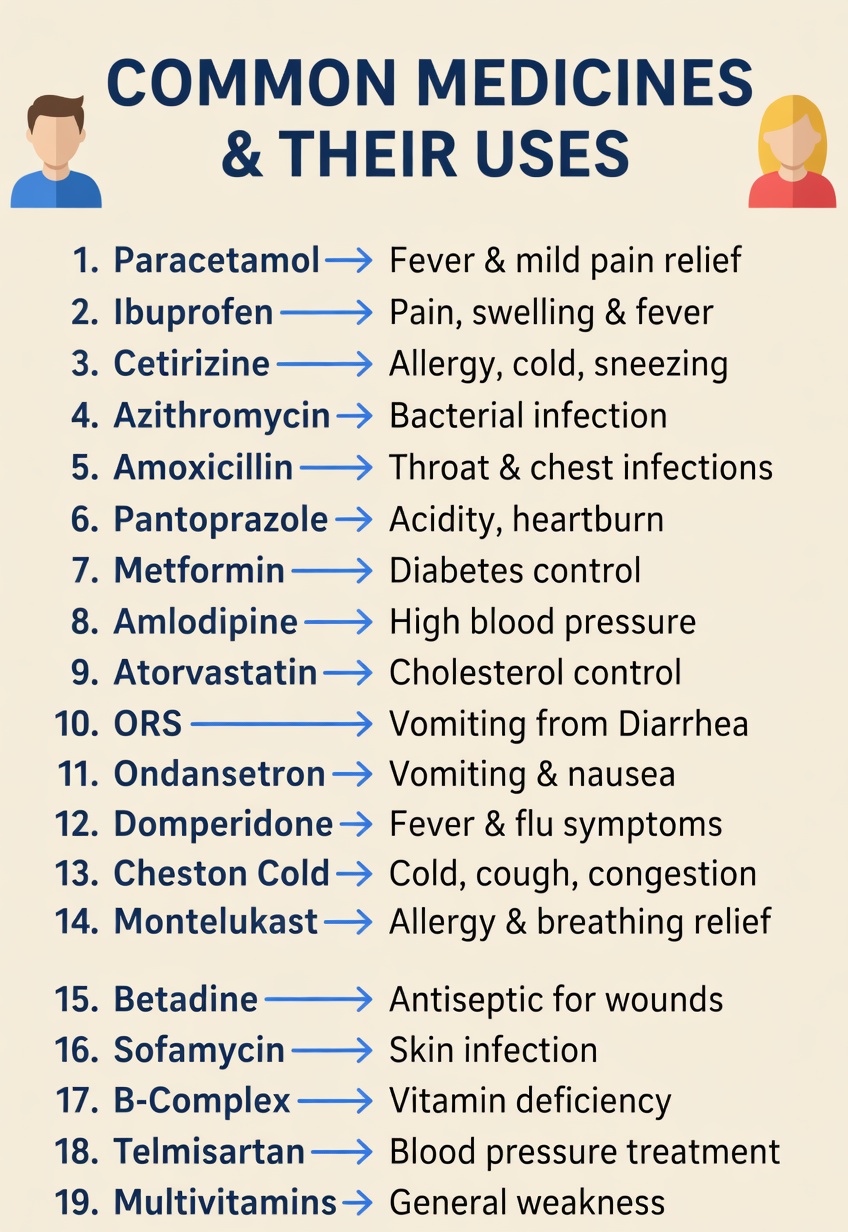
2. Non-Steroidal Anti-Inflammatory Drugs (NSAIDs) – Ibuprofen, Naproxen, and Others
NSAIDs like ibuprofen (Advil, Motrin) and naproxen (Aleve) are staples for headaches, muscle soreness, arthritis flares, and menstrual cramps. They reduce pain, inflammation, and fever effectively—which makes them easy to overuse.
Regular or high-dose NSAID use can increase the risk of:
- Stomach irritation, ulcers, and gastrointestinal bleeding
- Kidney damage or worsening of existing kidney disease
- Increased blood pressure and, in some people, higher risk of heart issues
- Interactions with blood thinners or certain blood pressure drugs
Guidelines, including those from the American Geriatrics Society, specifically urge caution with NSAIDs in older adults and in people with heart, kidney, or stomach problems.
Because of these risks, many healthcare professionals use NSAIDs sparingly for themselves, turning to non-drug strategies or other pain relievers when possible.
Quick comparison of common pain relief choices:
-
Ibuprofen / Naproxen (NSAIDs)
- Often best when inflammation is a major contributor to pain (sprains, arthritis).
- Watch for stomach upset, ulcers, and kidney strain, especially with long-term or high-dose use.
-
Acetaminophen (Tylenol)
- Typically easier on the stomach and does not increase bleeding risk.
- High doses can harm the liver, especially with alcohol or in people with liver disease.
-
Topical pain relievers (creams, gels, patches)
- Deliver medication mainly to the painful area, often with fewer whole-body side effects.
- Helpful for localized joint or muscle pain.
Safer NSAID habits:
- Use the lowest effective dose for the shortest possible time.
- Take NSAIDs with food to reduce stomach irritation.
- Avoid or limit use if you:
- Have a history of ulcers or GI bleeding
- Take blood thinners or certain heart medications
- Have kidney disease or uncontrolled high blood pressure
- Combine with non-drug options such as stretching, rest, ice or heat, physical therapy, or gentle movement.
3. Acetaminophen (Tylenol / Paracetamol)
Acetaminophen is often seen as the “safe” first-line option for fever and mild to moderate pain. It doesn’t irritate the stomach like many NSAIDs and doesn’t increase bleeding risk, which makes it a common recommendation.
The main concern with acetaminophen is dose-related liver toxicity. Taking more than the recommended amount—even by a seemingly small margin—can severely injure the liver. The risk rises if:
- You drink alcohol regularly
- You already have liver disease
- You are taking multiple products that all contain acetaminophen
Many clinicians are careful to stay well below the typical adult maximum daily limit of about 3,000–4,000 mg, and they’re especially cautious if there are any liver concerns.
Tips for using acetaminophen safely:
- Read every label:
- Cold, flu, and “PM” products frequently contain acetaminophen.
- Add up the amount from all sources to stay within daily limits.
- Consider using a medication log or app to track timing and doses, especially when you’re sick and taking multiple products.
- If you have liver disease, drink alcohol regularly, or are unsure about your safe limit, talk with a healthcare provider before taking acetaminophen.
- When choosing between acetaminophen and NSAIDs:
- Acetaminophen is often preferred if you have stomach issues or bleeding risks, but dosing must be measured carefully.

4. Diphenhydramine (Benadryl) and Other First-Generation Antihistamines
Older antihistamines like diphenhydramine (Benadryl) are common in allergy formulas, many nighttime “PM” products, and some cold medicines. They tend to cause drowsiness, which is why they’re also marketed for sleep.
In older adults and in some younger people, these medications can cause:
- Confusion or mental fog
- Dry mouth and constipation
- Difficulty urinating, especially in men with prostate issues
- Dizziness, impaired balance, and an increased risk of falls
Expert lists such as the Beers Criteria (used to guide prescribing in older adults) recommend avoiding regular use of these medications in seniors. Many doctors avoid taking them themselves, particularly as a nightly sleep aid, and choose non-sedating “second-generation” antihistamines like loratadine (Claritin) or cetirizine (Zyrtec) for allergy control.
Why extra caution is warranted:
- First-generation antihistamines cross into the brain more readily, where they can affect thinking, alertness, and coordination.
- Relying on them for sleep can interfere with natural sleep patterns and may worsen sleep quality over time.
- The “anticholinergic” side effects (dryness, confusion, urinary retention) can be especially problematic with repeated use.
Healthier alternatives and habits:
- For allergies:
- Consider newer, less sedating antihistamines (loratadine, cetirizine, fexofenadine) after discussing with a provider.
- For short-term sleep troubles:
- Focus on sleep hygiene: consistent sleep/wake times, dark and cool bedroom, limiting caffeine and screens before bed.
- Try relaxation techniques such as breathing exercises or meditation.
- If you do use diphenhydramine:
- Keep it short-term and avoid combining with alcohol or other sedating medications.
- Older adults should discuss safer options with their healthcare team.
5. Decongestants Containing Pseudoephedrine (Sudafed and Similar Products)
Oral decongestants like pseudoephedrine shrink swollen blood vessels in the nasal passages, helping you breathe more easily during a cold, sinus infection, or allergy flare. They’re effective—but they don’t just act on the nose.
Pseudoephedrine and similar decongestants can:
- Raise blood pressure
- Speed up heart rate
- Cause jitteriness, anxiety, or trouble sleeping
- Worsen symptoms in people with heart disease, high blood pressure, or thyroid disorders
Because of these potential cardiovascular effects, many guidelines advise caution or avoidance in people with heart or blood pressure problems. Many doctors either avoid these drugs altogether for themselves or use them only briefly and at low doses.
Instead, they often rely on non-systemic approaches that act locally in the nose or support natural drainage.
Alternatives to consider for congestion:
- Saline sprays or nasal irrigation (such as a neti pot or squeeze bottle) to flush mucus and allergens
- Warm showers or steam inhalation to loosen congestion
- Staying well hydrated to thin mucus
- Using a cool-mist humidifier to keep nasal passages moist
- Short-term use of topical nasal decongestant sprays only as directed (usually no more than 3 days) to avoid rebound congestion
If you have high blood pressure, heart disease, or thyroid issues, always check with a healthcare professional before using oral decongestants.

Smarter Use of Common Medications: Key Takeaways
Understanding the risks of long-term or frequent use doesn’t mean you should never take these medications. It means using them strategically and intentionally:
- Use the lowest effective dose for the shortest necessary time.
- Read labels carefully, especially when taking combination cold or flu products.
- Avoid stacking similar drugs (like multiple acetaminophen-containing products).
- Consider non-drug strategies first where feasible—diet changes, physical therapy, sleep hygiene, stress management, and environmental changes.
- Talk with a healthcare provider if you find yourself needing the same OTC medication regularly, or if symptoms don’t improve.
Being informed allows you to balance relief today with protection for your long-term health.
FAQ
What should I do if I’ve been taking one of these medications regularly?
Start by making a list of what you take, how much, and how often. Bring this to a healthcare professional or pharmacist. They can:
- Review for dose problems or risky combinations
- Suggest safer alternatives or non-drug options
- Help you taper or adjust if needed rather than stopping abruptly
Are there safer, more natural ways to handle these common symptoms?
Often, yes:
-
For heartburn:
- Eat smaller meals, avoid lying down soon after eating, and identify trigger foods (spicy, greasy, acidic, caffeine, alcohol).
- Maintain a healthy weight and elevate the head of your bed if nighttime reflux is an issue.
-
For pain:
- Incorporate regular movement, stretching, and strengthening exercises.
- Use heat or cold packs, massage, and good ergonomics at work.
- Consider physical therapy for persistent problems.
-
For allergies or congestion:
- Use saline nasal rinses, keep indoor air clean with filters, and close windows during high-pollen times.
- Shower and change clothes after being outdoors to remove pollen.
These approaches may reduce how often you need medication or allow you to use lower doses.
How can I tell if a medication is suitable for long-term use?
No one-size-fits-all answer exists, but general principles include:
- Discuss chronic use with a healthcare professional rather than deciding on your own.
- Follow guideline-based advice: most call for the lowest effective dose for the shortest time, with periodic reassessment.
- Schedule regular check-ins to review whether:
- The medication is still needed
- The dose or type should change
- You’re experiencing early signs of side effects
By staying informed and regularly checking in with your healthcare team, you can get the benefits of these medications while reducing the likelihood of hidden long-term risks.