
Kidney-Friendly Protein Choices: 4 Foods to Eat More Often and 6 to Limit
Managing kidney health can make everyday food decisions feel complicated. One of the biggest concerns is protein: you need enough to maintain muscle, strength, and recovery, but too much—or the wrong kind—may place added stress on the kidneys. At the same time, it is important to watch minerals such as phosphorus and potassium, which can become harder to regulate when kidney function declines.
The encouraging part is that the right protein choices can support both nutrition and overall well-being. Evidence shows that a balanced approach, especially one that includes selected plant-based proteins, may offer benefits for people following a kidney-friendly diet.
This guide covers four protein-rich foods that are often recommended more frequently in kidney-conscious meal plans, along with six protein sources that are commonly limited or watched carefully. You will also find simple tips at the end to help you put these ideas into practice.
Why Protein Is Important for Kidney Health
Protein plays a central role in the body. It helps build and repair tissues, supports muscle maintenance, and contributes to stable energy throughout the day. But when the kidneys are not working at full capacity, protein waste products may not be removed as efficiently. That is why choosing the right amount and source of protein becomes so important.
Many studies suggest that plant proteins may be easier on the kidneys in some cases because they usually create a lower acid load and contain phosphorus that is less easily absorbed by the body than phosphorus from many animal foods. Animal proteins, on the other hand, provide all essential amino acids in high-quality forms, but eating them in excess can increase waste buildup.
The best strategy is usually moderation, variety, and a plan tailored to your stage of kidney disease—with guidance from your doctor or renal dietitian.

4 Protein Foods to Include More Often
These foods are commonly highlighted in kidney nutrition guidance because they can fit well into a balanced eating plan.
1. Egg Whites
Egg whites are one of the best high-quality protein options for people watching kidney health. They provide excellent protein with very little phosphorus. One large egg white contains about 3.6 grams of protein while staying low in minerals that may need to be restricted.
They are also easy to use in daily meals. You can add them to:
- Omelets
- Scrambles
- Baked dishes
- Smoothies
2. Fish
Fish such as salmon or tuna—especially fresh or low-sodium canned options—can be a smart protein choice. In addition to protein, fish supplies omega-3 fatty acids, which support heart health. This matters because kidney disease and cardiovascular problems often go hand in hand.
For the best fit in a kidney-friendly diet, choose:
- Lean or minimally processed fish
- Fresh or frozen varieties without added salt
- Low-sodium canned options when needed
3. Skinless Chicken or Turkey
Skinless poultry offers complete protein without the higher fat content found in some other meats. A 3-ounce serving of chicken or turkey typically provides around 25 grams of protein.
Compared with red meat or many dairy products, lean poultry is often a more kidney-friendly choice for people who need to keep phosphorus intake in check.
4. Tofu or Certain Legumes
Plant-based proteins such as tofu and properly prepared chickpeas can be valuable additions to a kidney-conscious meal plan. Research has linked plant proteins to benefits such as a lower dietary acid load, which may be helpful for kidney support.
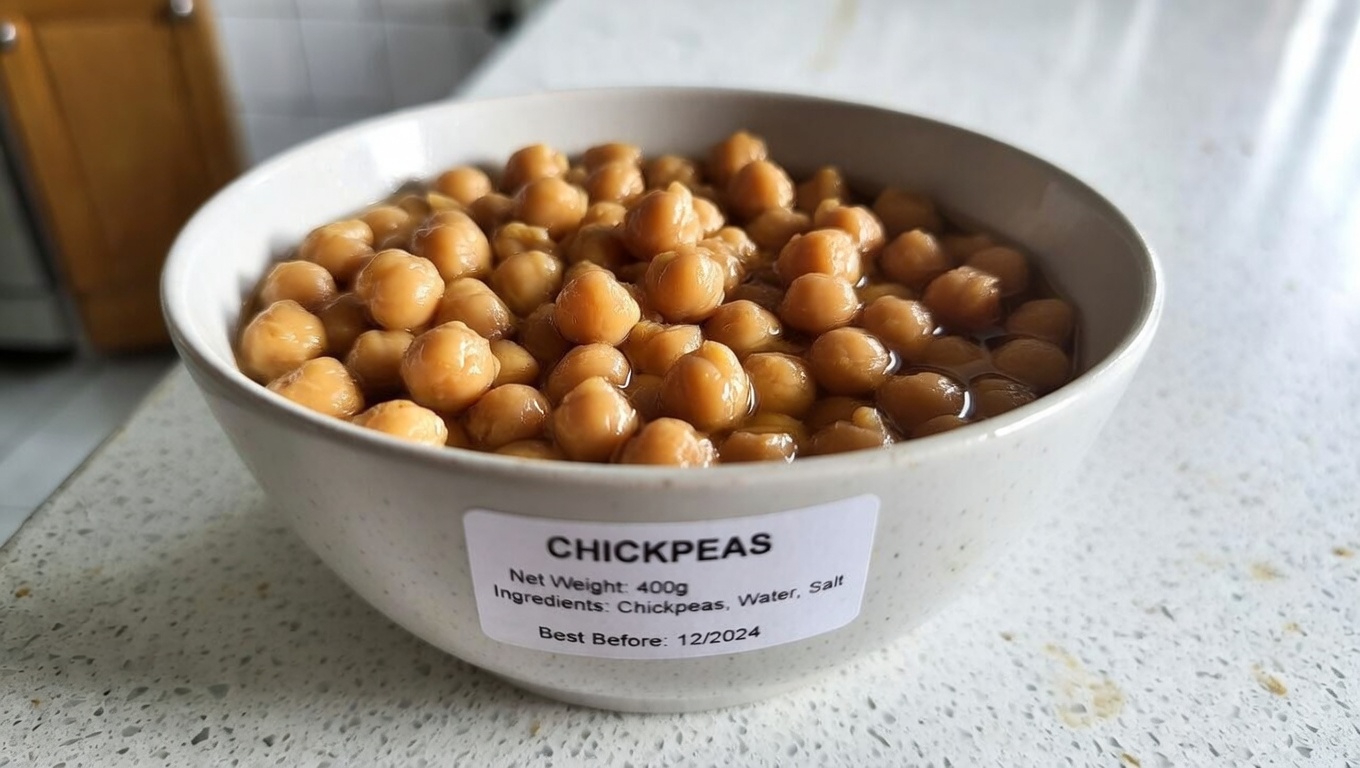
Chickpeas are a good example. They provide both fiber and protein, and when prepared correctly, their potassium and phosphorus content can be reduced enough to make them easier to include in moderation.
How to Prepare Chickpeas for a Kidney-Friendly Diet
Chickpeas, also called garbanzo beans, can work well in some kidney diets if they are prepared carefully. The process helps lower sodium and reduce some of the minerals that may need attention.
Follow these steps:
- Soak dried chickpeas overnight in plenty of water.
- Discard the soaking water.
- Boil the chickpeas in fresh water for 10 minutes.
- Drain them again.
- Continue cooking in new water until they become soft.
- If using canned chickpeas, rinse them very well before eating.
This soak-boil-drain method can make chickpeas more suitable for many people while still providing plant protein and digestive fiber.
6 Protein Sources to Limit or Monitor Closely
Some protein-rich foods are much higher in phosphorus, potassium, sodium, or acid-producing compounds. When kidney function is reduced, these foods may be more difficult to manage. Organizations such as the National Kidney Foundation often recommend limiting or closely tracking the following.
1. Dairy Products
Milk, cheese, and yogurt are rich in protein, but they also contain significant amounts of natural phosphorus and potassium. Even modest servings can add up quickly.
2. Red Meat
Beef, pork, and lamb tend to have more phosphorus per gram of protein than some leaner alternatives. They may also contribute to a higher acid load.
3. Processed Meats
Bacon, sausage, hot dogs, and deli meats are among the least kidney-friendly choices because they are often packed with sodium and phosphate additives. These additives are absorbed very efficiently by the body.
4. Nuts and Nut Butters
Although nutritious in general, nuts and nut butters are concentrated sources of phosphorus and potassium. For kidney diets, portion sizes usually need to remain very small, if they are included at all.
5. Whole Eggs
Eggs can be healthy, but the yolk contains most of the phosphorus. For this reason, egg whites are usually the preferred option over whole eggs in kidney-focused meal plans.
6. Organ Meats or Certain Shellfish
Liver, roe, and similar foods are extremely high in phosphorus. In many cases, they are best avoided entirely.
Quick Comparison of Common Protein Sources
| Protein Source | Approx. Protein | Phosphorus Level | Kidney Diet Notes |
|---|---|---|---|
| Egg whites (3 oz equivalent) | 11g | Very low | Excellent high-quality option |
| Skinless chicken (3 oz) | 25g | Moderate | Lean and easy to include |
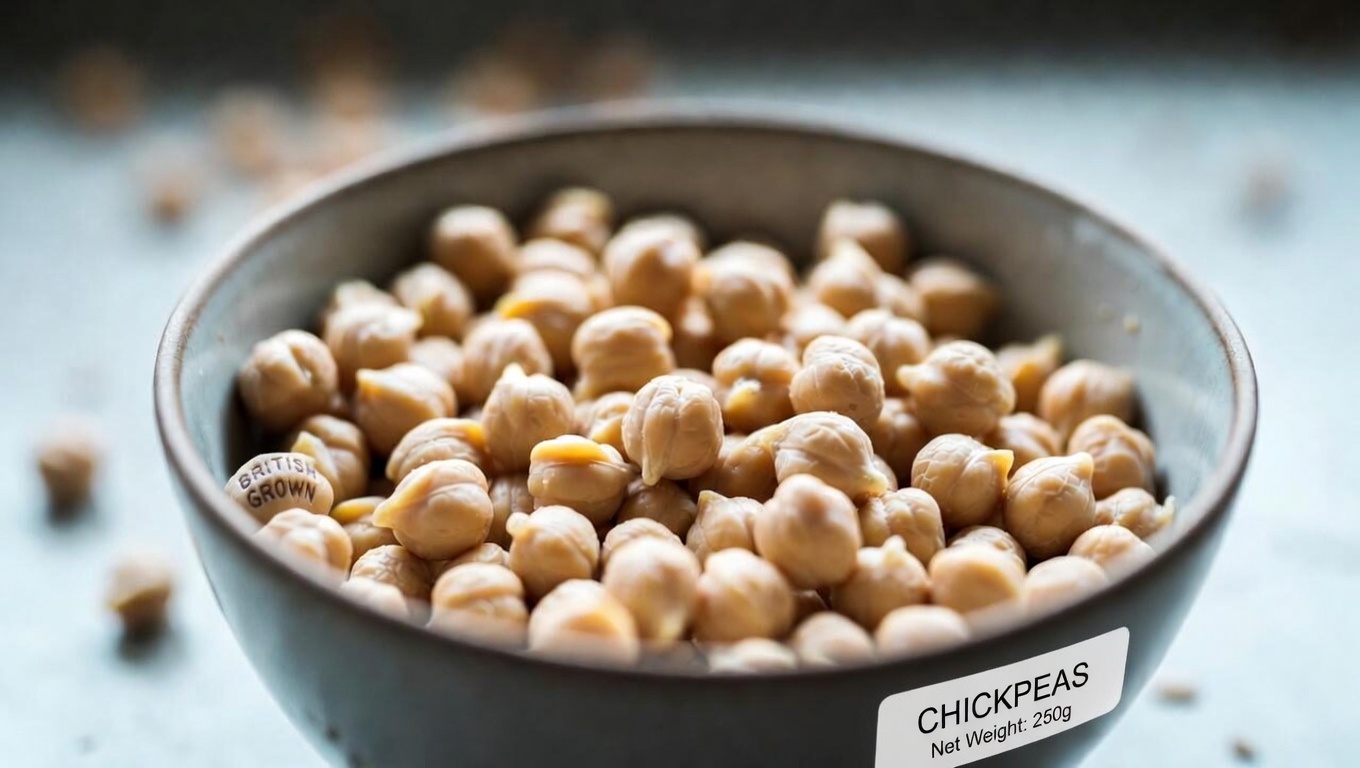
| Chickpeas (1/2 cup cooked) | 7g | Lower if prepared properly | Plant-based and fiber-rich |
| Cheese (1 oz) | 7g | High | Keep portions very small |
| Beef (3 oz) | 25g | High | Higher acid and phosphorus load |
| Nuts (1 oz) | 6g | Very high | Best limited strictly |
Practical Tips for Smarter Protein Choices
Making kidney-friendly protein decisions does not have to be complicated. These simple steps can help.
Watch Portion Sizes
Use measuring cups or a food scale when possible. In many non-dialysis cases, protein intake is often kept around 0.6 to 0.8 grams per kilogram of body weight, but your exact needs should always come from your healthcare team.
Combine Different Protein Sources
Try getting protein from a mix of foods rather than relying on one source. Egg whites, fish, poultry, tofu, and carefully prepared legumes can all add variety.
Use Mineral-Reducing Cooking Methods
For beans and legumes, soaking, boiling, and draining can lower potassium and phosphorus levels and improve their fit in a kidney-friendly plan.
Read Ingredient Labels
Packaged foods often contain phosphate additives, which are especially important to avoid because they are absorbed more readily than naturally occurring phosphorus.
Pair Protein With Suitable Vegetables
Serve protein foods with low-potassium vegetables to create a more balanced plate.
Check In With a Renal Dietitian
Lab values, symptoms, and kidney function can change over time. A renal dietitian can help adjust your protein intake and food choices to match your current needs.
Final Thoughts
Choosing the right proteins is one of the most effective ways to support kidney health. Lean, lower-burden options can help you maintain energy, muscle, and overall nutrition while reducing unnecessary stress on the kidneys. At the same time, limiting foods high in phosphorus, potassium, or sodium may help you stay better balanced.
Because kidney nutrition is highly individual, the safest approach is to work closely with your doctor or dietitian. A personalized plan will always be more effective than one-size-fits-all advice.
FAQ
What are the best protein options if I prefer a plant-based diet?
A varied plant-based approach can work well. Tofu, properly prepared legumes, and grains are often useful choices. Some research suggests plant proteins may support kidney health because they tend to produce less acid. To make sure your diet remains nutritionally complete, professional guidance is important.
How much protein should I eat each day if I have kidney concerns?
The right amount depends on your kidney function, overall health, and whether you are on dialysis. Many recommendations suggest moderate intake in earlier stages, often around 0.8 grams per kilogram of body weight, but your healthcare provider should determine what is appropriate for you.
Can I still eat beans if I have kidney issues?
Yes, in many cases beans can still be included in moderation. Proper soaking and boiling with water changes can help reduce some minerals. Beans also offer fiber and plant protein, but portion control remains essential.