
Choosing the Right Fats for Better Kidney Health
Worrying about kidney health can be stressful, and daily food choices often matter more than people expect. One important area to pay attention to is the type of fat you eat. Some fats may increase inflammation and place added pressure on the cardiovascular system, which is deeply connected to kidney function. For that reason, learning which fats can support wellness and which ones are better limited is an important step in a kidney-friendly lifestyle.
Small changes in the kitchen can make a meaningful difference over time.
Why Dietary Fats Matter for Kidney Health
Fat is a necessary part of a healthy diet. Your body uses it for energy, vitamin absorption, hormone balance, and normal cell activity. Still, not every fat has the same effect on your health, especially when kidney wellness is a priority.
Evidence shows that better fat choices can help protect heart health. This is especially relevant because the heart and kidneys work closely together. In general, unsaturated fats are seen as the healthier option, while too much saturated fat and trans fat may raise long-term health risks.
The goal is not to eliminate fat completely, but to choose smarter sources and use them in sensible amounts.

4 Safer Fats to Include in a Kidney-Conscious Diet
If you are building a diet that supports kidney health, focus on fats rich in monounsaturated and polyunsaturated fatty acids. For many people, these options provide benefits without contributing excessive amounts of unwanted minerals.
1. Extra Virgin Olive Oil
Extra virgin olive oil is one of the most widely recommended healthy fats. It is rich in monounsaturated fat and contains compounds associated with anti-inflammatory effects. Research also suggests it may benefit heart health, making it a strong choice for people aiming to support both heart and kidney function.
You can use it for:
- Light sautéing
- Salad dressings
- Drizzling over cooked vegetables
2. Avocado Oil
Avocado oil offers many of the same heart-friendly advantages as olive oil. It is high in monounsaturated fats and has a high smoke point, which makes it useful for cooking at higher temperatures. Its mild taste also works well in many dishes without overpowering other ingredients.
It is a good option for:
- Roasting
- Grilling
- Pan-cooking
3. Flaxseed Oil or Ground Flaxseeds
Flaxseed products are known for their omega-3 fatty acids, which have been linked to lower inflammation. Ground flaxseeds are easy to add to meals, while flaxseed oil can be used in cold dishes. Because the oil is delicate, it should not be heated.
Simple ways to use flax include:
- Sprinkling ground flaxseeds on oatmeal
- Mixing them into yogurt
- Adding flaxseed oil to smoothies or dressings
4. Canola Oil
Canola oil is another practical choice for everyday cooking. It has a neutral flavor and a favorable fat profile, making it suitable for many recipes. It is often considered a heart-smart alternative when you want something versatile and easy to use.
Even with healthier fats, portion size still matters. Too much of any fat can increase calorie intake quickly.
4 Fats to Limit for Kidney and Heart Wellness
Some fats are less supportive and may place more strain on the body over time. Knowing which ones to reduce can help you shop more carefully and prepare meals with greater confidence.
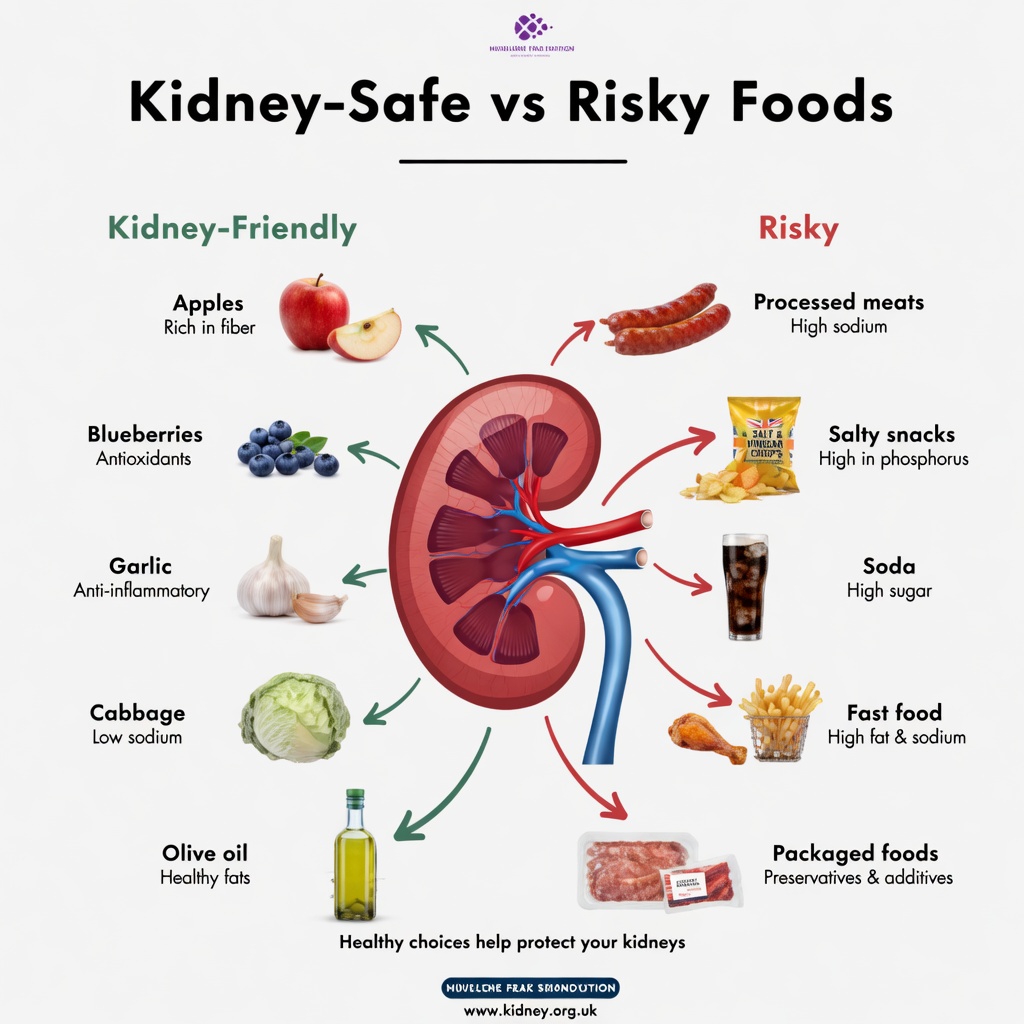
1. Saturated Fats from Animal Foods
Butter, lard, and fatty cuts of meat are common sources of saturated fat. A high intake may raise cholesterol levels and contribute to heart-related concerns, which can also affect kidney health.
Better alternatives include:
- Lean protein choices
- Skinless poultry
- More plant-based meal options
2. Coconut Oil and Palm Oil
Although these oils are often marketed as trendy or natural, they are still high in saturated fat. That does not always mean they must be avoided completely, but using them sparingly is usually the better approach.
Whenever possible, consider replacing them with oils richer in unsaturated fats.
3. Trans Fats in Processed Foods
Trans fats are among the least helpful fats for overall health. They can be found in some fried foods, packaged baked goods, shortening, and certain margarines. A key warning sign on ingredient lists is the phrase partially hydrogenated oils.
To reduce trans fat intake:
- Read nutrition labels carefully
- Cut back on ultra-processed snacks
- Choose fresher, less processed foods more often
4. Too Much Omega-6 Heavy Oil
Corn oil, soybean oil, and sunflower oil are common in many processed and home-cooked foods. While these oils are not automatically harmful, using them in very large amounts without enough omega-3 balance may encourage more inflammation.
Moderation and variety are important. Try not to rely too heavily on one type of oil.
The encouraging part is that even modest swaps can support long-term health.
Practical Ways to Use Healthier Fats Every Day
Changing your routine does not need to be difficult. A few realistic adjustments can help you move toward a more kidney-friendly eating pattern.
Here are some easy ideas:
- Cook eggs or vegetables with olive oil instead of butter
- Use avocado oil for roasting and grilling
- Add a small serving of appropriate nuts or seeds if your care plan allows it
- Check packaged foods for hidden saturated fat and trans fat
- Use herbs and spices to boost flavor so you need less added fat overall
Consistency matters more than perfection. Repeating small healthy habits is what creates lasting results.
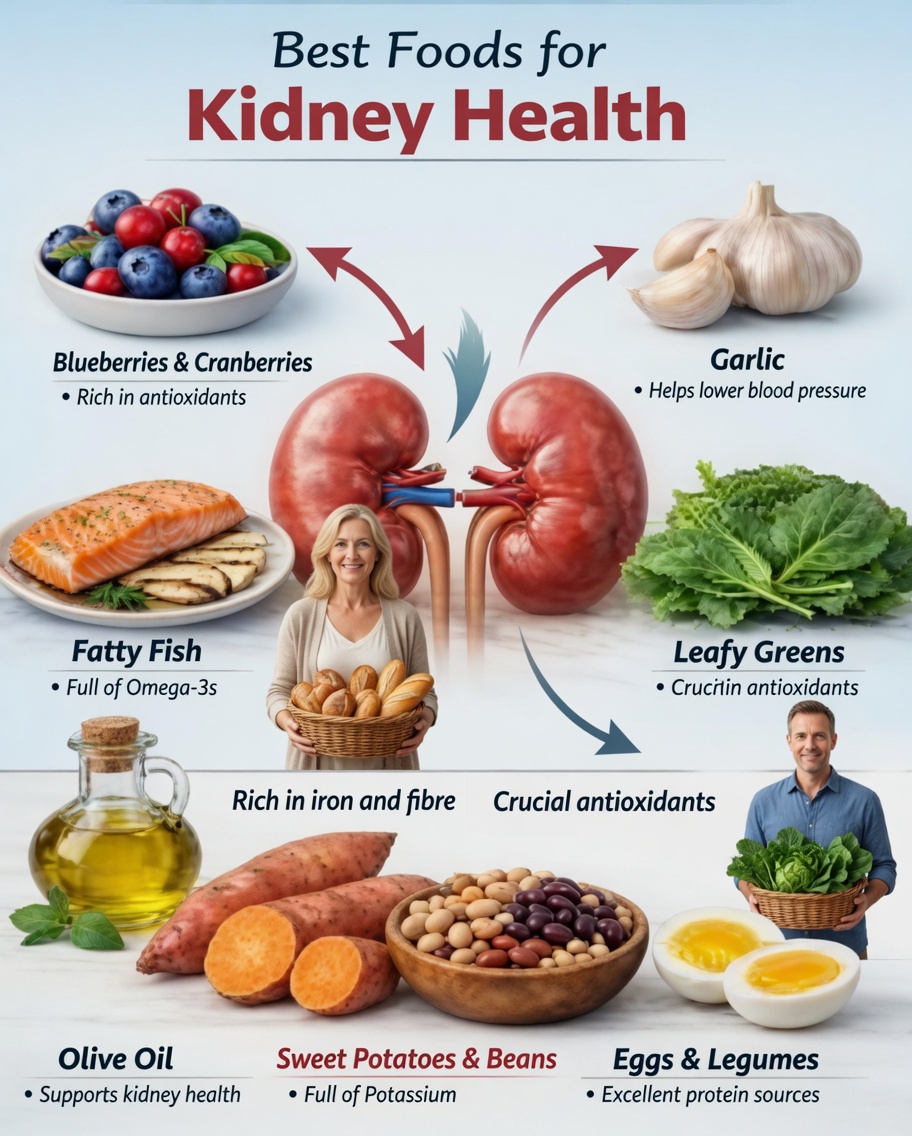
Additional Tips for Supporting Kidney Health
Fat choices are only one part of the bigger picture. Hydration, sodium intake, portion control, and your overall meal pattern also play major roles in kidney wellness. Since everyone’s medical needs are different, it is important to follow a plan that matches your specific condition.
Regular guidance from a doctor or registered dietitian can help you:
- Adjust your diet safely
- Monitor nutrients that may need restriction
- Make food choices based on your lab results and health goals
Daily habits add up, and each thoughtful choice can support better outcomes.
Conclusion
Selecting healthier fats is one valuable step toward supporting kidney health. By choosing more unsaturated fats such as olive oil, avocado oil, flaxseed, and canola oil, while cutting back on saturated and trans fats, you can create a more supportive eating routine for both your kidneys and your heart.
Start with one or two simple changes this week. Over time, those small decisions can lead to meaningful benefits for your overall well-being.
FAQ
Can certain fats help with concerns related to creatinine levels?
Diet can support overall health, but the effect on creatinine levels varies from person to person. It is best to speak with your healthcare provider before making major dietary changes.
How much fat should be included in a kidney-friendly diet?
The right amount depends on your health status, lab values, and overall nutrition plan. In most cases, the focus should be on choosing better-quality fats rather than simply increasing or decreasing fat without guidance.
Are all plant-based oils safe for everyone with kidney concerns?
No. Some plant oils may be better suited to certain people than others, depending on their full diet and medical needs. Always check with your healthcare team before making significant changes to your eating plan.