A Simple Guide to Choosing Rice for a Kidney-Friendly Diet
Constant bloating, low energy, or concern about how everyday meals may influence kidney health can slowly wear down your peace of mind. Many people experiment with harsh cleanses or restrictive eating plans, only to discover they are difficult to maintain. In reality, your kidneys work nonstop, and steady daily food habits usually matter far more than dramatic short-term fixes.
One of the easiest foods to include in a kidney-conscious meal plan may already be in your kitchen: rice. When used thoughtfully, it can support a balanced way of eating without complicated rules or unrealistic expectations. This article explains how to choose and use rice more wisely for long-term wellness.
Why Rice Can Fit Into a Kidney-Friendly Eating Plan
Rice is a staple food across the globe for good reason. It is budget-friendly, adaptable, and generally easy on digestion. For people paying attention to kidney health, rice can be a smart carbohydrate option because it is naturally low in sodium and often lower in potassium than many other common staples.
Nutrition research continues to show that eating patterns with less sodium and well-managed protein intake may help support kidney function. Rice is not a cure or a detox tool, but it can play a useful role in a balanced meal pattern that places less dietary strain on the body.
The important point is this: not every type of rice offers the same nutritional profile.
Some varieties contain more fiber, some supply beneficial plant compounds, and others are easier to portion in ways that match kidney-conscious goals.
The 3 Best Types of Rice to Consider
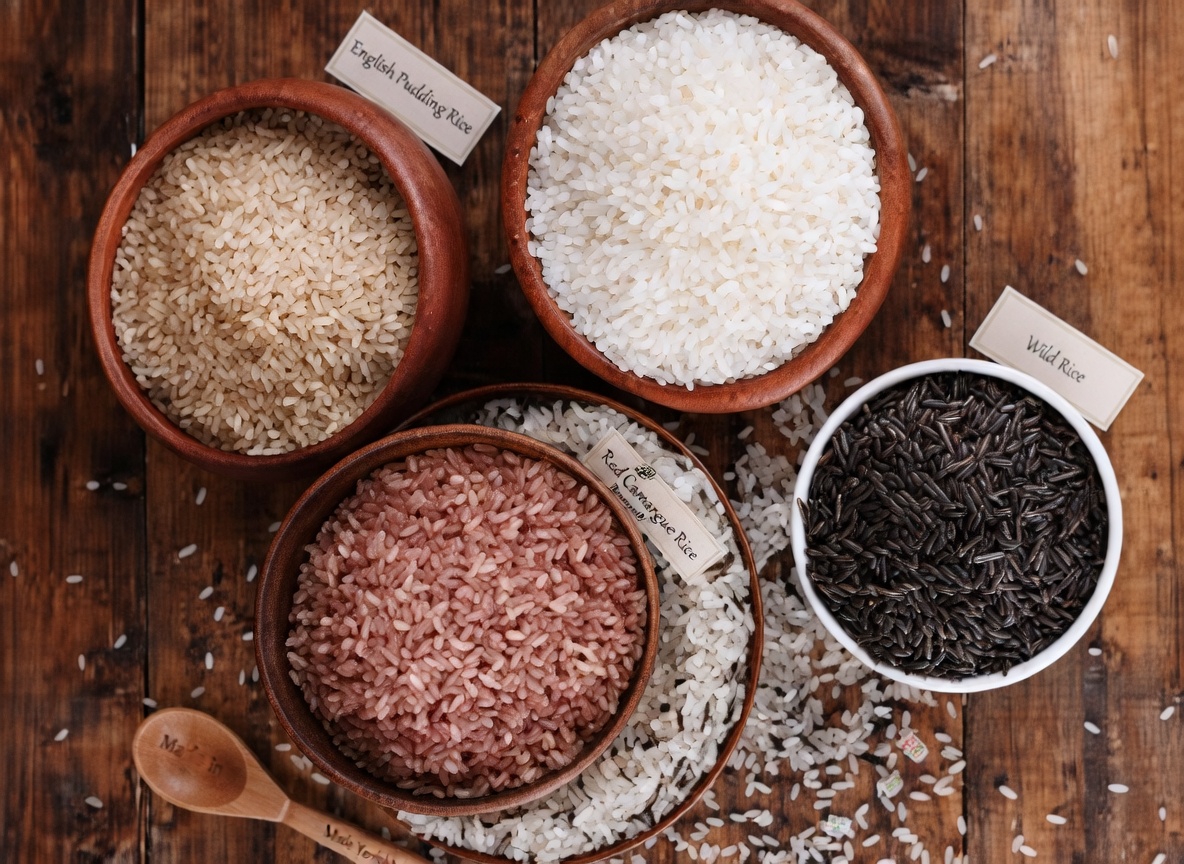
1. White Rice: Mild, Practical, and Easy to Digest
White rice is often viewed negatively in modern nutrition discussions, yet it can be a very practical choice in kidney-supportive meal planning.
Why White Rice May Be Helpful
Compared with many whole grains, white rice is lower in potassium and phosphorus. For people who need to monitor these minerals under professional guidance, that can be an advantage.
It is also gentle on the digestive system. If someone has a poor appetite, digestive sensitivity, or discomfort after meals, white rice may be easier to tolerate.
What the Evidence Suggests
Kidney-focused dietary guidelines commonly include refined grains such as white rice because they are consistent, easier to measure, and simpler to fit into structured meal plans. Research in renal nutrition emphasizes controlling overall mineral intake rather than removing carbohydrates completely.
Better Ways to Serve White Rice
Instead of combining white rice with salty sauces or processed flavor packets, try options like:
- Steamed white rice with sautéed zucchini and a drizzle of olive oil
- A rice bowl with grilled chicken and fresh low-sodium herbs
- A modest serving paired with high-fiber vegetables
Portion size matters more than many people realize. In many balanced meal plans, about 1/2 to 1 cup of cooked rice can work well.
2. Brown Rice: More Fiber and Plant Nutrients
Brown rice keeps its bran and germ, which means it contains more fiber and beneficial plant compounds than white rice. Fiber supports digestive health and may help with blood sugar regulation.
That said, brown rice also contains more potassium and phosphorus. Because of this, it may not suit everyone, especially those with more advanced kidney concerns who have been told to limit certain minerals.
Why Some People Prefer Brown Rice
- Higher in fiber
- Provides magnesium and B vitamins
- May help support more stable energy
Nutrition studies link fiber-rich diets with better metabolic health. Since diabetes and high blood pressure are major contributors to kidney disease risk, improving metabolic balance can also support overall kidney wellness.
A Useful Cooking Tip
How you prepare brown rice can make a difference. Rinsing it thoroughly and cooking it in extra water before draining may slightly lower its mineral content. Anyone with diagnosed kidney disease should still speak with a healthcare professional before making major dietary changes.
3. Black Rice: A Whole Grain Rich in Antioxidants
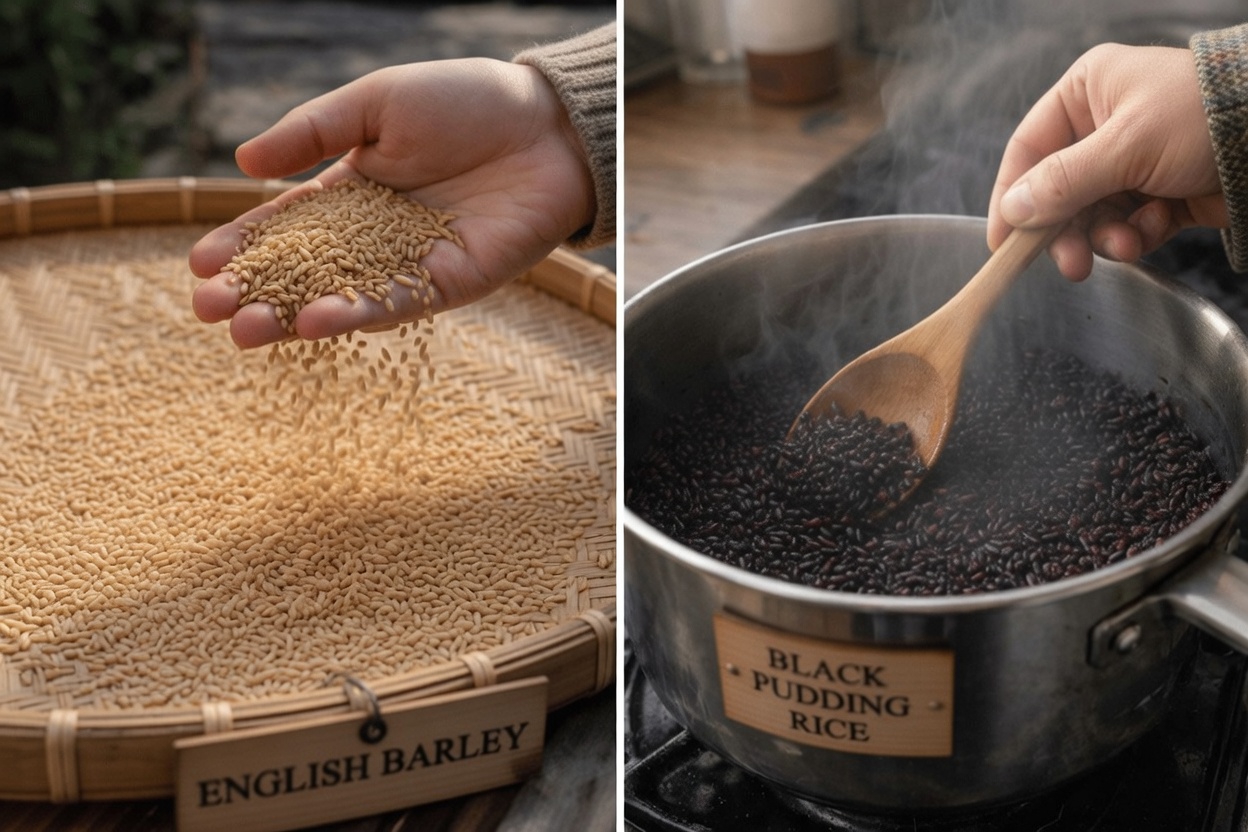
Black rice, often called forbidden rice, stands out because of its dark purple-black color. That rich shade comes from anthocyanins, the same antioxidant compounds found in foods such as blueberries.
Antioxidants help defend cells against oxidative stress. Because oxidative stress is linked to many chronic health issues, including conditions that may affect the kidneys, antioxidant-rich foods are often encouraged as part of a varied and balanced diet.
Key Nutritional Benefits
- High in plant antioxidants
- Contains fiber
- Naturally gluten-free
Food science research has found that pigmented rice varieties tend to show stronger antioxidant activity than white rice. This does not mean black rice can heal kidney damage, but it may contribute to overall cellular health when eaten as part of a healthy diet.
Easy Ways to Use Black Rice
Black rice has a pleasant texture and nutty flavor. It works especially well in:
- Grain bowls with roasted vegetables
- Light salads with lemon juice and herbs
- Simple side dishes served with steamed fish
You can also mix black rice with white rice to create a more balanced texture, milder flavor, and greater nutritional variety.
A Quick Comparison of the Three Types
| Type of Rice | Fiber | Antioxidants | Mineral Content | Best For |
|---|---|---|---|---|
| White Rice | Low | Low | Lower potassium and phosphorus | Easy digestion |
| Brown Rice | Moderate | Moderate | Higher in minerals | Fiber support |
| Black Rice | Moderate | High | Moderate | Antioxidant support |
The best option depends on your health priorities, your tolerance, and any medical advice you are following.
How to Make Rice More Kidney-Conscious
Knowing which rice to choose is only part of the picture. The way you prepare and serve it matters too.
1. Keep Portions Reasonable
Moderate servings are important. Overeating carbohydrates may contribute to weight gain and unstable blood sugar, both of which can affect kidney health over time.
2. Cut Back on Sodium During Cooking
Skip high-sodium seasoning mixes. Instead, build flavor with:
- Garlic
- Fresh herbs
- Lemon juice
- Olive oil
Lower sodium intake is strongly linked to healthier blood pressure levels, and blood pressure has a direct connection to kidney function.
3. Build a Balanced Plate
A simple structure can make meals more supportive and sustainable:
- Half the plate: vegetables
- One-quarter: rice
- One-quarter: lean protein
This kind of balance helps support energy, blood sugar control, and overall metabolic stability.
4. Pay Attention to Hydration
Adequate hydration helps the kidneys perform their filtering role more efficiently. However, fluid needs vary from person to person. If you have kidney disease or another condition that requires fluid restriction, always follow medical advice.
What Rice Cannot Do
It is important to be realistic. Rice does not dramatically cleanse the body overnight or “flush toxins” in the way many trendy diets claim. Your kidneys remove waste through highly complex natural processes, and no single food can replace proper medical treatment or reverse existing damage.
Still, thoughtful daily food choices can help reduce dietary burden and support overall health.
That is the real takeaway: there is no single miracle grain. Long-term wellness comes from consistent habits that work gently in your favor over time.
Supporting Kidney Health Beyond Rice
Rice is most useful when it is part of a broader healthy lifestyle. To better support kidney wellness, focus on habits such as:
- Keeping blood pressure in a healthy range
- Monitoring blood sugar levels
- Limiting heavily processed foods
- Staying physically active
- Scheduling regular medical checkups
Major health organizations consistently show that long-term lifestyle patterns have a much greater impact on kidney function than any one individual food.
In other words, rice can be a helpful part of the plan, but it is not the whole plan.
Final Thoughts
Choosing the right rice can be a simple yet meaningful step toward a kidney-friendly eating routine.
- White rice is gentle, easy to digest, and lower in certain minerals.
- Brown rice offers fiber and more sustained energy.
- Black rice adds antioxidant benefits and nutritional variety.
The strongest strategy is not an extreme detox or a restrictive food rule. It is a balanced, sustainable approach built on smart portions, lower sodium choices, and steady daily habits.
When you make food decisions with awareness instead of fear, you create a foundation for better long-term health.