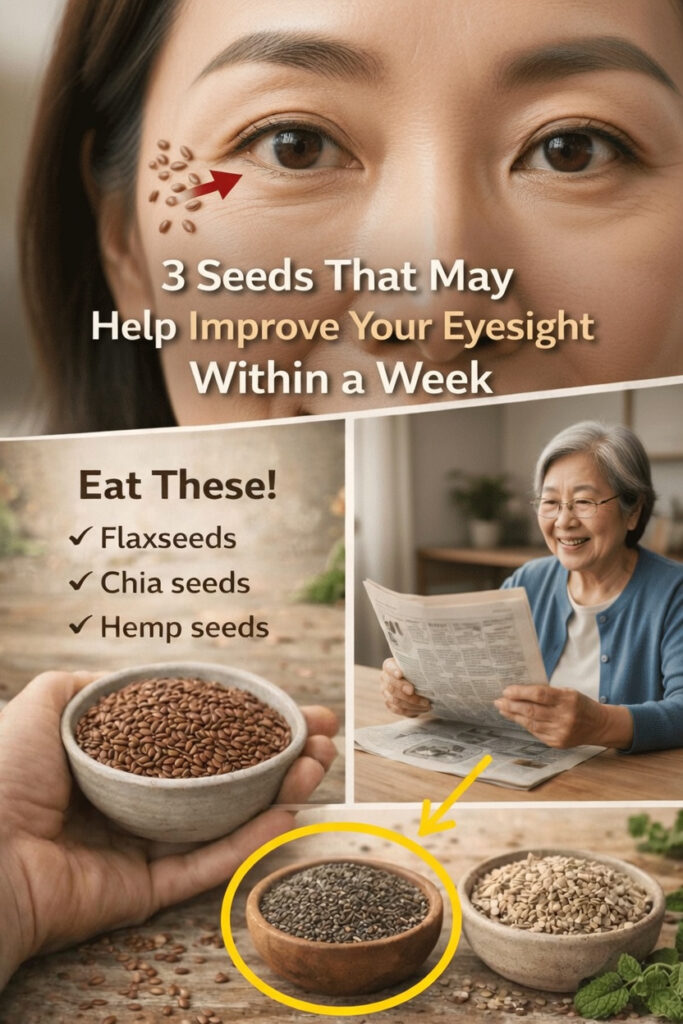
3 Powerful Seeds That May Support Eye Health Naturally
As we age, changes in vision are common. You may notice occasional dryness, mild discomfort after long hours on a computer, or trouble focusing on close-up tasks by the end of the day. Even small shifts like these can affect reading, driving, and the way we take in the world around us. It is no surprise that many people begin looking for simple ways to support everyday eye comfort.
One practical place to start is with food. Nutrient-dense everyday ingredients can help support overall eye wellness when included in a balanced lifestyle. Surprisingly, three of the smallest foods in your kitchen may offer meaningful benefits.
Why Flax, Chia, and Hemp Seeds Matter for Eye Wellness
You have probably seen these seeds labeled as superfoods, but they deserve special attention for eye support. Flaxseeds, chia seeds, and hemp seeds are rich in omega-3 fatty acids, antioxidants, and other beneficial nutrients that may help maintain comfortable vision over time.
Their biggest advantage is not just their nutrition profile. These seeds are also easy to use. You can mix them into foods you already enjoy without relying on expensive supplements or complicated health routines.
Research has highlighted the value of omega-3 fats, especially the plant-based type known as alpha-linolenic acid, or ALA. This nutrient is linked to support for eye tissue health, everyday inflammatory balance, and the oily layer of the tear film that helps keep eyes moist. In a modern lifestyle filled with screen time, indoor air, and environmental stressors, that kind of support can be especially useful.
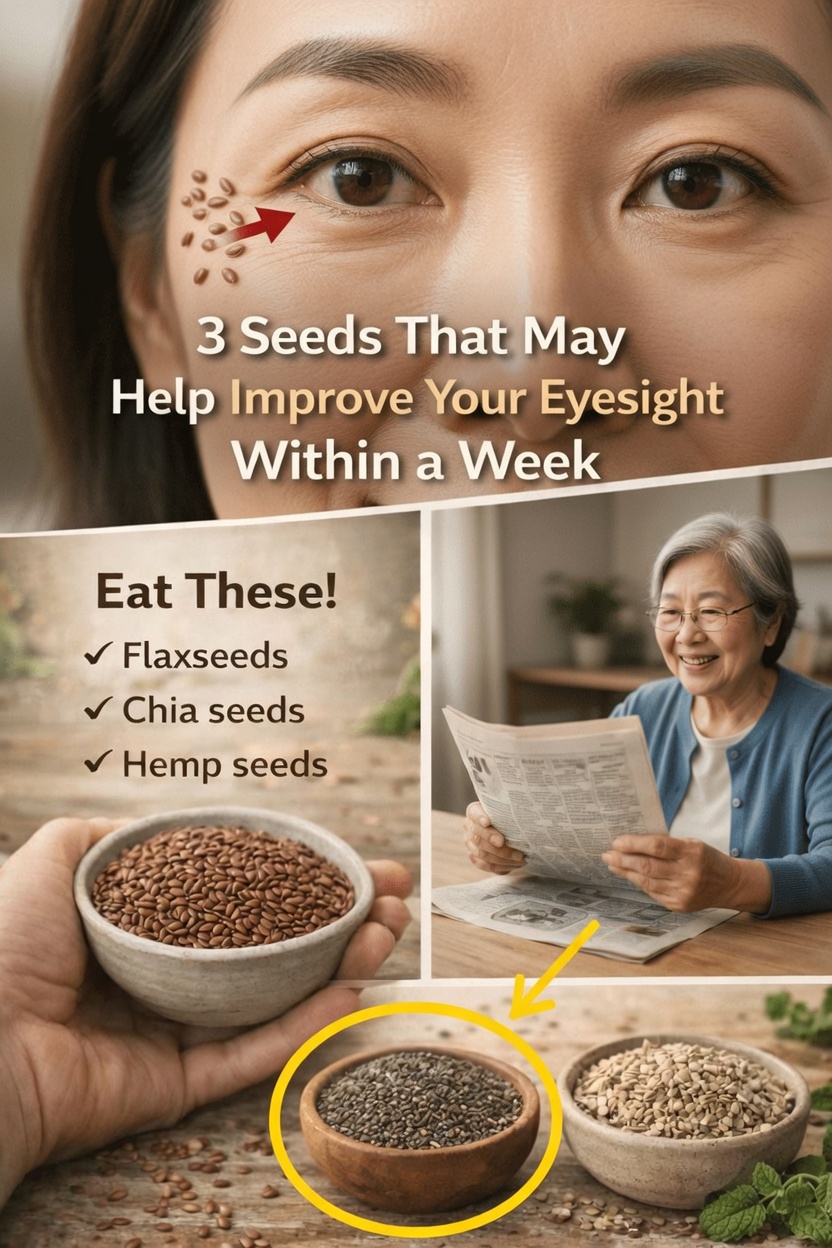
Each of these three seeds brings something slightly different, which is why they work so well together.
Flaxseeds: A Leading Plant Source of Omega-3s
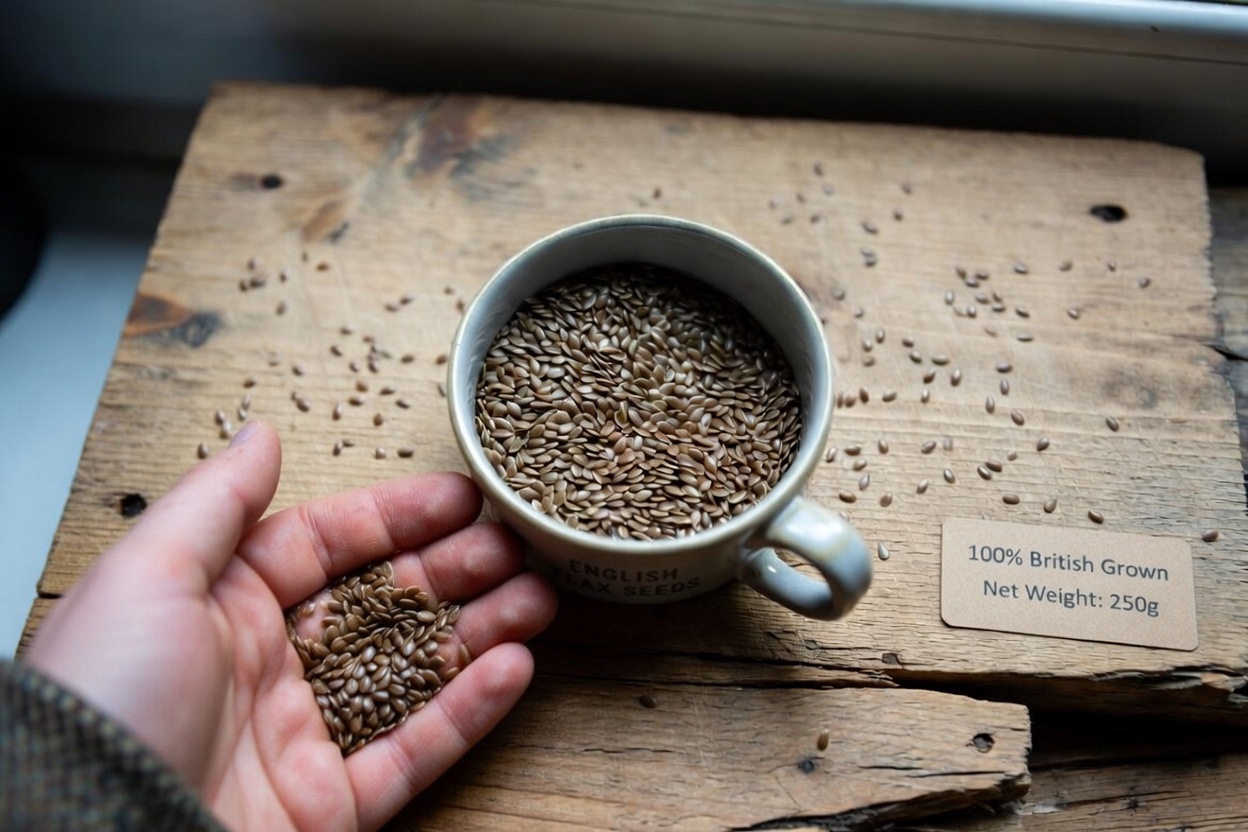
Flaxseeds have been part of traditional diets for generations, and modern nutrition research helps explain their appeal. They are among the richest plant sources of ALA omega-3 fatty acids, which the body can partially convert into forms used to support retinal health and tear film function.
Flaxseeds also contain lignans, plant compounds known for their antioxidant activity. These antioxidants may help protect sensitive eye tissues from the oxidative stress that builds up through normal daily exposure.
Adding flaxseeds to your routine is easy. Ground flax is the best option because it is more digestible than whole seeds, allowing your body to absorb more of its nutrients. A tablespoon stirred into yogurt, oatmeal, or a smoothie adds a mild nutty flavor and fits naturally into breakfast or snacks.
Chia Seeds: Small in Size, Big on Hydration Support
Chia seeds may look modest, but they are packed with nutrients that can benefit overall wellness, including eye comfort. Like flax, chia seeds provide ALA omega-3s, along with fiber and important minerals such as magnesium. These nutrients are often associated with hydration balance and everyday body function.
One reason chia stands out is its ability to absorb liquid and form a gel-like texture. For people focusing on hydration-friendly foods, this can be a useful addition to the diet.
Here is where chia becomes especially convenient. When soaked in milk or water, the seeds create a pudding-like consistency that works well in overnight oats, breakfast bowls, or even sauces. Just one or two tablespoons a day can add helpful nutritional support without requiring major recipe changes.
Some studies suggest that regular intake of plant omega-3s, including those found in chia, may help reduce feelings of eye fatigue over time, especially in people with high screen exposure.
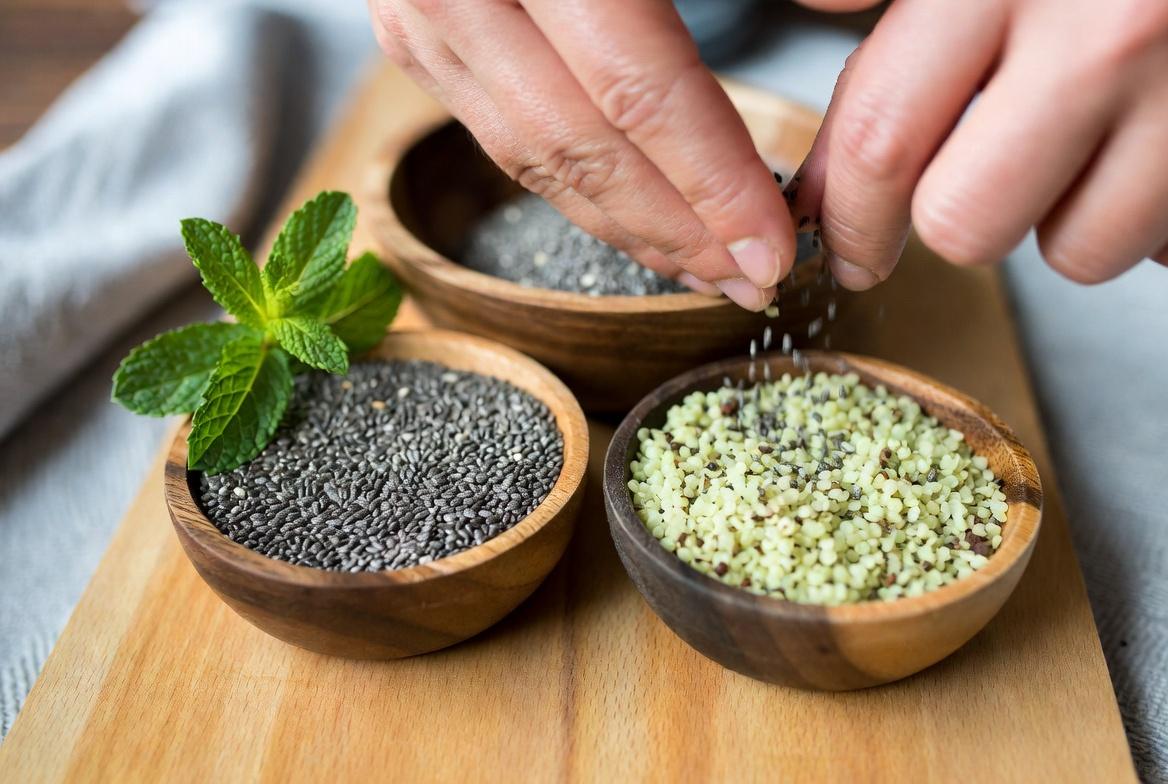
Hemp Seeds: Balanced Fats With Extra Protein
Hemp seeds complete this trio with a well-balanced mix of omega-3 and omega-6 fatty acids. They also provide protein, magnesium, zinc, and other minerals that support tissue maintenance and general wellness.
Unlike some seeds with a stronger flavor, hemp seeds have a mild, pleasant nuttiness that works in both sweet and savory meals. Research suggests that maintaining a healthy fatty acid balance may support circulation, including vascular health in the eyes, which becomes increasingly important with age.
Hemp seeds are also very easy to use because they are often sold shelled and ready to eat. You can sprinkle them over salads, blend them into smoothies, or use them as a topping for toast, grain bowls, or fruit. When blended, they create a creamy texture that also makes them excellent in homemade dressings and sauces.
Quick Nutritional Comparison
Here is a simple look at what each seed brings to the table in a typical serving:
- Flaxseeds (1 tablespoon, ground): Rich in ALA omega-3s, lignans, and fiber for antioxidant support and moisture balance
- Chia seeds (1 tablespoon): High in ALA, plus calcium and gel-forming fiber that may support hydration
- Hemp seeds (1 tablespoon): Balanced omega-3 to omega-6 ratio, along with protein, magnesium, and zinc for tissue support
Using all three in rotation, or even combining them in the same day, gives you a broader nutritional range. That variety can help keep meals interesting and make healthy habits easier to maintain.
Easy Ways to Add These Seeds to Your Daily Routine
If you want to start using these seeds regularly, the best approach is to keep it simple. Small changes are easier to repeat, and consistency matters most.
Try these ideas:
- Add ground flaxseed in the morning by mixing one tablespoon into yogurt, oatmeal, smoothies, or even warm drinks for a light nutty flavor.
- Make chia pudding the night before using two tablespoons of chia seeds with your preferred milk and some fruit for a ready-to-eat breakfast.
- Sprinkle hemp seeds over lunch or dinner to boost protein and healthy fats in salads, grain bowls, soups, or avocado toast.
A few practical tips can help you get the most from them:
- Store seeds in the refrigerator or freezer to preserve freshness
- Grind flaxseeds in small batches each week for better nutrient availability
- Pair them with vitamin C-rich foods like berries or citrus as part of a nutrient-dense meal
- Increase intake gradually if you are not used to high-fiber foods
- Drink enough water, especially when eating chia and flax regularly
The Science Behind Omega-3s and Eye Support
There is a reason omega-3 fats appear so often in conversations about eye health. The retina and related structures rely on these fats for normal function. Multiple studies have examined the connection between adequate omega-3 intake and better tear quality, along with less occasional dryness, especially in people who spend long hours in front of screens.
The antioxidants found in flax, chia, and hemp seeds offer another layer of support. They help neutralize free radicals created through ordinary environmental exposure, daily stress, and aging. This is not about instant transformation. Instead, it is about gentle, steady nutritional support that fits into everyday life.
Health professionals often encourage whole-food sources of nutrients because they provide a more natural nutritional package. In addition to healthy fats, these seeds also supply fiber, minerals, and protein.
Common Questions About These Seeds and Eye Health
How much should I eat each day?
A common guideline is about one to two tablespoons total per day, divided between meals. If you are new to fiber-rich foods, start with a smaller amount and increase gradually.
Can I eat flax, chia, and hemp on the same day?
Yes. You can rotate them or use them together. Combining them may give you a wider range of nutrients while keeping meals enjoyable and varied.
Are there any precautions?
These seeds are generally well tolerated, but if you have a medical condition or take medications, it is best to speak with your healthcare provider before making major dietary changes. Choose fresh, high-quality products, and remember to stay hydrated.
Final Thoughts
Flaxseeds, chia seeds, and hemp seeds offer a simple, food-first way to support eye wellness as part of a healthy lifestyle. They provide plant-based omega-3s, antioxidants, fiber, minerals, and protein in a form that is easy to add to everyday meals.
The real strength of these seeds lies in their practicality. You do not need a complicated plan to benefit from them. A spoonful in your breakfast, smoothie, salad, or snack can become a small daily habit that supports long-term comfort and overall wellness.
When it comes to caring for your eyes, simple choices repeated consistently often matter more than dramatic changes. These three seeds are an easy place to begin.