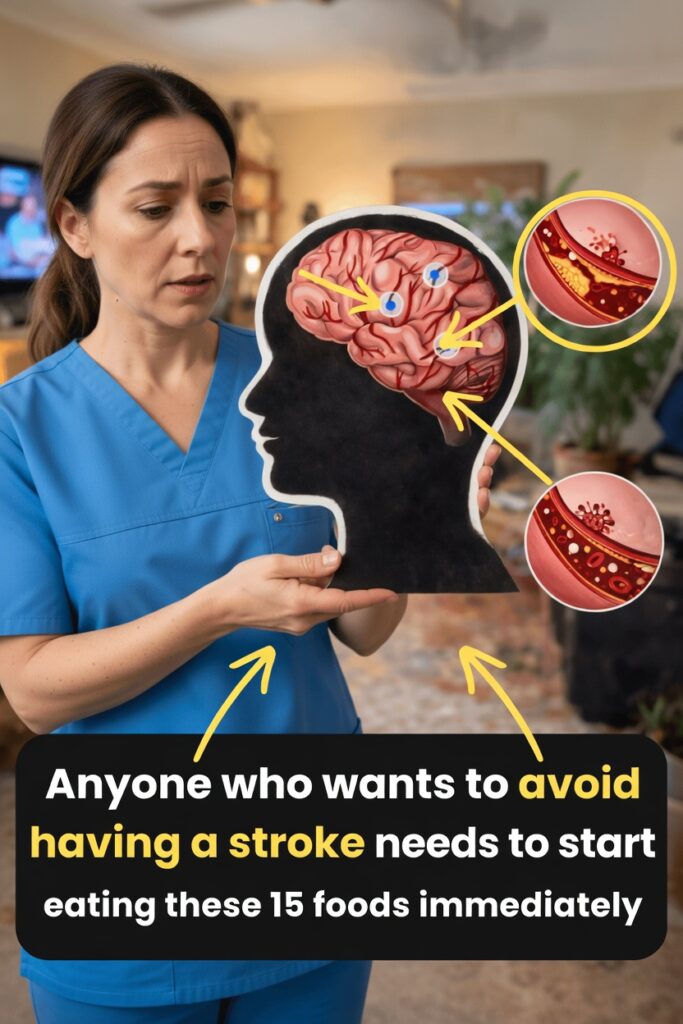
Everyday Foods That May Help Lower Stroke Risk
Stroke is still one of the major causes of long-term disability worldwide. It often happens suddenly, yet the underlying issues—high blood pressure, high LDL cholesterol, chronic inflammation, and damaged blood vessels—usually develop quietly over many years.
The encouraging news: what you put on your plate every day can support healthier blood vessels and may help manage these key stroke risk factors. Eating styles such as the Mediterranean diet and the DASH diet, which emphasize whole, minimally processed foods, are consistently linked with better heart and brain vessel health.
Even more reassuring, you don’t have to completely overhaul your lifestyle. Small, steady shifts toward nutrient-rich whole foods can fit into your existing routine and still make a difference.
In this guide, you’ll find 15 practical foods highlighted in observational research and review studies, why they matter for vascular health, and simple ideas to use them today. At the end, you’ll see how they can all come together in a straightforward daily framework.
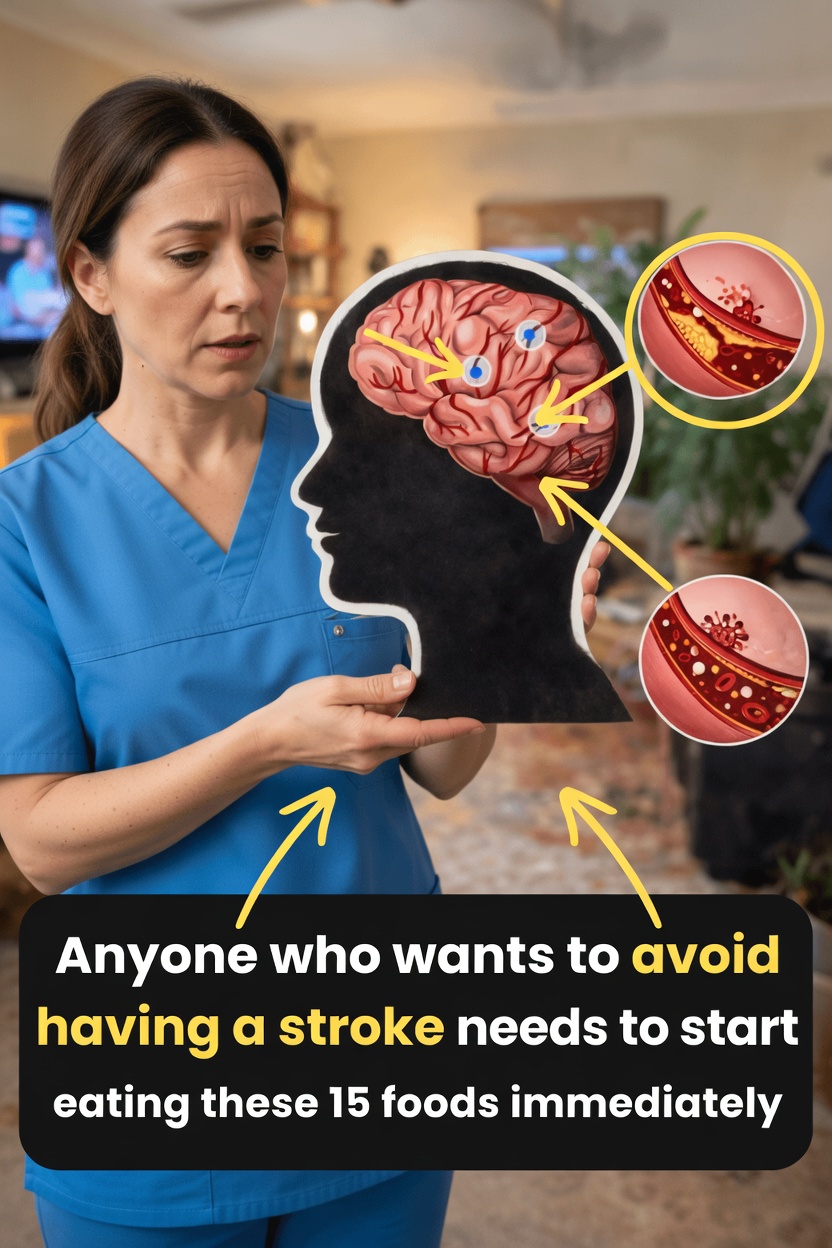
Why What You Eat Matters for Stroke-Related Factors
A significant portion of strokes is associated with modifiable risks such as hypertension, elevated LDL cholesterol, and metabolic issues. Large population studies and meta-analyses indicate that diets rich in:
- Fruits
- Vegetables
- Whole grains
- Nuts and seeds
- Healthy fats (like olive oil and fatty fish)
are linked with lower rates of stroke and improved cardiovascular outcomes.
Several mechanisms explain this:
- Potassium-rich foods help counterbalance sodium and support healthy blood pressure.
- Soluble and insoluble fiber from plant foods assist with cholesterol control and blood sugar regulation.
- Antioxidants and anti-inflammatory compounds in plants and certain fats support healthier blood vessels and reduce oxidative stress.
You don’t need perfection to see benefits. Gradually layering elements of these evidence-backed patterns into your meals can be both realistic and impactful.
15 Foods Commonly Associated With Better Vascular Health
Below are 15 foods regularly mentioned in research for their nutrient profiles that support heart and brain blood vessel health.
1. Leafy Green Vegetables (Spinach, Kale, Swiss Chard)
Leafy greens are rich in nitrates, potassium, magnesium, and antioxidants. These nutrients support:
- Healthy blood flow
- More relaxed blood vessels
- Blood pressure regulation
Higher intake of leafy greens has been associated with favorable cardiovascular outcomes in multiple observational studies.
Easy ideas: Add spinach to omelets, blend kale into smoothies, or sauté Swiss chard with garlic and olive oil.
2. Berries (Blueberries, Strawberries, Blackberries)
Berries deliver high levels of flavonoids and antioxidant compounds. They may help:
- Reduce oxidative stress
- Support flexible, healthy blood vessels
Regular berry consumption has been linked with better vascular function and lower risk of certain cardiovascular events.
Easy ideas: Use berries as a topping for yogurt, oatmeal, or salads, or enjoy a small bowl as dessert.
3. Avocados
Avocados provide heart-supportive monounsaturated fats, fiber, and potassium. These nutrients are associated with:
- Improved lipid profiles
- Support for healthy blood pressure
- Better overall cardiovascular metrics in plant-forward diets
Easy ideas: Mash avocado on whole-grain toast, add to salads, or blend into smoothies.
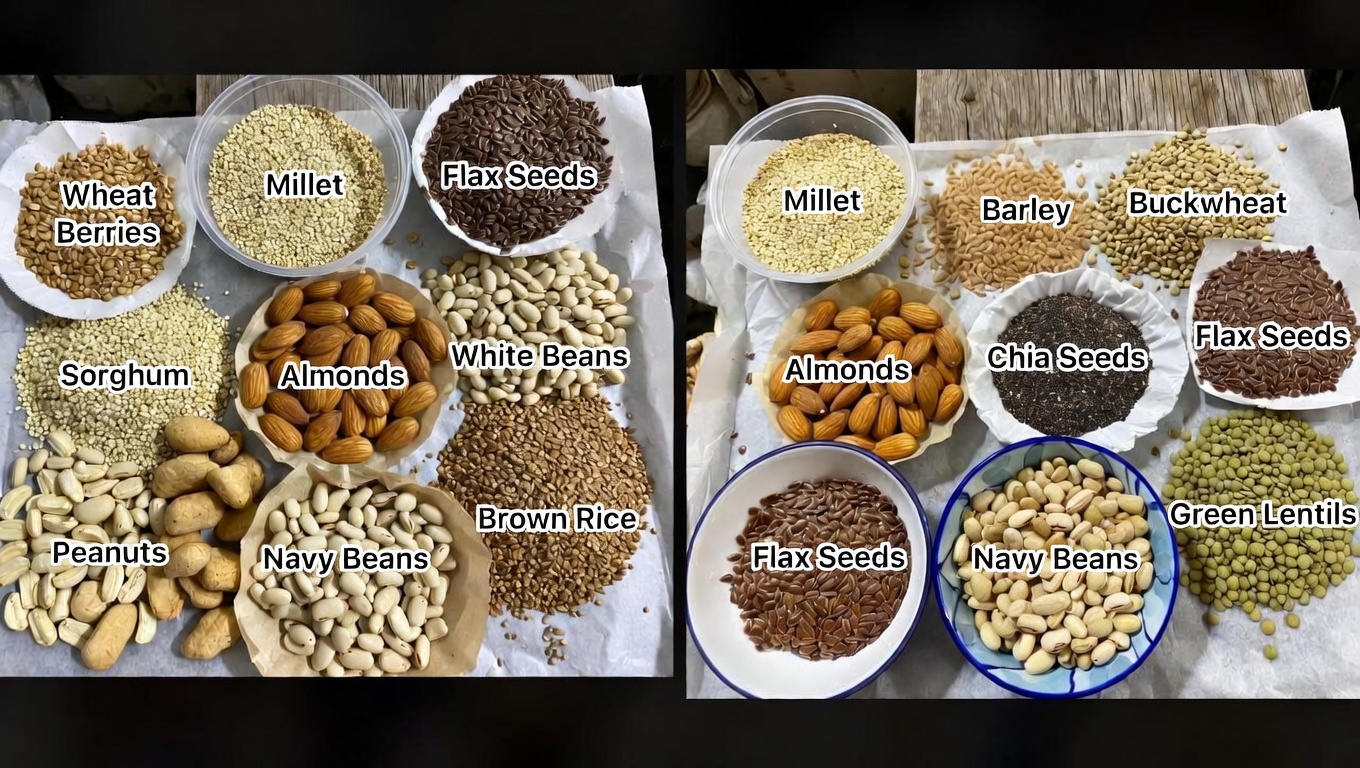
4. Nuts (Almonds, Walnuts, Peanuts)
A small handful of nuts offers healthy fats, fiber, and plant-based protein. Cohort studies suggest that regular nut intake, including peanuts, is associated with:
- Modestly lower stroke risk
- Better cholesterol and triglyceride levels
Easy ideas: Snack on a handful of unsalted nuts, sprinkle chopped nuts over oatmeal, or add them to stir-fries.
5. Fatty Fish (Salmon, Mackerel, Sardines)
Fatty fish are rich in omega-3 fatty acids, which may help:
- Reduce inflammation
- Lower triglycerides
- Support overall cardiovascular health
Many guidelines suggest aiming for at least two servings per week for heart protection.
Easy ideas: Grill salmon, add canned sardines to whole-grain crackers, or use mackerel in salads.
6. Whole Grains (Oats, Barley, Quinoa)
Whole grains contain fiber, vitamins, and minerals. Oats and barley, in particular, provide soluble fiber that can:
- Bind cholesterol in the digestive tract
- Help lower LDL cholesterol
People who regularly eat whole grains tend to show more favorable cardiometabolic profiles over time.
Easy ideas: Choose oatmeal for breakfast, use barley in soups, or swap refined grains for quinoa or brown rice.
7. Legumes (Beans, Lentils, Chickpeas)
Beans, lentils, and chickpeas are loaded with:
- Fiber
- Plant protein
- Potassium and magnesium
They support stable blood sugar levels and healthy blood pressure.
Easy ideas: Add beans to salads, enjoy lentil soup, or use hummus (made from chickpeas) as a spread or dip.
8. Extra Virgin Olive Oil
Extra virgin olive oil is a cornerstone of Mediterranean-style eating. It offers:
- Monounsaturated fats
- Polyphenols with antioxidant and anti-inflammatory properties
Clinical trials of Mediterranean-style diets using olive oil have found positive effects on cardiovascular and vascular outcomes.
Easy ideas: Use olive oil as your main cooking oil, drizzle over vegetables, or whisk into salad dressings.
9. Tomatoes
Tomatoes supply lycopene, vitamin C, and potassium. Lycopene, a powerful antioxidant, may help:
- Reduce oxidative damage
- Support healthier blood vessels
Easy ideas: Include fresh tomatoes in salads, use tomato-based sauces with minimal added salt, or snack on cherry tomatoes.
10. Sweet Potatoes
Sweet potatoes are a nutrient-dense source of:
- Potassium
- Fiber
- Beta-carotene
Their potassium content can help counteract sodium and support healthy blood pressure.
Easy ideas: Roast sweet potato wedges, mash them as a side dish, or add cubed sweet potato to stews.
11. Bananas
Bananas are convenient, naturally sweet, and rich in potassium. They support:
- Electrolyte balance
- Blood pressure regulation
Easy ideas: Slice bananas onto cereal or oatmeal, blend into smoothies, or pair with nut butter for a quick snack.
12. Dark Chocolate (70% Cocoa or Higher)
Dark chocolate with a high cocoa content provides flavonoids that may:
- Promote blood vessel relaxation
- Support healthy blood flow
Portion size matters—small amounts as part of an overall balanced diet are key.
Easy ideas: Enjoy a small square after meals or use grated dark chocolate as a topping for fruit.
13. Green Tea
Green tea contains catechins, plant compounds with antioxidant properties. Meta-analyses suggest that drinking around three or more cups per day is associated with:
- Favorable cardiovascular risk profiles
- Potential stroke risk reductions in some populations
Easy ideas: Replace sugary drinks with unsweetened green tea, hot or iced.
14. Garlic
Garlic contains compounds such as allicin that may:
- Support circulation
- Modestly help with blood pressure in some individuals
Using fresh garlic in cooking also adds flavor without relying heavily on salt.
Easy ideas: Sauté garlic in olive oil as a base for many dishes, or add minced garlic to dressings and marinades.
15. Citrus Fruits (Oranges, Grapefruits, etc.)
Citrus fruits are rich in:
- Vitamin C
- Flavonoids
- Hydrating fluids
These nutrients contribute to antioxidant defenses and overall vascular health.
Easy ideas: Eat an orange as a snack, add grapefruit segments to salads, or flavor water with citrus slices.
Quick Overview: Key Nutrient “All-Stars”
Understanding what each group brings to the table can help you plan more effectively:
-
High-Potassium Foods
→ Bananas, sweet potatoes, spinach, avocados
Help offset sodium and support healthier blood pressure. -
Fiber-Rich Choices
→ Oats, beans, berries, whole grains
Assist with cholesterol control and more stable blood sugar. -
Healthy Fat Sources
→ Nuts, olive oil, fatty fish, avocados
Promote better lipid profiles and support heart health. -
Antioxidant-Rich Options
→ Berries, dark chocolate, green tea, tomatoes
Help combat oxidative stress that can damage blood vessels.
Building your meals around a mix of these foods creates a synergistic effect that supports daily vascular wellness.
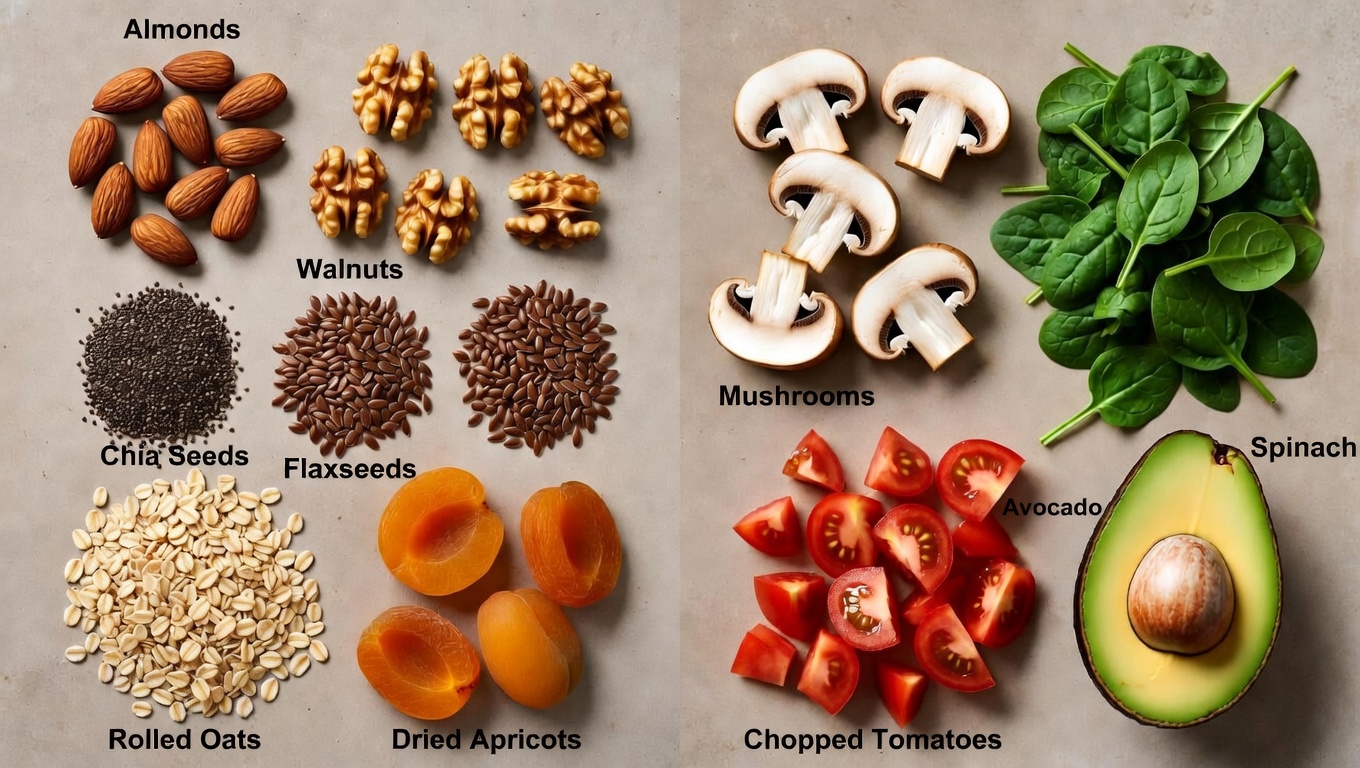
Simple Ways to Add These Foods Today
Starting small can make new habits easier to maintain long term:
-
Breakfast Boost
Top a bowl of oatmeal with berries, sliced banana, and a sprinkle of chopped walnuts. -
Lunch Upgrade
Build a salad with leafy greens, chickpeas or beans, and a drizzle of extra virgin olive oil. -
Smart Snacking
Choose a handful of almonds or spread mashed avocado on whole-grain toast. -
Balanced Dinner
Bake salmon with garlic, serve with roasted sweet potatoes and a side of steamed greens. -
Better Beverages
Swap sugary drinks for green tea or water infused with slices of citrus.
Aim for gradual, sustainable improvements. Consistency over time is far more beneficial than short bursts of perfection.
Putting It All Together: A Simple Daily Framework
Visualize a plate that follows heart- and brain-supportive principles:
- ½ the plate → Colorful vegetables and fruits
- ¼ the plate → Whole grains (like oats, brown rice, or quinoa)
- ¼ the plate → Lean proteins and/or healthy fats (fish, legumes, nuts, seeds, olive oil, avocado)
Enhance flavor with herbs, spices, garlic, and citrus instead of excessive salt, and drink mostly water or unsweetened tea throughout the day.
This approachable pattern closely reflects eating styles that large studies associate with lower stroke risk and better long-term vascular health.
Frequently Asked Questions
How much of these foods should I eat each day?
Use flexible targets rather than strict rules. A practical goal is:
- At least 5 servings of fruits and vegetables daily
- Whole grains at most meals
- About one small handful of nuts most days
The overall variety and pattern matter more than hitting exact numbers every day.
Can these foods replace medication or my doctor’s advice?
No. While diet is a powerful tool for supporting vascular and overall health, it should complement—not replace:
- Medical guidance
- Prescribed medications
- Regular check-ups
- Physical activity
- Other lifestyle recommendations
Always work with your healthcare provider before making major changes, especially if you have existing conditions.
What if I have dietary restrictions?
Many of these foods are adaptable:
- Vegetarian or vegan diets can emphasize legumes, whole grains, nuts, seeds, fruits, and vegetables.
- People with allergies or specific medical conditions can often find alternatives within these categories.
For personalized guidance, consult a registered dietitian or healthcare professional.
Is it ever too late to start eating this way?
Evidence suggests benefits can appear at virtually any age. Improving your diet:
- Can support better blood pressure and cholesterol
- May enhance vascular health even later in life
Small, consistent changes—starting today—can contribute to better outcomes over time.