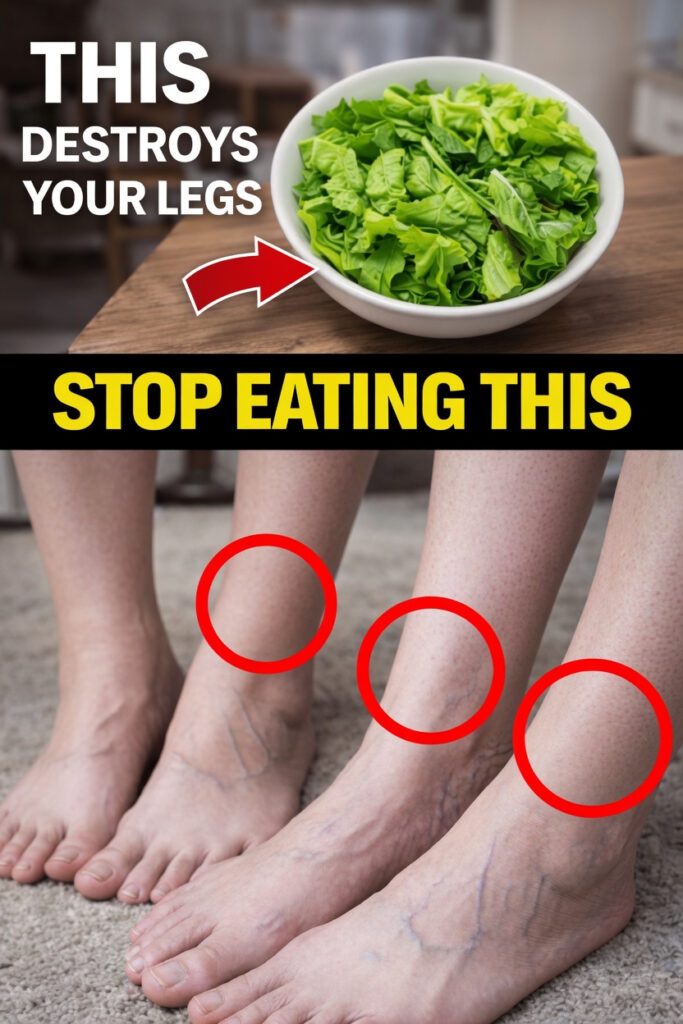
15 Everyday Foods That May Worsen Numbness and Tingling in Seniors’ Feet
Many older adults experience numbness and tingling in their feet that appears occasionally or gradually becomes more frequent. These sensations can make walking less comfortable, interrupt sleep, and reduce enjoyment of everyday moments with loved ones. The encouraging news is that diet may have a greater impact than many people expect.
This article covers 15 common foods that studies suggest may aggravate foot numbness and tingling, plus simple dietary strategies that may help improve daily comfort.
Why Diet Can Affect Foot Comfort in Older Adults
As the body ages, nerves and blood vessels often become more responsive to daily lifestyle habits, including food choices. What you eat can influence circulation, inflammation, blood sugar levels, and nutrient intake, all of which play a role in nerve function.
Research has linked certain eating patterns to a higher likelihood of tingling or numbness in the lower legs and feet. Since many of these foods are easy, familiar, and enjoyable, they often become regular parts of the diet without much thought. Recognizing them makes it easier to make smarter swaps that support nerve and circulatory health.
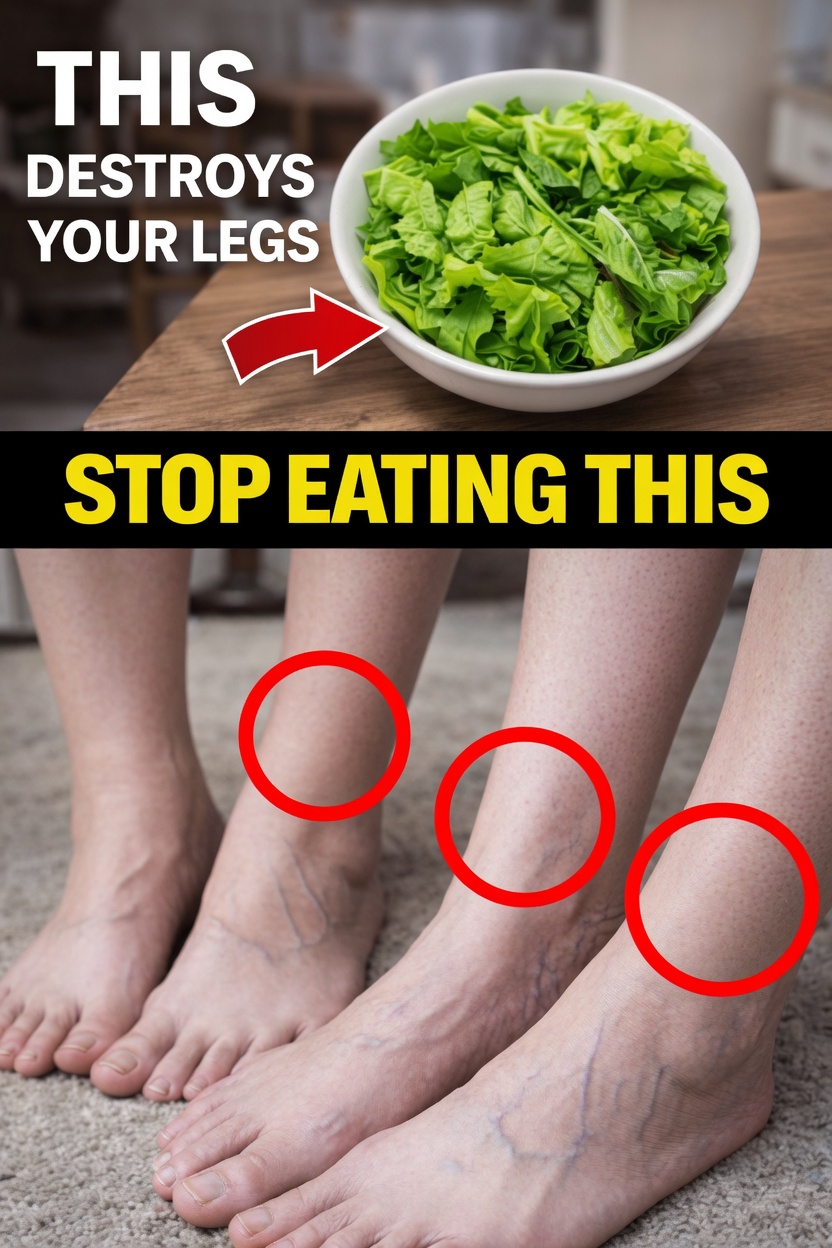
15 Foods That May Contribute to Foot Numbness and Tingling
Below are 15 foods and food categories that may make these symptoms more noticeable by affecting blood flow, inflammation, blood sugar balance, or nutrient absorption.
1. Sugary Drinks and Sweets
Soft drinks, sweetened coffee beverages, and candy can cause sharp rises in blood sugar. Over time, repeated spikes may place extra strain on the nerves. An occasional dessert is fine for many people, but reducing sugar intake may help lessen discomfort.
2. White Bread and Refined Grains
Foods such as white bread, white rice, and many pastries are quickly broken down by the body. This rapid digestion can lead to unstable blood sugar and energy fluctuations, which may negatively affect circulation and nerve support. Whole grains are usually a better option.
3. Processed Meats
Bacon, sausage, hot dogs, and deli meats are often high in sodium and preservatives. Too much salt may interfere with fluid balance and healthy blood flow, both of which matter when trying to keep feet comfortable.
4. Fried Foods
French fries, fried chicken, and other deep-fried meals tend to contain unhealthy fats. These fats may increase inflammation, which can make tingling or numbness feel worse.
5. Alcohol
Even moderate alcohol intake may affect nerve health over time. It can also reduce the body’s ability to use important B vitamins, which are essential for proper nerve function.
6. Too Much Salt
Excess sodium from canned soups, salty snacks, frozen meals, and restaurant foods may impair circulation. Better blood flow to the feet often starts with keeping salt consumption under control.
7. Artificial Sweeteners
Diet sodas and sugar-free products often contain artificial sweeteners that do not affect everyone the same way. Some people may notice that these ingredients seem to worsen how they feel. Paying attention to your body’s response can be helpful.
8. Full-Fat Dairy in Large Amounts
Items such as full-fat cheese, ice cream, and rich cream sauces may contribute to inflammation in some individuals, especially when eaten often or in large portions.
9. Large Portions of Red Meat
Protein is important, especially for older adults, but oversized servings of red meat may affect certain body processes tied to nerve comfort and inflammation. Portion size matters.
10. Packaged Snack Foods
Chips, crackers, cookies, and similar snacks often contain a combination of refined carbohydrates, sodium, and unhealthy fats. Together, these ingredients can work against better foot comfort.
Quick Food Swap Guide
To make the list easier to remember, here are a few common foods to limit and better everyday alternatives:
-
Foods to watch carefully:
- Sugary drinks
- White bread
- Fried foods
- Processed meats
-
Smarter swaps:
- Sparkling water with lemon instead of soda
- Whole grain bread instead of white bread
- Roasted or baked vegetables instead of fried sides
- Grilled chicken or fish instead of deli meats or sausage
11. Too Much Caffeine
Excess coffee, strong tea, or energy drinks may affect circulation and sleep. Since sleep and blood flow both support nerve health, too much caffeine may become a problem for some seniors.
12. Nightshade Vegetables for Sensitive Individuals
Tomatoes, potatoes, eggplant, and peppers are nutritious for many people, but some individuals report increased discomfort after eating them. This does not apply to everyone, but it may be worth observing if symptoms flare up.
13. Foods High in Added Sugar
Breakfast cereals, flavored yogurts, pastries, and packaged baked goods often contain hidden sugars. These can trigger blood sugar swings that may worsen nerve-related symptoms.
14. Trans Fats
Some baked goods, fast foods, and certain margarines contain trans fats. These fats are well known for their negative effect on inflammation and overall cardiovascular health.
15. Highly Processed Foods
Ultra-processed meals and ready-made packaged foods often contain additives while lacking important nutrients. A diet built around these products may not provide the support nerves need to function well.
Simple Diet Tips to Help Improve Foot Comfort
You do not need to change everything overnight. In many cases, gradual improvements are more realistic and easier to maintain. Here are some practical ways to begin:
- Keep a food journal for one week and write down how your feet feel each day.
- Replace one less helpful food with a better choice daily.
- Choose more colorful vegetables, whole grains, lean proteins, and healthy fats.
- Drink enough plain water throughout the day.
- Cook at home more often to control ingredients, salt, and portion sizes.
- Speak with a doctor or registered dietitian for advice tailored to your medical needs.
A simple example is replacing soda with herbal tea or water, or changing from white toast to whole grain bread.
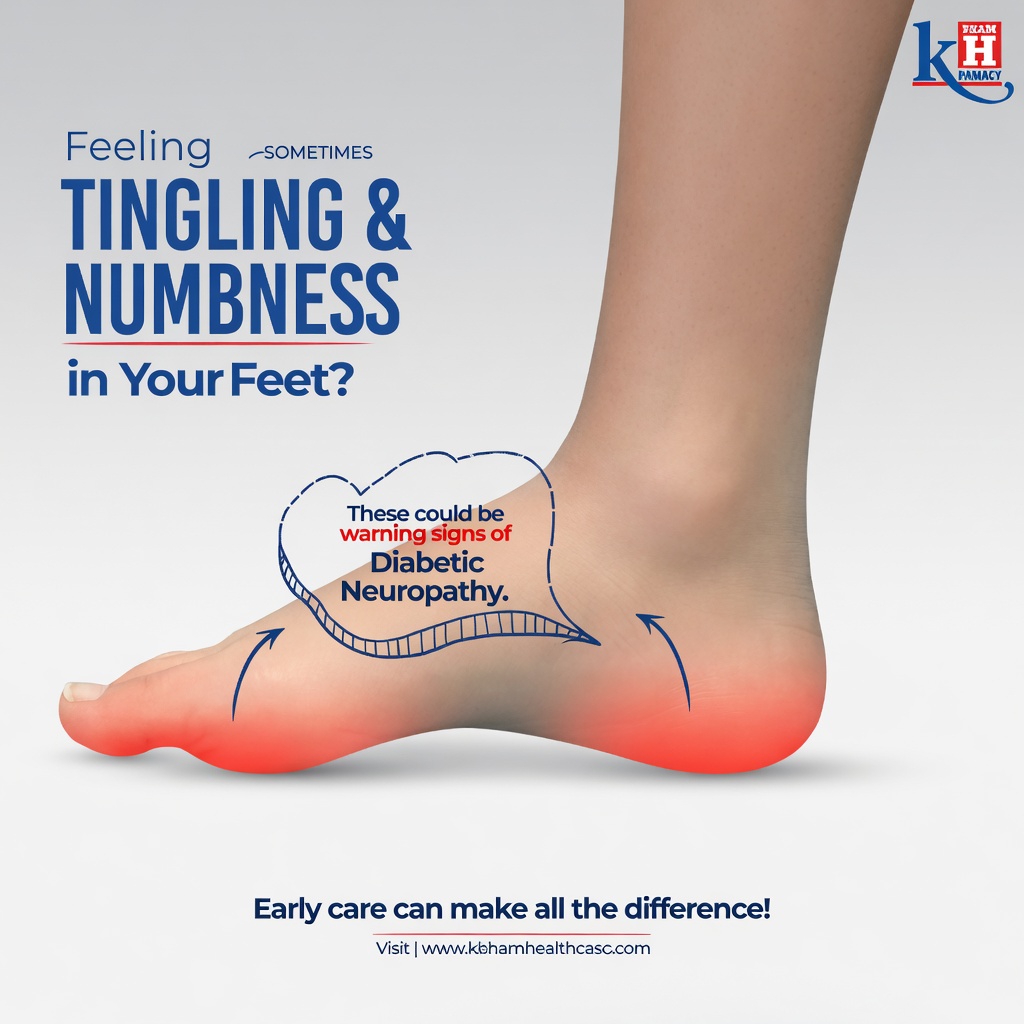
Other Lifestyle Habits That May Support Better Foot Health
Food is important, but it often works best when combined with other healthy habits. Seniors may also benefit from:
- Gentle walking to encourage circulation
- Chair-based exercises if standing is difficult
- Comfortable shoes that fit properly
- Elevating the feet during rest
- Following a regular sleep schedule
These small daily actions can work together to support comfort and mobility.
What Research Shows
Studies continue to suggest that balanced diets rich in whole foods may support better nerve function and circulation as people age. Medical research has identified connections between certain food habits and more frequent reports of tingling or numbness in the feet and legs.
Although each person responds differently, healthcare professionals widely recommend eating more nutrient-dense foods and limiting highly processed, high-sugar, and high-fat items whenever possible.
Frequently Asked Questions
Can diet changes really help numbness and tingling in the feet?
For many people, consistent improvements in eating habits may lead to better comfort over time. Results vary depending on overall health, medical conditions, and other lifestyle factors.
Do I need to completely avoid all 15 foods?
Not usually. A balanced approach is often easier to maintain long term. Start by reducing the foods that seem to affect you the most.
What foods are better choices for nerve and circulation support?
Helpful options may include:
- Leafy greens
- Berries
- Fatty fish
- Nuts and seeds
- Whole grains
- Olive oil
- Lean proteins
These foods supply vitamins, minerals, and healthy fats that support nerve and blood vessel health.
Final Thoughts
For seniors, making better food choices can be one of the most effective ways to support comfort and quality of life. By becoming aware of these 15 common foods and choosing healthier alternatives where possible, you may help your body better manage daily movement, rest, and overall well-being.
Even small steps can make a meaningful difference.