
15 Early Signs Your Kidneys May Need More Attention
Many people move through their routines without realizing their kidneys could be under quiet stress. These essential organs remove waste from the blood, maintain fluid balance, and support healthy blood pressure. When kidney function begins to decline, the body often shows small warning signs before a major problem develops. If these clues are overlooked, the condition may gradually worsen and lead to greater discomfort or health complications.
The encouraging part is that noticing these changes early can help you take action. A few practical lifestyle improvements, along with advice from a healthcare professional, may make a meaningful difference.
In this guide, we’ll cover 15 common early signs that may suggest your kidneys need support. Stay until the end for simple daily habits that can help protect kidney health.
Why Your Kidneys Are More Important Than Most People Realize
Your kidneys work quietly in the background every day, filtering roughly 200 liters of blood to remove toxins and keep your body in balance. According to organizations such as the National Kidney Foundation, many adults have risk factors for kidney disease, yet early symptoms are often mistaken for stress, poor sleep, aging, or temporary diet changes.
When the kidneys are under ongoing strain, the body may respond with subtle shifts in energy, appearance, sleep, and bathroom habits. These warning signs usually do not appear in isolation. More often, it is the combination of several changes that signals it is time to pay attention.
1. Ongoing Fatigue and Low Energy
One of the most common early warning signs is feeling unusually tired, even after getting enough sleep. When the kidneys do not filter blood effectively, waste can build up in the body, leaving you feeling weak, sluggish, and mentally drained. Reduced kidney function may also affect erythropoietin production, a hormone involved in making red blood cells that carry oxygen.
You may notice this as poor concentration, low motivation, or a constant need to rest without truly feeling refreshed.
2. Changes in Urination Habits
Bathroom patterns can reveal a lot about kidney health. You might need to urinate more often than usual, especially during the night, or you may notice the opposite and go less frequently. Some people also experience urgency, difficulty starting, or a weaker stream.
These changes can happen when the kidneys have trouble concentrating urine properly.
3. Foamy or Bubbly Urine
Urine that repeatedly looks foamy or unusually bubbly may be a sign of protein leaking into the urine. This can happen when the kidneys’ filtering units are damaged. While not everyone notices this sign right away, persistent foam is worth paying attention to.
Because it can seem minor, many people ignore it until it starts happening regularly.

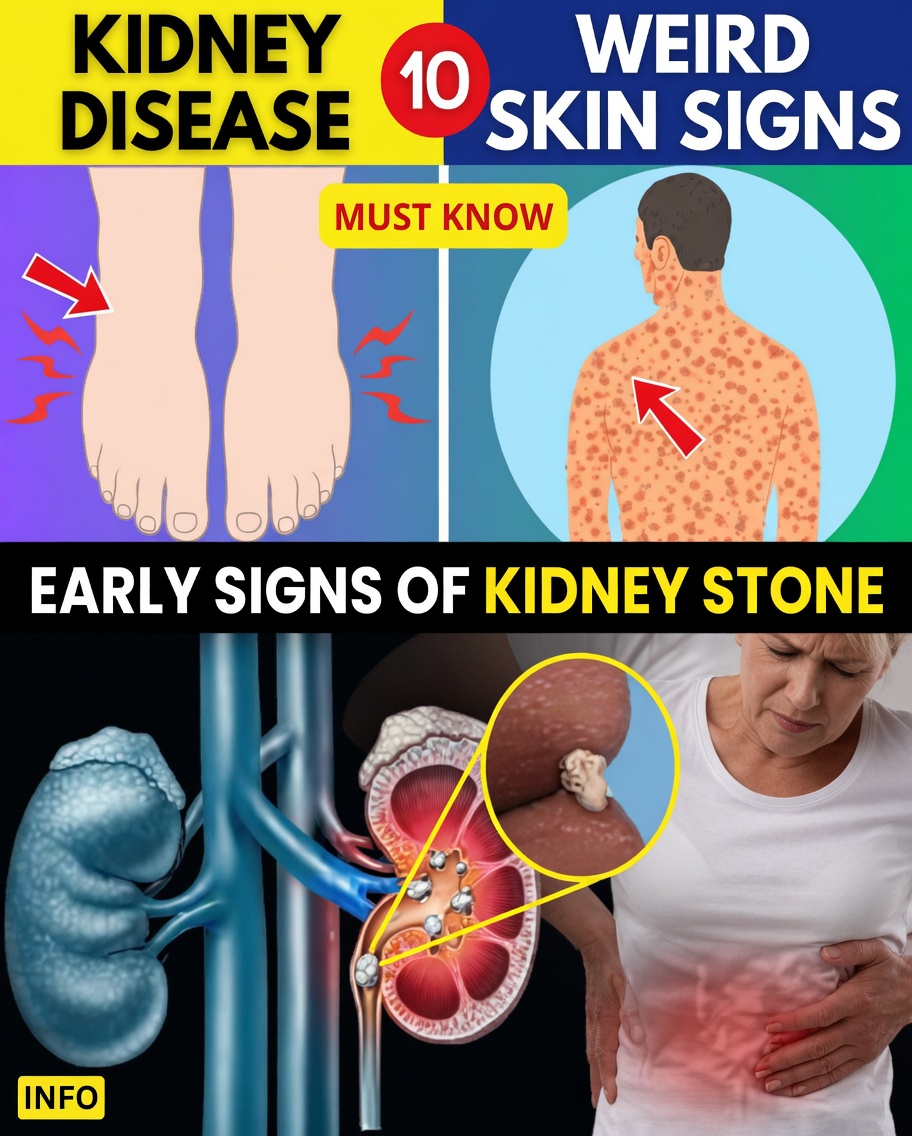
4. Swelling in the Feet, Ankles, Hands, or Face
When the kidneys struggle to remove excess sodium and water, fluid can build up in the body. This often causes swelling in the lower legs, ankles, feet, hands, or around the eyes.
You may see deeper sock marks than usual, tighter rings, or puffiness in the face when you wake up.
5. Dry or Itchy Skin
Persistent itching without a visible rash may be linked to kidney-related mineral imbalances. As toxins accumulate in the body, the skin can become dry, irritated, or uncomfortable.
This symptom often affects the arms, legs, or back and may become more noticeable at night.
6. Shortness of Breath
If you become winded during light activity, kidney strain could be a contributing factor. This may happen because fluid builds up around the lungs or because anemia develops as kidney function declines.
When shortness of breath appears without an obvious explanation, it should not be ignored.
7. Muscle Cramps and Twitching
Frequent cramping, especially in the legs at night, can be related to electrolyte imbalances such as low calcium or high phosphorus. As the body tries to adjust, the muscles may react with tightness, twitching, or sudden cramps.
Temporary relief from stretching is common, but recurring cramps deserve attention.
8. Loss of Appetite and a Metallic Taste
A reduced interest in food can be another early clue. Some people also notice a metallic or ammonia-like taste in the mouth as waste products build up in the bloodstream.
Foods you normally enjoy may suddenly seem unpleasant, and over time this can contribute to unplanned weight loss.
9. Sleep Problems
Although kidney-related fatigue can leave you exhausted during the day, restful sleep at night may become harder. Toxin buildup can interfere with normal sleep cycles, and frequent nighttime urination can also disrupt rest.
It is common for people to feel tired all day yet still struggle to sleep well.
10. High Blood Pressure That Becomes Harder to Manage
The kidneys play a major role in blood pressure regulation. When they are not functioning properly, blood pressure can rise or become more difficult to control, even if you are already trying to manage it.
Checking your blood pressure regularly can help you notice this pattern early.
11. Nausea or Occasional Vomiting
Mild nausea, especially in the morning, can be another sign that waste is accumulating in the body. Digestive discomfort may begin subtly, then become more persistent over time.
Even if it seems minor at first, repeated nausea should not be dismissed.

12. Puffiness Around the Eyes
Swelling around the eyes, especially in the morning, is a classic sign linked to fluid retention and possible protein loss in the urine. This puffiness may improve as the day goes on, but it often returns regularly.
Because the skin under the eyes is delicate, this change can be easy to notice.
13. Dark or Cloudy Urine
Urine color naturally varies, but consistently dark or cloudy urine may indicate a kidney-related problem. It can reflect changes in concentration or other underlying issues.
Hydration matters, of course, but if the change continues despite drinking enough fluids, it is worth investigating.
14. Discomfort in the Back or Side
A dull ache in the lower back or along the sides of the body, where the kidneys are located, can sometimes occur. It is not always sharp pain and may feel more like steady pressure or ongoing discomfort.
Unlike typical muscle soreness, it may not improve with rest or stretching.
15. Brain Fog and Difficulty Concentrating
When toxins are not removed efficiently, mental clarity can suffer. Some people experience forgetfulness, trouble focusing, or a general sense of being mentally “off.”
This often feels like a lingering haze that makes even simple tasks harder than usual.
Quick Comparison: Normal Changes vs. Possible Kidney-Related Symptoms
Here is a simple way to compare healthy patterns with warning signs that may point to kidney stress:
-
Energy
- Normal: You feel more refreshed after rest
- Possible concern: You stay tired even after sleeping well
-
Urine
- Normal: Usually clear or pale yellow
- Possible concern: Foamy, dark, cloudy, or bloody
-
Swelling
- Normal: Mild and temporary after salty meals
- Possible concern: Ongoing puffiness in the face, hands, feet, or ankles
-
Skin
- Normal: Comfortable and balanced
- Possible concern: Persistent dryness or itchiness
Looking at these patterns together can make early warning signs easier to identify.
Simple Daily Habits That Support Kidney Health
If you want to take better care of your kidneys, these practical habits are a strong place to start:
- Drink enough water throughout the day
- Use urine color as a rough guide, aiming for a light or clear appearance
- Reduce processed foods that are high in sodium
- Eat more fresh fruits and vegetables when appropriate for your health needs
- Keep blood sugar and blood pressure under control
- Stay physically active with regular movement
- Avoid smoking
- Limit alcohol intake
- Schedule routine check-ups, including blood and urine testing when recommended
But there is one frequently overlooked strategy that can gently support kidney function in everyday life.
An Often-Missed Way to Help Your Kidneys
Choosing anti-inflammatory foods and adding mindful movement to your routine can help reduce stress on the body. Many people benefit from short walks after meals and a diet built around whole foods instead of highly processed options.
Another surprisingly helpful habit is sticking to a consistent sleep schedule. Quality sleep gives the body time to recover overnight, and that includes your kidneys.
Conclusion
Paying attention to these 15 early signs can help you take a more proactive approach to your health. The kidneys are remarkably resilient, and early action often leads to better outcomes. Small lifestyle changes, combined with medical guidance, can go a long way.
Listen to your body, notice patterns, and do not ignore symptoms that persist. If something feels unusual, speaking with a healthcare provider is the safest next step.
FAQ
What is the earliest sign of kidney problems?
Early signs often include fatigue, changes in urination, or foamy urine. However, some people have no obvious symptoms at first, which is why routine testing is so important.
Can lifestyle changes improve kidney health?
Yes. Staying hydrated, eating balanced meals with less excess salt, being physically active, and managing conditions such as diabetes or high blood pressure can all support kidney function.
When should I see a doctor?
If several of these signs last for weeks, become more noticeable, or start getting worse, it is a good idea to consult a healthcare professional. Tests such as blood work and urinalysis can help identify the cause.