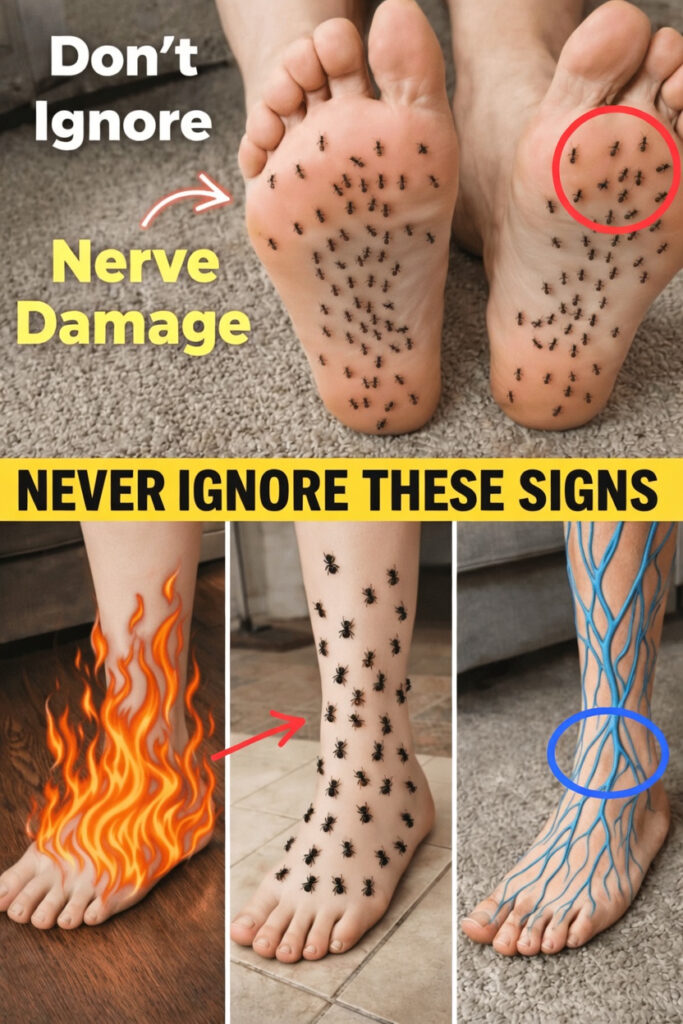
Early Warning Signs of Nerve Damage You Should Not Overlook
That familiar pins-and-needles feeling in your feet after sitting too long may seem minor. However, if it starts happening regularly, lasts longer than usual, or is paired with burning, tingling, or numbness that interferes with daily life, it may be a sign your body is trying to alert you to something more important.
Many people ignore these symptoms at first. They often wait until the discomfort begins affecting sleep, walking, balance, or simple daily activities like holding a mug or standing comfortably. The encouraging news is that spotting these changes early may help you take action before nerve problems become more advanced.
This guide covers 15 early signs of nerve damage, along with helpful explanations so you can better understand what these symptoms may mean.
What Is Nerve Damage?
Nerve damage, also known as neuropathy, happens when nerves outside the brain and spinal cord become irritated, injured, or impaired. These nerves are responsible for carrying signals throughout the body, so when they are not working properly, communication can become disrupted.
This may happen for several reasons, such as:
- High blood sugar over time
- Certain medications
- Physical injuries
- Infections
- Vitamin deficiencies
When nerves are damaged, they may send wrong signals, send signals too strongly, or fail to send them at all. This can lead to unusual feelings in the hands, feet, legs, or other body parts.
For some people, symptoms appear slowly and build over time. Others may notice sudden changes after an illness, injury, or stressful period. Knowing the common early patterns can make it easier to recognize a problem sooner.
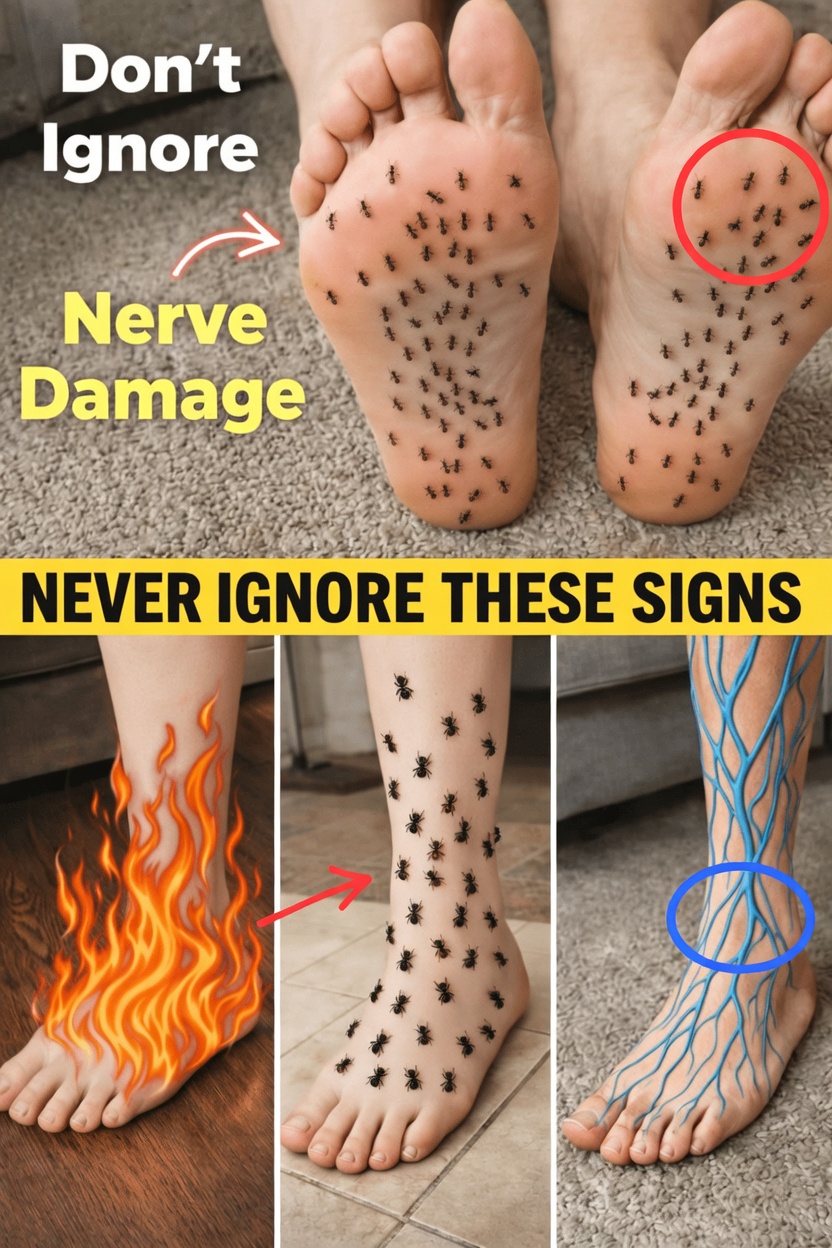
15 Early Signs of Nerve Damage
Paying close attention to physical changes is one of the best ways to support long-term health. Below are some of the most commonly reported early symptoms of nerve issues.
-
Tingling or pins-and-needles sensations
A frequent prickling feeling in the hands or feet that comes and goes can be an early warning sign. -
Numbness in certain areas
Reduced feeling may make it harder to detect touch, texture, heat, or cold. -
Burning pain
Some people describe this as a hot, fiery sensation on the skin even when nothing is touching it. -
Sharp or shooting pain
Sudden pain that feels like an electric shock may point to irritated nerves. -
Muscle weakness
You may notice that gripping objects, climbing stairs, or walking feels more difficult than before. -
Poor balance or coordination
Nerve problems can make it harder to stay steady while standing or moving. -
Increased sensitivity to touch
Even light contact, such as clothing or bedsheets, may feel unpleasant or painful. -
A strange “glove” or “sock” sensation
Some people feel as if they are wearing socks or gloves when they are not. -
Frequent muscle twitching or cramps
Repeated cramping or involuntary muscle movement may be related to nerve dysfunction. -
Changes in skin, hair, or nails
The affected areas may show differences in texture, growth, or appearance. -
Abnormal sweating or very dry skin
Hands and feet may become unusually sweaty or dry if autonomic nerves are involved. -
Trouble sensing temperature
You may no longer notice hot and cold accurately, which can increase the risk of injury. -
Restless legs at night
A strong urge to move the legs, especially in the evening, may be associated with nerve irritation. -
Pain that gets worse at night
Symptoms often feel more intense after dark and may interfere with restful sleep. -
Slow-healing cuts or sores
Small wounds on the feet or hands that heal slowly should not be ignored.
If you recognize several of these symptoms, it does not automatically mean you have a serious condition. Still, it is a good idea to bring them up with a healthcare professional.
Why Nerve Symptoms Often Start in the Feet
Many people first notice nerve-related changes in their toes or feet. One reason is that the longest nerves in the body extend all the way down to the feet, making them more vulnerable to damage over time.
Research suggests that issues affecting blood sugar regulation or circulation may impact these long nerves earlier than others. As a result, the feet are often where symptoms begin.
This matters because reduced sensation can make it easy to miss blisters, cuts, pressure spots, or other minor injuries. Left unnoticed, these small problems may become more serious. That is why staying aware of any new sensations in the feet and lower legs is so important for preserving comfort and mobility.
Common Causes of Nerve Problems
A range of everyday and medical factors can affect nerve health. One of the most widely recognized contributors is long-term elevated blood sugar. However, it is far from the only possible cause.
Other common contributors include:
- Vitamin deficiencies, especially low levels of B vitamins
- Exposure to toxins
- Certain medications
- Repeated pressure or repetitive movements that strain nerves
- Autoimmune conditions
- Infections
Studies indicate that addressing these factors early may help support nerve function in some situations. That is why daily choices and lifestyle habits can make a meaningful difference.
Practical Ways to Support Nerve Health
You do not have to wait until symptoms become severe before taking action. Many people benefit from making a few simple adjustments early on.
Here are some practical steps you can start today:
-
Check your feet every day
Look for cuts, redness, blisters, swelling, or changes in skin color. A mirror can help if certain areas are hard to see. -
Keep blood sugar stable
Balanced meals with protein, fiber, and healthy fats may help avoid large swings in blood sugar. Try not to skip meals for long periods. -
Stay active with gentle movement
Activities such as walking, swimming, and stretching can support circulation without placing too much pressure on sensitive nerves. -
Wear shoes that fit properly
Tight shoes can compress nerves and worsen discomfort. Choose supportive, breathable footwear. -
Pay attention to nutrient intake
Foods rich in B vitamins, including leafy greens, eggs, seeds, and nuts, are often part of a nerve-friendly eating pattern.
These habits may seem small, but over time they can contribute to better comfort and overall nerve support.
When to See a Doctor
Not every tingling sensation is an emergency. Still, some signs should not be ignored.
You should consider speaking with a doctor if:
- Symptoms are becoming more frequent
- The discomfort is getting stronger
- The affected area is expanding
- You are having trouble walking, sleeping, or keeping your balance
- Weakness is developing along with numbness or pain
A medical professional can help identify the likely cause and recommend the right next steps. In many cases, early evaluation matters because some nerve-related issues respond better when addressed sooner.
One important point many people miss is this: early nerve symptoms may sometimes improve or be better managed with timely lifestyle changes and proper care. The key is to pay attention rather than dismissing what your body is telling you.

How to Protect Nerve Health Over Time
Long-term nerve support usually comes from consistent habits, not one dramatic fix. Building a routine around healthy choices can make a real difference.
Focus on:
- Getting enough quality sleep
- Managing stress levels
- Moving regularly
- Eating a balanced diet
- Monitoring symptoms over time
Some people find it useful to keep a simple symptom journal. Write down:
- When symptoms appear
- How long they last
- What makes them better
- What seems to make them worse
This kind of tracking can help you notice patterns and have more productive conversations with healthcare providers.
FAQ
1. Can stress make tingling or nerve discomfort feel worse?
Yes. Ongoing stress can increase your awareness of physical discomfort and may make tingling or burning sensations feel more intense. Relaxation strategies like deep breathing, stretching, or short walks may help some people feel better.
2. Are these symptoms only linked to diabetes?
No. Diabetes and blood sugar issues are common causes, but nerve symptoms can also be related to vitamin deficiencies, injuries, infections, medications, or other health conditions.
3. How long should I wait before seeing a doctor about tingling feet?
If the tingling is new, happening often, or comes with weakness, numbness, or balance problems, it is best not to wait too long. Getting evaluated early can provide reassurance and help you make informed decisions.
Final Thoughts
Taking care of your nerves begins with listening to your body. Subtle sensations like tingling, numbness, or burning may seem easy to dismiss, but they can sometimes be early signs worth noticing.
By staying aware, making supportive lifestyle choices, and seeking help when needed, you can take meaningful steps toward protecting your nerve health. Often, small actions today can shape how you feel tomorrow.