Listen to What Your Body Is Telling You
Picture your usual morning routine: standing at the mirror, getting dressed, and barely noticing a faint line on a nail, a new patch on your skin, or a subtle change in your breast. It is easy to dismiss these things and move on. Many women, especially after 40, do exactly that because the possibility of bad news feels uncomfortable or frightening.
The reality is simple: the body often gives quiet warnings before major symptoms appear. Learning to notice those early signs can play an important role in protecting your long-term health. This guide walks through visible and physical changes that doctors often encourage women to pay attention to. At the end, you will also find a few easy habits that may help you spot changes sooner.
1. Breast Changes Beyond a Lump
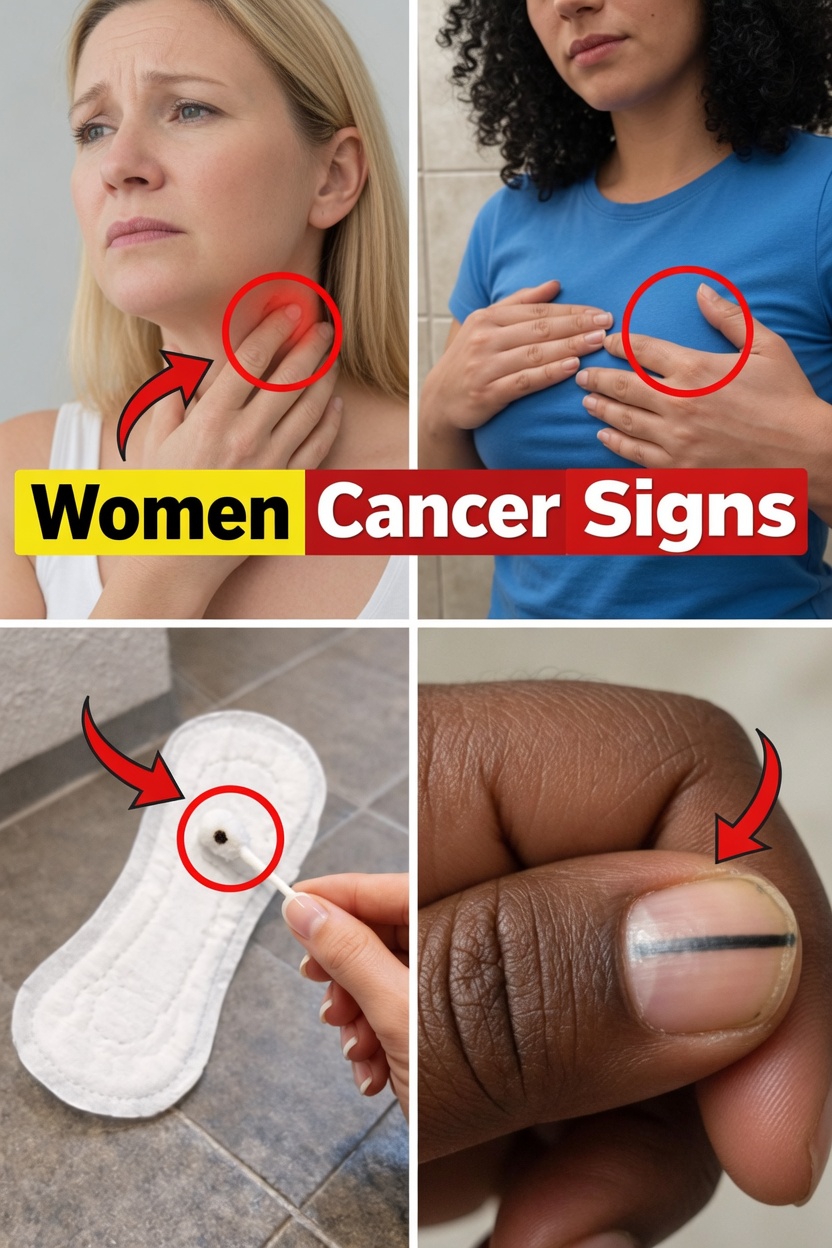
When women think about breast health, they often focus only on lumps. But healthcare providers look for a wider range of changes.
Signs that may deserve attention include:
- Skin that appears dimpled, similar to an orange peel
- Sudden enlargement or swelling in one breast
- Redness that does not go away
- A nipple that starts turning inward
That said, not every breast change is a sign of cancer. Hormonal shifts, infections, and noncancerous cysts can also cause similar symptoms. Still, organizations such as the American Cancer Society advise women to have new breast changes checked if they last for several weeks.
2. Ongoing Unusual Vaginal Bleeding
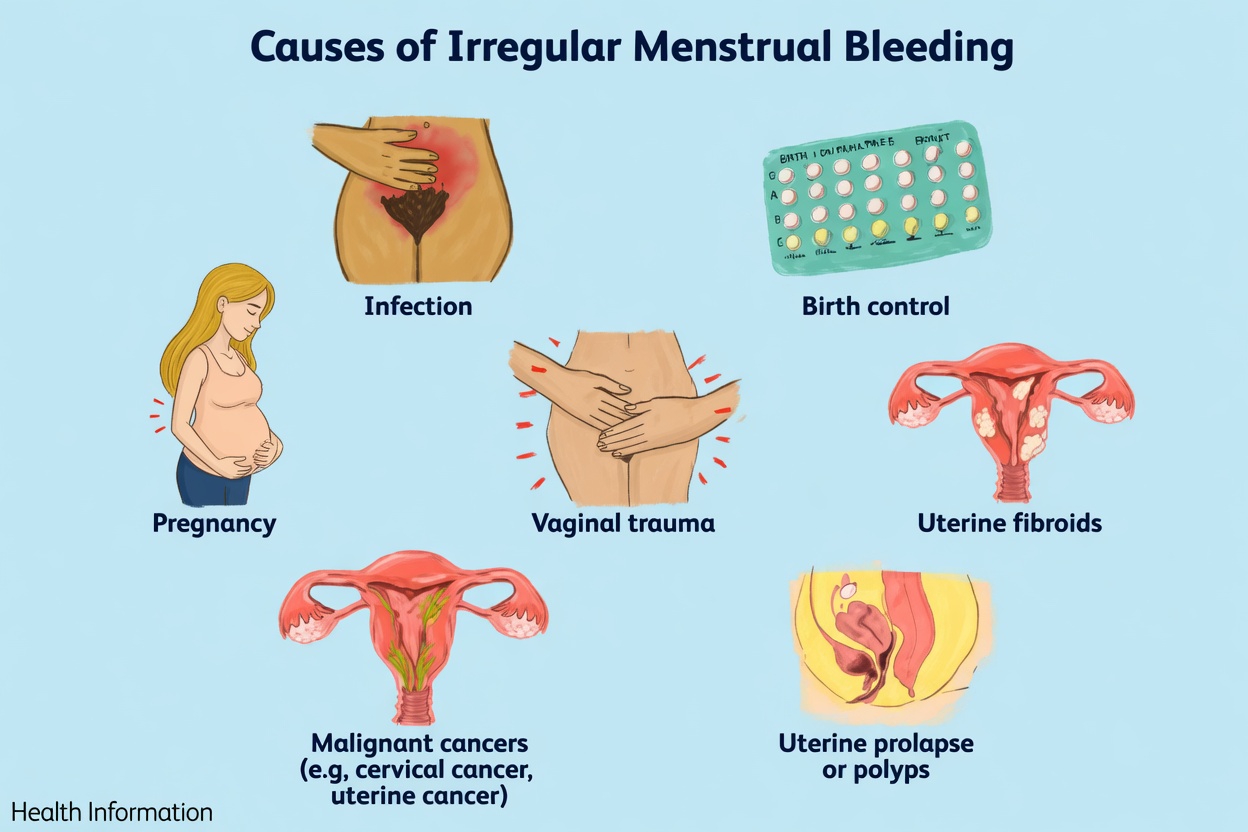
Unexpected bleeding can be difficult to talk about, especially for older women. However, doctors consider it one of the most important symptoms not to ignore.
Examples include:
- Bleeding after menopause
- Spotting or bleeding between periods
- Menstrual bleeding that suddenly becomes much heavier
Gynecology research shows that persistent abnormal bleeding may be linked to hormone imbalance, uterine fibroids, or other reproductive health concerns that need medical evaluation. The most important question is whether the pattern is new for your body. If it is, bring it up with a doctor.
3. A Dark Stripe on a Fingernail
Some women first notice this while doing something routine, like clipping their nails. A dark vertical line running down a nail can have several causes, and in many cases it is harmless pigmentation.
Dermatologists recommend paying closer attention if:
- The line appears suddenly
- It gradually becomes wider
- The pigment spreads onto the nearby skin
This type of nail change is known as melanonychia. It is often benign, but if it is new or evolving, it should be assessed by a medical professional.

4. Bloating That Persists and Feels Unusual
Bloating happens to almost everyone from time to time. Food, carbonated drinks, and hormone changes are all common causes.
But some physicians note that bloating that continues and feels different from your usual pattern may need attention, especially if it comes with:
- Feeling full very quickly
- Pelvic pressure
- A noticeably larger abdomen
Studies in gynecologic health suggest these symptoms can sometimes be associated with ovarian conditions. At the same time, digestive issues, food sensitivities, and irritable bowel syndrome are much more common explanations. What matters most is whether the symptom pattern continues for more than a few weeks.

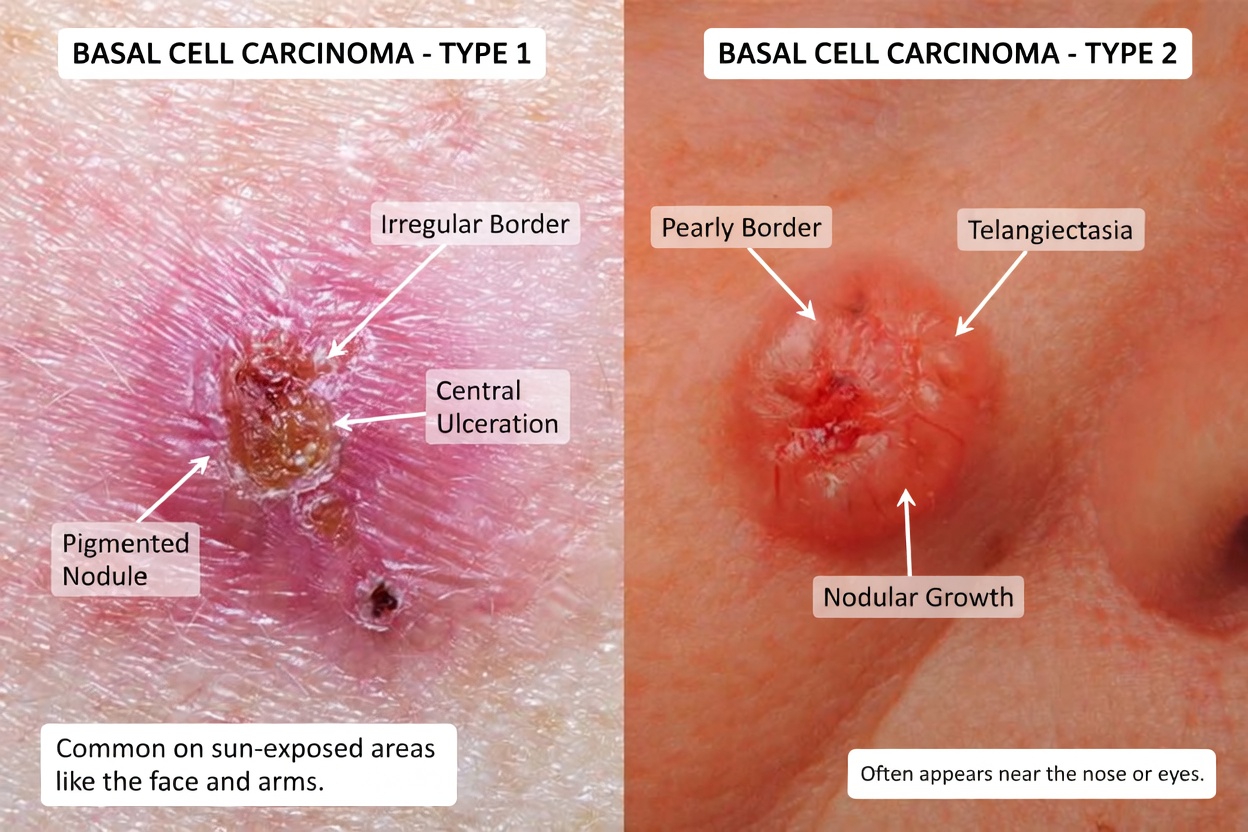
5. Sores or Ulcers That Do Not Heal
Most minor skin injuries improve relatively quickly. When a sore remains for weeks, doctors usually advise getting it checked.
Warning signs include:
- A wound that keeps reopening
- A spot that bleeds easily
- A scab that never fully clears
Dermatology studies suggest that skin lesions lasting a long time deserve medical evaluation, especially on areas that receive frequent sun exposure.
6. Sudden Weight Loss Without Trying
Weight loss is often viewed as a good thing, but unexplained weight loss is different. If your weight drops without changes in eating habits or physical activity, doctors typically want to investigate.
Possible causes include:
- Thyroid disorders
- Digestive problems
- Long-term infections
- Metabolic conditions
Many medical guidelines recommend discussing weight loss when it exceeds 5% of body weight over a period of several months.
7. Fatigue That Does Not Go Away
Feeling tired after a stressful week is normal. But exhaustion that lasts for weeks despite getting enough rest may point to an underlying issue.
Frequent causes include:
- Iron deficiency
- Thyroid imbalance
- Ongoing stress
- Poor-quality sleep
Research published in internal medicine journals has shown that persistent fatigue is one of the most commonly overlooked health signals.
8. A Cough or Hoarse Voice That Lasts
Many people brush off a lingering cough and assume it is part of a cold. However, doctors generally recommend evaluation if a cough lasts longer than three weeks.
Other symptoms that may appear with it include:
- Hoarseness that does not improve
- Trouble swallowing
- Chest discomfort
In many cases, the cause is acid reflux or a respiratory infection. Even so, symptoms that continue should not be ignored.

9. Frequent Urination or Pressure in the Pelvis
Bladder changes are often dismissed as a normal part of aging, but sudden or ongoing symptoms may signal something treatable.
Watch for:
- Needing to urinate more often than usual
- Pelvic heaviness or pressure
- Pain or burning with urination
These symptoms can sometimes be related to urinary infections or other pelvic conditions. Early medical advice can often identify the cause before it worsens.
10. Changes in Moles or Skin Spots
Dermatologists often use the ABCDE rule to assess moles and pigmented spots.
| Feature | What to notice |
|---|---|
| A | Asymmetry |
| B | Uneven or irregular borders |
| C | More than one color |
| D | Diameter larger than a pencil eraser |
| E | Evolution, meaning any visible change over time |
If a mole begins to look different, a professional skin check is recommended.

11. Abdominal Pain That Keeps Returning
Brief stomach discomfort is common. But pain that lasts for weeks or repeatedly comes back in the same area deserves attention.
Possible causes include:
- Gallbladder problems
- Digestive disorders
- Gynecologic conditions
Doctors often remind patients that the body usually does not produce ongoing pain without a reason.
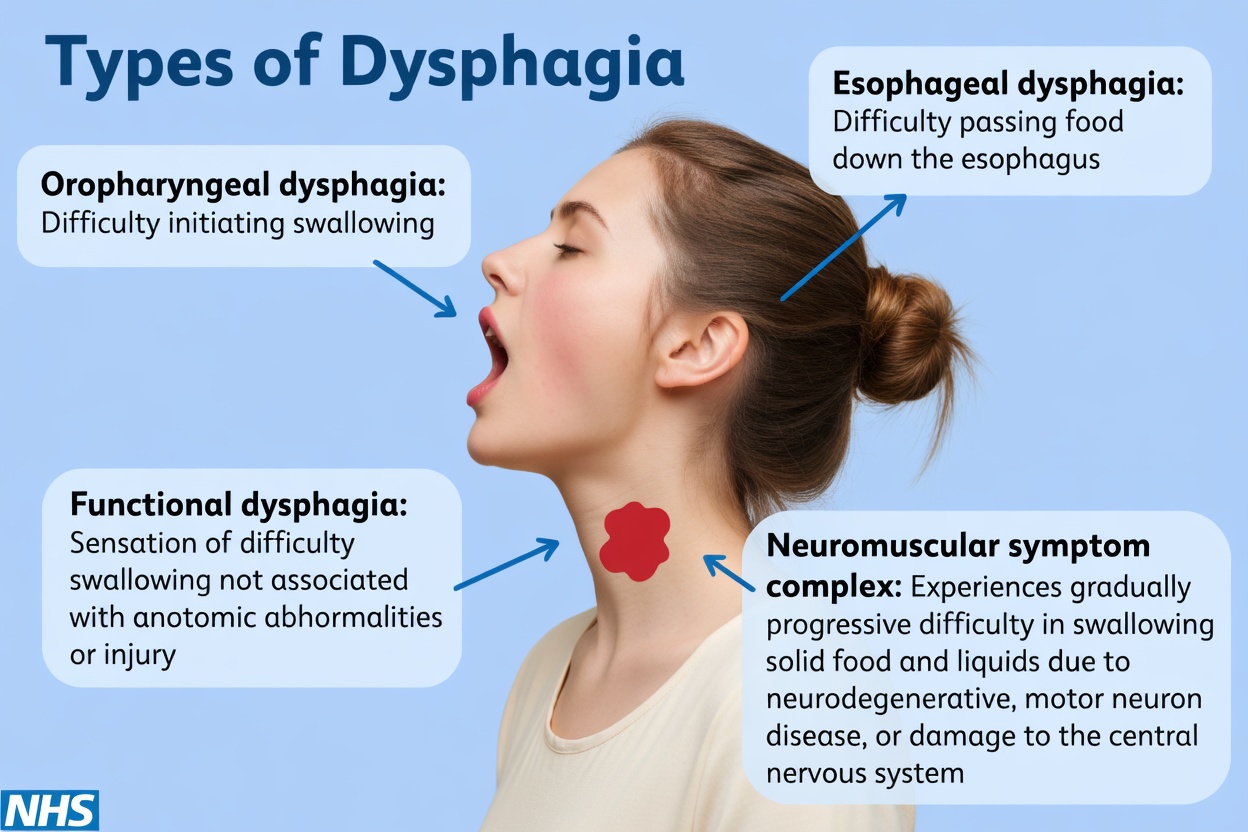
12. Difficulty Swallowing
Occasional trouble swallowing can happen when eating too fast. If it becomes a repeated problem, it may be related to:
- Irritation of the esophagus
- Chronic acid reflux
- Structural changes in the throat
Gastroenterology guidelines advise evaluation when swallowing difficulty continues for several weeks.

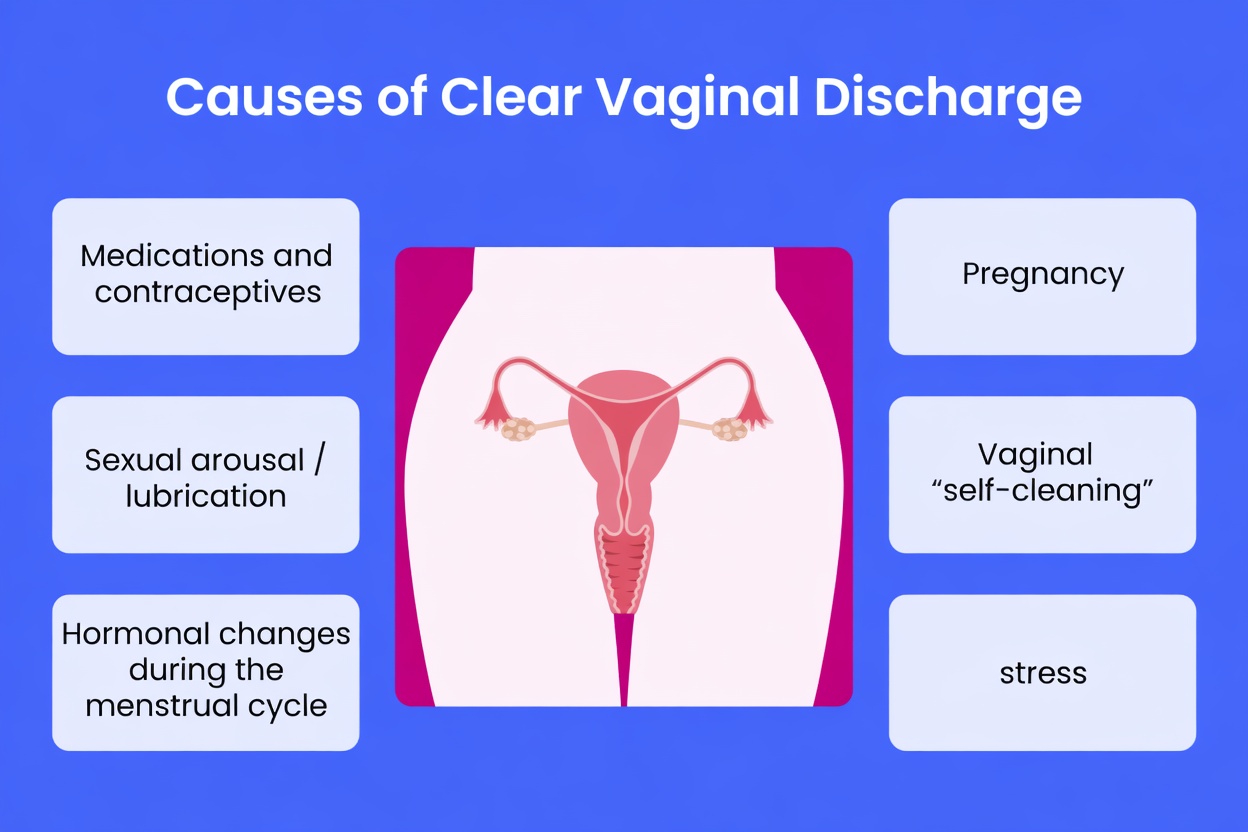
13. Unusual Vaginal Discharge
Changes in vaginal discharge are often caused by infections or hormone fluctuations. Even so, some signs should be monitored more closely.
Pay attention to:
- A strong or unusual odor
- A different color than normal
- Ongoing irritation
Most causes are manageable and easily treated once correctly diagnosed.
14. Lasting Back Pain or Pelvic Pain
Back pain is very common, but when it appears alongside pelvic discomfort, unusual fatigue, or digestive changes, doctors may recommend a more thorough evaluation.
The message is straightforward: pain that continues for weeks should not be ignored.

Simple Daily Habits That Help Women Notice Changes Earlier
Doctors often recommend a few practical routines that make it easier to catch body changes early.
- Once a month, spend a few minutes checking your skin, nails, and breasts in the mirror.
- Notice patterns such as ongoing tiredness, appetite changes, or unexpected bleeding.
- Keep a small symptom journal to record anything unusual.
- Continue regular medical checkups, even when you feel well.
These habits are simple, but they can help many women recognize subtle health changes earlier rather than later.

Frequently Asked Questions
Are visible body changes always a sign of something serious?
No. In fact, many of the symptoms mentioned here are caused by common, non-serious, and treatable conditions. The goal is awareness, not panic.
When should a woman speak with a doctor?
In general, doctors recommend making an appointment when a symptom is new, persistent, or changing over time.
Is it normal for the body to change after age 40?
Yes. Hormones, skin, metabolism, and energy levels can all shift with age. The key is knowing what is normal for you and noticing when something stands out from that pattern.
Why Early Attention Matters
Most body changes will not turn out to be dangerous. But overlooking the wrong symptom can delay diagnosis and treatment. Early evaluation often leads to more options, faster relief, and greater peace of mind.
Being aware of your body does not mean becoming fearful. It means staying informed, observant, and willing to ask questions when something feels off.
Final Thoughts
Your body is always communicating. Some signals are harmless, while others may point to a health issue that deserves attention. The goal is not to worry over every small change, but to stay alert to symptoms that are new, persistent, or clearly different from your normal.
A few quiet minutes of observation each month can make a meaningful difference. Sometimes the earliest warning signs are small. Noticing them is one of the most powerful things you can do for your health.