Feel Cold Hands and Heavy Legs? Your Circulation Might Need Support
If your hands and feet are often chilly, you tire more quickly than you used to, or your legs feel heavy and sluggish after a long day, your blood flow might not be working as efficiently as it could. When circulation is less than optimal, everyday tasks can feel more exhausting and less comfortable.
What you eat is one of the most overlooked factors that can influence how well your blood moves through your body. The encouraging part: by regularly including certain nutrient-dense foods, you may gently support healthier blood vessels and smoother circulation—without relying on extreme promises or gimmicks.
In this guide, you’ll find foods that research associates with better blood flow through mechanisms such as increased nitric oxide production, antioxidant protection, and lower inflammation. Stay with it to the end for a simple daily habit that brings several of these benefits together in one easy drink.
Why Healthy Blood Circulation Matters
Your circulatory system is responsible for transporting oxygen and nutrients to every cell while helping clear away metabolic waste. When blood moves efficiently, you are more likely to feel:
- Warmer in your hands and feet
- More focused and mentally sharp
- Better able to stay active and engaged throughout the day
Scientific reviews suggest that eating patterns rich in plant compounds, healthy fats, and antioxidants can support the endothelium—the delicate inner lining of blood vessels that regulates dilation, contraction, and overall vascular health.
Small, consistent improvements in your daily meals can gradually add up to meaningful benefits over time.
14 Foods Commonly Linked to Better Blood Flow
Certain foods contain natural substances—such as nitrates, flavonoids, capsaicin, and omega‑3 fatty acids—that may help relax blood vessels, support nitric oxide production, ease inflammation, and protect vascular function.
Here are 14 circulation-friendly foods to know:
-
Garlic – Rich in allicin, a compound that research suggests may help relax blood vessels and support healthy blood pressure and flow.
-
Ginger – Traditionally known for its warming effect; modern studies indicate it may help calm inflammation and encourage smoother vessel relaxation.
-
Cayenne Pepper – Contains capsaicin, which can stimulate nitric oxide release and enhance blood flow to tissues in some experimental studies.
-
Turmeric – Its active compound, curcumin, has notable anti-inflammatory properties that may support the health and flexibility of the vessel lining.
-
Citrus Fruits (oranges, lemons, grapefruits) – Loaded with vitamin C and flavonoids that help reinforce blood vessel walls and provide antioxidant defense.
-
Beets – Naturally high in dietary nitrates, which the body converts into nitric oxide—a key molecule for widening blood vessels. Clinical trials have shown beet consumption can improve markers of vascular responsiveness.
-
Pomegranate – A concentrated source of polyphenols and nitrates; research links pomegranate juice to improved vasodilation and blood flow.
-
Dark Chocolate (70%+ cocoa) – Cocoa flavanols have been shown to enhance endothelial function and circulation, with some studies noting measurable effects within hours of consumption.
-
Berries (such as blueberries, strawberries) – Packed with antioxidants and anthocyanins that may help protect blood vessels from oxidative stress and support overall vascular health.
-
Leafy Greens (spinach, kale, arugula) – Another excellent source of natural nitrates, promoting nitric oxide production and encouraging vessel relaxation.
-
Fatty Fish (salmon, mackerel, sardines) – Provide omega‑3 fatty acids, which are known to help moderate inflammation and support heart and blood vessel health.
-
Nuts (especially walnuts) – Offer healthy fats, plant-based omega‑3s, and antioxidants that contribute to cardiovascular comfort and resilience.
-
Cinnamon – Preliminary evidence suggests it may help relax blood vessels and support steady circulation when used in moderate amounts.
-
Olive Oil (extra virgin) – High in monounsaturated fats and polyphenols, and a cornerstone of Mediterranean-style diets associated with better vascular outcomes.
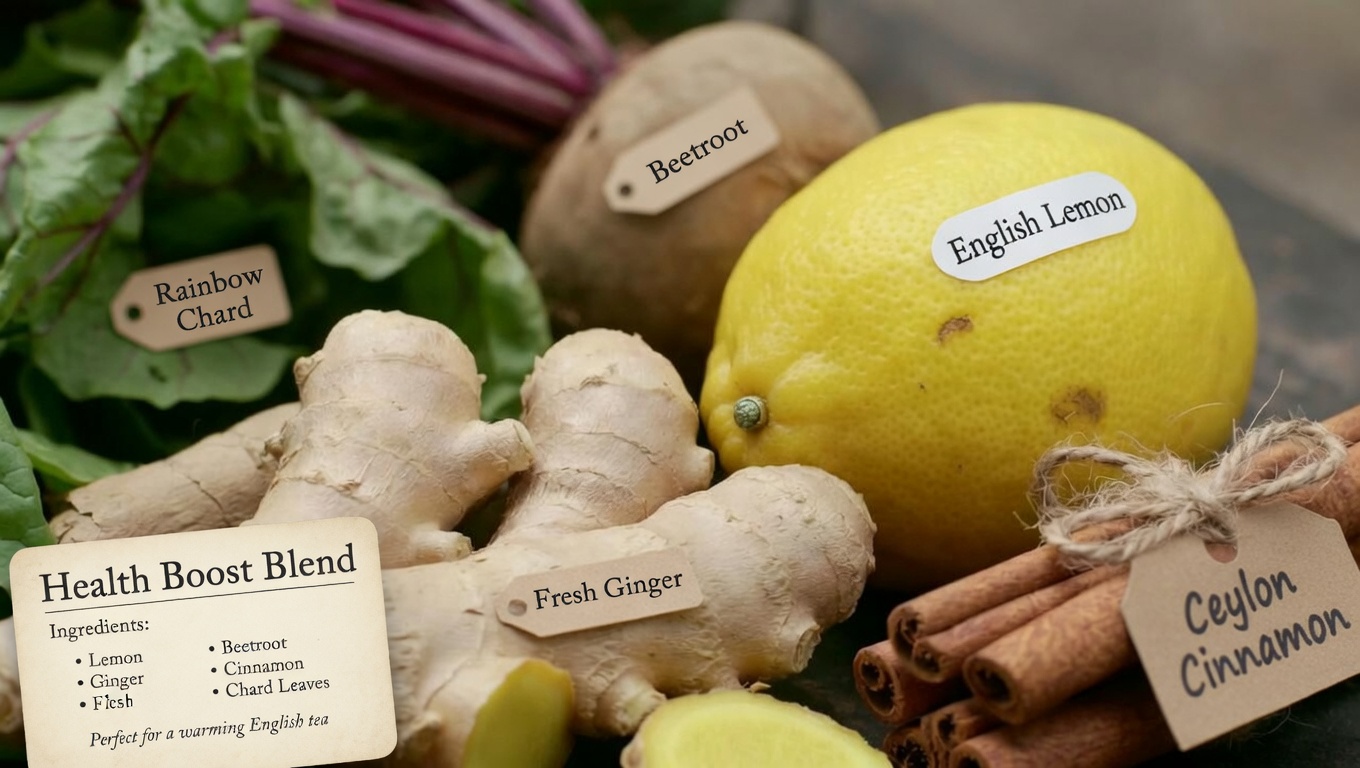
Quick Overview: How These Foods Support Blood Flow
The foods above don’t work in the exact same way—but together, they create a powerful mix of nutrients that can support circulation from multiple angles.
| Food Group | Key Compounds | Main Potential Benefit | Simple Way to Use It |
|---|---|---|---|
| Beets & Leafy Greens | Nitrates | Boost nitric oxide for better vessel dilation | Juice beets or toss spinach into salads |
| Garlic & Ginger | Allicin, gingerols | Relax vessels and help reduce inflammation | Grate into stir-fries, soups, or herbal teas |
| Pomegranate & Berries | Polyphenols, antioxidants | Support vasodilation and protect vessel health | Eat fresh, add to yogurt, or blend in smoothies |
| Dark Chocolate | Flavanols | Enhance endothelial function and blood flow | Enjoy ~1 oz as a mindful afternoon treat |
| Fatty Fish & Nuts | Omega‑3 fatty acids | Ease inflammation and support heart circulation | Grill salmon or snack on a handful of walnuts |
This variety makes it easy to mix and match options throughout the day without complicated recipes.
Simple Ways to Add These Foods to Your Routine
You don’t need a complete diet overhaul. Small, repeatable actions are more likely to stick and support circulation over the long term.
-
Morning Refresher
Add a squeeze of fresh lemon to warm water and include a pinch of grated ginger and a dash of cinnamon. This light drink brings you citrus, ginger, and cinnamon in one gentle morning ritual. -
Lunchtime Upgrade
Build a salad with leafy greens (like spinach or kale), roasted or thinly sliced raw beets, and a handful of berries. Finish with extra virgin olive oil and a sprinkle of walnuts for crunch and healthy fats. -
Smart Snack Choice
Reach for a small square of dark chocolate (70% cocoa or higher) in the mid-afternoon. Pair it with pomegranate seeds or a few berries to boost your polyphenol intake. -
Circulation-Friendly Dinner
Bake or grill salmon seasoned with garlic and turmeric, and serve it with steamed greens or a warm vegetable mix. Add a pinch of cayenne pepper if you enjoy a bit of spice. -
Evening Wind-Down
Sip on a cup of ginger tea with a little honey. It’s soothing, warming, and a pleasant way to end the day.
These simple shifts align well with eating patterns, such as the Mediterranean-style diet, which are consistently associated with cardiovascular and vascular benefits.
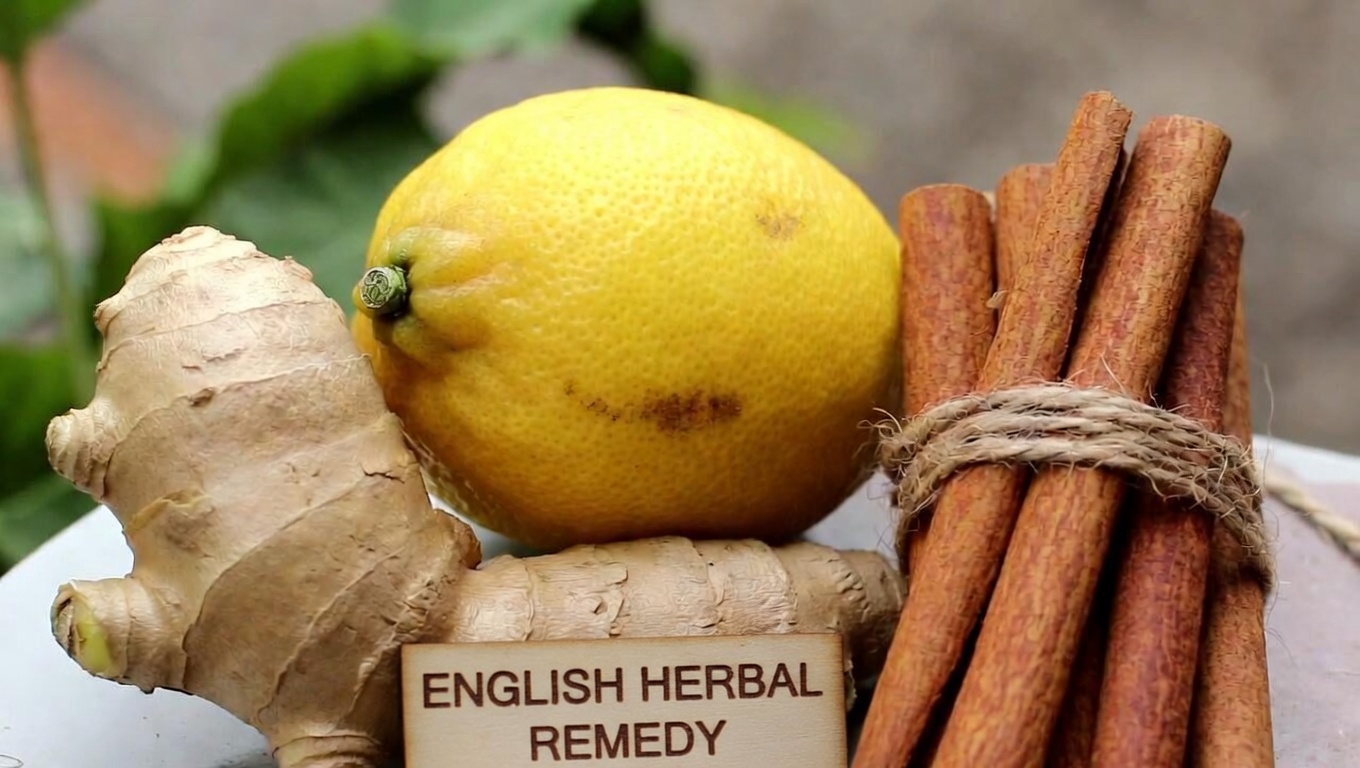
A Quick Daily Habit: Ginger–Cinnamon Circulation Tea
One of the easiest ways to bring several circulation-supportive ingredients together is a simple tea you can prepare in minutes.
Ginger–Cinnamon Circulation Tea
Ingredients:
- 1-inch piece of fresh ginger, thinly sliced
- Juice of ½ lemon
- A pinch of ground cinnamon
- 1 teaspoon honey (optional)
- 1 cup hot water
Instructions:
- Place the ginger slices in a mug.
- Pour hot water over the ginger and let it steep for about 5–7 minutes.
- Stir in the lemon juice, cinnamon, and honey if using.
- Drink slowly, once or twice a day, as desired.
This simple blend combines warming ginger, citrus, and cinnamon—three ingredients often associated with comfort, gentle vessel support, and a pleasant lift in how you feel.
Lifestyle Habits That Complement These Foods
Food is just one piece of the circulation puzzle. For better overall blood flow, consider pairing nutrition strategies with:
- Regular movement: Short walks, stretching breaks, or light exercise to keep blood moving.
- Adequate hydration: Drinking enough water so your blood isn’t overly thick and sluggish.
- Less prolonged sitting: Standing up, moving around, or doing a few leg exercises if you sit for long periods.
- Not smoking and moderating alcohol: These choices can have a strong impact on blood vessel health.
Together, these habits may enhance the benefits of circulation-supportive foods.
FAQ
What is the fastest food-based way to support circulation?
Some studies show that beetroot juice and cocoa-rich dark chocolate can influence blood flow markers within hours, likely due to their high nitrate and flavanol content. Individual responses vary, and they are most effective as part of an overall healthy pattern.
Can these foods replace medical treatment for circulation issues?
No. These foods can complement a healthy lifestyle but are not substitutes for medical evaluation, diagnosis, or treatment. If you have symptoms or concerns about your circulation, consult a healthcare professional.
How much dark chocolate is reasonable?
For most people, about 1–2 ounces (30–60 g) per day of dark chocolate with at least 70% cocoa is a practical upper limit to gain potential benefits while avoiding excessive sugar and calories.
This information is intended for general educational purposes and is based on current research at the time of writing. It is not medical advice. Always speak with a qualified healthcare provider for personalized recommendations, especially if you have health conditions or take medications that may interact with dietary changes.